A scientist who studies objects that ancient peoples leave behind is a/an -----
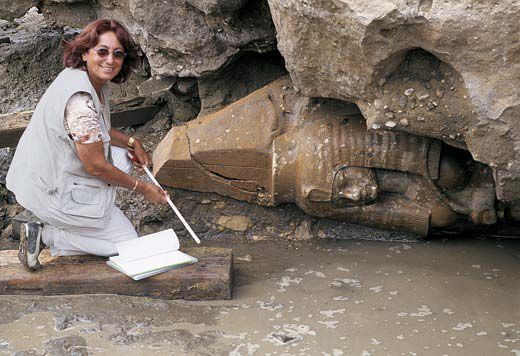
A scientist who studies objects that ancient peoples leave behind is a/an -----
Indigenous Peoples of Texas
A scientist who studies people, their traditions and ways of life is a/an -----
A scientist who studies objects that ancient peoples leave behind is a/an -----
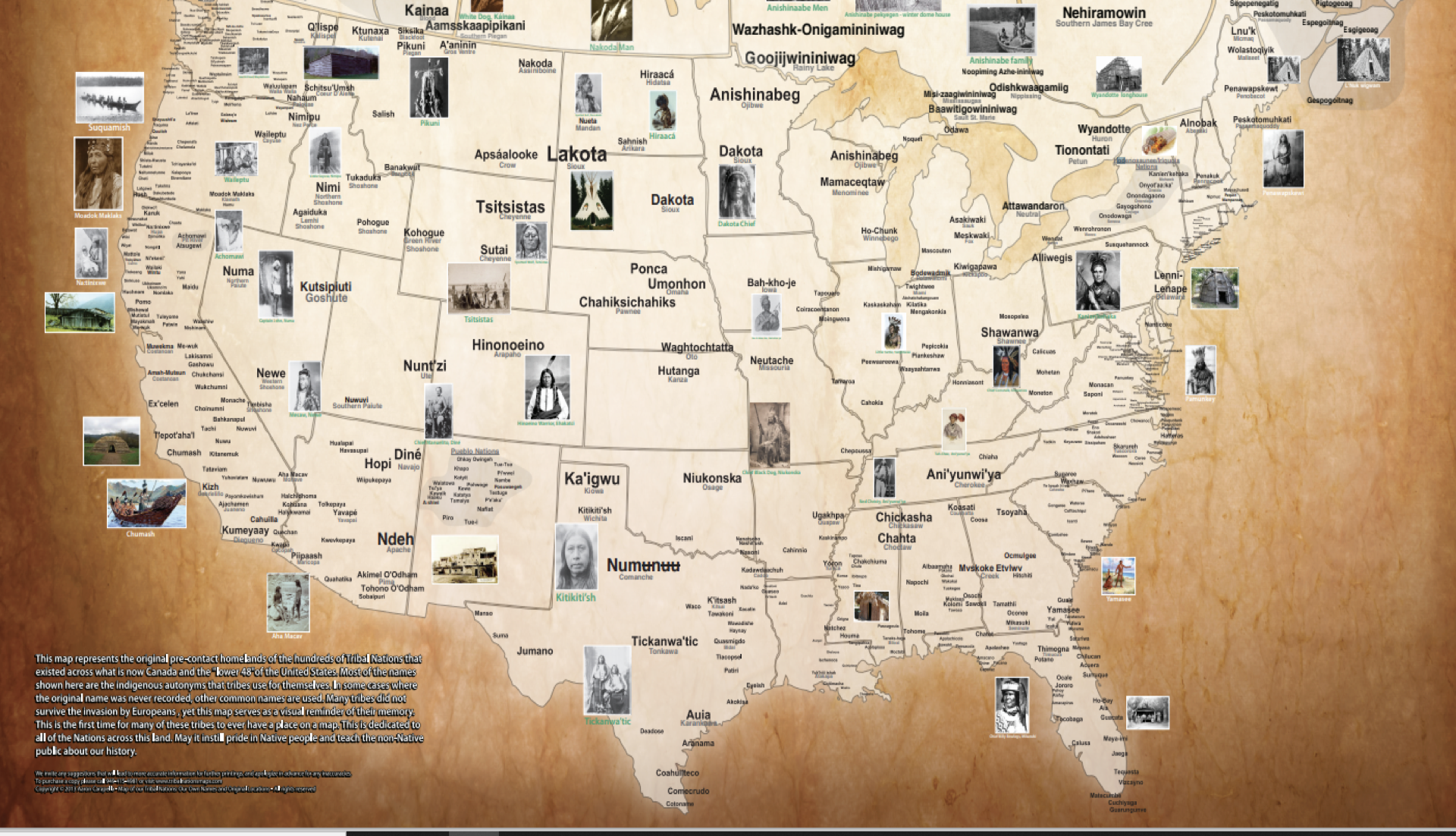
This map shows that the greater concentration of Indigenous Nation settlements in North America were found:
Match the nations with their traits:
| Draggable item | arrow_right_alt | Corresponding Item |
|---|---|---|
Karankawa | arrow_right_alt | fierce warriors on horseback |
Jumano | arrow_right_alt | farmers in permanent settlements, practiced Crop Rotation |
Comanche | arrow_right_alt | Adobe village dwellers in Mountain/Basins region |
Caddo | arrow_right_alt | Very tall Coastal Plains nomads, fish traps, wigwams, dugout canoes |
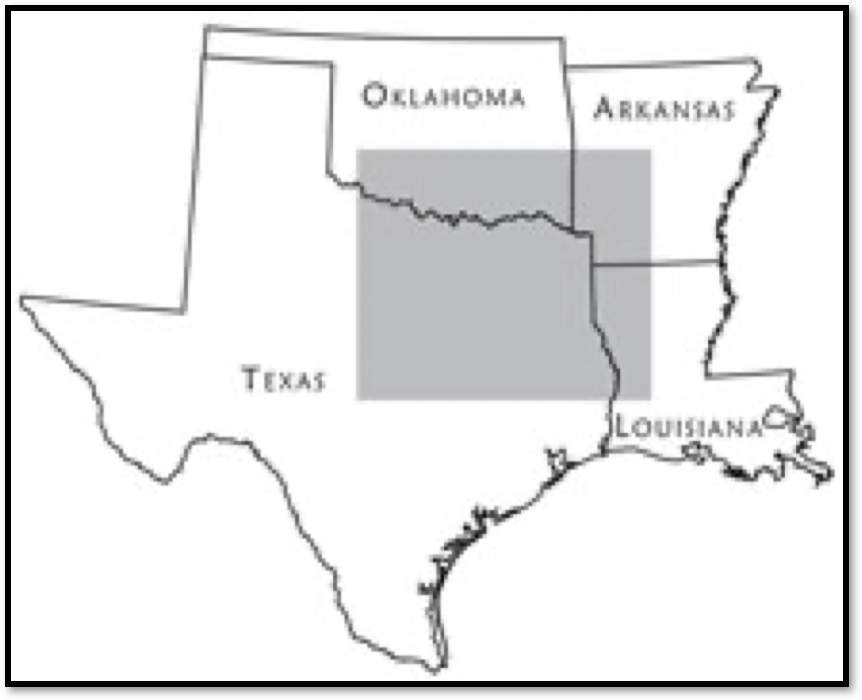
The Caddo nation spanned 3 states besides Texas: OK, LA & AR. In which 2 Texas regions did the Caddo live:
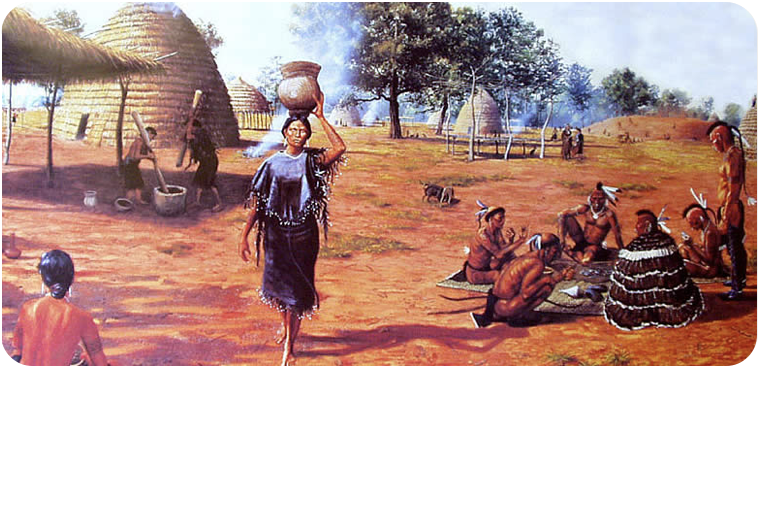
Caddo lived in _________________ homes:
Jumano homes were a good example of:
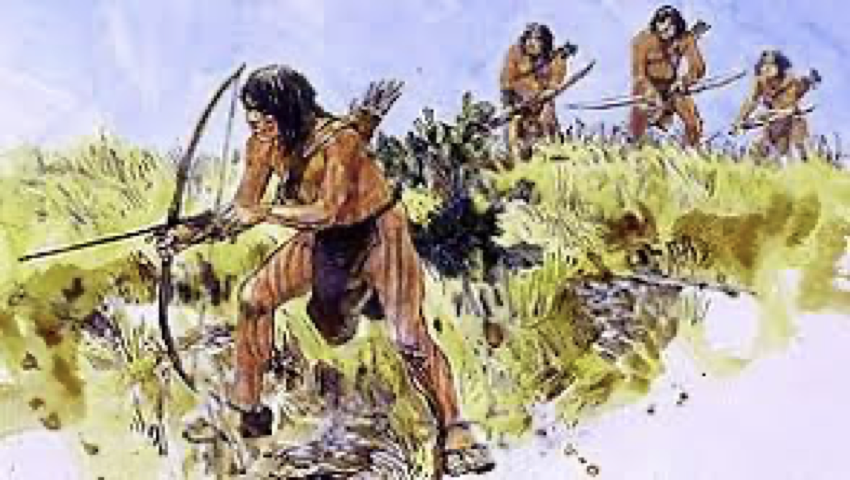
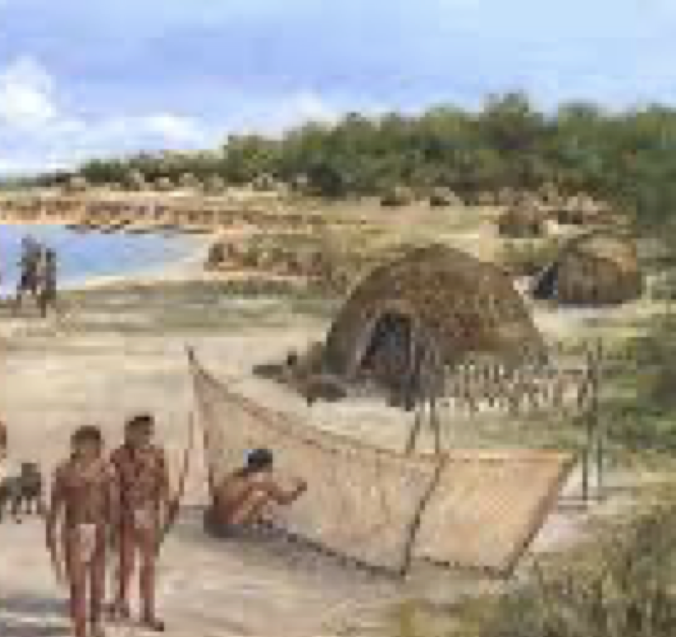
The Karankawa diet consisted mainly of:
Texas owes its name to the ___________ word ____________________ meaning "those who are friends.
The ___________ practiced Crop Rotation and Control Burning to keep the soil renewed with fresh nutrients.
Efficient farming can create a surplus of food, allowing some members of the community to develop more advanced skills such as:
The Karankawa --
The Jumano --
Which matrilineal nation formed confederacies or associations among families to work together?
Materials & substances that occur in nature are called:
"Indigenous" is closest in meaning to
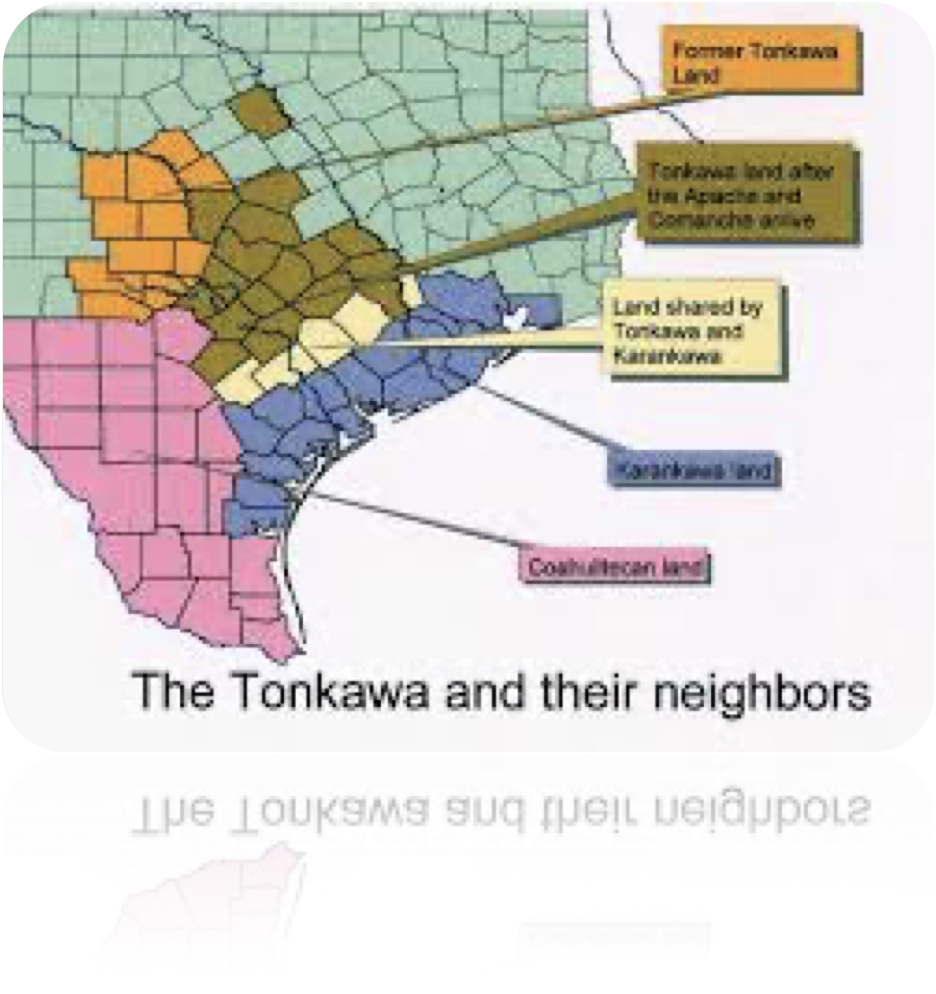
According to this map, which neighbor of the Tonkawa lived closest to the coast?
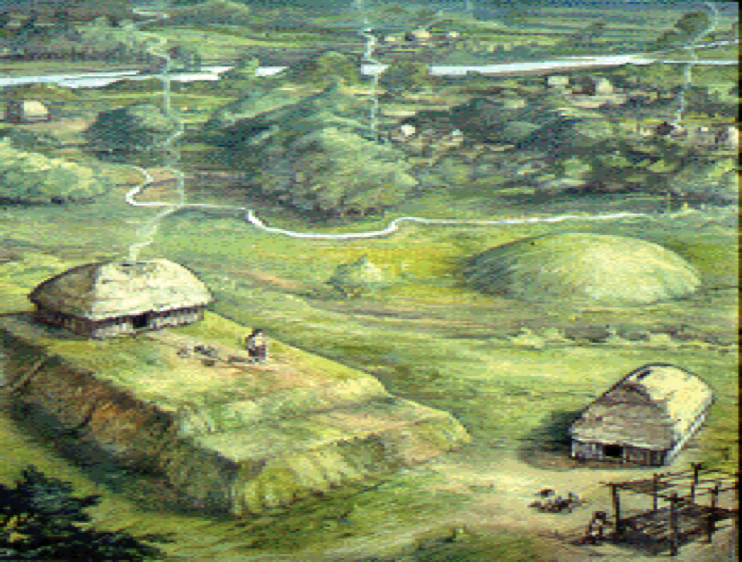
Which nation built mounds as temples & burials?
This nation's Regional climate required seasonal clothing -- heavier animal hides in winter, lighter deerskin in summer?
Whose homes are these?
Whose homes are these?
Whose homes are these?
Whose homes are these?
This map shows 7 Indigenous nations of Texas. What is meant by the term "Proto-Apache?"