Preskoči na glavni sadržaj
Prijava
Sign up for FREE
arrow_back
Biblioteka

10A - Glaciers/caves

star
star
star
star
star
Posljednje ažuriranje over 5 years ago
28
1
1
1
1
1
1
1
1
1
1
1
1
1
1
1
1
1
1
1
1
1
1
1
1
1
1
1
1
Pitanje 1
1.

A cave is

Pitanje 2
2.

Rain has a tiny bit of ____ in it

Pitanje 3
3.

Acid allows to dissolve rocks like

Pitanje 4
4.

Hang from the roof of a cave

Pitanje 5
5.

Come up from the floor of a cave

Pitanje 6
6.

Water is the only force that can create caves

Pitanje 7
7.

Volcanoes can make long tunnel caves called

Pitanje 8
8.

Processes that make caves include

Pitanje 9
9.

Animals that never leave caves

Pitanje 10
10.

There less than ____ Texas cave salamanders in the world

Pitanje 11
11.

Living in darkness, Texas salamanders have lost

Pitanje 12
12.

As the salamanders have lost their eyesight

Pitanje 13
13.

Food is very _____ in caves

Pitanje 14
14.

This map shows the rock types found underground in a certain area. The map also shows where groundwater is flowing in and around these rocks.
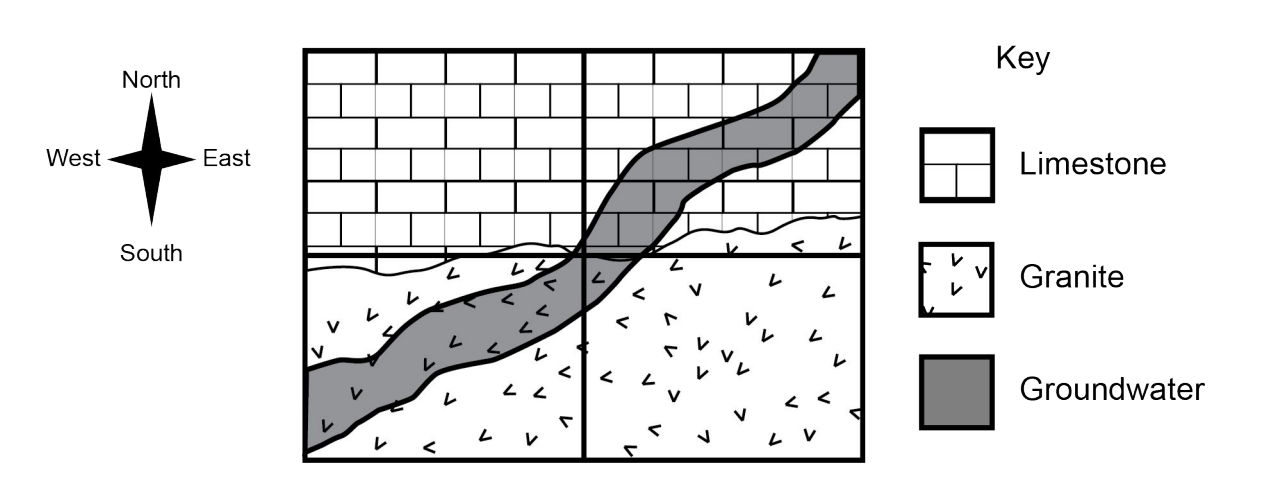
If caves tend to form where moving water dissolves lime stone then caves would be expected to form in which region on the map?

Pitanje 15
15.

Glaciers are ______ structures that _____ like ______

Pitanje 16
16.

______ moist air from the pacific ______ up coastal mountains, where it ______ condenses and falls as ______ and rain.

Pitanje 17
17.

A cubic meter of snow weighs 70 – 150 kilograms, about as much as

Pitanje 18
18.

Most of the space (or volume) of snow is air

Pitanje 19
19.

After about two years ground snow takes on a new form called

Pitanje 20
20.

The final form of snow is

Pitanje 21
21.

Glaciers always have to move by melting

Pitanje 22
22.

The zone of plastic flow

Pitanje 23
23.

. Glaciers creep along because they are propelled by ______ like a giant gooey conveyor belt

Pitanje 24
24.

At the top of the glacier, in the upper 150 feet, it is known as the “zone of brittle flow” because…

Pitanje 25
25.

Glaciers are always melting

Pitanje 26
26.

It takes 200 years for new ice to be added to a lake.