This activity is designed to classify matter based on its arrangment at the particle level (very very tiny level!). Work through each problem using problem solving skills to understand the differences between elements, compounds, and mixtures.
1 point
1
Question 1
1.
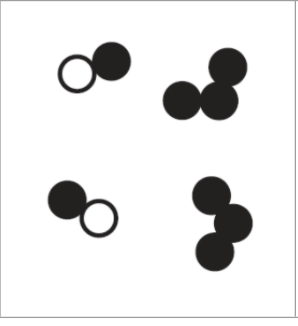
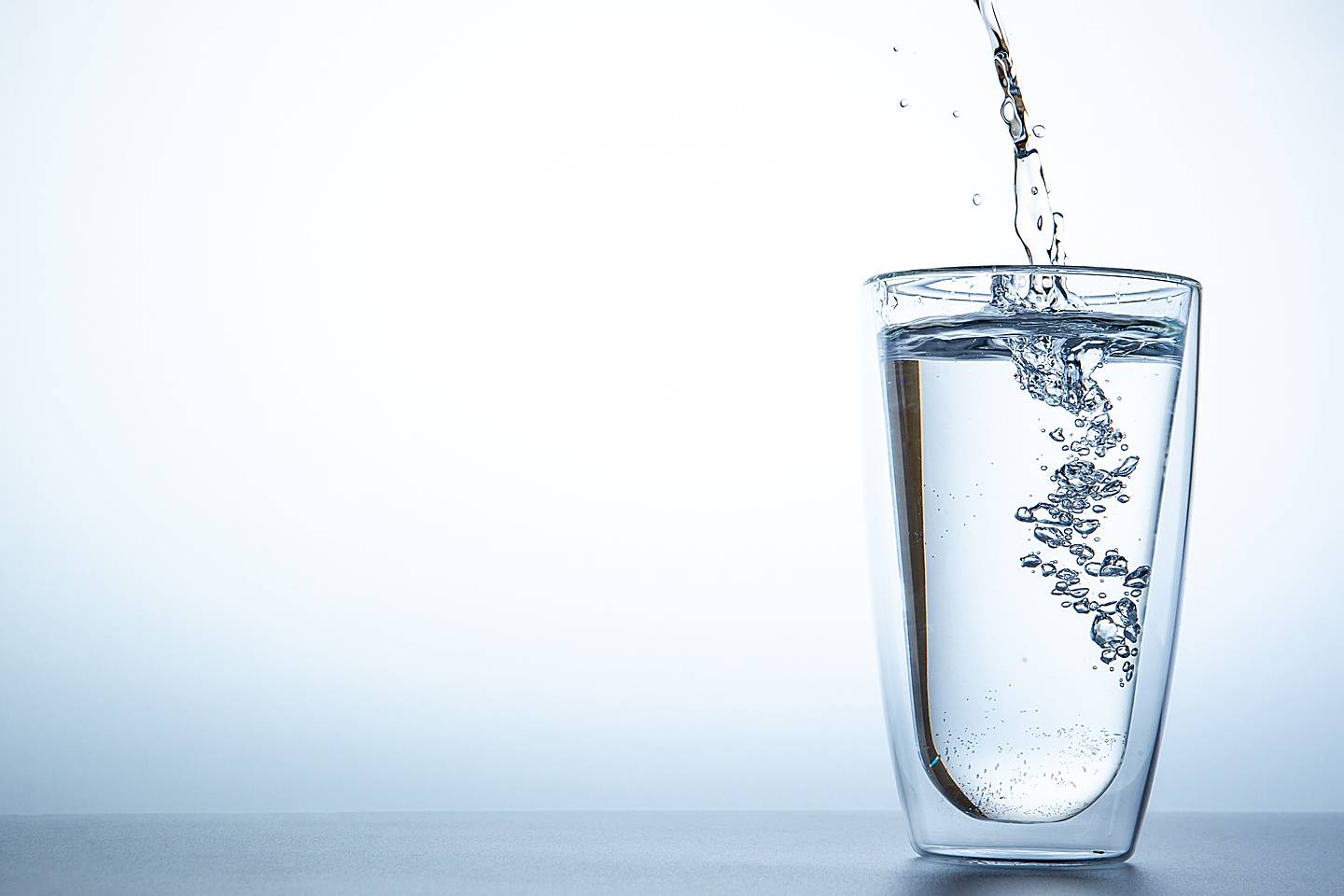
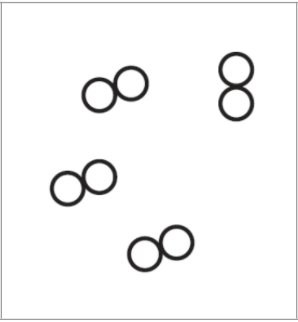
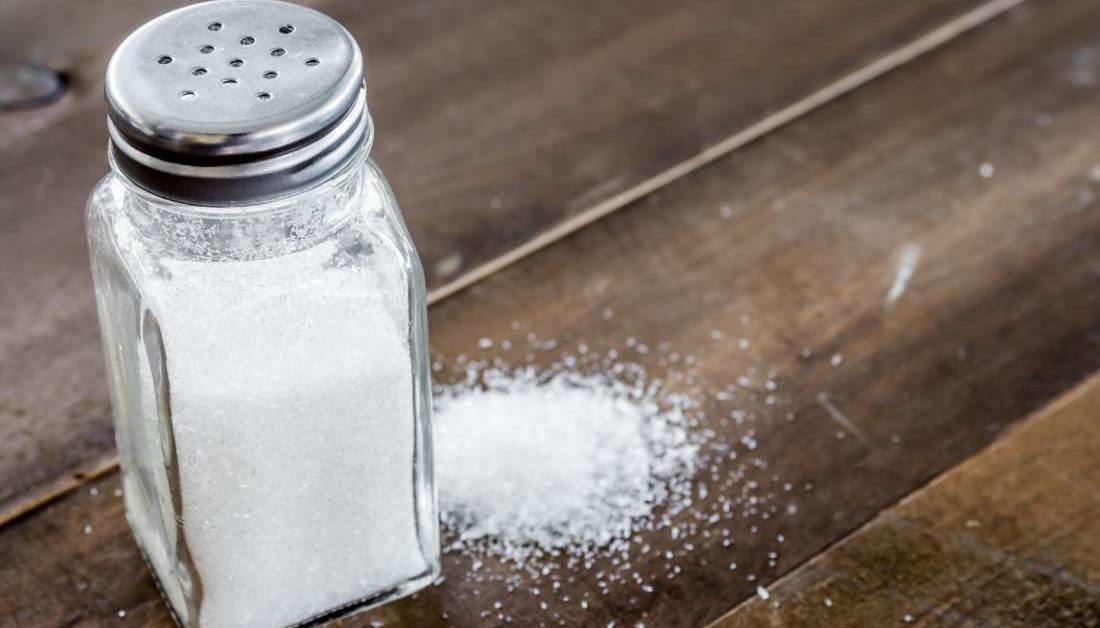
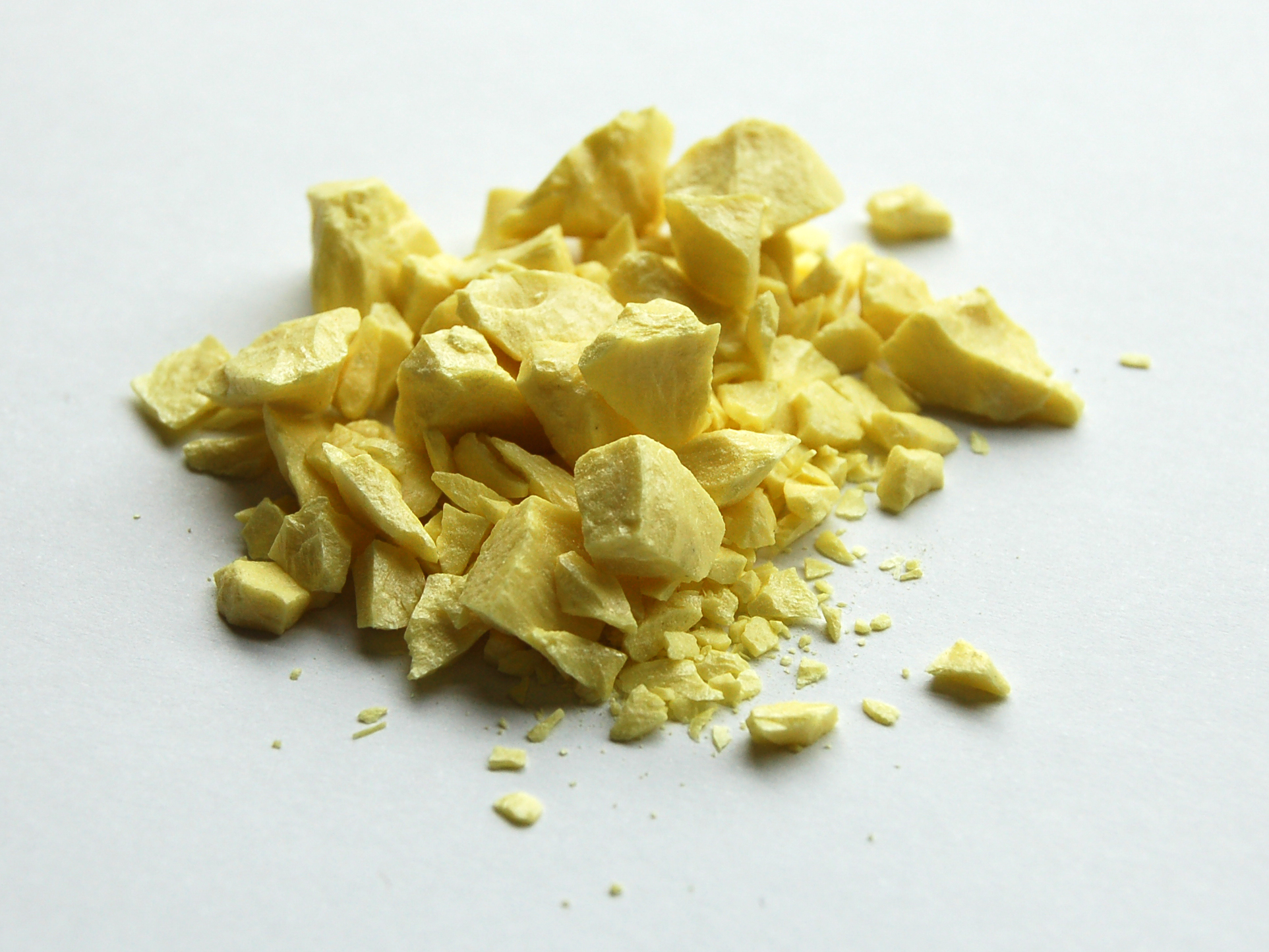
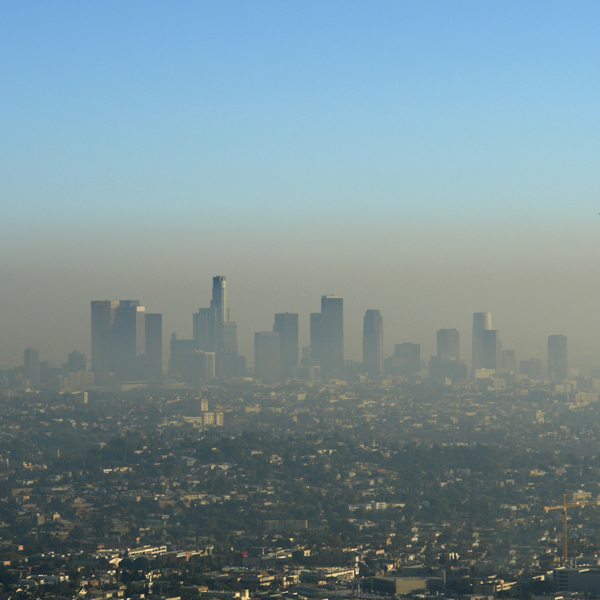
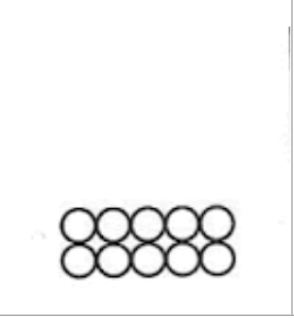
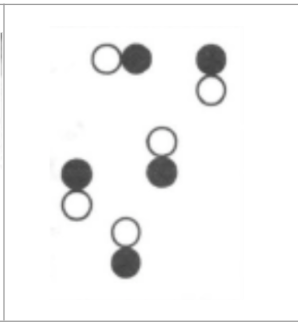
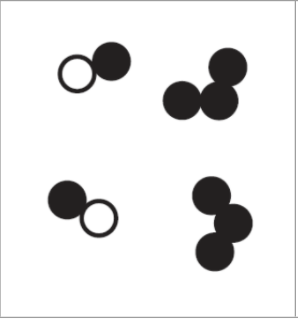
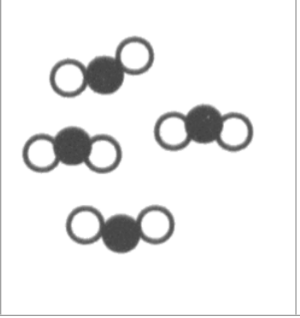
Based on what you know and observe from the following set of pictures, drag the following particle diagrams to match each picture.
Draggable item
arrow_right_alt
Corresponding Item
arrow_right_alt
Oxygen (O2)
arrow_right_alt
Water (H2O)
arrow_right_alt
Solid salt (NaCl)
arrow_right_alt
Solid Sulfur (S)
arrow_right_alt
Air
1 point
1
Question 2
2.
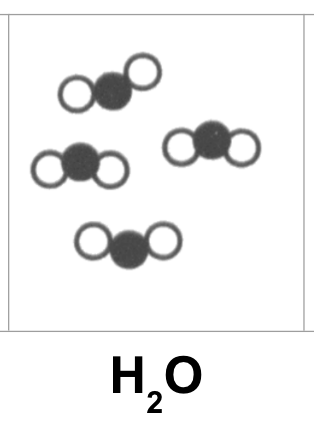
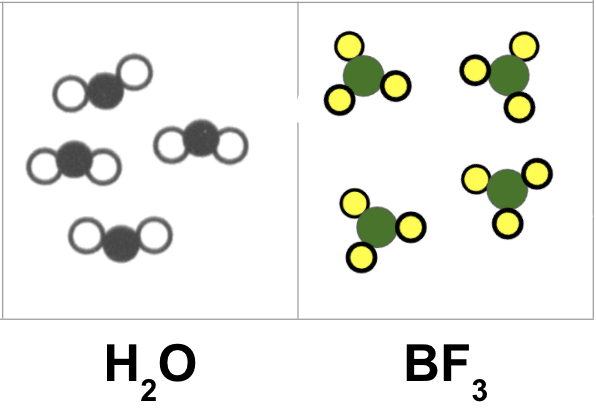
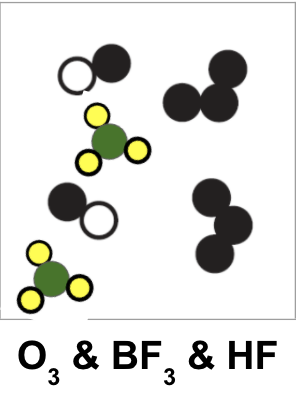
How many atoms are present in a molecule of H2O?
1 point
1
Question 3
3.
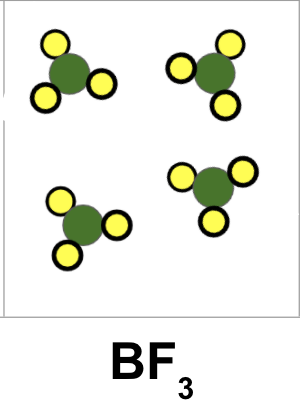
How many atoms of F are present in a molecule of BF3?
1 point
1
Question 4
4.
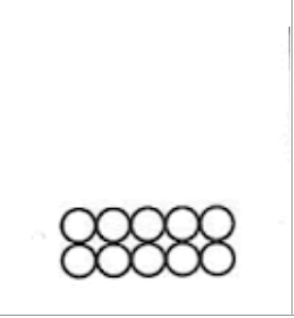
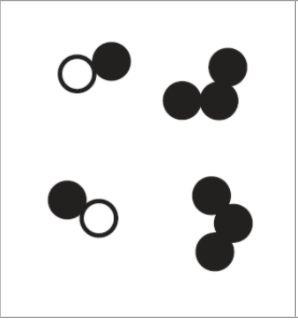
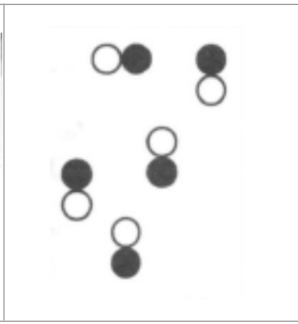
How many total molecules are found in the following particle diagram?
1 point
1
Question 5
5.
Two different molecules are represented below. How many different types of atoms are found in a sample of BF3 and H2O?
1 point
1
Question 6
6.
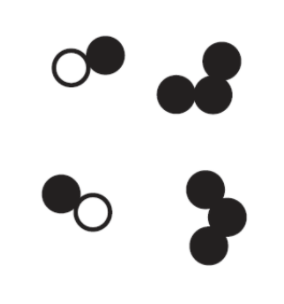
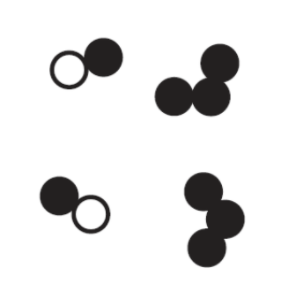
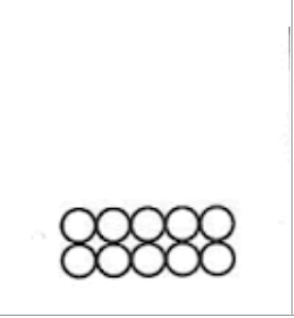
How many particles are represented in the following diagram?
1 point
1
Question 7
7.
What do the small numbers (the subscripts) in the codes represent?
Read this for the next question: Matter is classified as a pure substance when all of the particles are identical. Matter is classified as a mixture if there are different particles present.
1 point
1
Question 8
8.
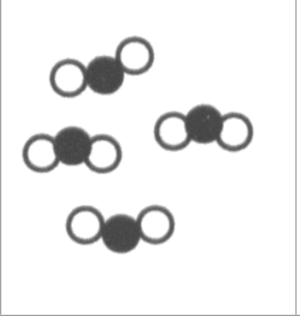
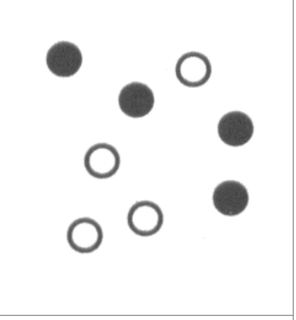
Sort the particle diagrams into pure substances and mixtures.
Pure Substances
Mixtures
Read this for the next question: Elements are pure substances made from only one type of atom. Compounds are pure substances made from two or more types of atoms.
1 point
1
Question 9
9.
Sort the pure substances into compounds and elements.
Elements
Compounds
1 point
1
Question 10
10.
Identify whether the following is a compound, mixture, or element: NaHCO3
1 point
1
Question 11
11.
Identify whether the following is a compound, mixture, or element: C6H12O6 & H2O
1 point
1
Question 12
12.
Identify whether the following is a compound, mixture, or element: Cu & Zn
1 point
1
Question 13
13.
Identify whether the following is a compound, mixture, or element: CO2
1 point
1
Question 14
14.
Identify whether the following is a compound, mixture, or element: Al