Log in
Sign up for FREE
arrow_back
Library

States of Matter and State Changes Quiz

star
star
star
star
star
Last updated over 5 years ago
24 questions
3
9
1
1
1
1
1
1
1
1
3
3
2
3
1
1
1
1
1
3
2
2
2
1
Question 1
1.

What type of system is this and why?

Question 2
2.

Question 3
3.

Question 4
4.

Question 5
5.

Question 6
6.

Question 7
7.

Question 8
8.

Question 9
9.

Question 10
10.

Question 11
11.

Question 12
12.

Question 13
13.

Question 14
14.

Pick one state of matter (solid, liquid, or gas) and draw a model of its particles.

Question 15
15.

Draggable itemarrow_right_altCorresponding Item
arrow_right_alt
arrow_right_alt
arrow_right_alt
Question 16
16.

Question 17
17.

Question 18
18.

Question 19
19.

Question 20
20.

Question 21
21.

Question 22
22.

Question 23
23.

Question 24
24.

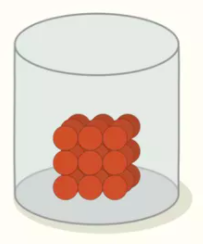
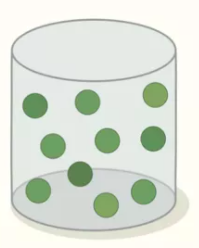
Drag the characteristics or details to the correct state of matter.
has a definite volume but no defined shape
particles collide and move everywhere
particles vibrate in a fixed position
are somewhat close together but can move freely
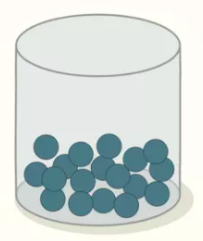
has a defined shape and volume
has a volume that can change
Solid
Liquid
Gas
Which change of state happens when a solid gains energy and changes into a liquid?
melting
condensation
vaporization
freezing
Which change of state happens when a gas loses energy and changes into a liquid?
vaporization
condensation
melting
freezing
Which change of state happens when a liquid loses energy and changes into a solid?
condensation
freezing
melting
vaporization
Which change of state happens when a liquid gains energy and changes into a gas?
freezing
vaporization
condensation
melting
What happens to the particles of a substance when the substance freezes?
They stop moving.
They slow down.
They stay the same.
They speed up.
Before doctors draw your blood for a blood test, they wipe alcohol on your skin. The alcohol quickly disappears. What happened and why?
Vaporization occurred because the particles gained thermal energy from your skin.
Melting occurred because the particles move faster and gained thermal energy.
Melting occurred beause the particles slowed down and came into closer contact.
Vaporization occurred because the particles lose thermal energy to the environment.
When a substance freezes, its particles stop moving.
True
False
If the temperature of water increases that means
the water particles will have less kinetic energy.
the water particles will have more kinetic energy.
the water particles will have more volume.
the water particles will have more mass.
Which of the following happen because of an increase in thermal energy/temperature? (Select all that apply)
Condensation
Melting
Freezing
Sublimation
Deposition
Vaporization
Which of the following happen because of a decrease in thermal energy/temperature? (Select all that apply)
Deposition
Freezing
Sublimation
Vaporization
Condensation
Melting
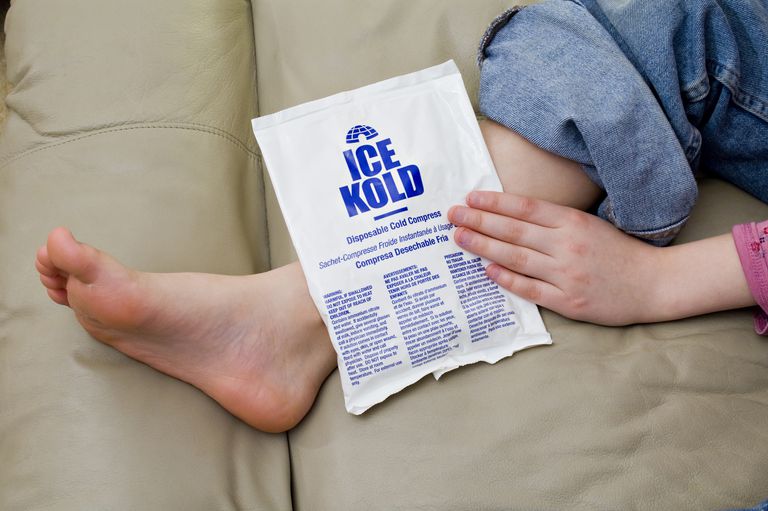
When a person get an injury, sometimes they put a cold ice pack on the body part to reduce the swelling. According to what you learned about energy transfer, which way does the thermal energy move?
Energy moves from the ice pack to the warm body part.
There is no energy transfer between the warm body part and ice pack.
Energy moves back and forth between the warm body part and ice pack.
Energy moves from the warm body part to the ice pack.
Match the sytem to the characteristics.
Only energy can enter and leave the system, matter cannot.
Open System
Neither matter nor energy can enter or leave the system.
Closed System
Matter and energy can enter and leave the system.
Isolated System
If a substance cools down, its molecules
stop moving
disappear
move slower
move faster
If a substance heats up, its molecules
move faster
stop moving
disappear
move slower
When energy transfer from substance to substance or object to object, energy moves
from cooler substances to hotter substances
from hotter substances to cooler substances
from the freezer to the substance.
back and forth between the substances.
Sublimation is when
a solid changes into a liquid
a solid changes into a gas
a gas changes into a solid
a liquid changes into a gas
Place the states of matter from least amount of kinetic energy to the most.
Liquid
Gas
Solid
In an open system... (select all that apply)
Matter cannot enter nor leave the system
Energy cannot enter nor leave the system
Energy can enter and leave the system
Matter can enter and leave the system
In an isolated system... (select all that apply)
Matter can enter and leave the system
Matter cannot enter nor leave the system
Energy can enter and leave the system
Energy cannot enter nor leave the system
In a closed system... (select all that apply)
Energy cannot enter nor leave the system
Energy can enter and leave the system
Matter cannot enter nor leave the system
Matter can enter and leave the system
If a hot penny is dropped into cold water, which statement is true?
The energy is tranferred from the water to the penny.
The energy is tranferred from the penny to the water.
The energy is not transferred at all.
The energy is tranferred back and forth between the two objects.