MCHS - Properties and Changes of Matter
star
star
star
star
star
Last updated almost 6 years ago
10 Nsɛmmisa
Hyɛ no nsow a efi ɔkyerɛwfo no hɔ:
Chemical and Physical Properties
1
1
1
1
1
1
1
1
1
1
Chemical and Physical Properties
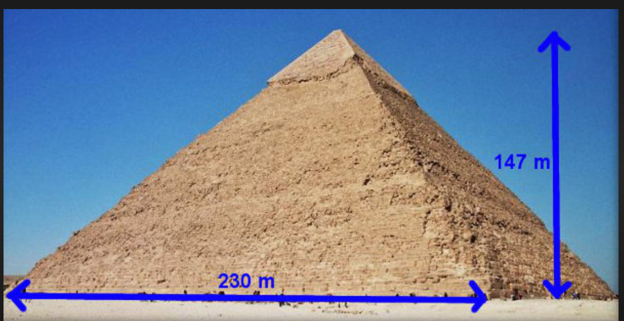
The above picture is of the Giza Pyramid of Egypt. The pyramid has a rough texture.
The pyramid has a sandstone color.
The pyramid has a does not react with rainwater.
The pyramid has a length of 230 meters.
The pyramid has survived so long since it is made of limestone which has a very low solubility with water (ability to dissolve in water).
The mass is estimated to be 80,000 kg.
The slowly there is erosion with solubility with water that will make parts of the pyramid crumble and fall away.
Defend your above answer that the slow erosion with water where parts of the pyramid crumble and fall away being either a physical or chemical change. How do you know for sure?
Direct heat to the limestone reacts off carbon dioxide gas leaving behind lime. The lime is white and will have a more crumbly texture than the original limestone.
Defend your above answer that heating the limestone reacts off carbon dioxide gas leaving behind lime that is white and more crumbly texture. How do you know for sure?