(10/5) Life Science - Lesson 2 Classifying Plants

Last updated about 5 years ago
10 questions

Classifying Plants

You have learned some of the ways in which scientists classify animals. Scientists classify plants in similar ways.
The Structure of Plants
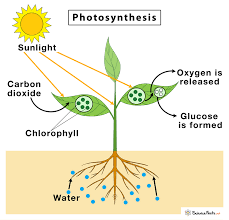
Most plants have three main parts- roots, stems, and leaves. Roots take in water and nutrients from the soil. Stems move water and nutrients from the roots to the leaves. Stems also support the leaves and other plant parts. Leaves capture the energy of sunlight and use it to make food for the plant. All plants are producers, which means they make their own food.
The process by which plants use sunlight to make food is called photosynthesis. Plants take in water from the soil and carbon dioxide gas from the air. In the leaves, a green material called chlorophyll traps sunlight. The energy of sunlight changes water and carbon dioxide into sugar and oxygen. Plants use the sugar for food and release the oxygen into the air as waste.

Seeds or Spores

Plants need to reproduce, or make more of their own kind. One way scientists classify plants is by how they reproduce. Most of the plants you see every day reproduce from seeds. A seed is a plant part that contains a tiny new plant, or embryo. The seed protects the new plant and contains food to help it start growing.
You have probably eaten sunflower seeds and apples. The sunflower is a plant that reproduces from seeds. So is the apple tree. Apple trees produce apples, which are their fruit. Inside each apple are seeds that can grow into new apple trees.
Some plants reproduce from spores instead of seeds. A spore is a plant cell that can grow into a new plant. Cells are the building blocks of all living things. A cell is the smallest part of a living thing that can carry out all the processes of life. You will learn more about cells a little later. When a spore drops into the soil, it may grow into a new plant.
Mosses and liverworts are plants that reproduce from spores. They are small plants with tiny leaves and stems that grow very close to the ground. Ferns are another group of plants that reproduce from spores. Spores form on the leaves, or fronds, of ferns. When a spore drops off into the soil it may grow into a new fern plant.

Flowers or Cones

Scientists divide seed plants into two more large groups-- plants with flowers and plants with cones. Most plants form seeds in parts of flowers, but some plants, such as pine trees, make seeds in cones.
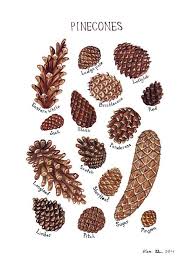
Plants that form seeds in cones are called coniferous plants. Most coniferous trees are also evergreens. Evergreen trees do not lose their leaves in winter. A pine tree's needle-shaped leaves stay on the tree all year long. A deciduous tree loses its leaves each year before winter.
Classifying Plants into Smaller Groups

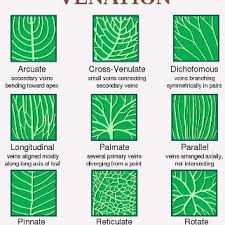
Scientists divide these big groups of plants into smaller and smaller groups. All the plants in each group are more like each other than they are like other plants. Scientists compare plants' roots, stems, and leaves. Leaves have many differnt shapes and sizes. The vein patterns in leaves are also different. The tree leaves shown illustrate some of these differences. You can often tell how a tree is classified by studying its leaves.
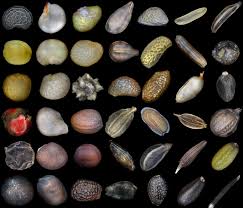
Flowering plants have different kinds of flowers and seeds. Flowers have different colors, sizes, shapes, and numbers of petals. Seeds also have different sizes, shapes, and colors. Poppy seeds are small, round, and black. An avacado seed is big, egg shaped, and brown. Scientists use these differences and others to classify plants.
10

Which plant makes spores?

10

A student wants to classify plants around his school based on how the plants reproduce. Which plant parts should the students use to sort the plants?

10

Which statement about coniferous trees is true?

10

A plant part that contains a tiny new plant, or embryo

10

A plant cell that can grow into a new plant

10

The process by which plants use sunlight to make food

10

What is the green material in leaves that traps sunlight for photosynthesis?

10

Plants that form seeds in cones are called...

10

A deciduous tree loses its leaves each year before winter.

10

Roots take in water and nutrients from the soil.