Select all the sequences of transformations that could take Figure P to Figure Q.
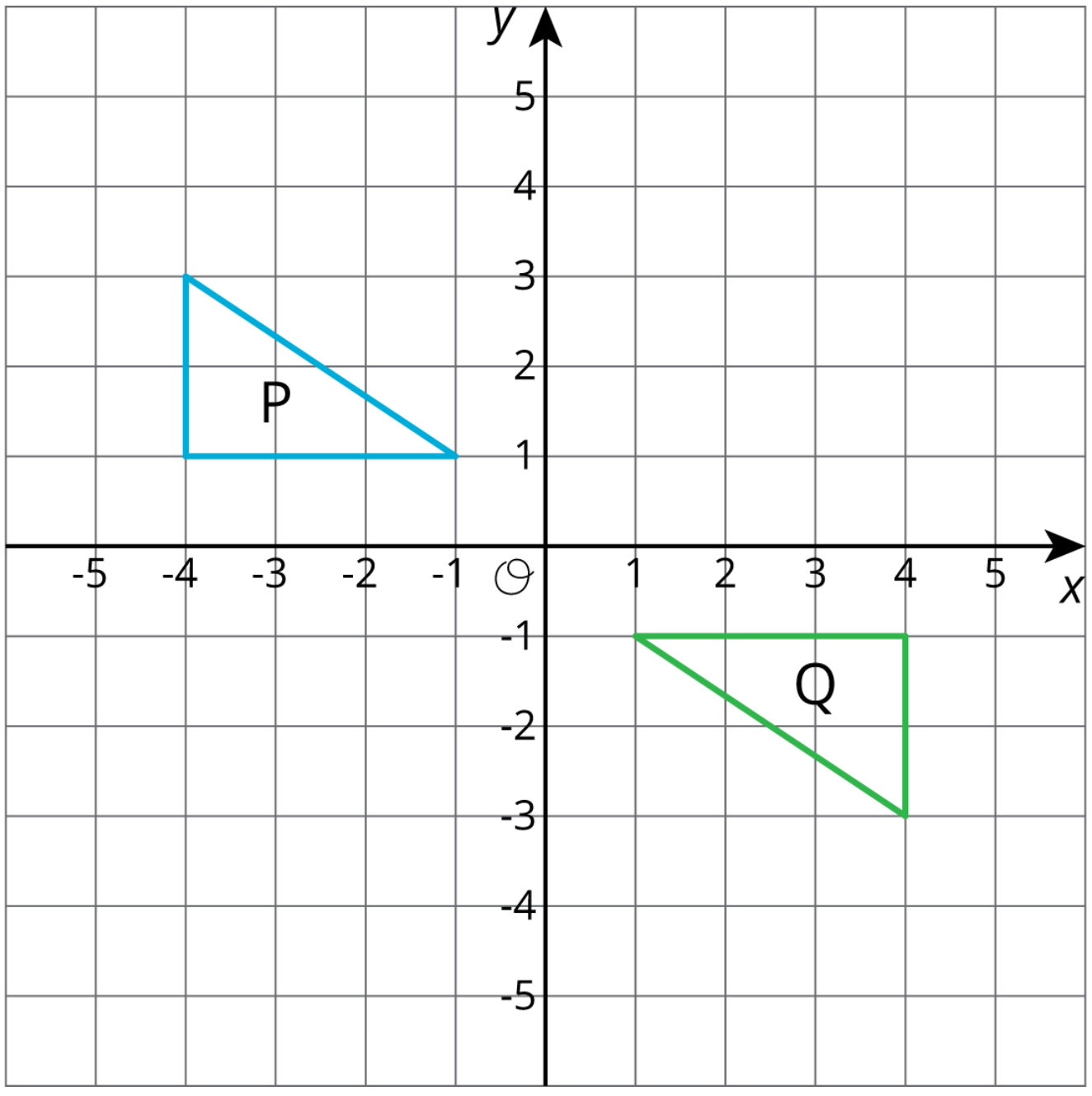
Select all the sequences of transformations that could take Figure P to Figure Q.
All of these sequences of transformations would return a shape to its original position except?
Select all the sequences of transformations that could take Figure P to Figure Q.
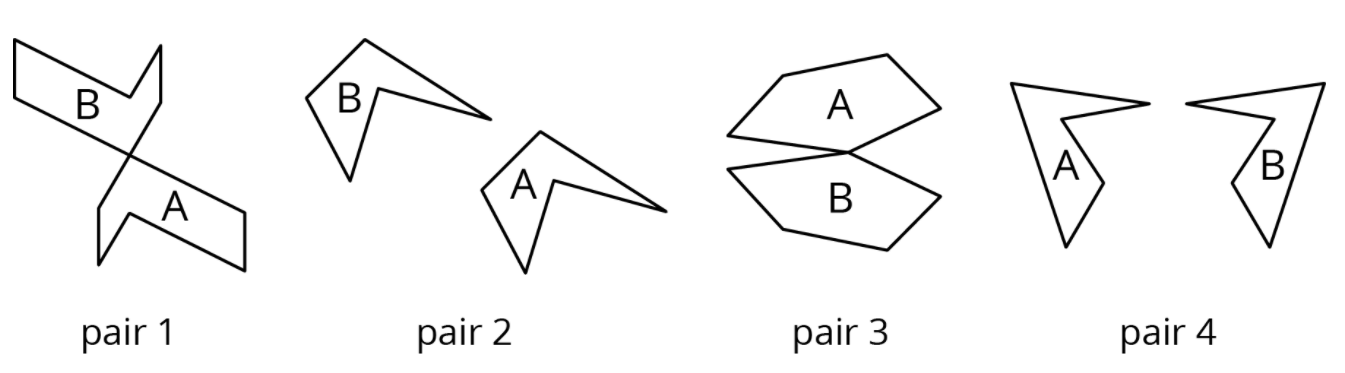
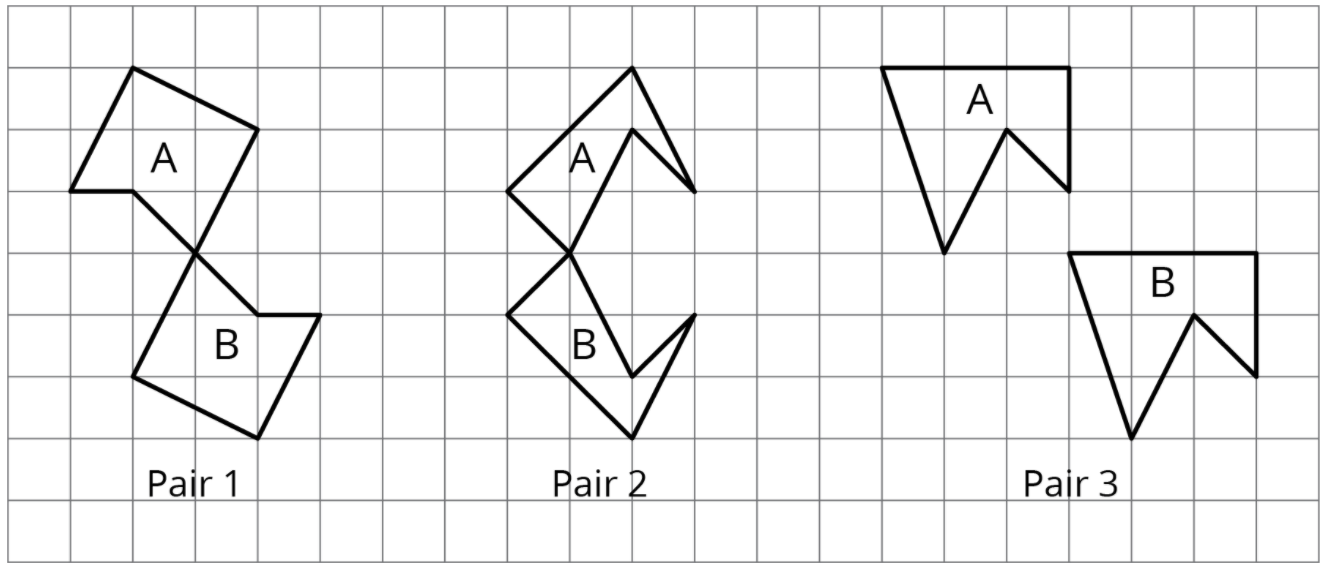
In which pair of figures can Figure A be taken to Figure B by a rotation?
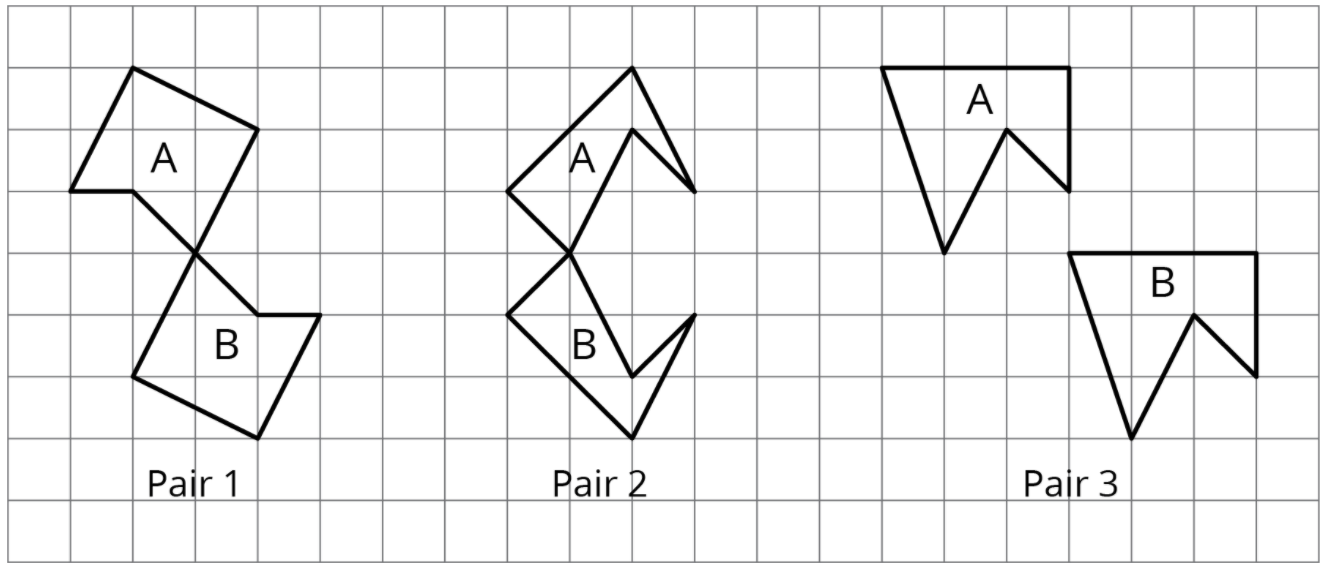
Which transformation takes Figure A to Figure B in Pair 1: a translation, rotation, or reflection?
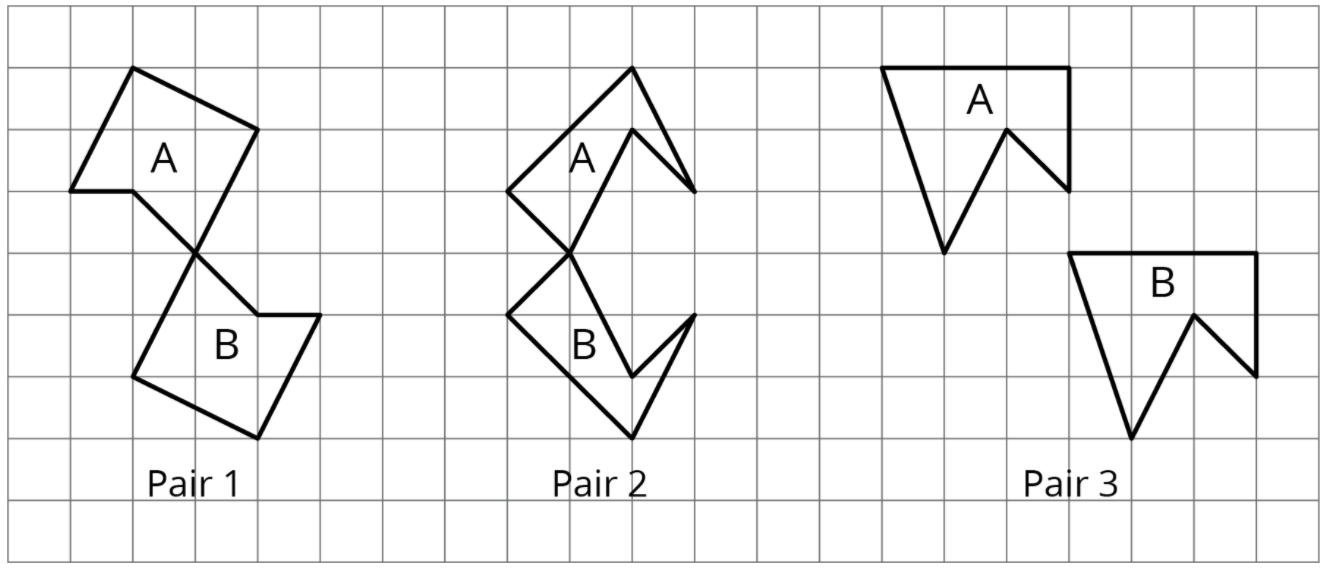
Which transformation takes Figure A to Figure B in Pair 2: a translation, rotation, or reflection?
Which transformation takes Figure A to Figure B in Pair 3: a translation, rotation, or reflection?
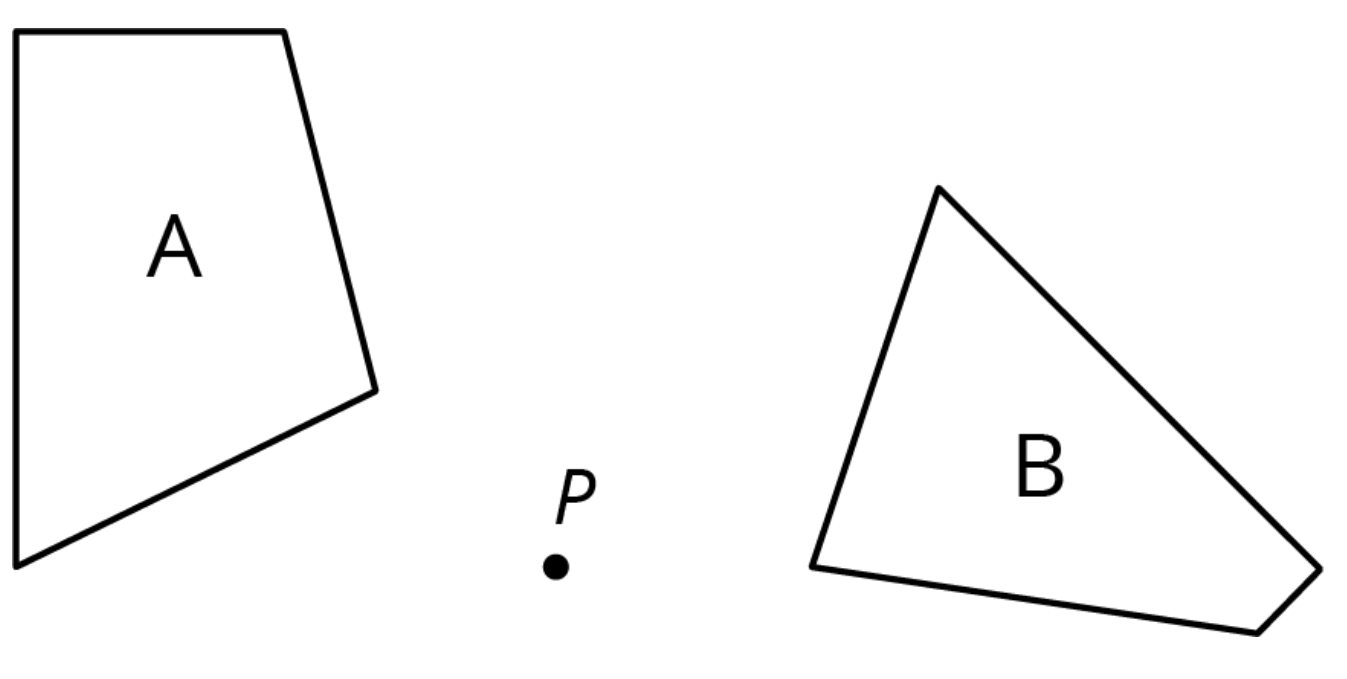
Explain why Figure B is not the image of Figure A after a rotation using center P.
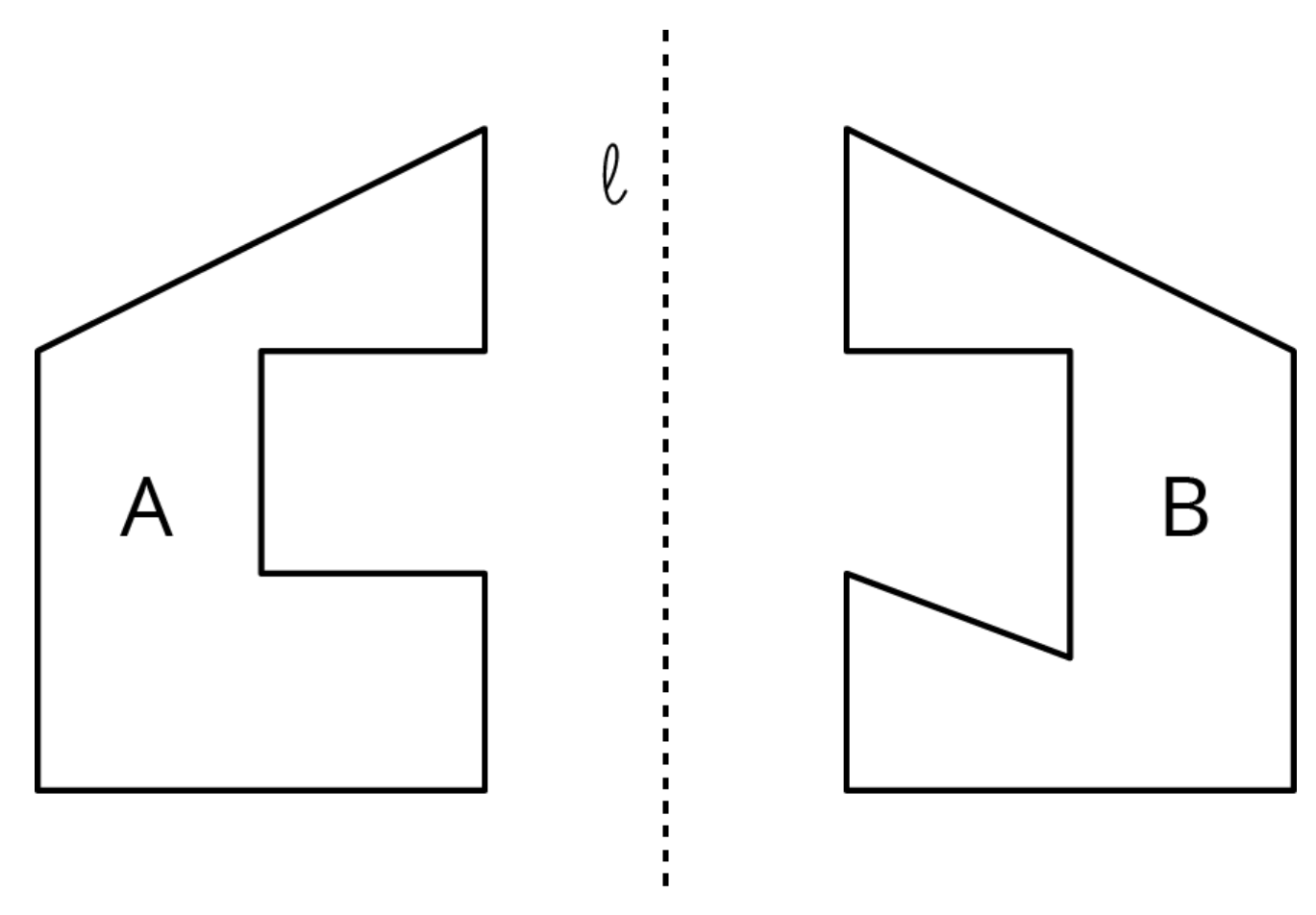
Explain why Figure B is not the image of Figure A after a reflection using line l.
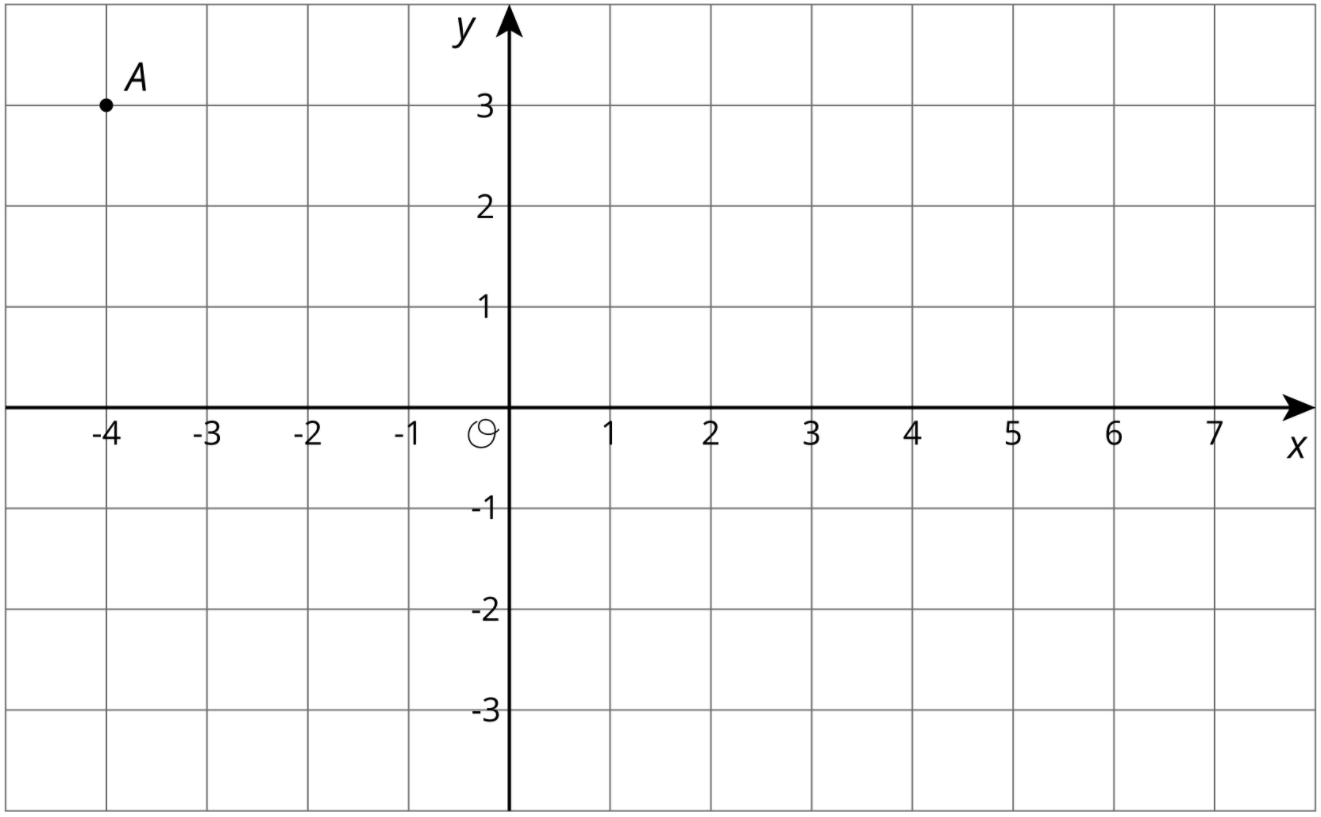
What are the coordinates of: Point B is the image of A after a rotation of 180 degrees using (0,0) as center.
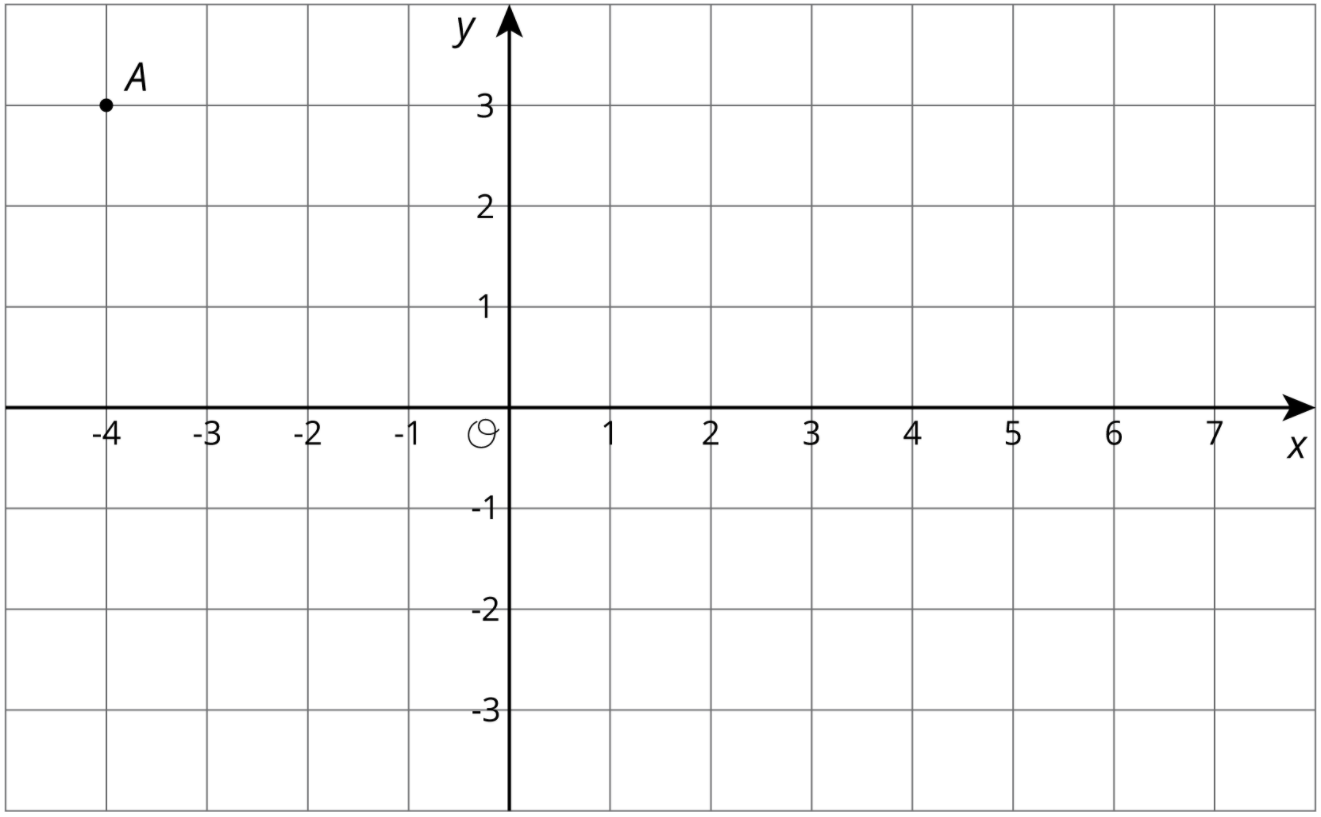
What are the coordinates of: Point C is the image of A after a translation two units to the right, then a reflection using the x-axis.
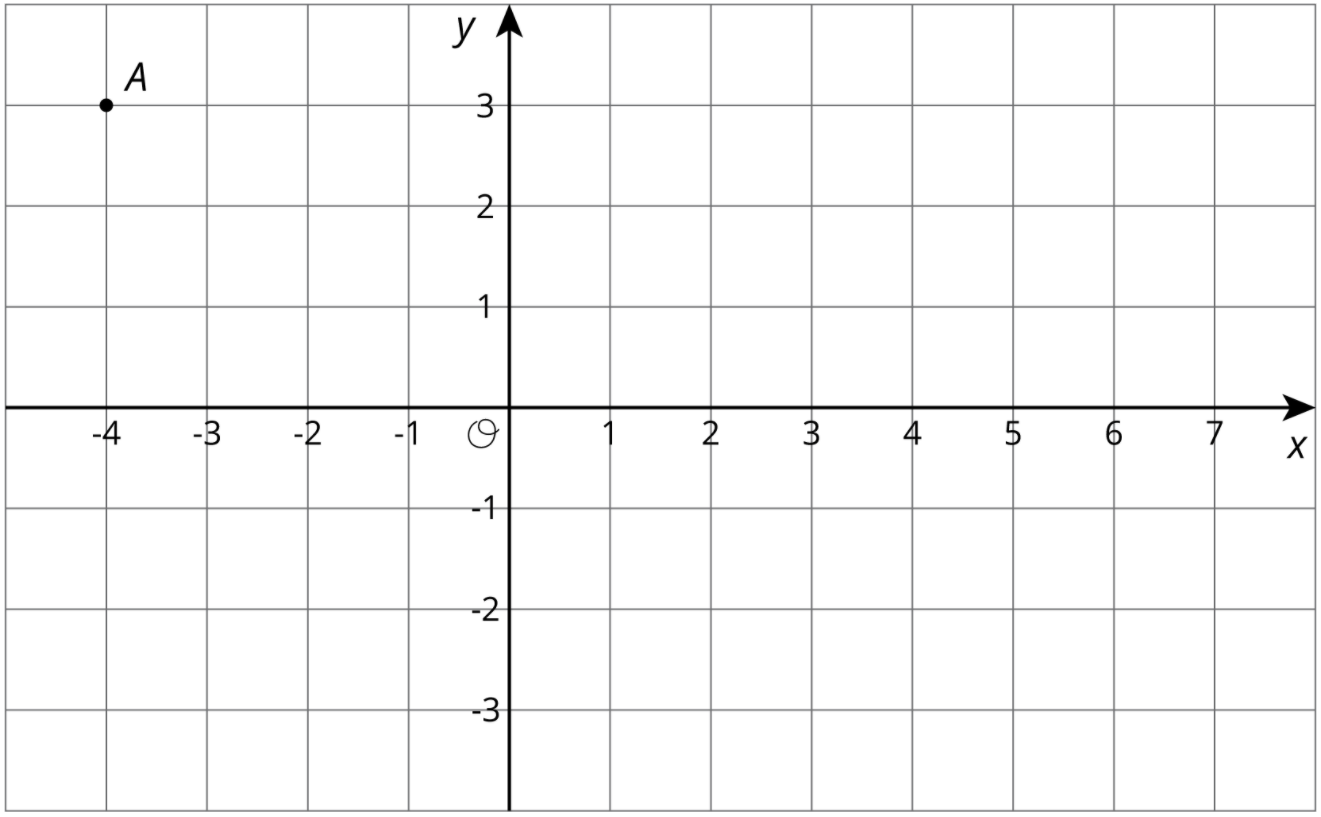
What are the coordinates of: Point D is the image of A after a reflection using the y-axis, then a translation 2 units to the right.
Draw the image of this figure under a 90 degree clockwise rotation using center P.
The figure on the left is reflected using line l to form the image on the right. Use the information in the original figure to label the corresponding parts in the image.