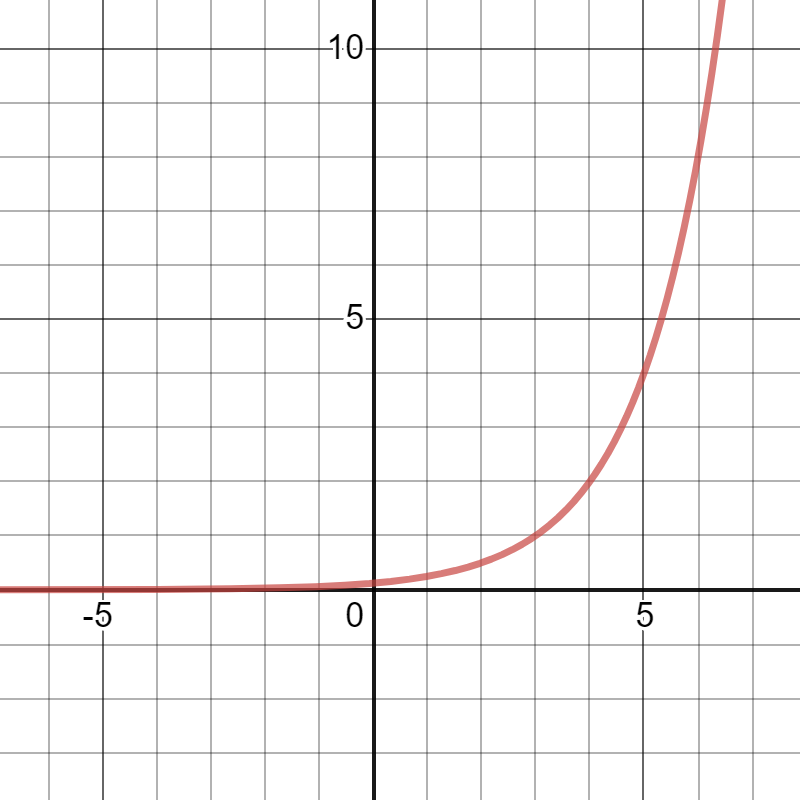
In the figure, the graphs of g(x) and h(x) are vertical translations of the graph of

Describe the following transformation:
Describe the following transformation:
Graph the two equations. Type the equations in their own separate boxes.
Describe the transformation made in #1 from f(x) to g(x).
Graph the two equations. Type the equations in their own separate boxes.
Describe the transformation made in #1 from f(x) to g(x).
Graph the two equations. Type the equations in their own separate boxes.
Describe the transformation made in #1 from f(x) to g(x).
In the figure, the graphs of g(x) and h(x) are vertical translations of the graph of
Write the equation for g(x).
Write the equation for h(x).
Without graphing, describe the transformation from the graph of f (x) = x 2 to the graph of g (x) = x 2 + 7.
Write a function that describes Ray's gym's total membershup fee for x months.
How do the fees at Gina's Gym compare to those at Ray's Gym?
Without graphing, describe how the graph of g(x) compares to the graph of f(x)
Without graphing, explain how the following two graphs are related.
The following graph shows a horizontal translation of the graph of f (x) = x. Write an equation to describe the graph.

The following graph shows a horizontal translation of the graph of f (x) = x. Write an equation to describe the graph.

The graph of f(x) = x 2 is translated 9 units down to create the graph of g (x). Which of the following is the equation for g (x)?
Caitlin drew the graph of f(x) = x 2. Then she translated the graph 6 units up to get the graph of g(x). Next, she translated the graph of g(x) 8 units down to get the graph of h(x). Which of these is an equation for h(x)?
Describe the transformation from f(x) to g(x).


Suppose f (x) = x − 4. Describe the transformation from the graph of f (x) to the graph of g (x) = x + 5.
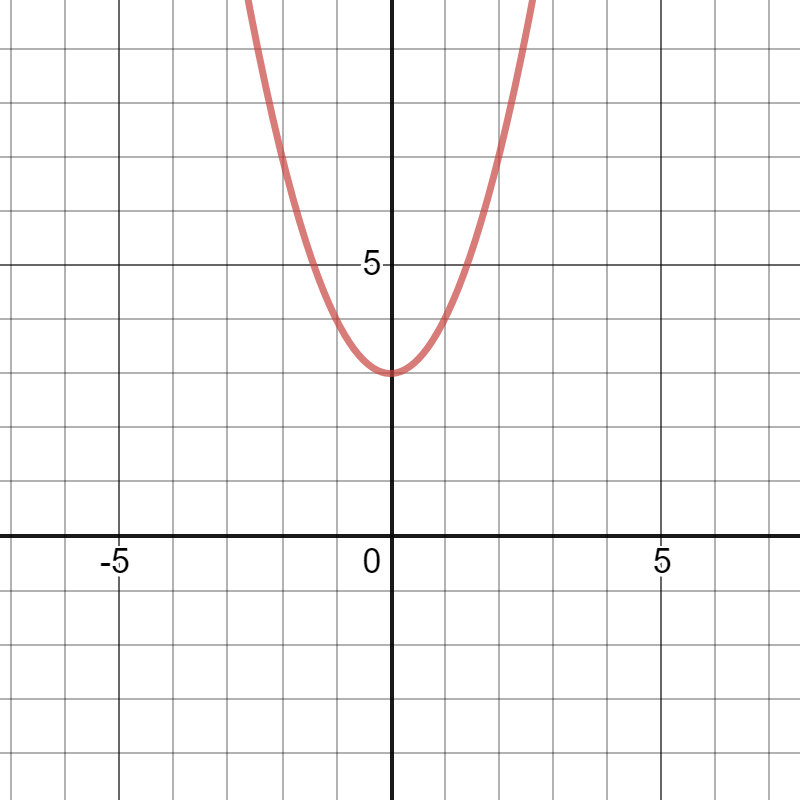
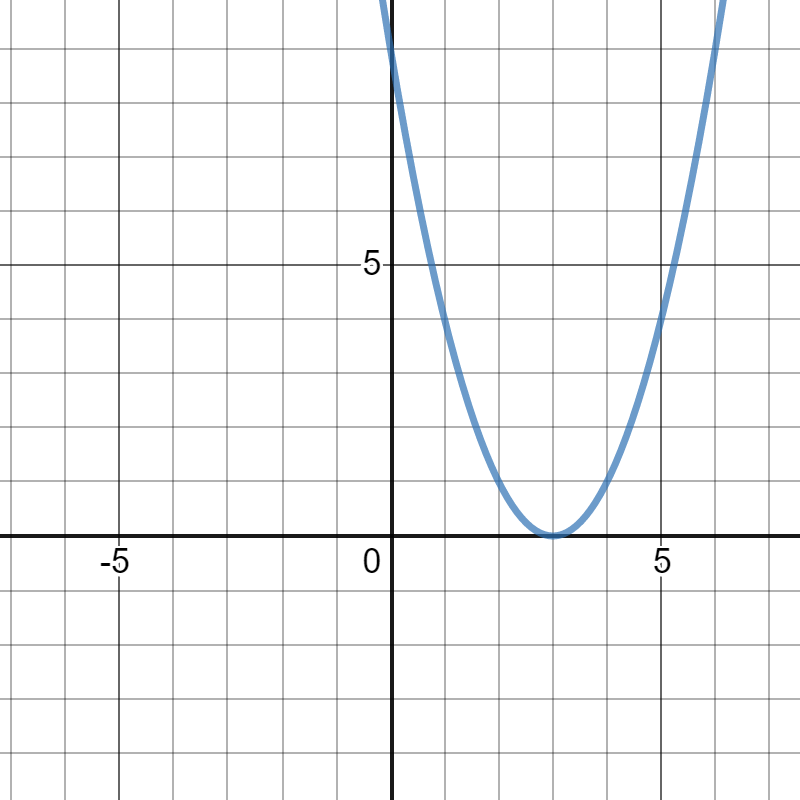
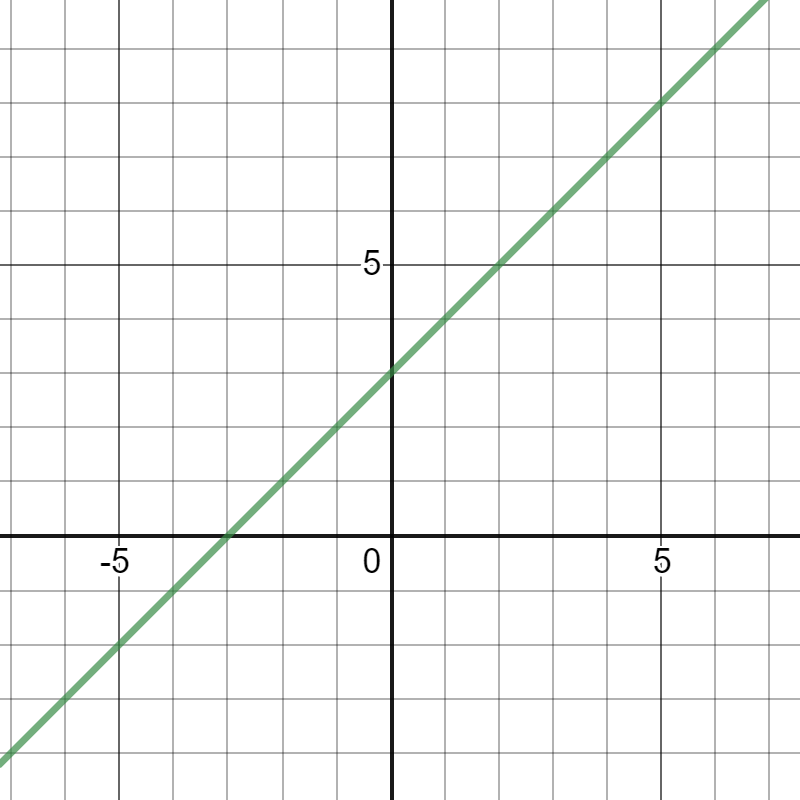
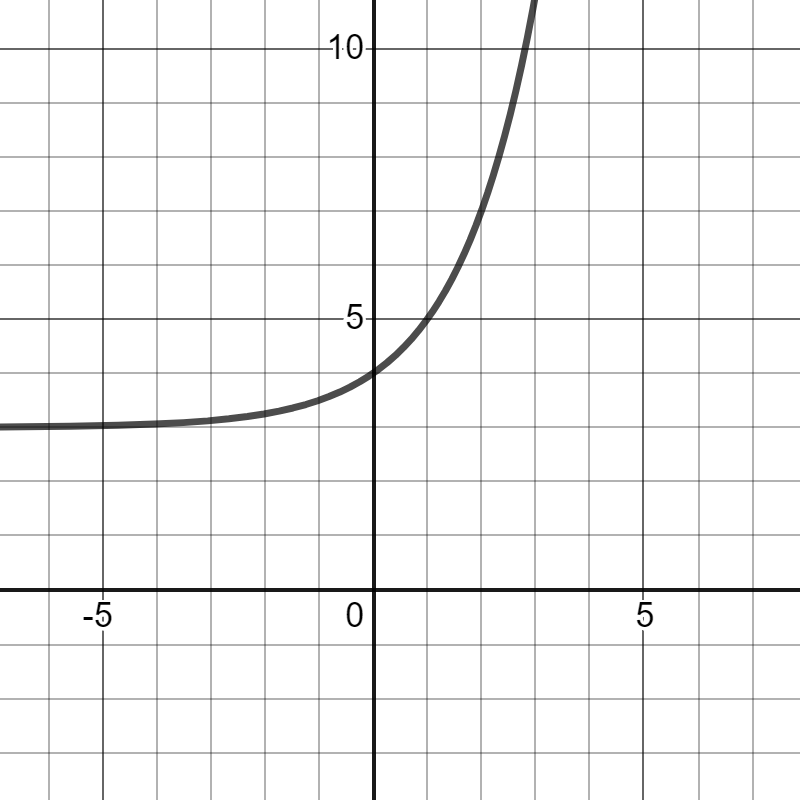
Match the equation to the graph of the transformation from the parent functions.
**Drag the equations to match the graphs. Or select an equation and click on the arrow to move it to that graph
| Draggable item | arrow_right_alt | Corresponding Item |
|---|---|---|
| arrow_right_alt |
| |
| arrow_right_alt |
| |
| arrow_right_alt |
| |
| arrow_right_alt |
| |
| arrow_right_alt |
| |
| arrow_right_alt |
|