J.J. Thomson
John Dalton
Niels Bohr
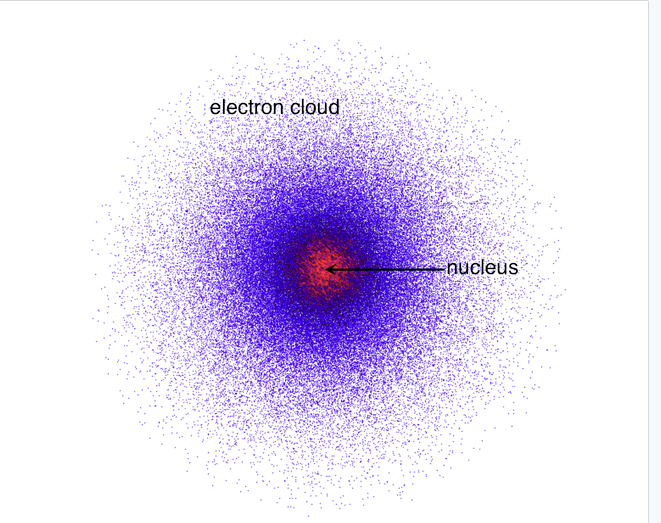
Schrodinger, Einstein, and others
Ernest Rutherford
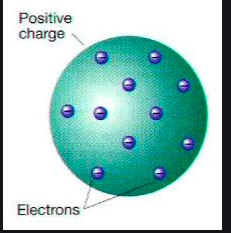
Plum Pudding model
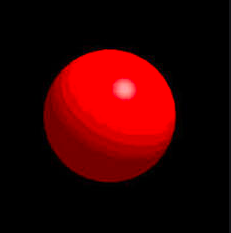
Billiard Ball model
Planetary, or nuclear model


The Ion Charge Determines the Number of Which Subatomic Particle?
_______________ discovered the electron using a ____________________;
The first person to suggest the existence of atoms was _______________.
By using the gold foil experiment and directing positively charged alpha particles at the foil, Ernest Rutherford discovered the ________________.
While studying Ernest Rutherford's work, _______________ realized that there was another particle in the nucleus, that he later named the neutron.
Match the particle with its charge.
| Draggable item | arrow_right_alt | Corresponding Item |
|---|---|---|
Electron | arrow_right_alt | Positive |
Proton | arrow_right_alt | neutral |
Neutron | arrow_right_alt | negative |
Which of the following is the sum of the protons and neutrons in an atom?
Lithium, a highly reactive metal, has an atomic number of _________.
Determine the mass number of an atom that has 9 protons and 8 neutrons.
J.J. Thomson
John Dalton
Niels Bohr
Schrodinger, Einstein, and others
Ernest Rutherford
Plum Pudding model
Billiard Ball model
Planetary, or nuclear model
Isotopes are atoms of the same element with different ______________.
All elements are electrically ______________ because they have an equal number of protons and neutrons.
The ___________ model of the atom arrange electrons in orbits or specific paths around the nucleus.
Match the scientist with his experiment.
| Draggable item | arrow_right_alt | Corresponding Item |
|---|---|---|
Erwin Schrodinger | arrow_right_alt | Gold foil experiment |
James Chadwick | arrow_right_alt | Cathode Ray Tube |
Ernest Rutherford | arrow_right_alt | Oil Drop experiment |
Robert Millikan | arrow_right_alt | Neutron discovery |
J.J. Thomson | arrow_right_alt | Quantum theory discovery |
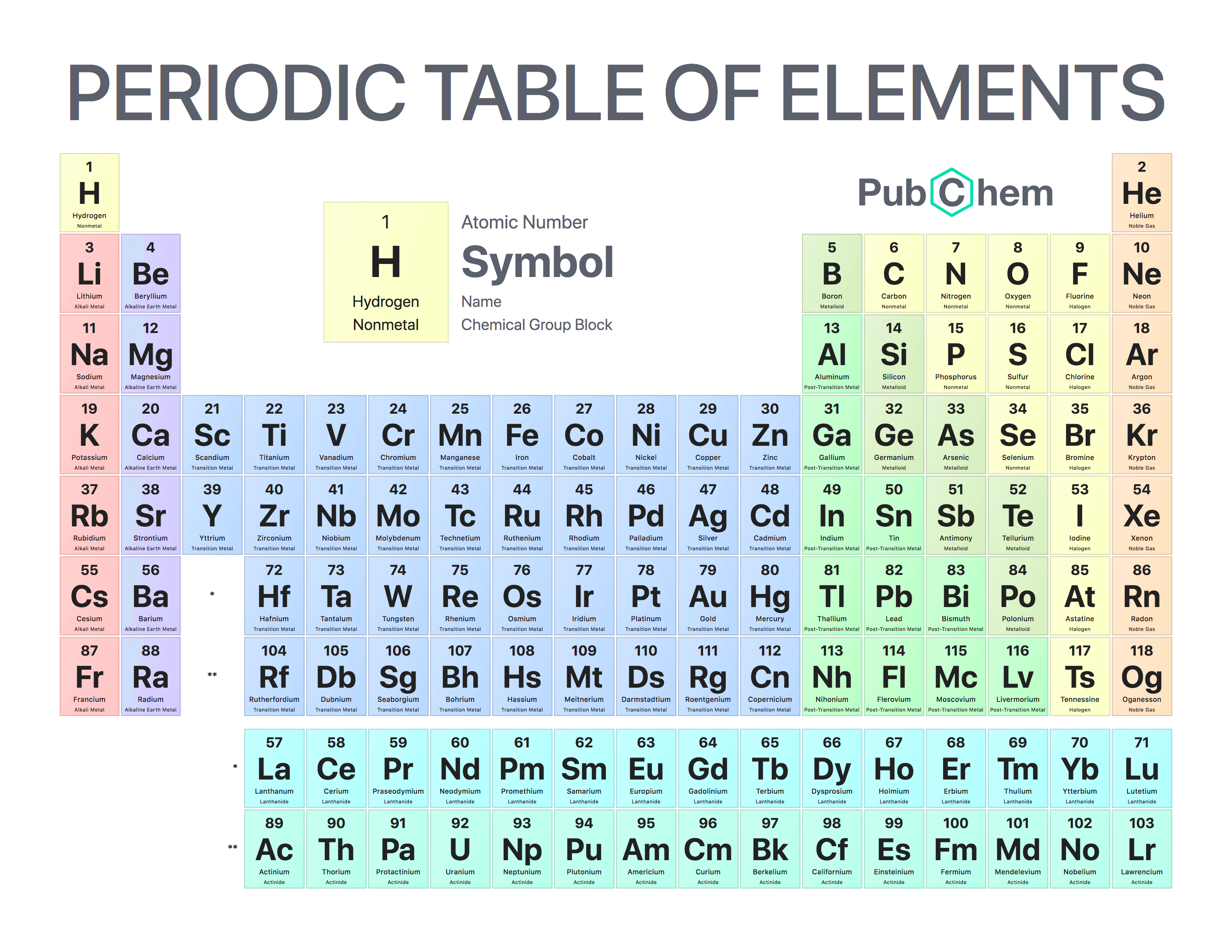
This is the scientist given the credit for the formation of the periodic table:
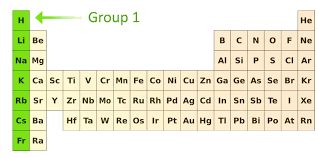
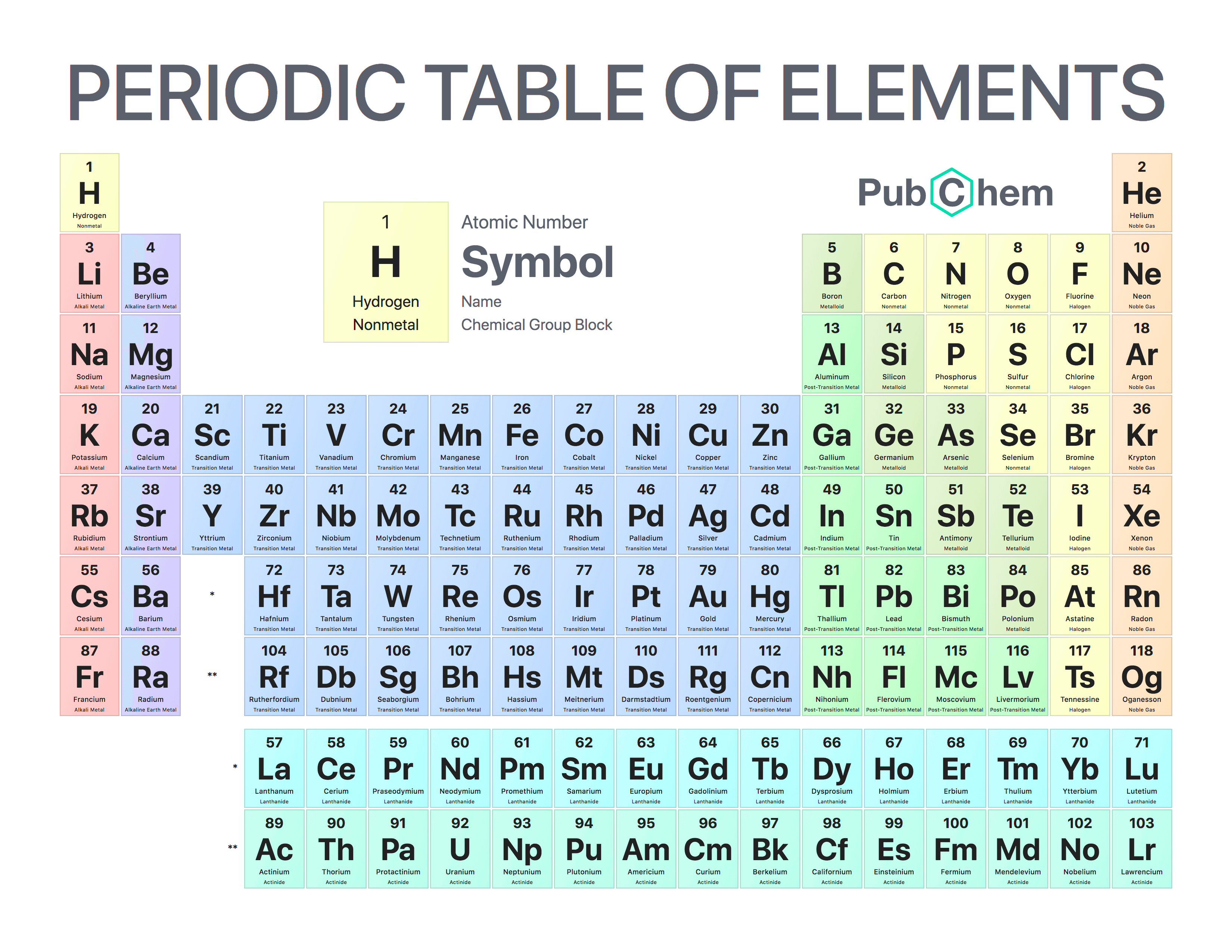
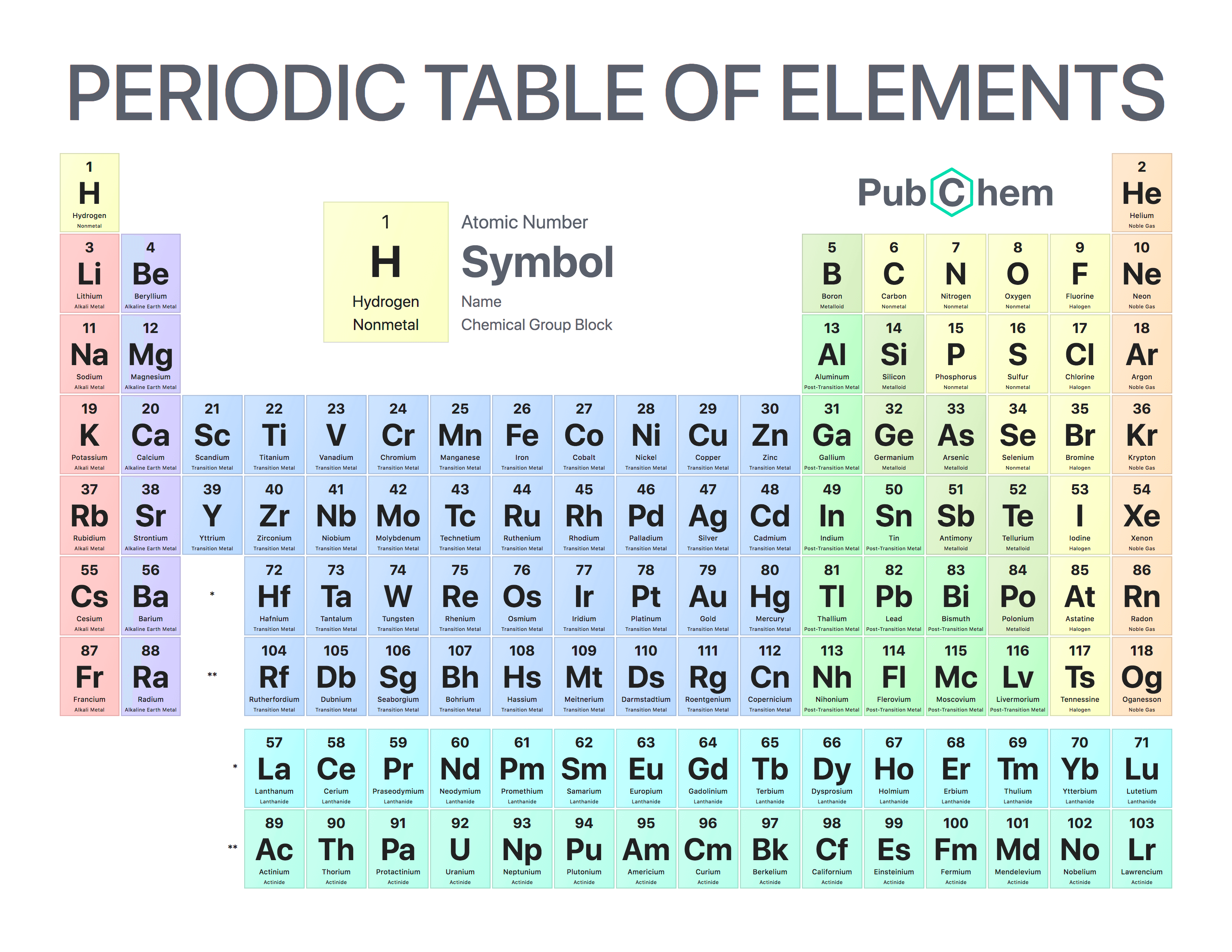
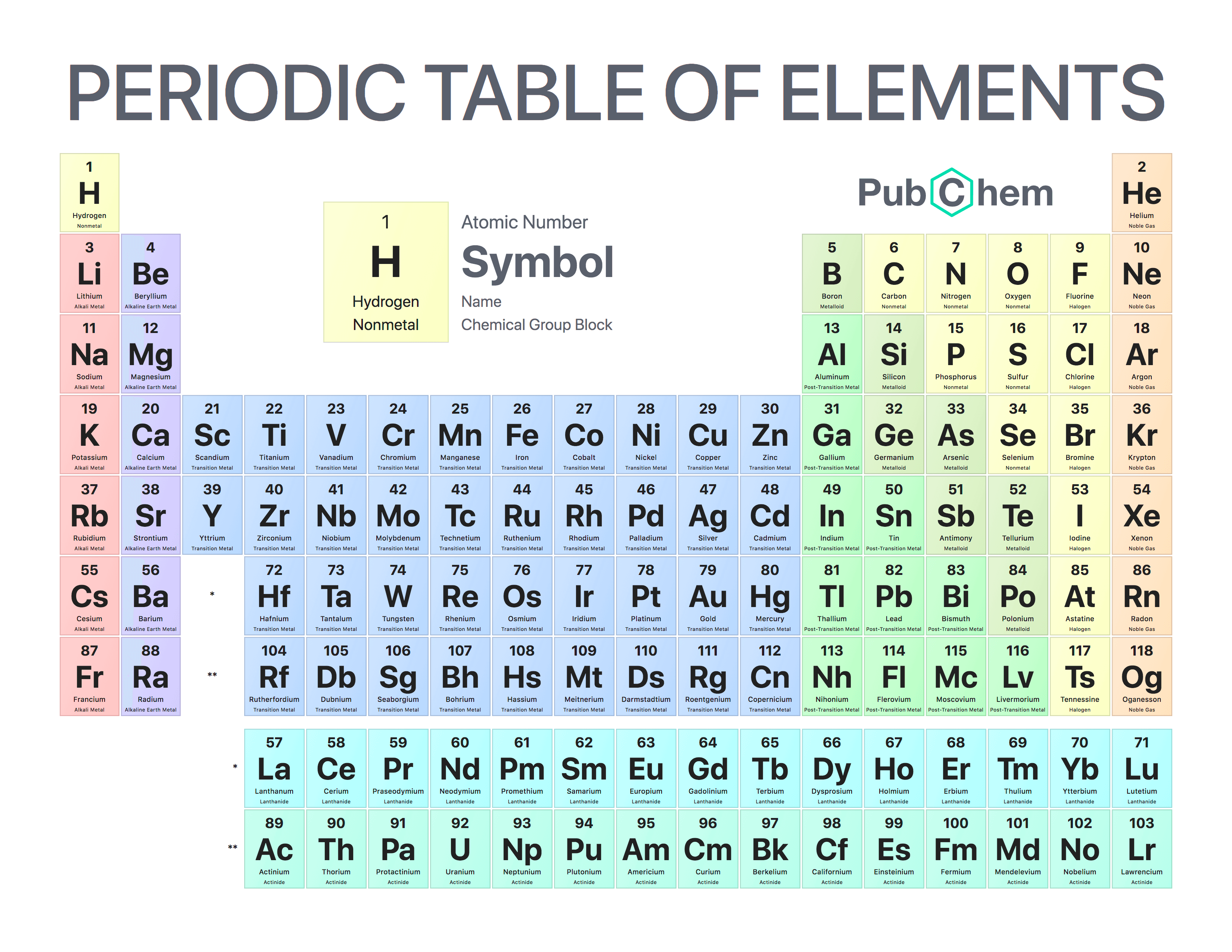
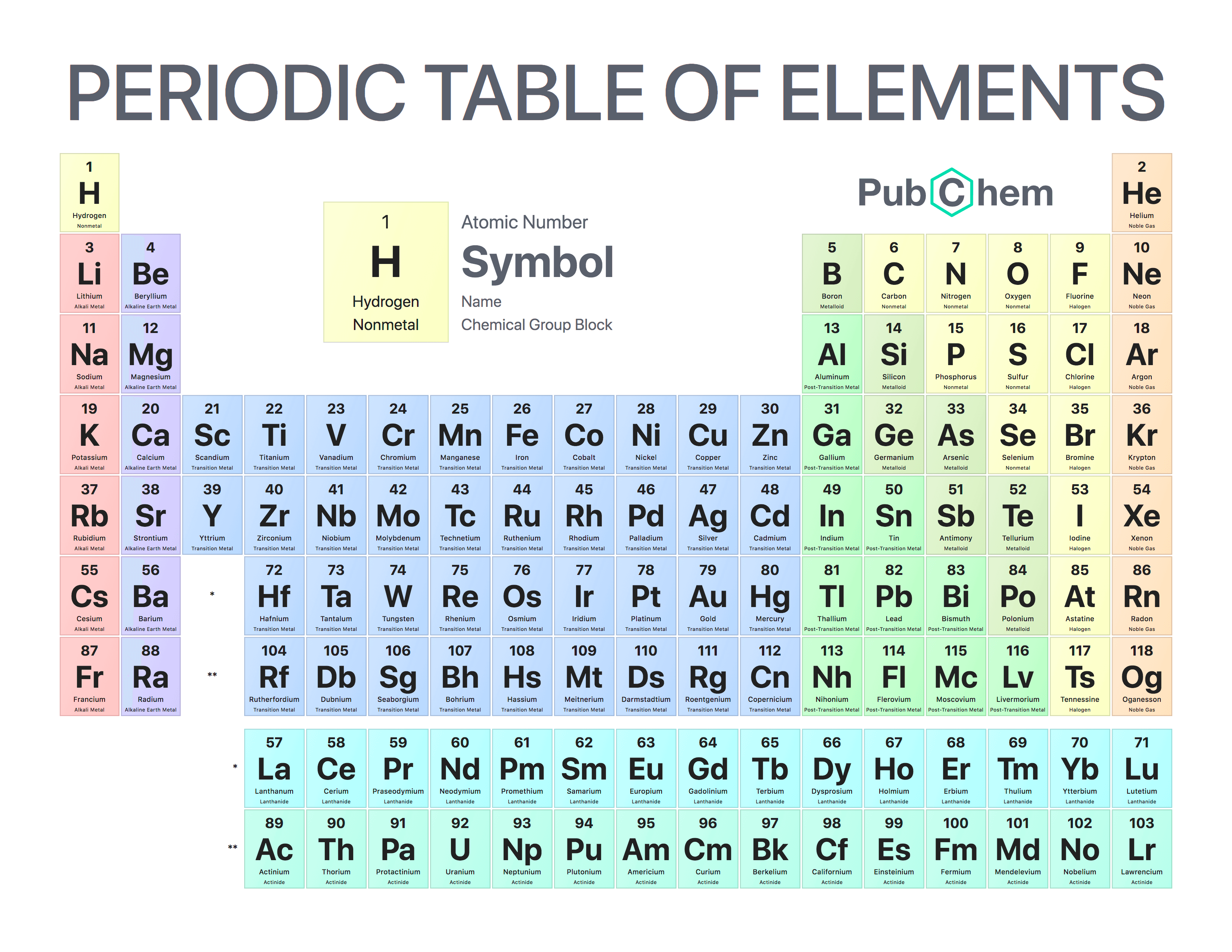
What is the name of this group on the periodic table?
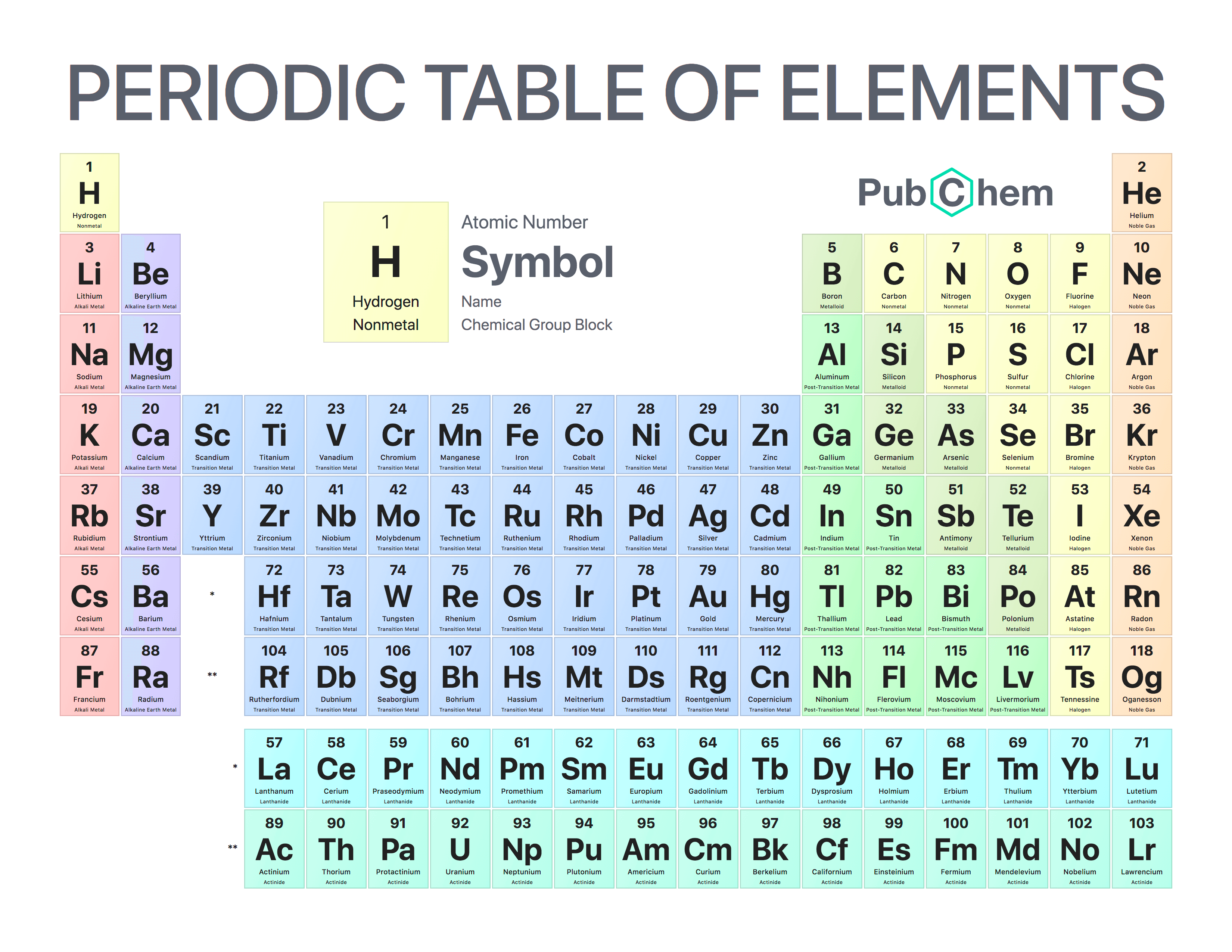
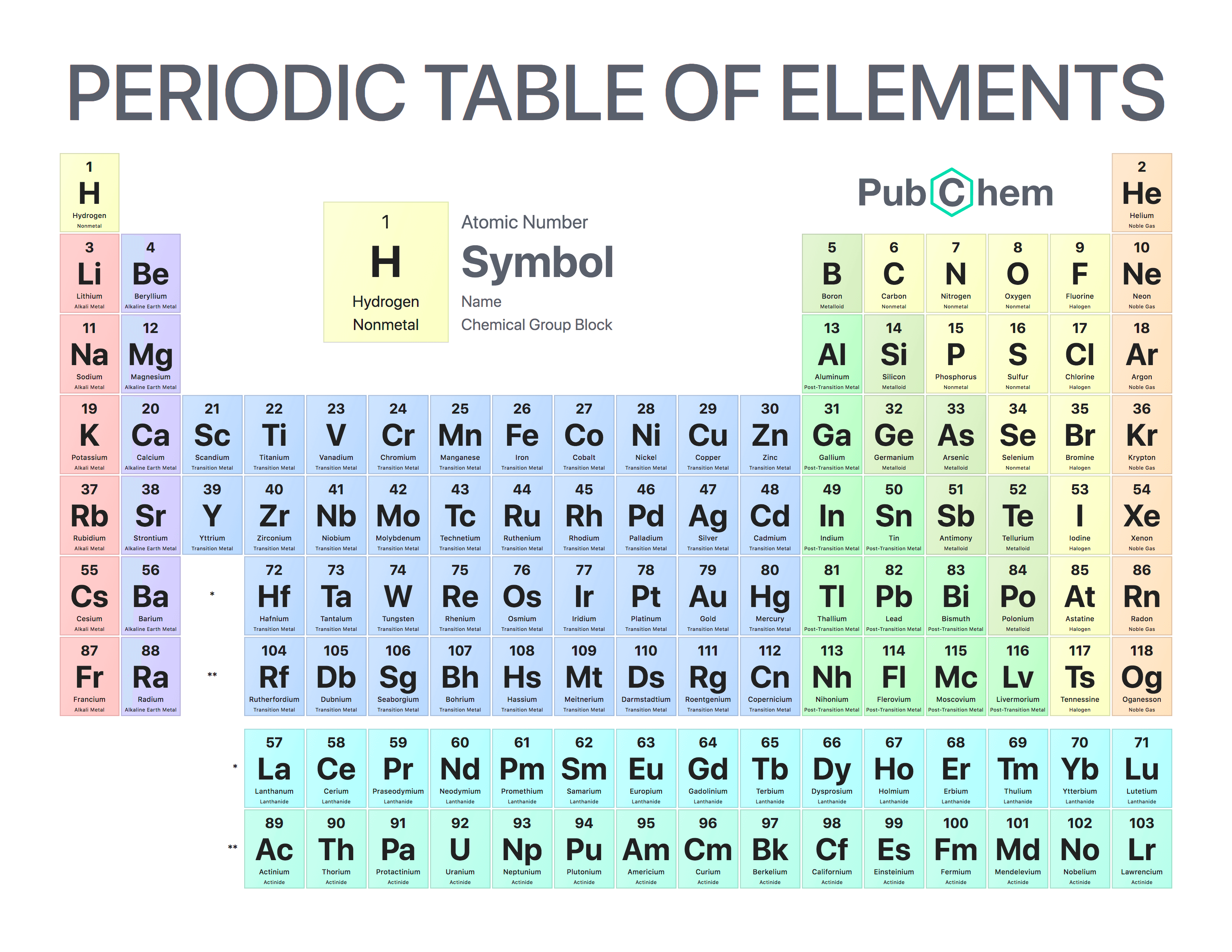
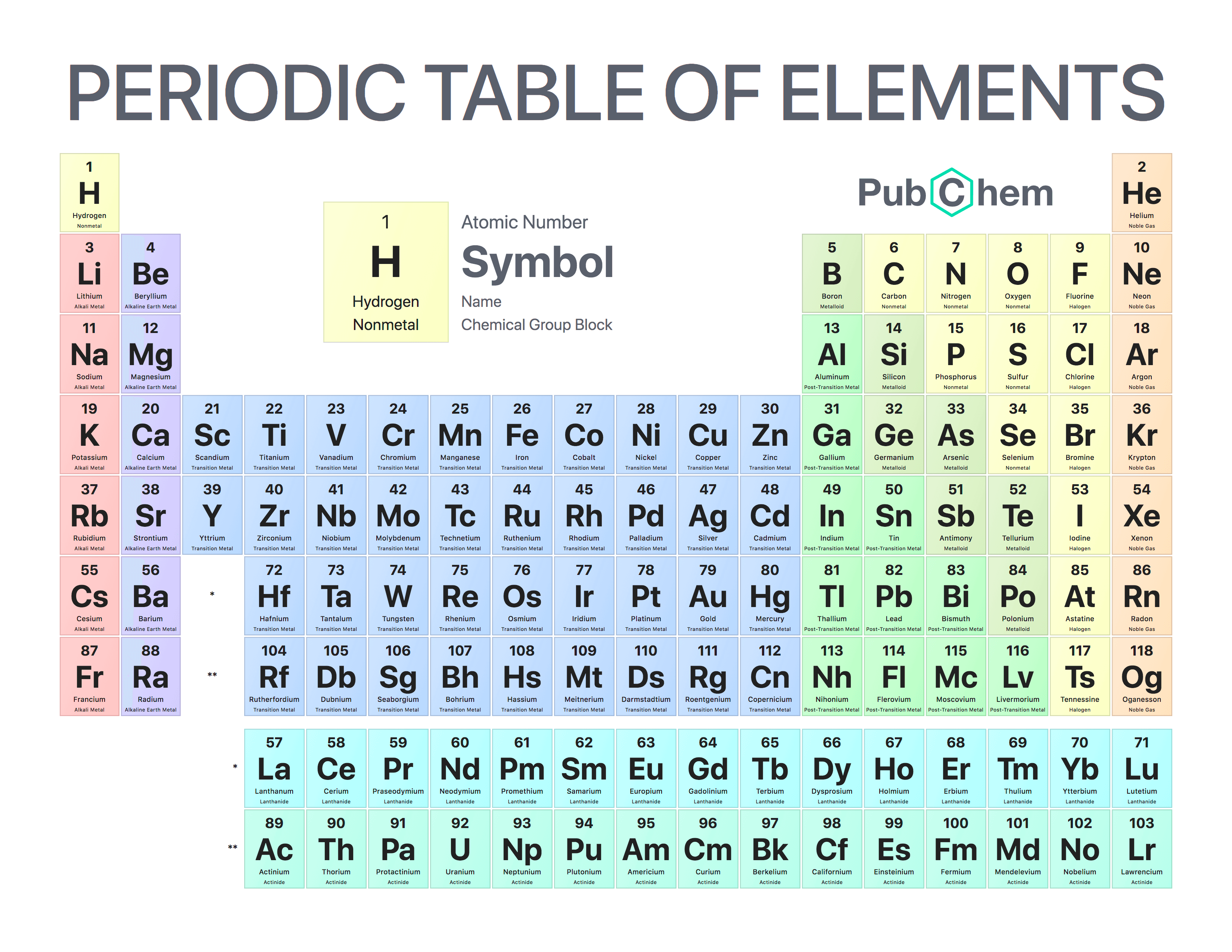
What is the name of the group highlighted in lilac?
What is the name of the group highlighted in orange?
What are the two rows of elements at the bottom of the chart called (the general name for both rows)?
The elements highlighted in blue are known as what? They bridge the gap between group 2A and 3A.
Can you name two transition metals?
What percentage (roughly) of the elements are nonmetals?
What is the name of the group 7A (left of the nonreactive gases on the far right)?
The elements arranged on the stair-step line between the metals and non-metals are called what? (Olive green in this picture)
Bonus: Name the two elements that are liquid at room temperature.
Can you name two metalloids?
Name two elements that are solids at room temperature.
Name two elements that are gases at room temperature.
The Atomic Number of an Element Determines the Number of Which Subatomic Particle?
Describe 2 properties of Alkali metals (can be chemical or physical)
The Ion Charge Determines the Number of Which Subatomic Particle?
All the atoms of the same element are identical
Bonus: What makes Noble Gases unique?
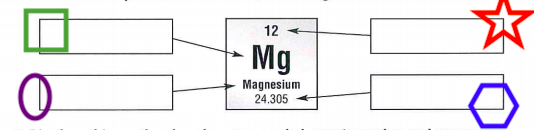
| Draggable item | arrow_right_alt | Corresponding Item |
|---|---|---|
blue hexagon | arrow_right_alt | element symbol |
Green square | arrow_right_alt | element name |
purple oval | arrow_right_alt | atomic number |
red star | arrow_right_alt | mass number |