Week 4: GoFormative #1 H.
star
star
star
star
star
Last updated almost 6 years ago
21 Nsɛmmisa
Hyɛ no nsow a efi ɔkyerɛwfo no hɔ:
Rhyme in poetry. Simple and complete subjects
1
1
1
1
1
1
1
1
Rhyme in poetry. Simple and complete subjects
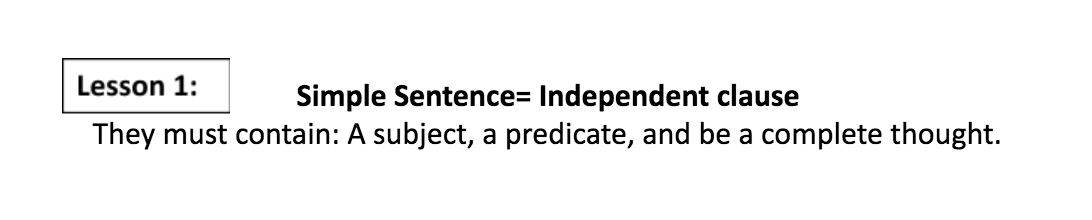
What is another name for a simple sentence? See above lesson #1
What are the three requirements for an independent clause. See above lesson #1
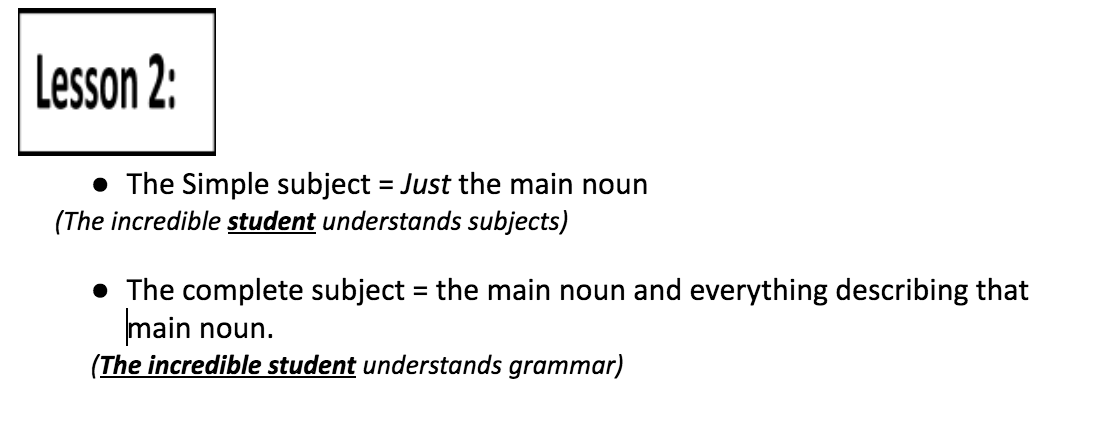
What is the simple subject? See above lesson #2.
What is the complete subject? See above lesson #2.
What is the simple subject in the example? See above lesson #2 (note, it is bolded for you)
What is the complete subject in the example? See above lesson #2 (note, it is bolded for you)
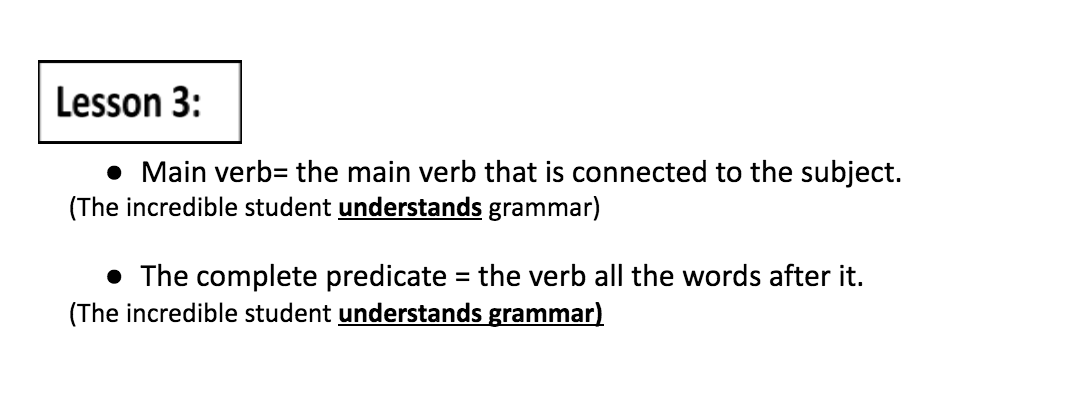
What is the main verb always connected to? See above lesson #3
What is the predicate? What does that crazy word mean? See above lesson #3
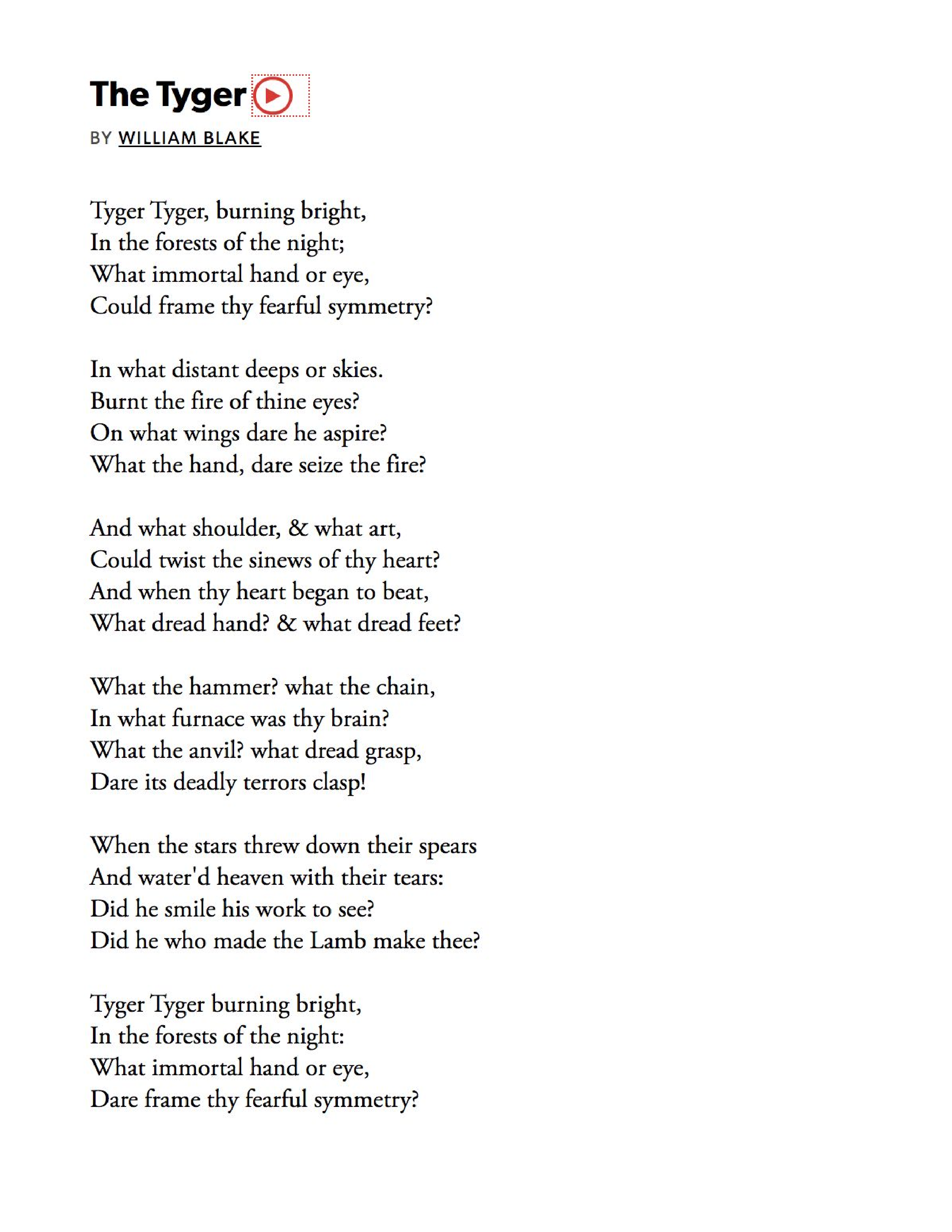
"Immortal" refers to a god, or something that doesn't die. "Symmetry" has several meanings, but here it means pleasing to the eye. In your own words, what question is the speaker aking here?
In stanzas 2 and 3 (stanzas are paragraphs for poems) the speaker continues to ask the same question as you answered in question 9. However, the speaker gets more specific in terms of parts of Tyger. In your own words, what specifically do you think the speaker is asking here?
Look up the word "anvil". What is it and who uses it?
Based on your answer to question 11, who is the speaker comparing to the tyger's creator?
The speaker begins to ask new questions. In your own words, what do you think the speaker is questioning in the last two lines of this stanza?
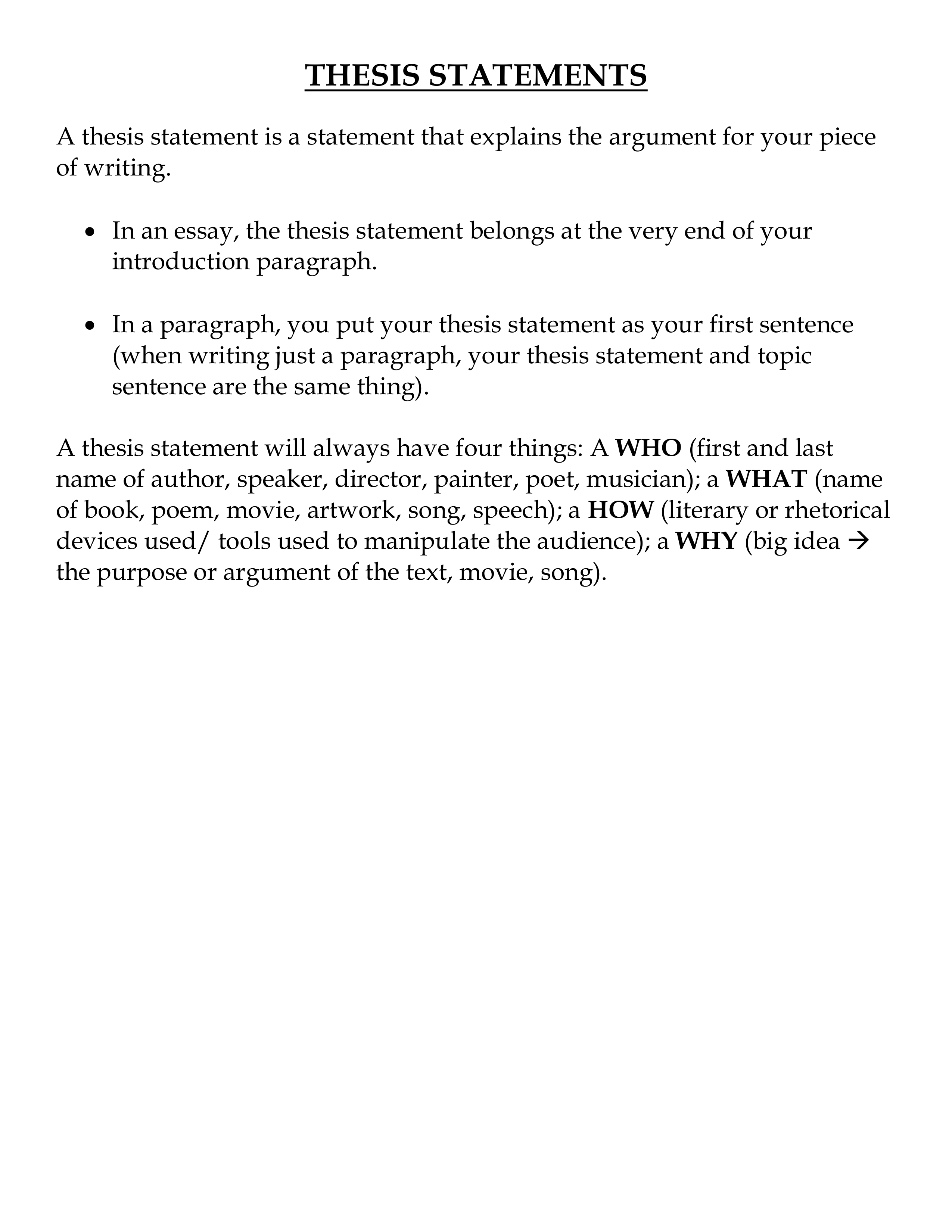
What does a thesis statement do
Where does a thesis go in a full essay?
When we are only writing a paragraph (when we aren't writing an introduction paragraph), where does our thesis go?
What four things must your thesis have?
Which is an example of a WHO
Which is NOT an example of a "WHAT"?
What is the "HOW"?
What is the WHY?