PPS Sci6-8. Analyzing the Rise of Wildfires

Last updated about 5 years ago
20 questions
Note from the author:
This formative was based on the lesson plan called Analyzing the Rise of US Wildfires. (https://ourclimateourfuture.org/wp-content/uploads/2018/03/ACE-Analyzing-Rise-of-US-Wildfires-Lesson-Plan.pdf). It is meant to be a supplemental lesson so teachers can tie real-time science to the classroom.
Analyzing the Rise of U.S. Wildfires

Introduction
Most wildfires are naturally occurring and many ecosystems benefit from the natural cycles of forest fires. Burned forests eventually decompose, replenishing the soil with nutrients that allow for new species to grow. Certain plants, such as the Giant Sequoia trees of the Redwood forests, even depend on fires to reproduce. However, man-made changes in Earth’s climate have created hotter and drier fire environments, leading to larger wildfires and longer fire seasons.

Vocabulary
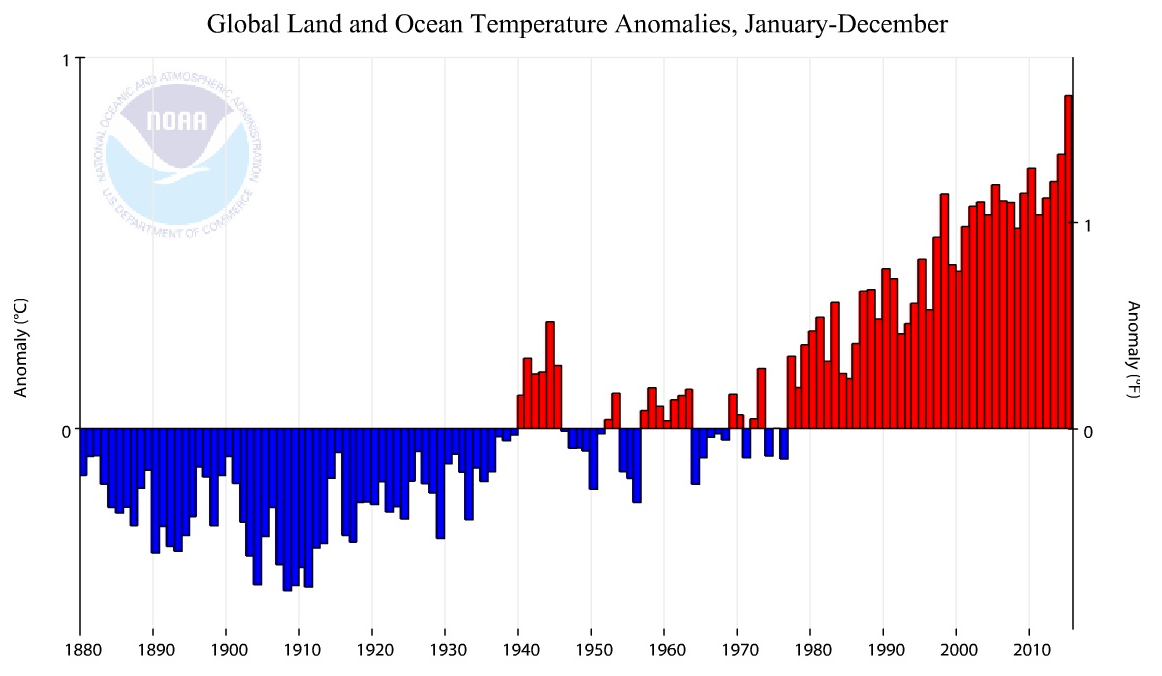
Temperature Anomaly: the difference from a long-term average or reference value. A positive anomaly indicates that the observed temperature was warmer than the reference value, while a negative anomaly indicates that the observed temperature was cooler than the reference value.

Below is a graph of the Global Land and Ocean Temperature Anomolies from 1880 to 2015.
1

What pattern do you notice in the global temperature anamoly graph? Use words/arrows to support the pattern you decribe.

1

What are different factors you observe to be the cause of wildfires in this video?

1

How did the recent fires in Oregon impact you and your family?

Graphing Activity
1

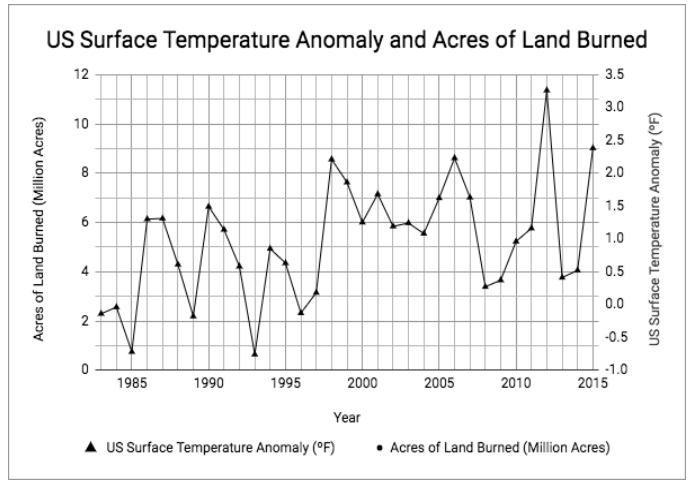
In what four years did the US experience the largest temperature anomaly above normal since 1983? How many degrees above normal did the US experience in those years?

1

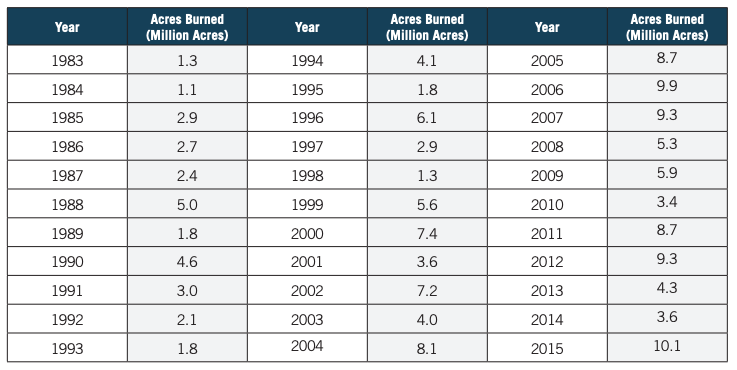
Referring to the data table above that shows how many millions of acres were burned in the United States between 1983 and 2015. In what four years did the US experience the largest amount of land burned from wildfires? How many acres of land were burned in those years?

1

Procedure
  • Using the data in Data Table 1, graph the Acres of Land Burned in the years 1983 to 2015.
  • Note: Data on the US Surface Temperature from 1983 to 2015 is already plotted on this graph. Your graph will overlay the existing data.

1

There are three variables in this double y-axis graph. What are the dependent variable(s)?

1

There are three variables in this double y-axis graph. What are the independent variable(s)?

1

What is one advantage of using double y-axis graphs?

1

What overall pattern in the data do you see between US Surface Temperature Anomaly and Acres of Land Burned (Millions of Acres) on the graph that you created? Use words and arrows to explain the patterns that you see.

1

Based on the trends you see in the graphs, what do you expect to happen to the overall amount of land burned by wildfires in the US in the future?

Is Global Warming Fueling Increased Wildfire Risks?
The effects of global warming on temperature, precipitation levels, and soil moisture are turning many of our forests into kindling during wildfire season. As the climate warms, moisture and precipitation levels are changing, with wet areas becoming wetter and dry areas becoming drier. Higher spring and summer temperatures and earlier spring snow-melt typically cause soils to be drier for longer, increasing the likelihood of drought and a longer wildfire season, particularly in the western United States. These hot, dry conditions also increase the likelihood that, once wildfires are started by lightning strikes or human error, they will be more intense and long-burning.
1

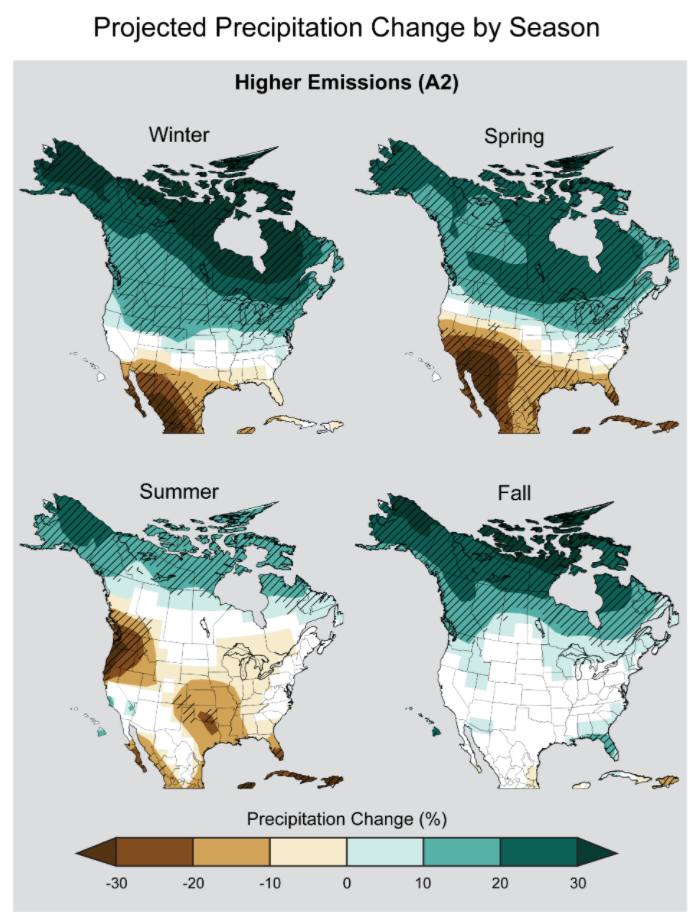
In the future, what season do scientist predict that Oregon will see less rain?

1

For the season that Oregon will see less rain, what is the percent of preciptiation change we might see?

1

In what season will the entire state see more rain? What is the percent of precipitation change we might see?

Why do drier summers increase the risk of wildfire?
Many regions of the United States are expected to see an increase in precipitation during the winter months, and a decrease in precipitation during the summer months. Warmer temperatures speed the rate of evaporation, which decreases soil moisture and water availability. As a result, drought conditions will become more common. This, in turn, stresses ecosystems and increases the likelihood of wildfire. Droughts also negatively impact agricultural production.

There are More Fires
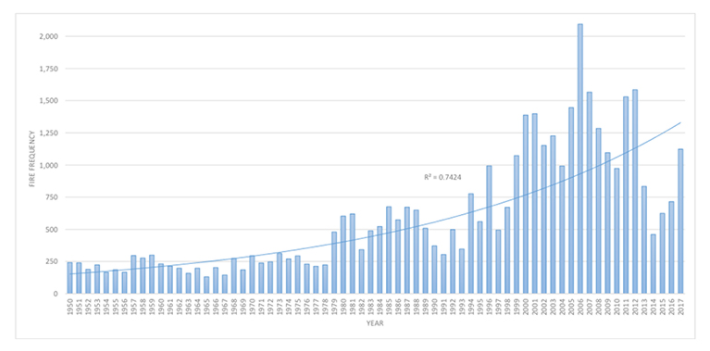
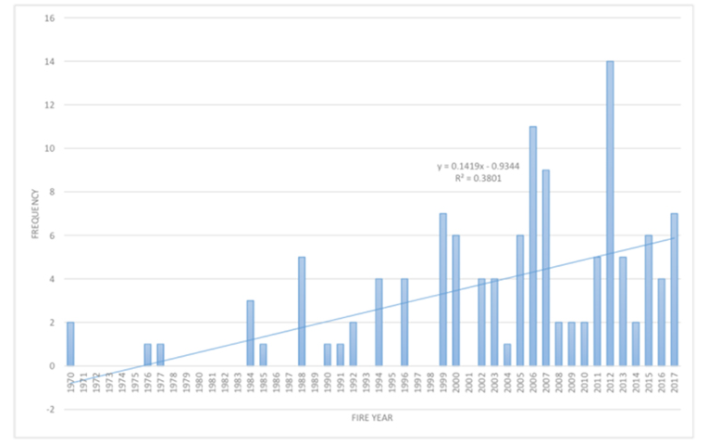
Over the past six decades, there has been a steady increase in the number of fires in the western U.S. In fact, the majority of western fires—61 percent—have occurred since 2000 (shown in the graph below).

And those fires are larger.

Those fires are also burning more acres of land. The average annual amount of acres burned has been steadily increasing since 1950. The number of megafires—fires that burn more than 100,000 acres (156 square miles)—has increased in the past two decades. In fact, no documented megafires occurred before 1970.
1

What evidence do you see in the two graphs above to support the claim that the number of wildfires and the size of wildfires vary from year to year?

What is the relationship between precipitation patterns, global warming, and wildfires?
While severe wildfires have been observed to occur more frequently and this trend is projected to continue throughout the 21st century, it is worth noting that not every year has an equal likelihood of experiencing droughts or wildfires. Natural, cyclical weather occurrences, such as El Niño events, also affect the likelihood of wildfires by affecting levels of precipitation and moisture and lead to year-by-year variability in the potential for drought and wildfires regionally. Nonetheless, because temperatures and precipitation levels are projected to alter further over the course of this century, the overall potential for wildfires in the United States, especially the southern states, is likely to increase as well.
1

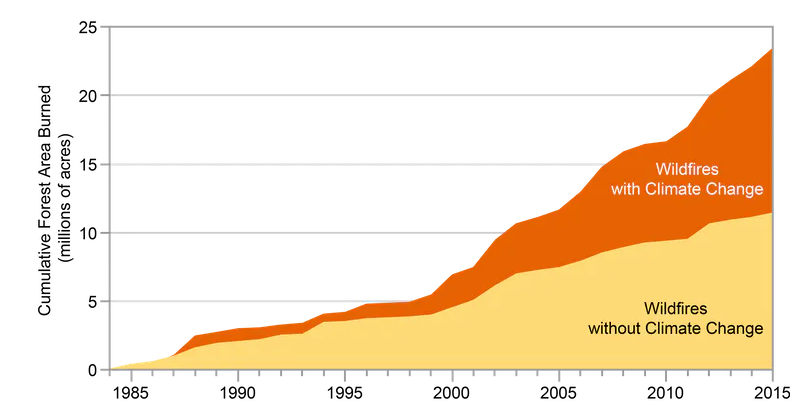
How is climate change is impacting the amount of forest area that has burned with and without climate change?

A conflagration of costs
The economic costs of wildfires can be crippling. Between 2000 and 2009, the property damages from wildfires averaged $665 million per year. In addition to the property damage they wreak, wildfires cost states and the federal government millions in fire-suppression management; the U.S. Forest Service’s yearly fire-suppression costs have exceeded $1 billion dollars nine times since FY 2000.
1

Between the years 1985 and 2015, how many years has the cost of wildfires cost $800,000,000 ($800 million) or more?

Environmental and Health Costs

The environmental and health costs of wildfires are also considerable: not only do wildfires threaten lives directly, but they have the potential to increase local air pollution— exacerbating lung diseases and causing breathing difficulties even in healthy individuals.
1

What are 3 possible health effects of wildfires?

What can we do to address the threat of wildfires?
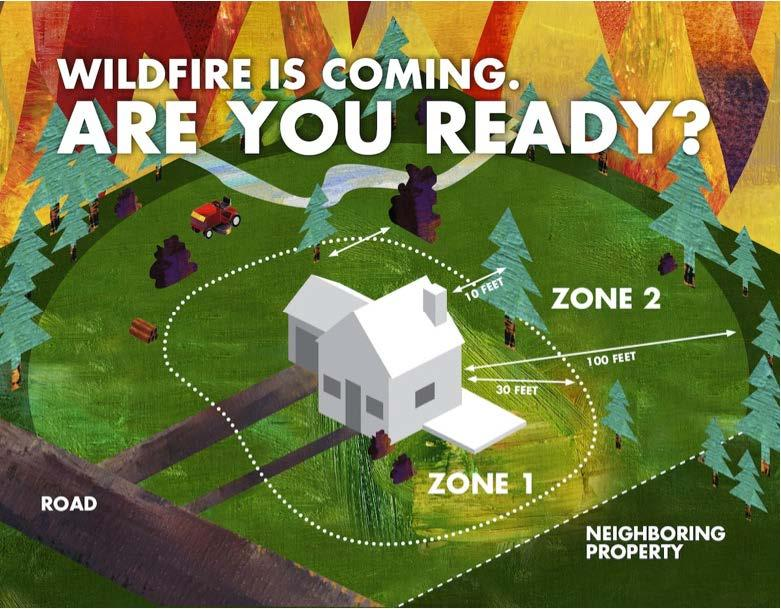
The global temperature is increasing and the climate is changing due to the greenhouse-gas emissions we have already produced, leading to a likely rise in the incidence of wildfires. But it is not too late. What we do now has the power to influence the frequency and severity of these fires and their effects on us. By engaging in mitigation efforts—creating buffer zones between human habitation and susceptible forests, and meeting home and city firesafety standards—and by taking steps to reduce our impact on the climate, we can help to keep our forests, our homes, and our health safe.

1

Wildfires don’t just affect nature and the natural environment, they also impact people and human communities. In what ways do wildfires impact people? Who and what kinds of communities do you think might be impacted disproportionately? (Ex. Does age affect how you are impacted by wildfires? Does the amount of money you have affect how you are impacted by wildfires?)

1

What are some ways people can reduce impacts of wildfires?