Given the function shown in the graph, sketch the transformation of the function given by the equation
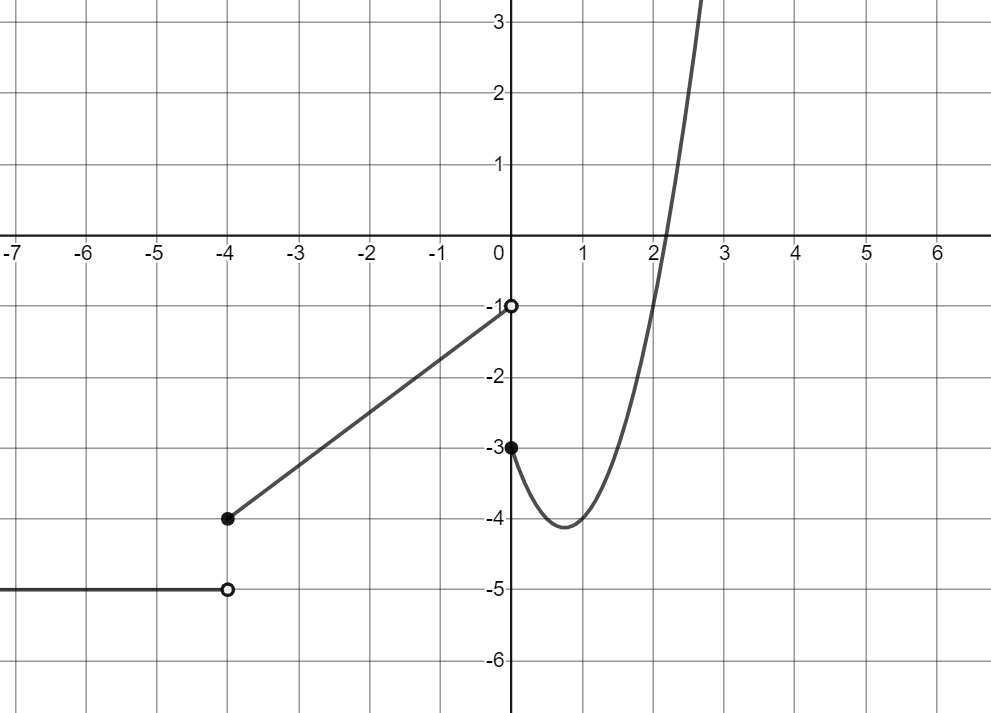
Given the function shown in the graph, sketch the transformation of the function given by the equation
Transformations unit practice test.
Factor completely:
Factor the following quadratic expression:
Factor completely:
Factor completely:
Rewrite the quadratic equation
Rewrite the quadratic equation
Rewrite the quadratic equation
Rewrite the quadratic equation
Sketch the graph of the parabola defined by
Sketch the graph of the parabola defined by the equation
Sketch the graph of the parabola given by the equation
Sketch the graph of the curve given by the equation
Explain the transformation that occurs to the parent graph for the curve defined by
Select all that apply to describe the transformation of the parent function given the equation of the curve
Given the function shown in the graph, sketch the transformation of the function given by the equation
Given the graph of f(x) shown and the function
Sketch the graph of the function given by
Josue uses a quadratic equation to represent the profits of his company. Which form of the quadratic (intercept, standard, or vertex) would be the easiest version for him to find his maximum profit? How would you explain this to Josue?
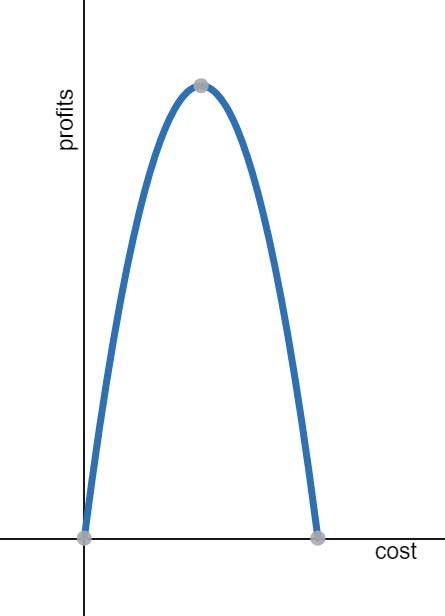
Briefly describe the advantages of the other two forms of the quadratic equation.