10/22 Demographic Transition AP
star
star
star
star
star
Last updated 9 months ago
6 questions
1
1
1
1
1
1
| Draggable item | arrow_right_alt | Corresponding Item |
|---|---|---|
Post-industrial | arrow_right_alt | Stage 1 |
Industrial Stage | arrow_right_alt | Stage 2 |
Transitional Stage | arrow_right_alt | Stage 3 |
Pre-Industrial Stage | arrow_right_alt | Stage 4 |
| Draggable item | arrow_right_alt | Corresponding Item |
|---|---|---|
Children are unnecessary, but parents are making good money | arrow_right_alt | Stage 1 |
Because kids are expensive to raise people decide to have zero or only one child | arrow_right_alt | Stage 2 |
Parents don’t need kids- they still want them but only a few | arrow_right_alt | Stage 3 |
Children are important- they are free labor for farm work | arrow_right_alt | Stage 4 |
| Draggable item | arrow_right_alt | Corresponding Item |
|---|---|---|
Birth rates and death rates but the population remains relatively low | arrow_right_alt | Stage 1 |
Better water and medicine so infant mortality and death rates decrease but people are not ready to give up free labor so they continue to have children and birth rates are high | arrow_right_alt | Stage 2 |
There is a decline in birth rates | arrow_right_alt | Stage 3 |
Birth rate and death rate become equal but the population is high | arrow_right_alt | Stage 4 |
| Draggable item | arrow_right_alt | Corresponding Item |
|---|---|---|
More educated women and more women in the workforce make birth rates decline | arrow_right_alt | Stage 1 |
Improved health care and reliable food/water increases life expectancy | arrow_right_alt | Stage 2 |
Citizens are better educated and more affluent so birth rates are low | arrow_right_alt | Stage 3 |
There is a high infant mortality rate as well as a low life expectancy | arrow_right_alt | Stage 4 |
| Draggable item | arrow_right_alt | Corresponding Item |
|---|---|---|
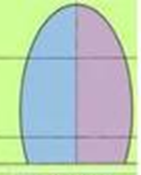
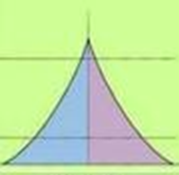
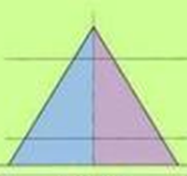
| arrow_right_alt | Stage 1 | |
| arrow_right_alt | Stage 2 | |
| arrow_right_alt | Stage 3 | |
| arrow_right_alt | Stage 4 |