(10/26) Inherited and Acquired Traits

Last updated about 5 years ago
0 questions
You have many different traits. A trait is a characteristic of a living thing. You may have brown hair. You may know how to play the piano or ride a bike. You may have a scar. Some of your traits developed before you were born. Others developed after you were born. In this lesson, you will learn about traits of animals and plants.

Physical Features and Behaviors

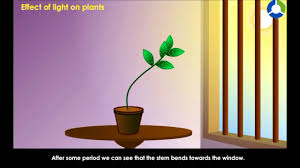
Every living thing has its own set of traits. Some traits are physical features. The color of an animal's fur is a physical trait. So is the shape of a plant's leaf. Other traits are behaviors. A behavior is a way in which a living thing acts or responds to its surroundings. Building a nest is an animal behavior. Growing toward sunlight is a plant behavior.


Instincts and Learned Behaviors


Living things get their traits in different ways. Your parents passed on many traits to you before you wer born. A characteristic that a living thing gets from its parents is called an inherited trait.

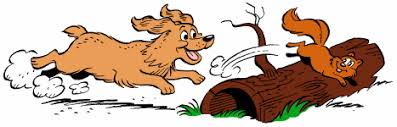
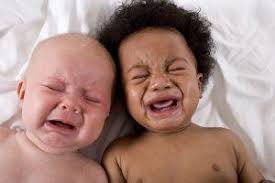
Many behaviors are inherited. In animals, inherited behaviors are called instincts. Chasing squirrels is an instinct in dogs. Spinning webs is an instinct in many spiders. Crying and laughing are instincts in humans. You did not learn to cry - you were born knowing how to do it.
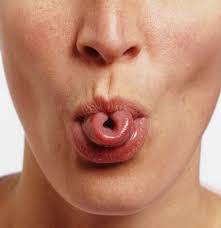
Can you roll your tongue like the image above? If so, you were most likely born with that trait. Scientists think that tongue rolling is mainly an inherited trait. You can't learn to do it. You are born knowing how.
Like animals, plants inherit ways of responding to their surroundings. Plant stems and leaves grow toward sunlight. Roots grow down, toward water. Some plants have leaves that close up if something touches them.

An acquired trait is a characteristic that a living thing gets during its lifetime. To acquire something means to get it.

Many acquired traits are learned behaviors, or ways of acting or skills that an animal learns or develops during its lifetime. Humans and other animals learn from their parents and from experience. Young chimpanzees learn from adults to use sticks as tools for getting food. Humans learn to use fishing poles and other tools to get food, too. A mother bear may show her cubs how to fish or find berries for food. A bird may teach its baies how to fly. A young horse may learn to stay away from an electric fence after it gets a shock.
You were born knowing how to use your voice. But you were not born knowing how to speak words or read. You learned to speak by listening to your parents and other people. An adult taught you to read. Knowing how to play the guitar is a learned behavior. Learned behaviors and other acquired traits are not passsed from parents to their young. A dog that learns to fetch a tennis ball will not have puppies that are born knowing how to fetch. If you learn how to ride a bike, your children will not be born knowing how to do that. They will have to learn, just as you did. The table below gives examples of instincts and learned behaviors. You may think of examples to add.