Progressive Era Political and Social Reforms Formative
star
star
star
star
star
Last updated almost 6 years ago
40 Nsɛmmisa
Hyɛ no nsow a efi ɔkyerɛwfo no hɔ:
Progressive Era Reforms
1
1
1
1
1
1
1
1
1
1
1
1
1
1
1
1
1
1
1
1
1
1
1
1
1
1
1
1
1
1
1
1
1
Progressive Era Reforms
The information and videos below will supplement our Progressive Era Political and Social reforms (2) charts in google classroom.
Keep in mind, the Progressive Era is about improving the social conditions and situations of people. Among those intitative were child labor, working conditions, civil rights and living conditions. One of the biggest social reforms during this era was Women's suffrage or women gaining the right to vote. We will start with this one. For each of the statements below, tell me if you agree or disagree and why.
Most women do not participate in voting because they are stay at home mothers.
Why?
Only citizens who work should be allowed to vote.
Why?
Women are constantly compared to men as a measurement of success.
Why?
America is ready to have a female president.
Why?
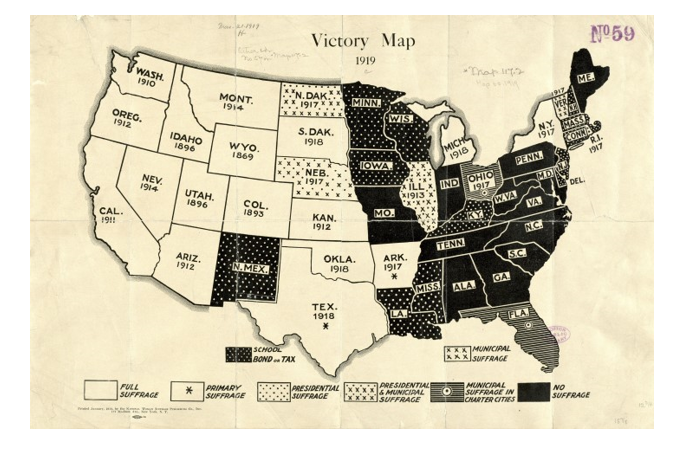
According to the map, most states allowed women to vote in 1919.
Which goal set at a women's convention in Seneca Falls in 1848 was finally achieved during the Progressive Era?
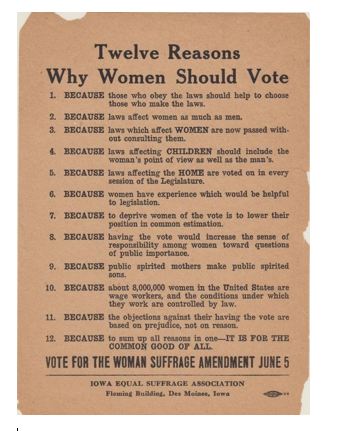
Which reformer was a leader in support of the ideas expressed in the flier above?
The passage of the 19th Amendment granted all women and ethnicities the right to vote.
Quick Write-Based on what you now now know, tell me why you think why, since women vote more, all presidents have been male and tell me if you think America is ready for a female president and explain your answer.
Some progressive era reforms were specifically to address living conditions, child labor and working conditions.
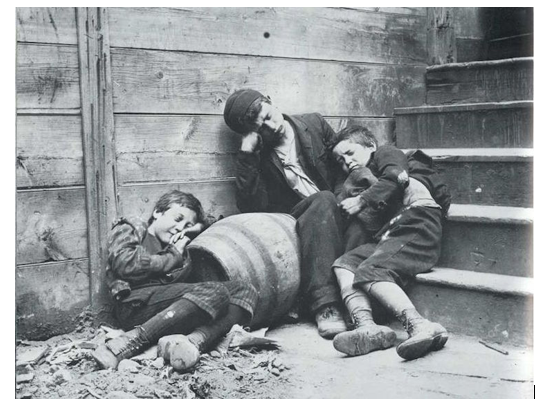
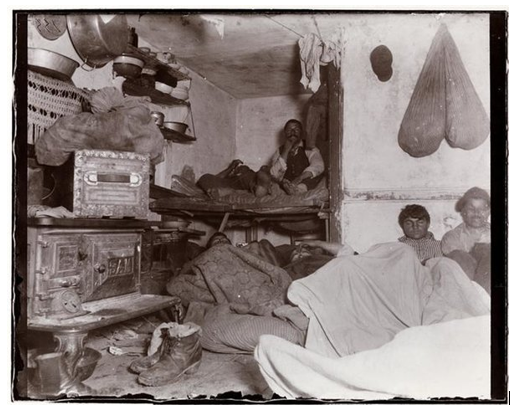
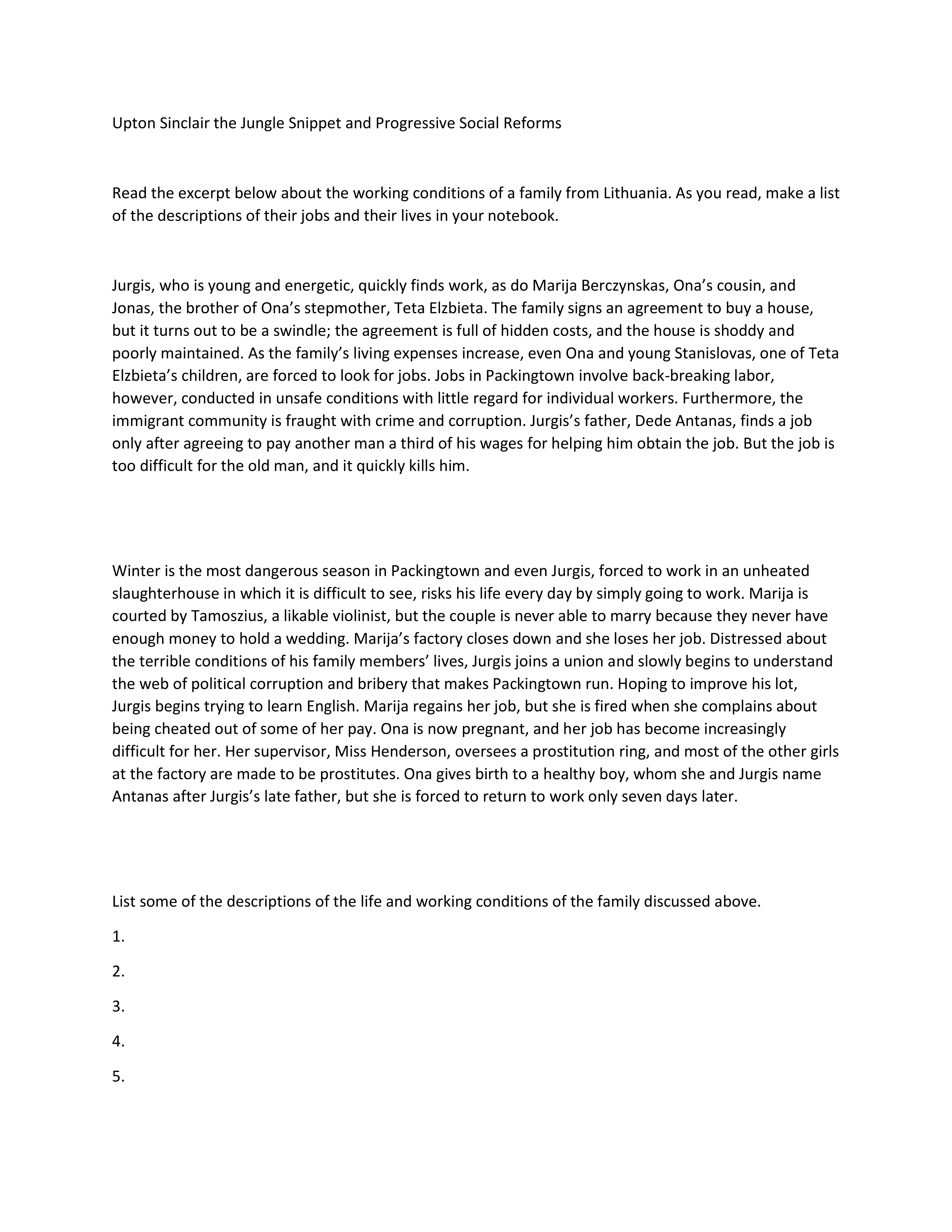
Famous muckrakers and their reforms are below. Muckrakers were writers and photographers who told the truth about the "dirt" or "muck" of American life. Famous muckrakers include Jacob Riis, Lewis Hines and Upton Sinclair.
In the images above, describe the situations that the people and children are living in.
What do you think was Jacob Riis' purpose for taking these photos?
One of the worst examples of exploitation of workers came in the Triangle Shirtwaist Fire. It exposed the lenghths that businesses would go to in order to increase profits. The less you spend on worker safety and wages, the more money you make so it was common practice to just put up a building and say it was safe. At this time, there were no laws in place to ensure the safety of the workplace. This changed after the Triangle Shirtwaist Fire.
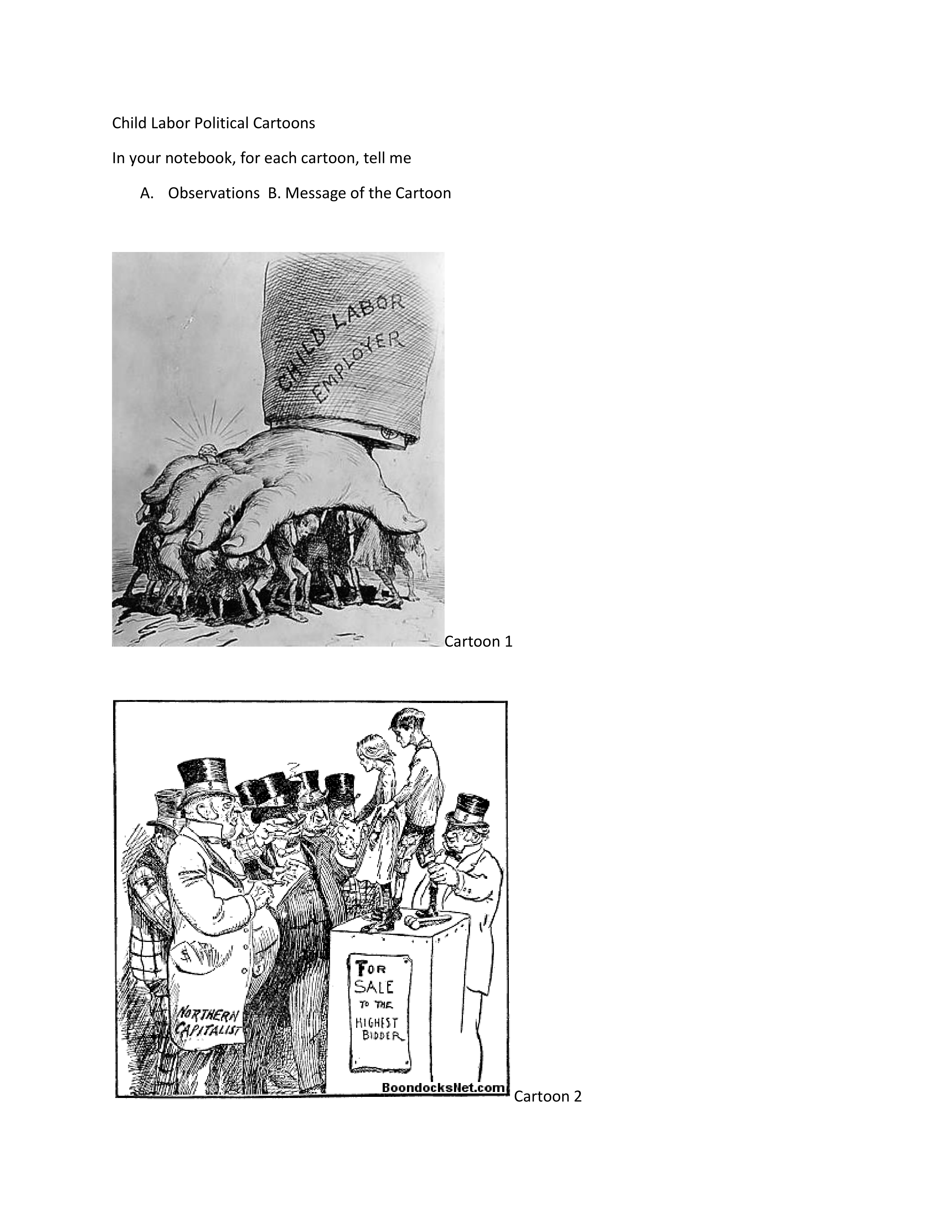
Why were children being forced to go to work?
What effect did working young have on children?
In your opinion, is it wrong to force children to go to work? What situations do you think should make it ok for children to go to work?
Political Reforms
Many of the reforms above made the government realize that it needed qualified and trustworthy people in government. It was time to get rid of the "spoils system" which was the corrupt political system that gave people jobs as long as they helped the government official. This was also called patronage. They needed to hire people based on merit. This is going to lead to the passage of the Pendelton Act, which created the Civil Service Commission. This commission created competitive exams and selected workers based on merit (ability). The video below explains how the spoils system worked and the pendelton act. Another political reform was the 17th Amendment-which is the direct election of senators
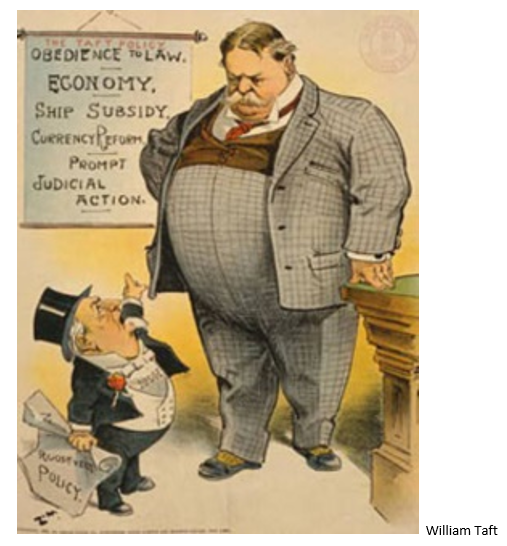
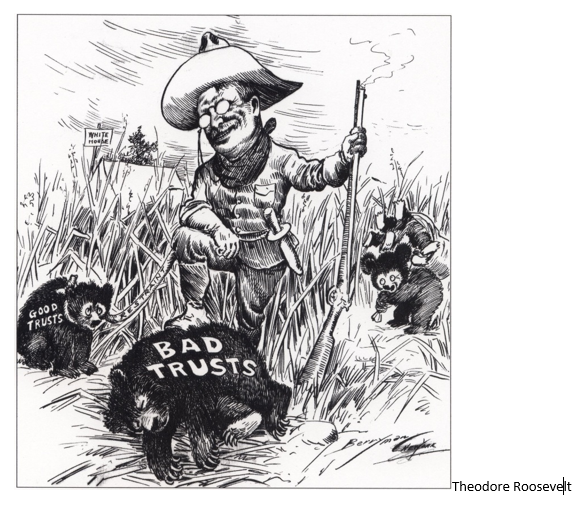
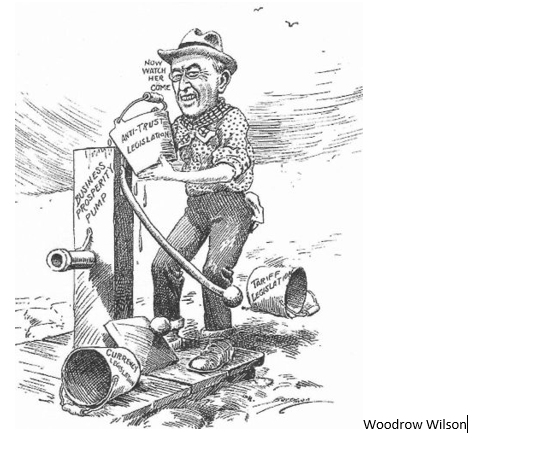
Many of the reforms in government came in the form of legislative acts and laws passed by the Progressive Era Presidents. They are Theodore Roosevlet, William Howard Taft, and Woodrow Wilson. You need to know what each president's belief system was and what acts were passed during their terms. You will now go to google classroom and pull up the chart titled Progressive Era Presidents. Use the jarrett book to complete the chart. Afterwards, you are going to examine the political cartoons below and write a conclusion using what you know.
The State of Texas placed a new school finance law on the ballot to be voted on once 50,000 people signed the petition.
Voters proposed a new law that would drop the speed limit to 20 mph in a school zone.
City councilman Mr. Duncan was removed from office after a vote when the citizens found out he had cheated on his taxes for the past 10 years.
What was the main benefit to having senators be directly elected?
Roosevelt's accomplishments
Tafts accomplishments
Wison's accomplishments
How does this cartoon reflect Roosevelt's belief about government?
How does this cartoon demonstrate Roosevelt's feelings about trusts?
According to the cartoon, what things, according to Wilson, will lead to prosperity?
“I believe all workers should have the access to safe building and an opportunity to succeed”.
“It seems like the people have forgotten me”.
“We have got to get rid of these bad trusts (businesses)”
“I am lucky I had Roosevelt to show me how to be a good president”
“I am going to create a New Freedom, where all people have the opportunity to make money”
“It is time we make these rich people pay their fair share of income taxes”
“My Square Deal will limit laissez faire and increase government intervention”
“Who wants to look around and see nothing but factories? We should protect the natural beauty of our country”
“Unions (protection groups) should have an expanded role and we must make sure that the government does not limit their creation”