Storyboard Practice
star
star
star
star
star
Last updated almost 6 years ago
12 Nsɛmmisa
Hyɛ no nsow a efi ɔkyerɛwfo no hɔ:
Storyboard drawing practice for video classes.
1
1

1
1

1
1
1
1
1
1
1
1
Storyboard drawing practice for video classes.
To draw storyboard heads for closeups, you need to aim them and provide them with expressions. You also need to indicate gender, where appropriate.
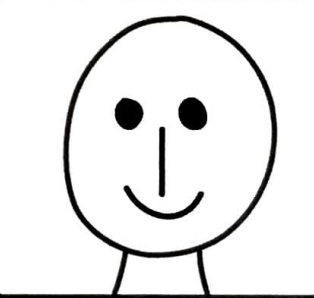
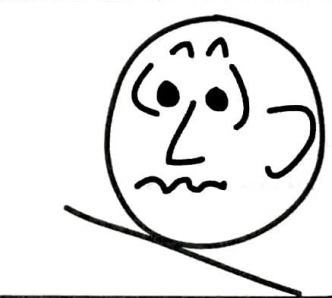
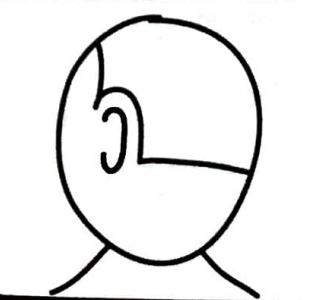
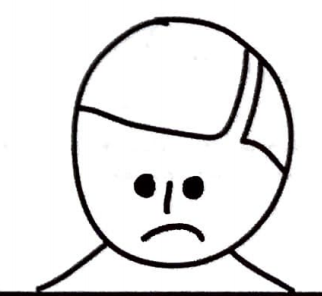
To practice these skills, try copying each of the heads on this page and the next one in the empty frame directly under it. As you work on your sketches, notice the various sugges- tions printed on the worksheet. Remember: try for clean outlines rather than finished drawings. The simpler the sketch, the better.
Front/smiling. Eyes near middle of head, straight line nose.
3/4 front/worried. Nose, ear, and shoulder show face turned somewhat.
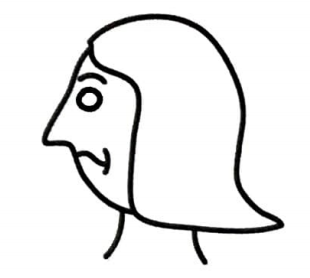
Profile/angry. Mouth and eyebrow(s) show anger.
3/4 rear. For profile and rear views of heads, use hair and ear(s) to define.
Looking up/neutral emotion. Features high on face, chin shows.
Looking down/unhappy. Features low on face, hair prominent.
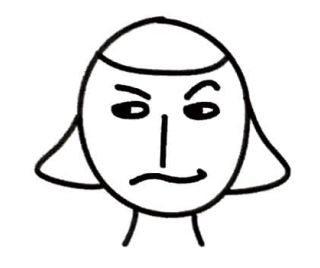
Front/female/scheming or suspicious. Hair defines gender.
Front/female/scheming or suspicious. Hair defines gender.
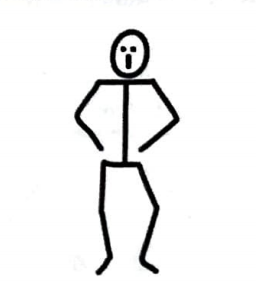
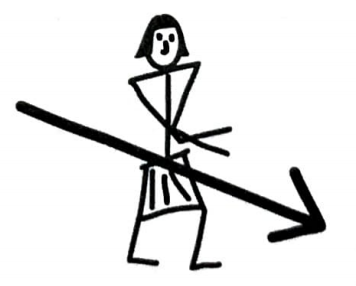
Standing figure. Shoulders, torso, and hips are straight lines.
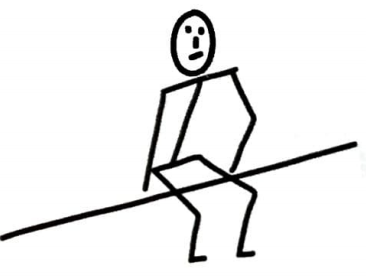
Sitting figure. Shoulders and hips match diagonal seat.
3/4 view walking figure. Diagonal shoulders/hips show body turn.
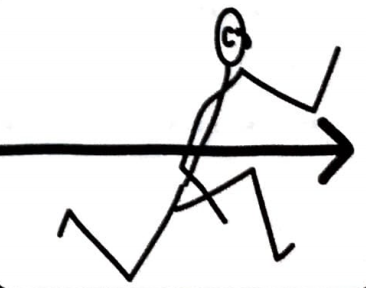
Profile, running figure.