Which adaptation would you expect to find in a bird that swims?
feet with curling toes and claws
feet with large hooked claws
feet with feathers
feet with webbing
Which adaptation would you expect in animals that live in caves?
very good hearing
poor hearing
brightly colored fur
very good eyesight
The animal has webbed feet and a paddle-like tail. Where does this animal most likely live?
in a tree
in the desert
near a stream
on the polar ice
Which adaptation of this mountain lion enables it to catch the deer
thick fur
strong legs
a long tail
small ears
Where would an animal with thick white fur and a thick layer of fat most likely live
in a stream
in a polar region
in a grassland
in the desert
Mr. Lee is a scientist who is studying an extinct bird. He wants to learn more about how it lived. Which feature of the bird would be the best thing for him to study to discover what the bird ate?
feet
beak
tail
wings
Habitats must be a safe place for animals to raise their young.
True
False
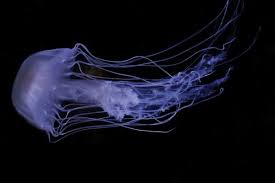
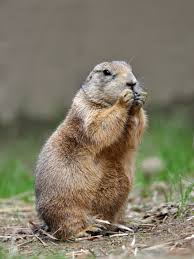
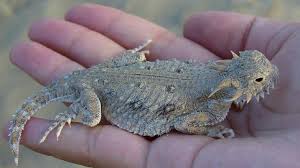
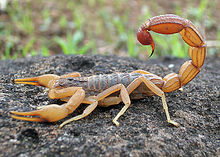
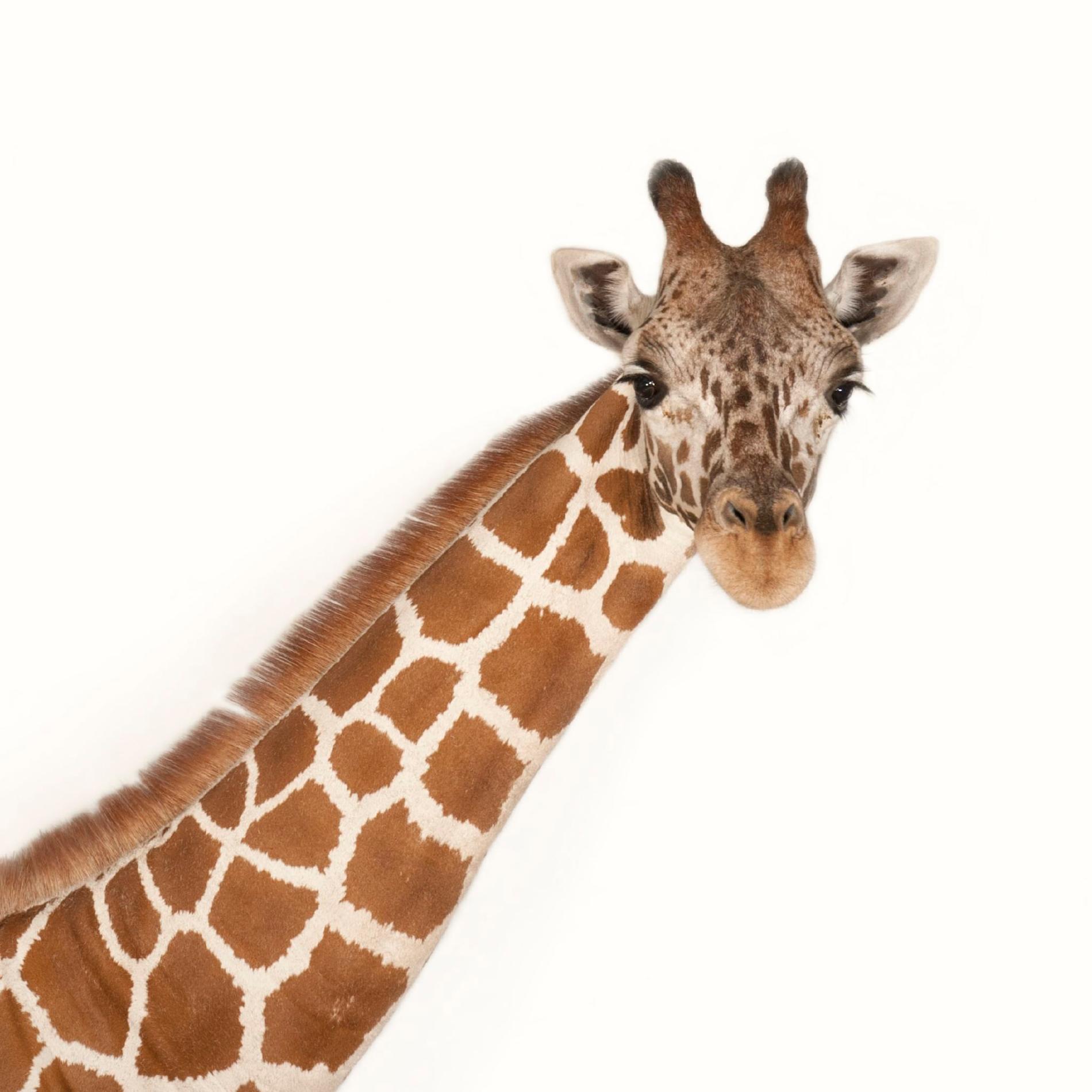
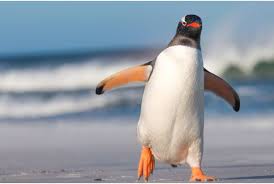
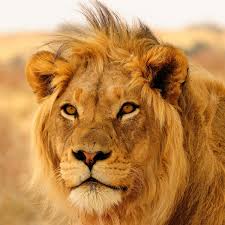
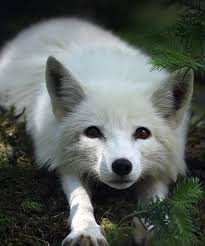
Drag all the animals to their correct habitat. (If you do not see the category you need to place the picture, select the picture and hold it, then put your mouse at the top of the test to move the screen up and put your mouse at the bottom of the test to move the screen down).
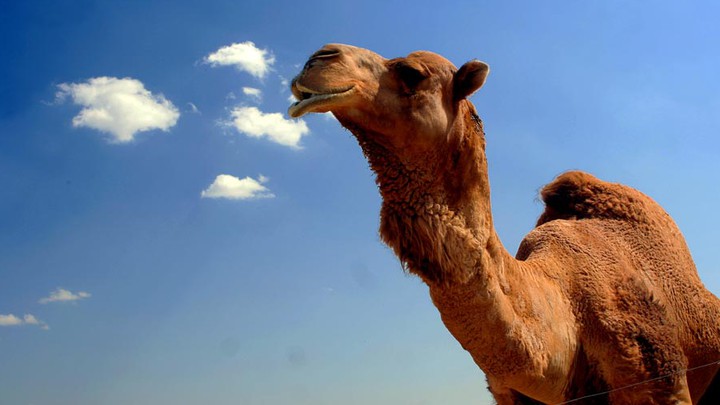
Camel
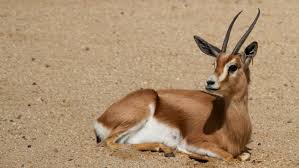
Gazelle
Lion
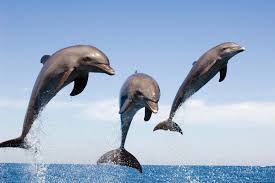
Dolphins
Scorpion
Giraffe
Penguin
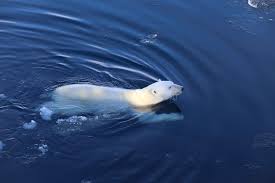
Polar Bear
Lizard
Prairie Dog
Jellyfish
Artic Fox
Aquatic (2 animals)
African Savannah (3 animals)
Desert (3 animals)
Tundra (3 animals)
Question 9
9.
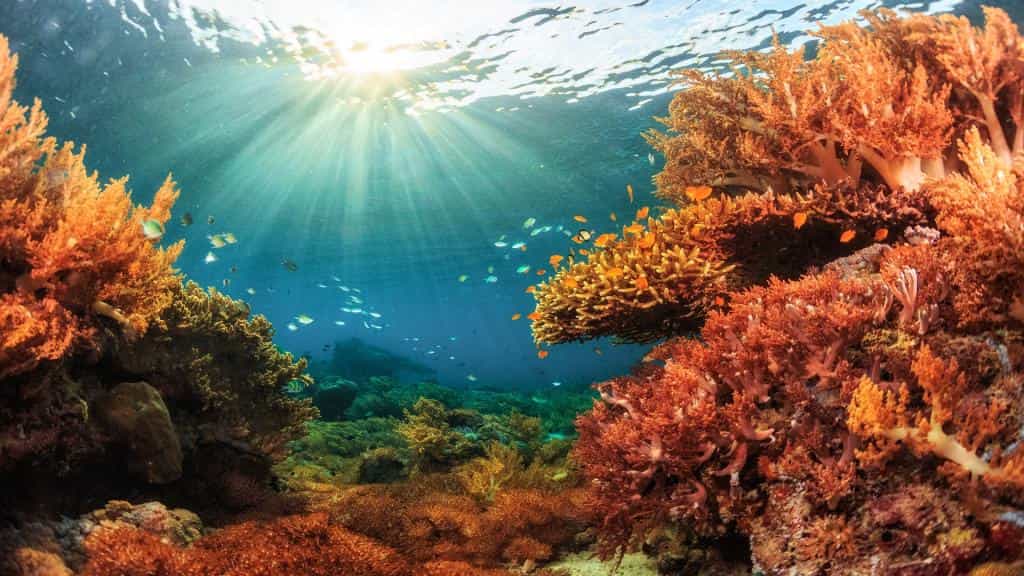
What is this habitat?
Rainforest
Temperate Grassland
African Savannah
Aquatic
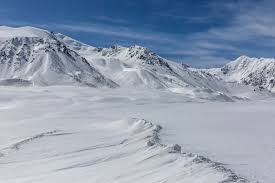
What is this habitat?
African Savannah
Rainforest
Tundra
Aquatic
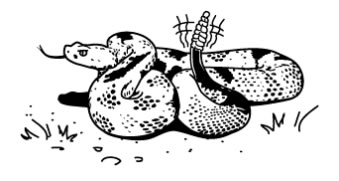
Which adaptation does this animal have for living in the desert?
fangs
scaly skin
rattling tail
slithering motion
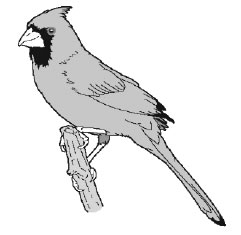
Marcus is studying birds in his neighborhood. What does the bird shown here most likely eat
mice
seeds
insects in wood
fish in shallow water
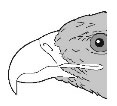
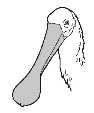
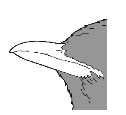
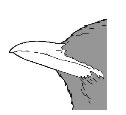
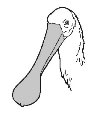
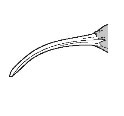
The main sources of food for birds that live in a grassland are seeds, mice, and burrowing insects. Which beak would be the least useful in a grassland?
picture 1
picture 2
picture 3
Wan is investigating birds in a wetland. He notices that many of the birds have similar beaks with the same kind of shape. Which statement is the most likely explanation for the similar beaks
The beaks are suited to the food available
The birds all belong to the same species
The birds build the same types of shelters
Which bird is most likely to eat worms and burrowing insect
picture 1
picture 2
picture 3
picture 4
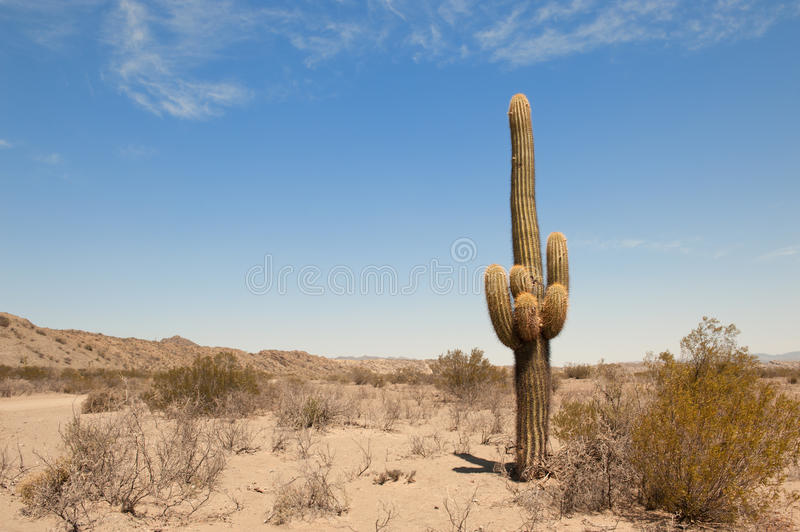
Which habitat has very little rain, is hot during the day and cold at night, and has very few plants and animals that can live here?
Deciduous Rainforest
Aquatic
Desert
Rainforest
What plant is this and why can it live in this habitat?
A Orchid, lives in rainforest
B Coral, lives in ocean
C Cactus, soaks up water from roots and spikes hold in water