Log in
Sign up for FREE
arrow_back
Library

Evolution Test

star
star
star
star
star
Last updated over 3 years ago
26 questions
1
1
1
1
1
1
1
1
1
1
1
1
1
1
1
1
1
1
1
1
1
1
1
1
1
1
Question 1
1.

Question 2
2.

Question 3
3.

Question 4
4.

Question 5
5.

Question 6
6.

Question 7
7.

Question 8
8.

Question 9
9.

Question 10
10.

Question 11
11.

Question 12
12.

Question 13
13.

Question 14
14.

Question 15
15.

Question 16
16.

Question 17
17.

Question 18
18.

Question 19
19.

Question 20
20.

Question 21
21.

Question 22
22.

Question 23
23.

Question 24
24.

Question 25
25.

Question 26
26.

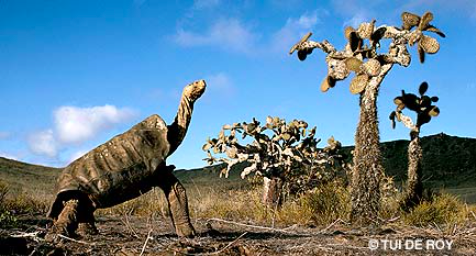
On the Galápagos Islands, Charles Darwin observed
species completely unrelated to those found in South America.
completely unrelated species on each of the islands.
somewhat similar species, with traits that suited their particular environments.
species exactly like those found in South America.
Scientists believe that 225 million years ago all of the continents were attached as one supercontinent called Pangea. Which was most likely a consequence of the breakup of the Pangea on evolution?
Populations of animals separated by the breakup of Pangea probably remained exactly the same over time.
All the species on Earth probably went extinct.
The breakup of the super continent would have no effect on living organisms.
Populations of animals separated by the breakup of Pangea probably adapted to new environments and evolved into new species.
According to Darwin, natural selection is based on the ___________ found in populations.
acquired characteristics
similarities
variations
non-competitors
The Galapagos finches evolved from the finches found on the mainland of Ecuador. The evolution of the various species of finches is an example of
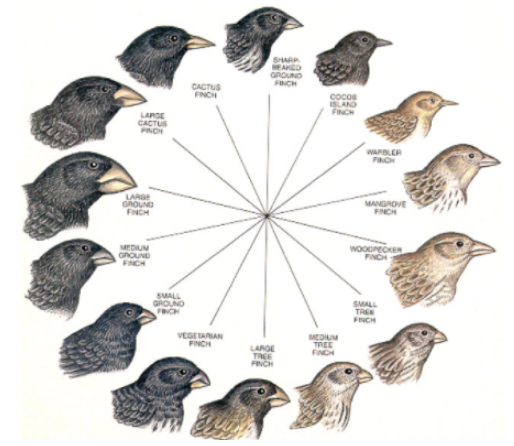
adaptive radiation.
divergent evolution.
speciation.
all of the above
Natural selection can best be defined as the _____.
survival of the biggest and strongest organisms in a population
elimination of the smallest organisms by the biggest organisms
survival of the organisms that occupy the largest area
differential reproductive success of organisms genetically best adapted to the environment
An insect that exhibits resistance to a pesticide
developed the resistance in response to the pesticide on its body.
mutated as soon as it was exposed to the pesticide.
is less likely to pass on the allele to the next generation.
inherited genes that made it resistant to the pesticide.
Tortoises on one island had short legs to better move on rocky land. Tortoises on another island had longer legs to move through grass. Which statement best summarizes this information?
Sexual reproduction causes variation.
Good adaptations are determined by the environment.
Non-adapted alleles increase in the gene pool.
Similarities in molecular sequences show relatedness.
A genetic change will usually be maintained in a population if the change
increases fitness.
decreases fitness.
increases speciation.
decreases speciation.
Related organisms become less alike by
fitness.
changing themselves during their lifetime.
divergent evolution.
convergent evolution.
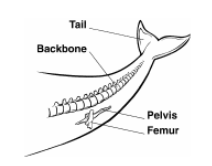
In humans, the pelvis and femur, or thigh bone, are involved in walking. In whales, the pelvis and femur shown below are
examples of natural variation.
examples of fossils.
acquired traits.
vestigial structures.
Two individuals are members of the same species if they
can mate and produce fertile offspring.
live in the same environment.
are phenotypically indistinguishable.
breed at the same time.
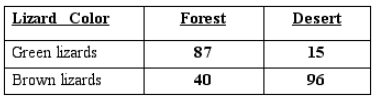
A student conducts an experiment to test how reptiles’ skin color affects survival rate. She places 100 green lizards and 100 brown lizards in a marked area in a forest. After 10 days she returns to count how many lizards of each color survived. As a follow-up, she places 100 green lizards and 100 brown lizards in a desert. After 10 days she counts how many lizards of each color are alive. The # of surviving lizards is below. Which of the following statements could the student use as a conclusion to her experiment?
The green coloring is an adaptation; the brown coloring is a negative variation.
The environment determines which phenotype is an adaptation.
The brown lizards are more likely to be predators in the forest.
none of the above can be concluded
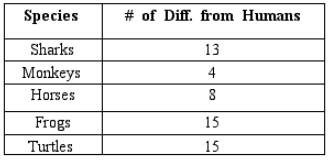
Students were given the amino acid sequence of hemoglobin (a protein) for humans & several other species. They counted the # of differences between humans & each species. According to these results, which species is most closely related to the human?
frog
shark
monkey
horse
Frogs and turtles have the same number of amino acid differences from humans. Students were asked to determine which species is more closely related to humans, frogs or turtles. One student wrote “frogs because the bone structure in their legs is more like humans”. Which type of evidence for evolution did the student use in his statement?
fossil
embryology
geographic distribution
comparative anatomy
All the genes of all members of a particular population make up the population’s
genotype.
relative frequency.
phenotype.
gene pool.
A type of fish has an allele that codes for a small fin, which causes slow swimming. The fish that have this allele become easy prey. What will happen to this allele in the gene pool over time?
It will decrease.
It will increase.
It will stay the same.
It will increase then decrease.
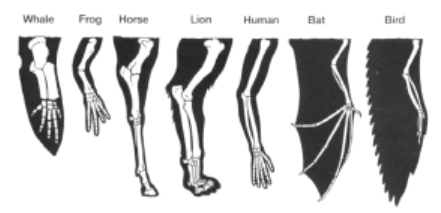
The picture below shows the limbs of several organisms. They have the same bones but are used for different functions. These are an example of
primary structures.
homologous structures.
vestigial organs.
analogous structures.
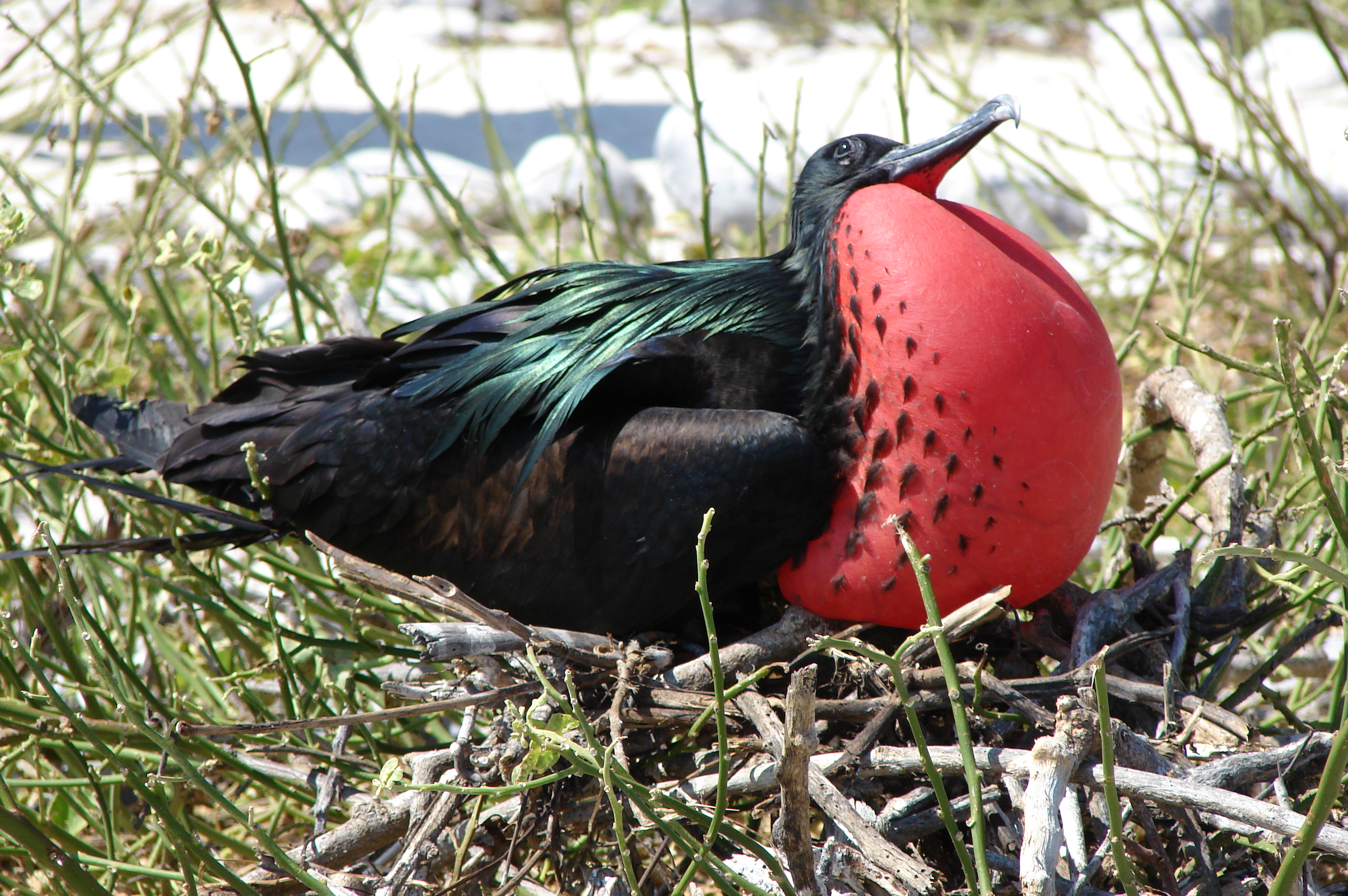
Male frigate birds are black with red skin at the throat. During courtship, the male forces air into the red sac, causing it to inflate. If the display is attractive enough, then the female will land beside the male to mate. Male frigate birds that don’t have an attractive red throat will be less likely to reproduce. What term best describes the male frigate bird’s red throat color?
heterozygous
founder effect
bottleneck effect
sexual dimorphism
See the information about frigate birds in the question above.
If the mating ritual of some of the birds changed over time and they could no longer mate with the rest of the group, this would be an example of
geographic isolation
temporal isolation
behavioral isolation
bottleneck effect
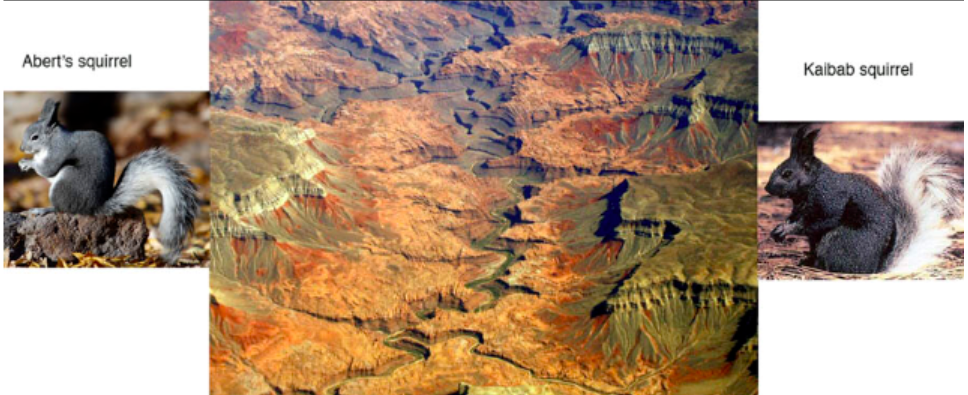
The Kaibab squirrel and Abert squirrel were originally part of the same species. The Grand Canyon separated these two populations for the last 10,000 years and both evolved separate traits. They are now 2 different species. What caused the speciation described above?
geographic isolation
temporal isolation
behavioral isolation
bottleneck effect
See the information in the question above. Which type of evolution is described above?
convergent evolution
divergent evolution
bottleneck effect
stabilizing selection
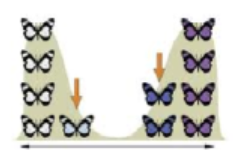
In the butterfly species above light butterflies blend in well with the flowers and dark ones are attractive to the other sex. Both of these colors are more “fit” than the middle range colors. What type of selection is this?
directional
stabilizing
disruptive
unchanging
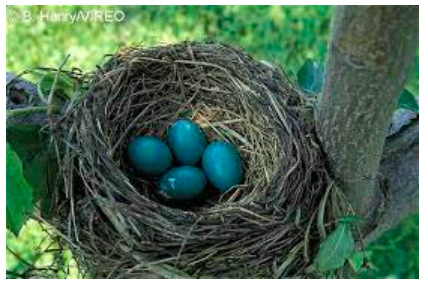
In one bird species, clutch size (the number of eggs laid by a female in one breeding season) ranges from four to eight and the most frequent clutch size is six. This phenomenon is an example of (2 points)
disruptive selection.
stabilizing selection.
sexual selection.
directional selection.
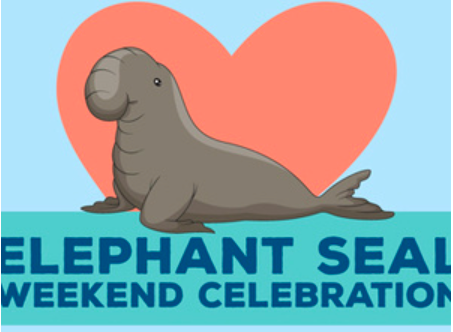
In the 1890s humans greatly over hunted the elephant seal causing their population to drop to only 20. What is this an example of?
disruptive selection.
the founder effect.
the bottleneck effect.
behavioral isolation.
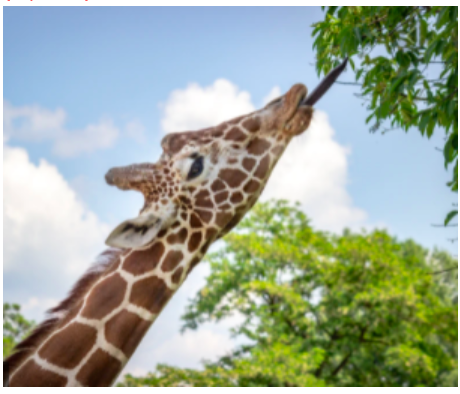
Short-necked giraffes were at a disadvantage for getting food in tall trees. As a result, the long neck phenotype was favored in giraffes. Over time, long necks became the standard trait for giraffes. What type of selection is this?
disruptive
stabilizing
diversifying
directional
Natural Selection is usually simplified to the phrase "Survival of the Fittest." A better term might be "Differential Reproductive Success." With that in mind, which of the following examples would be considered the most fit individual?
A bird that breeds at age 2, dies at age 3, 5 offspring survive and breed at age 2
A bird that breeds at age 5, dies at age 13, 5 offspring survive and breed at age 5
A bird that breeds at age 3, dies at age 13, 4 offspring survive and breed at age 3
A bird that breeds at age 2, dies at age 13, 2 offspring survive