Tuesday 10/14 - MM 1.5
star
star
star
star
star
Last updated about 1 month ago
23 Nsɛmmisa
MM 1.5 - Separating a Food-Coloring Mixture
0
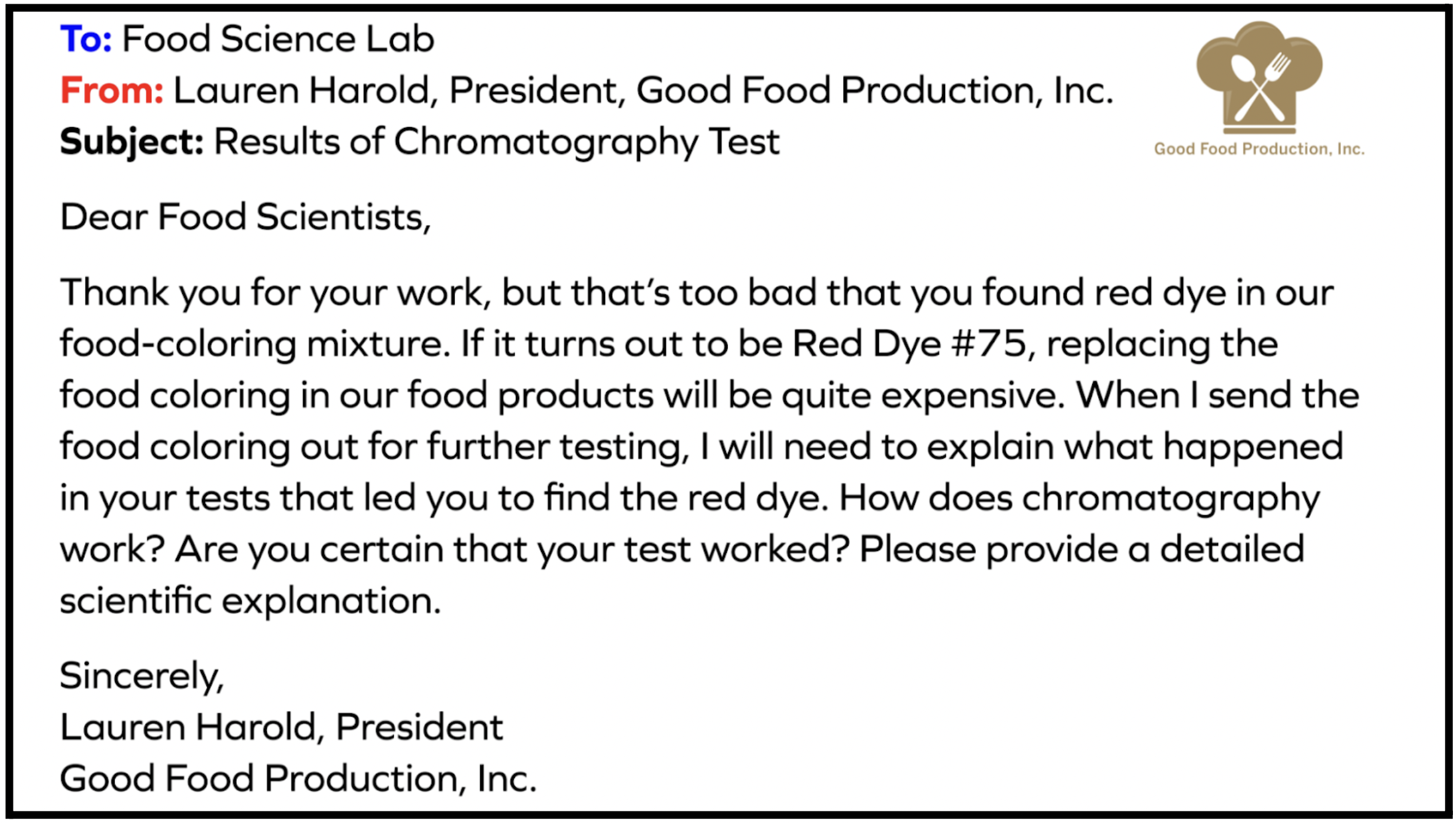
Chromatography / Fan Model
0
Fan Model - Independent Practice
Properties
Exit Ticket
In the last lesson, you did a experiment using food coloring. When you added the with the food coloring to the water, the water climbed up the strip and brought the dye with it. But, the dye actually into different colors as it went up the strip! From the pasta model yesterday, you know that different molecules can actually be different . Today we’ll use another to try to explain how and why the separates as it climbs up the paper strip.
💚 What might have made the dyes (different color dyes) travel up the paper?
💚 Why do you think the food coloring separated? Use evidence (what you see) from the picture of the chromatography strip (paper).
The food coloring separated because ________________
Chromatography is a technique that scientists use to separate mixtures into their parts.
There are three essential parts of a chromatography test.
The test mixture is what is being separated.
The medium is what the test mixture moves through.
The solvent is what helps the test mixture move.
💚 In our chromatography experiment, what was the test mixture, the medium, and the solvent?
| Draggable item | arrow_right_alt | Corresponding Item |
|---|---|---|
Chromatography paper | arrow_right_alt | Test Mixture - being separated |
Water | arrow_right_alt | Medium - test mixture moves through |
Food coloring | arrow_right_alt | Solvent - helps test mixture move |
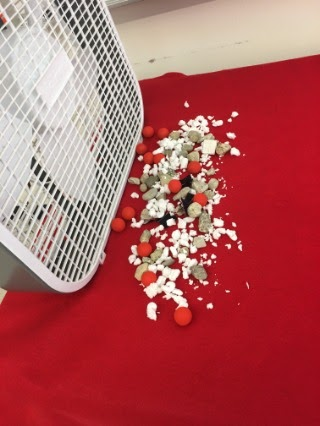
What is the test mixture (what is being separated) in this model?
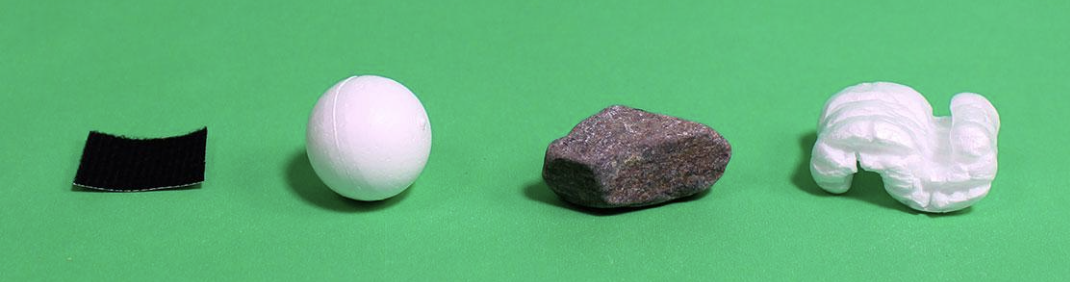
Velcro Sphere Rock Foam Peanut
💚 How are the properties of the molecules different from one another??
Sphere molecules
Rock molecules
Foam peanut molecules
Velcro molecules
💚 Hypothesis: Based on the properties of the objects, how far you think they’ll move. Object that will move the least at the top and object will move the farthest on the bottom.
Spheres
Foam
Rock
Velcro
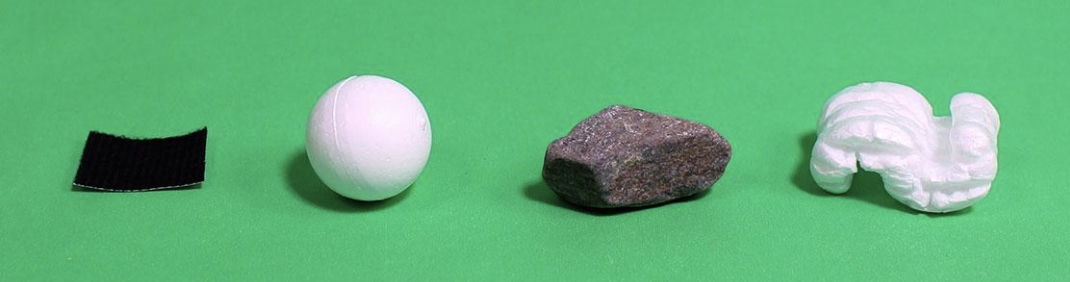
Velcro Sphere Rock Foam Peanut
💚 What properties made the spheres and foam peanuts move far?
The ______________ of the spheres made it move far.
The ______________ of the foam peanuts made it move far.
What properties made the rocks and the pieces of velcro move not very far?
The ______________ of the rocks made it move not very far.
The ______________ of the velcro made it move not very far.
💚 Using the word attract, explain why the velcro molecules didn’t move very far on the felt.
The velcro molecules didn’t move very far because ______
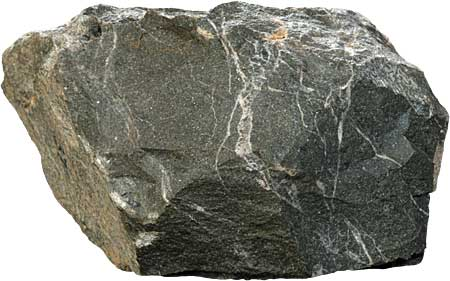
💚 What are two properties (you can observe) of the rock?
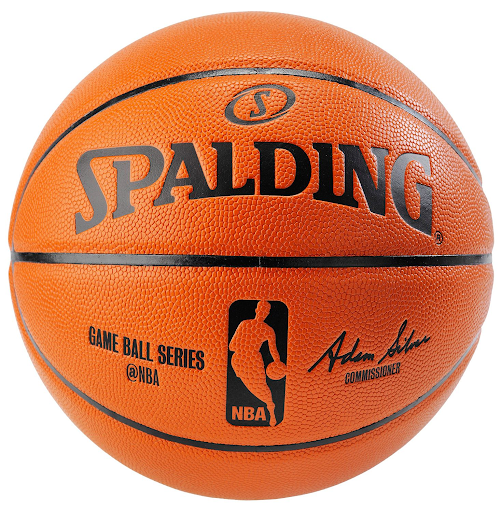
💚 What are two properties (you can observe) of the basketball?
What are two properties (you can observe) of the feather?
Use the properties from this data table to figure out what is the substance.
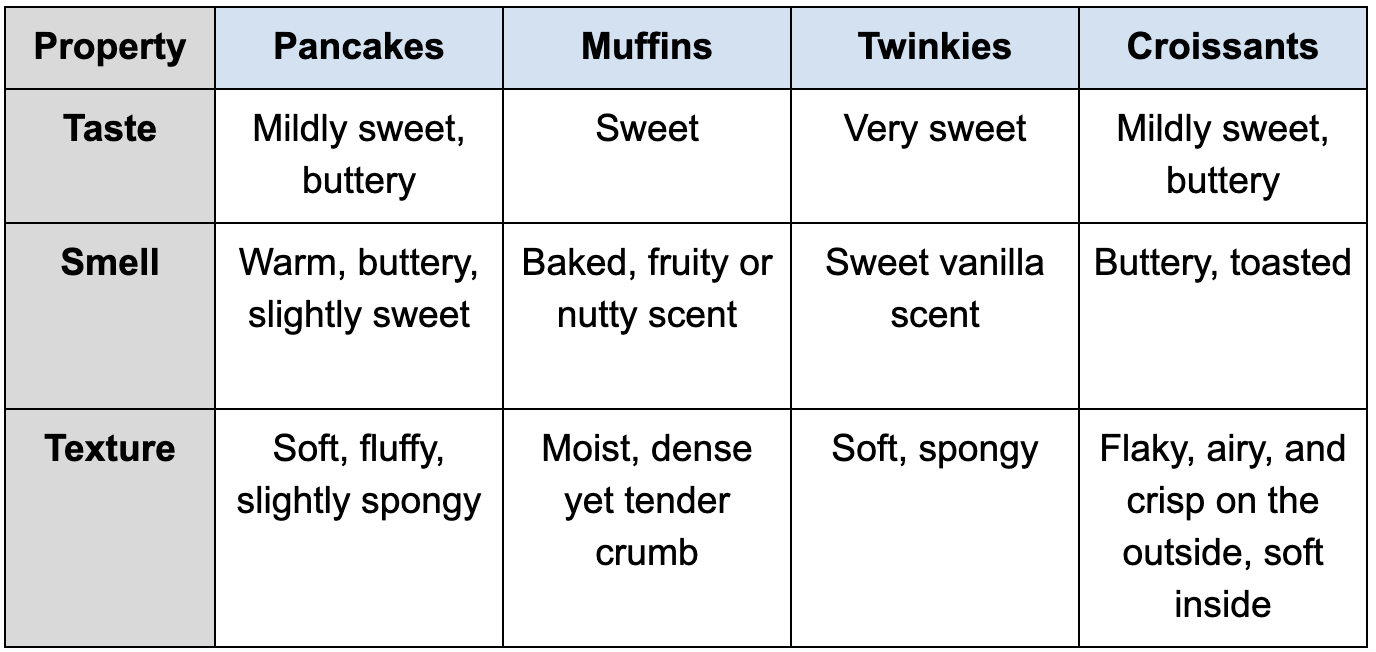
💚 Properties of Substance 1:
Taste - Very sweet
Smell - Sweet vanilla scent
Texture - Soft, spongy
What is Substance 1?
Use the properties from this data table to figure out what is the substance.
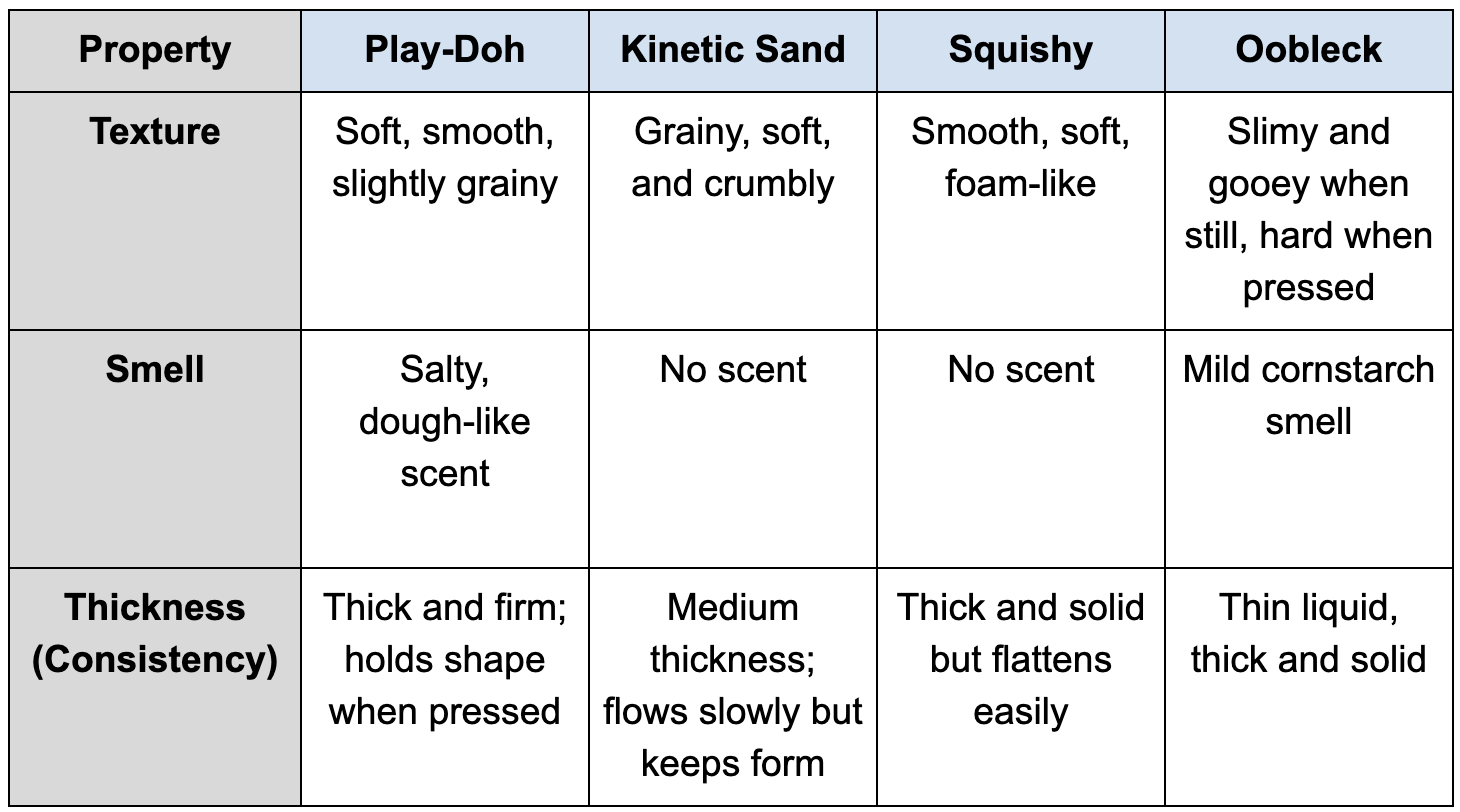
💚 Properties of Substance 1:
Texture - Slimy and gooey when still, hard when pressed
Smell - Mild cornstarch smell
Consistency - Thin liquid, thick and solid
What is Substance 1?
What represents the medium (what the test mixture moves through) in this model?
What represents the solvent (what helps the test mixture move) in this model?
💚 Properties of Substance 2:
Taste - Mildly sweet, buttery
Smell - Warm, buttery, slightly sweet
Texture - Soft, fluffy, slightly spongy
What is Substance 2?
Properties of Substance 3:
Taste - Mildly sweet, buttery
Smell - Buttery, toasted
Texture - Flaky, airy, and crisp on the outside, soft inside
What is Substance 3?
Properties of Substance 4:
Taste - Sweet
Smell - Baked, fruity or nutty scent
Texture - Moist, dense yet tender crumb
What is Substance 4?
💚 Properties of Substance 2:
Texture - Grainy, soft, and crumbly
Smell - No scent
Consistency - Medium thickness; flows slowly but keeps form
What is Substance 2?
💚 Properties of Substance 3:
Texture - Soft, smooth, slightly grainy
Smell - Salty, dough-like scent
Consistency - Thick and firm; holds shape when pressed
What is Substance 3?
💚 Properties of Substance 4:
Texture - Smooth, soft, foam-like
Smell - No scent
Consistency - Thick and solid but flattens easily
What is Substance 4?