Periodic Trends - Reactivity

Last updated about 5 years ago
10 questions

Periodic Trends in Reactivity Lab

Is gold reactive? Why or Why not?
Elements on the periodic table are organized by increasing atomic number. As atomic number increases, so does the number of electrons. Electrons, and specifically valence electrons, are important in determining how an atom interacts with other atoms. The elements in a vertical “group” have similar properties because they have the same number of valence electrons and similar electron configurations. This leads to smoothly varying trends in properties such as ionization energy, electronegativity, ionization energy, and atomic radius as one moves both down the groups and across the periods. Thus, the organization of the periodic table is useful for making predictions about an element based on its position in the table. The reactivity of the elements also follow well-defined trends both down the groups and across periods. In this activity, you will explore these trends in reactivity.
Part 1 - Reactivity of the Metal Groups

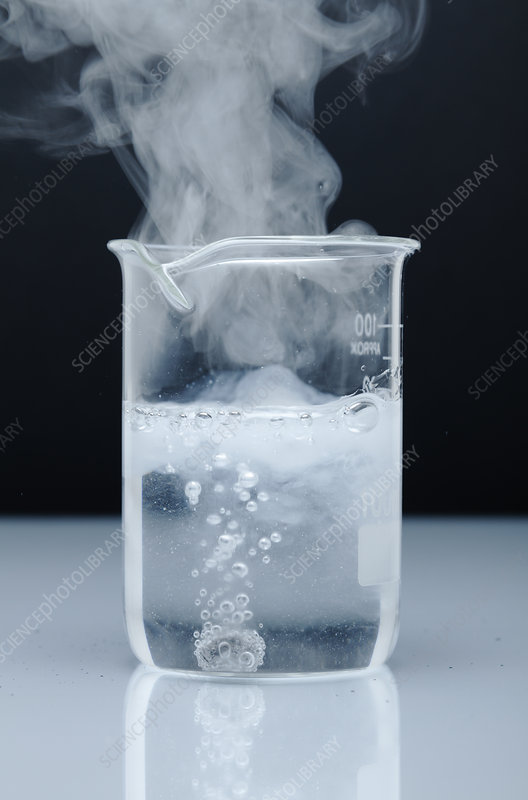
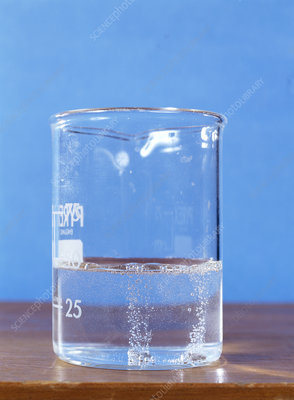
Observe the two images below. The first image shows Mg in water and the second image shows Ca in water. What do you notice?
1

Observe the reactions of Mg and Ca above.

1

Draw a Bohr Model of Mg and Ca. What are the similarities of these two elements? What are the differences?

Part 2 - “Alkali Metals in Water”

Watch the video, take note of the reactivity of each element and the periodic trend shown .
1

Record your observations from the video above and draw an arrow on the side of the table to show increasing reactivity.

Why do we see this trend? It all has to do with electron configuration! Watch the video below about electron shielding. You can stop this at 2:40 before it gets into ionization energy (we will learn about this in the next activity!).
1

State and EXPLAIN the trend in reactivity for the alkali metals. Why does reactivity increase or decrease down a group in terms of electron shielding?

1

Now, remembering what you learned in the video above, let's use the photo above to explain why the alkali metals (like Lithium) are more reactive than the alkaline earth metals (like Mg and Ca). If you need help explaining this, check out this resource.

Part 3 - Activity Series of Some Metals in HCl Watch the video below and record your observations.
1

Arrange the 6 metals in order of reactivity observed in the video.

  1. Sn
  2. Zn
  3. Mg
  4. Fe
  5. Ca
  6. Cu
1

Use the image above to compare your observations from the video. Account for any similarities or differences.

Part 4: Reactivity of halogens
1

Read about halogens here and then draw a model to show the reactivity of halogens. Be sure to use text to label your model to show it's reactivity trend and explain why we see this type of reactivity.

Part 5: Density Trend in a Group
3

Density is another trend we can see in the periodic table. Using the data provided based on the water displacement method, calculate the density of each element and then make a claim as to the periodic trend in density by using arrows to show the trend going up/down the periodic table. Use this website if needed to verify the trend. Challenge: Determine your percent error for each metal using the accepted values from the linked periodic table.

4

When elements are organized in the periodic table, various trends appear. Describe the trends that you learned about from this activity (reactivity and density) and discuss, in general, WHY the trends appear on the periodic table. We will take a deeper dive into periodic trends in the next activity. Discuss the essential question, Is Gold Reactive? Why or Why not? You may want to view some additional properties on the interactive periodic table: http://periodictable.com/Properties/A/Group.bt.log.wt.html.