LNM1 Chapters 7-9 Review: Cassandra
star
star
star
star
star
Last updated almost 4 years ago
49 Nsɛmmisa
1
1
1
1
1
1
1
1
1
1
1
1
1
1
1
1
1
1
1
1
1
1
1
1
1
1
1
1
1
1
1
1
1
1
1
1
1
1
1
1
1
1
1
1
1
1
1
1
1
https://scsk12.sharepoint.com/:b:/s/LatinII530/EWNoPZkaERRMkag9bsJZIcwBSmYvpQKMK8g1in1Ur2rCOQ?e=FB8rCH
https://scsk12.sharepoint.com/:b:/s/LatinII530/EWNoPZkaERRMkag9bsJZIcwBSmYvpQKMK8g1in1Ur2rCOQ?e=FB8rCH
https://scsk12.sharepoint.com/:b:/s/LatinII530/EWNoPZkaERRMkag9bsJZIcwBSmYvpQKMK8g1in1Ur2rCOQ?e=FB8rCH
https://scsk12.sharepoint.com/:b:/s/LatinII530/Eayu1IaFModIlRpPJVDXJ98BtIwWA6hZEmsJcIVwMIq6Fg?e=re67UL
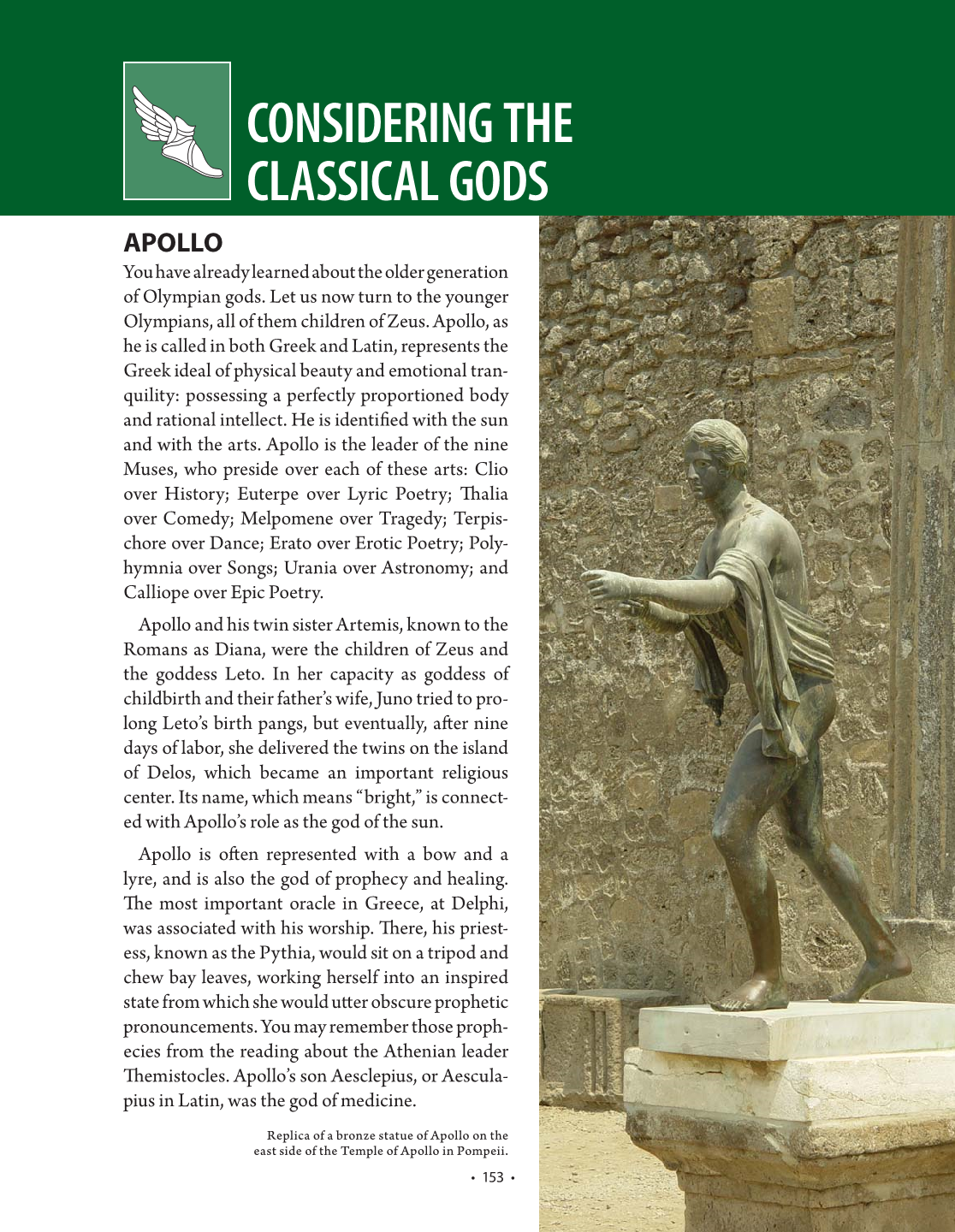
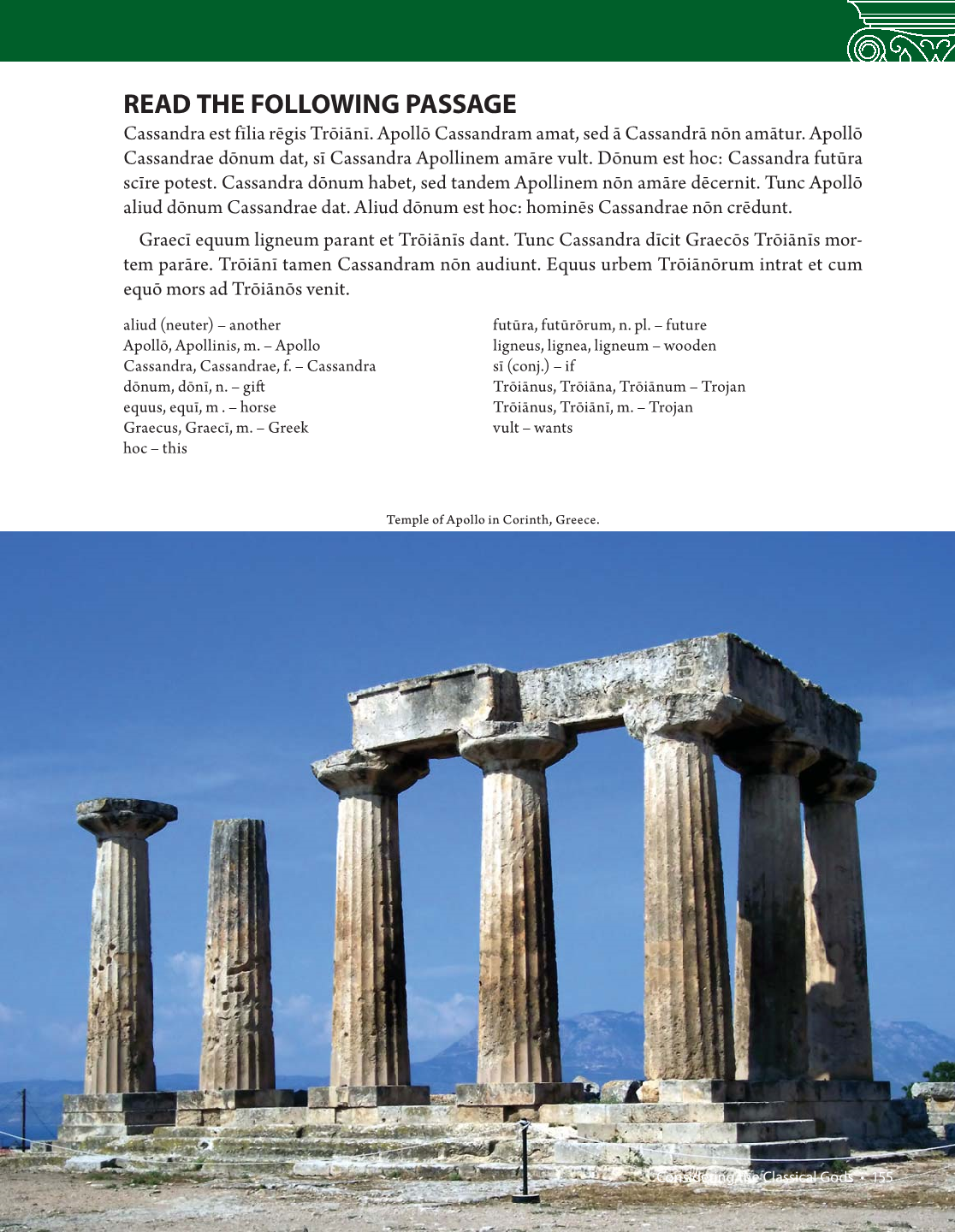
Identify the verb/s in the following sentence: Cassandra est fīlia rēgis Trōiānī.
Identify the nominative noun/s (subject; predicate nominative) in the following sentence: Cassandra est fīlia rēgis Trōiānī.
Identify the genitive noun/s (subject) in the following sentence: Cassandra est fīlia rēgis Trōiānī.
Translate the following sentence: Cassandra est fīlia rēgis Trōiānī.
Cassandra
the daughter
of
is
the Trojan king
Identify the verb/s in the following sentence: Apollō Cassandram amat, sed ā Cassandrā nōn amātur.
Identify the nominative noun/s in the following sentence: Apollō Cassandram amat, sed ā Cassandrā nōn amātur.
Identify the accusative noun/s in the following sentence: Apollō Cassandram amat, sed ā Cassandrā nōn amātur.
Identify the ablative noun/s in the following sentence: Apollō Cassandram amat, sed ā Cassandrā nōn amātur.
Translate the following sentence: Apollō Cassandram amat, sed ā Cassandrā nōn amātur.
is not loved
loves
but
Apollo
by Cassandra
Cassandra
Identify the verb/s in the following sentence: Apollō Cassandrae dōnum dat, sī Cassandra Apollinem amāre vult.
Identify the nominative noun/s (subject) in the following sentence: Apollō Cassandrae dōnum dat, sī Cassandra Apollinem amāre vult.
Identify the accusative noun/s (subject) in the following sentence: Apollō Cassandrae dōnum dat, sī Cassandra Apollinem amāre vult.
Identify the dative noun/s (subject) in the following sentence: Apollō Cassandrae dōnum dat, sī Cassandra Apollinem amāre vult.
Translate the following sentence: Apollō Cassandrae dōnum dat, sī Cassandra Apollinem amāre vult.
gives
a gift
if
to love Apollo
wants
Apollo
Cassandra
to Cassandra
Identify the verb/s in the following sentence: Dōnum est hoc: Cassandra futūra scīre potest
Identify the nominative noun/s in the following sentence: Dōnum est hoc: Cassandra futūra scīre potest
Translate the following sentence: Dōnum est hoc: Cassandra futūra scīre potest
the future
Cassandra
know
can
the gift
is
this
Identify the verb/s: Cassandra dōnum habet, sed tandem Apollinem nōn amāre dēcernit.
Identify the nominative/s: Cassandra dōnum habet, sed tandem Apollinem nōn amāre dēcernit.
Identify the accusative/s: Cassandra dōnum habet, sed tandem Apollinem nōn amāre dēcernit.
Translate: Cassandra dōnum habet, sed tandem Apollinem nōn amāre dēcernit.
has
but
she decides
the gift
not to love
Apollo
at last
Cassandra
Indentify the verb/s: Apollō aliud dōnum Cassandrae dat.
Indentify the nominative noun/s: Apollō aliud dōnum Cassandrae dat.
Indentify the accusative noun/s: Apollō aliud dōnum Cassandrae dat.
Indentify the ablative noun/s: Apollō aliud dōnum Cassandrae dat.
Translate: Apollō aliud dōnum Cassandrae dat.
Apollo
gives
another
gift
to Cassandra
Identify the verb/s: Aliud dōnum est hoc: hominēs Cassandrae nōn crēdunt.
Identify the nominative noun/s: Aliud dōnum est hoc: hominēs Cassandrae nōn crēdunt.
Translate: Aliud dōnum est hoc: hominēs Cassandrae nōn crēdunt.
the other
this
do not believe
people
gift
Cassandra
is
Identify the verb/s: Graecī equum ligneum parant et Trōiānīs dant.
Identify the nominative noun/s: Graecī equum ligneum parant et Trōiānīs dant.
Identify the accusative noun/s: Graecī equum ligneum parant et Trōiānīs dant.
Identify the dative noun/s: Graecī equum ligneum parant et Trōiānīs dant.
Translate: Graecī equum ligneum parant et Trōiānīs dant.
prepare
give
a wooden horse
it
and
to
the Trojans
the Greeks
Identify the verb/s: Tunc Cassandra dīcit Graecōs Trōiānīs mortem parāre.
Identify the nominative noun/s: Tunc Cassandra dīcit Graecōs Trōiānīs mortem parāre.
Identify the accusative noun/s: Tunc Cassandra dīcit Graecōs Trōiānīs mortem parāre.
Identify the dative noun/s: Tunc Cassandra dīcit Graecōs Trōiānīs mortem parāre.
Translate: Tunc Cassandra dīcit Graecōs Trōiānīs mortem parāre.
Then
the Greeks
design
Cassandra
death
for the Trojans
says that
Identify the verb/s: Trōiānī tamen Cassandram nōn audiunt
Identify the nominative noun/s: Trōiānī tamen Cassandram nōn audiunt
Identify the accusative noun/s: Trōiānī tamen Cassandram nōn audiunt
Translate: Trōiānī tamen Cassandram nōn audiunt
The Trojans
to Cassandra
however
do not listen
Identify the verb/s: Equus urbem Trōiānōrum intrat et cum equō mors ad Trōiānōs venit.
Identify the nominative noun/s: Equus urbem Trōiānōrum intrat et cum equō mors ad Trōiānōs venit.
Identify the accusative noun/s: Equus urbem Trōiānōrum intrat et cum equō mors ad Trōiānōs venit.
Identify the genitive noun/s: Equus urbem Trōiānōrum intrat et cum equō mors ad Trōiānōs venit.
Identify the ablative noun/s: Equus urbem Trōiānōrum intrat et cum equō mors ad Trōiānōs venit.
Translate: Equus urbem Trōiānōrum intrat et cum equō mors ad Trōiānōs venit.
The horse ,
, to the Trojans.
death
and
to the Trojan
of the Trojans
the city
enters
with the horse
comes