This story contains verbs in the past tense (perfect and imperfect) which we haven't covered in class yet.
The imperfect (past tense) is indicated by the infix -ba-
It indicates action that happened in the past.
I am including a glossary for this story here:
https://docs.google.com/spreadsheets/d/1smlLDnjoKoK7tt8Bnh4fTO4tJSL1lDBHoFi_TuLiYTw/edit?usp=sharing
You can also use the textbook glossary, here:
https://drive.google.com/file/d/1JAxqKqiXaLMehY8q_nySyB-OFd969sDp/view?usp=sharing
If you continue to have difficulty with vocabulary, you can try Whitaker's Words, here:
https://archives.nd.edu/words.html
This assignment will probably take more than one day to complete.
Please do your best to complete it.
Do not go on to the other assignments until this one is done.
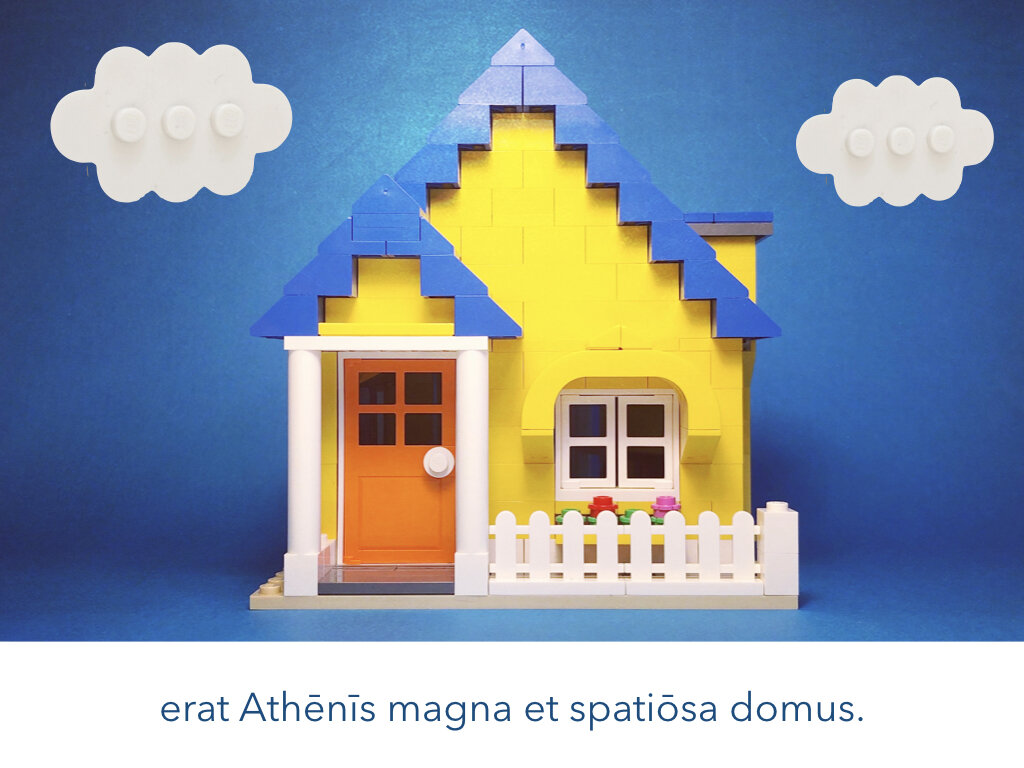
Erat Athēnīs magna et spatiōsa domus.
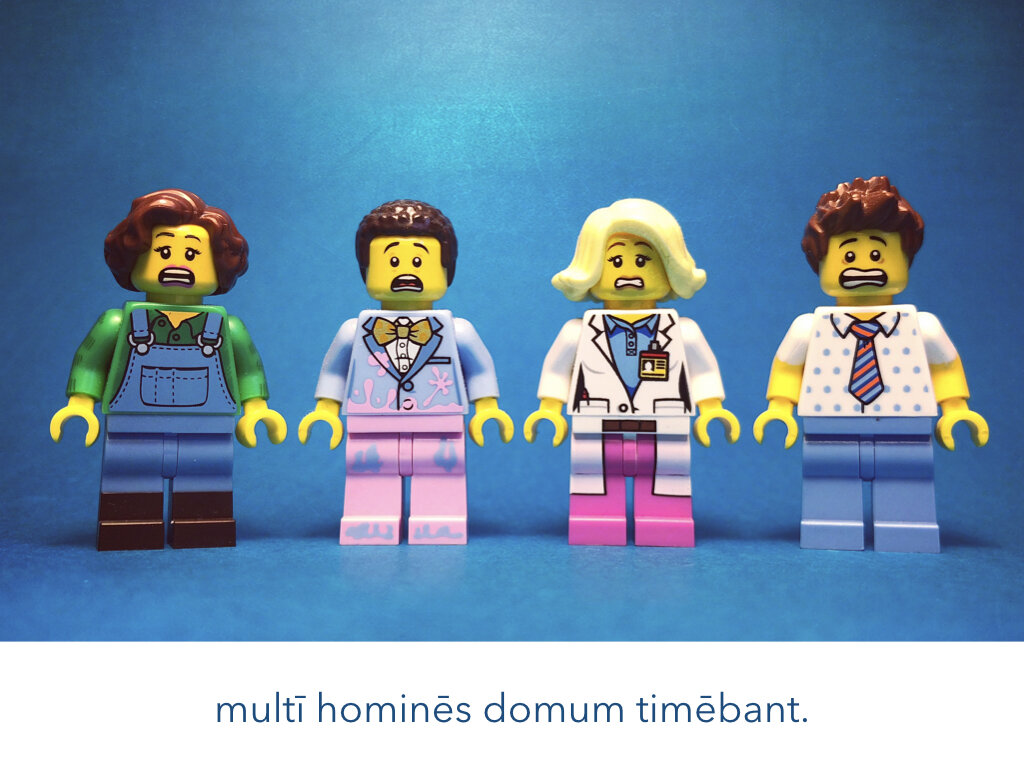
Multī hominēs domum timēbant.
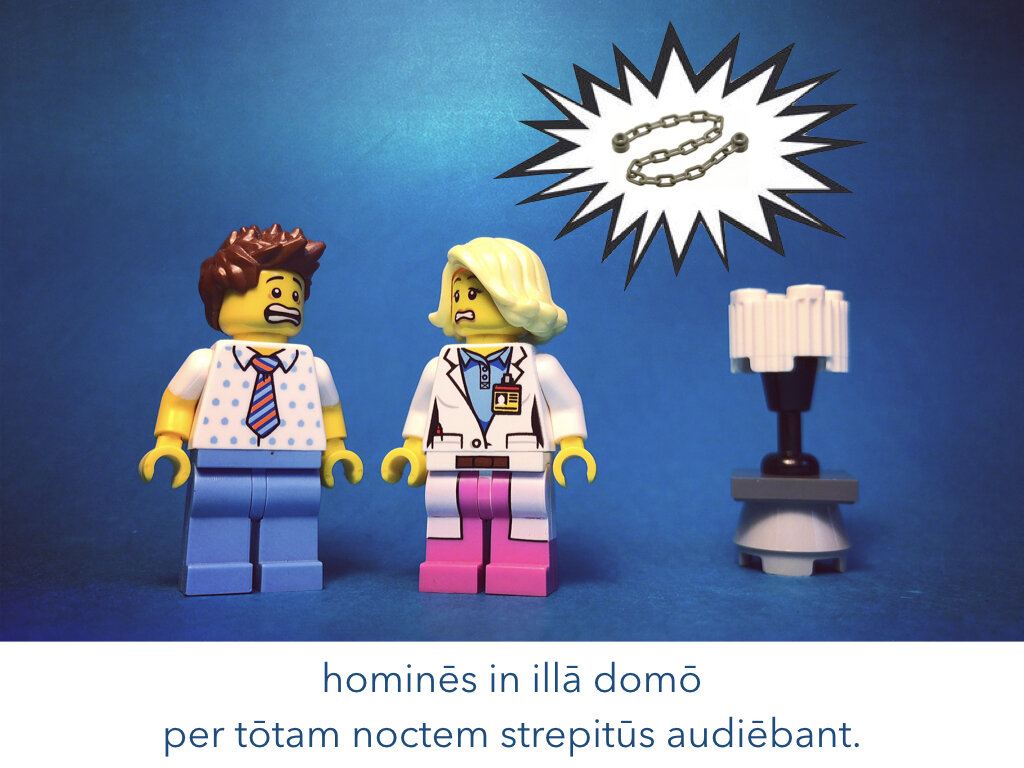
Hominēs in illā domō per tōtam noctem strepitūs audiēbant.
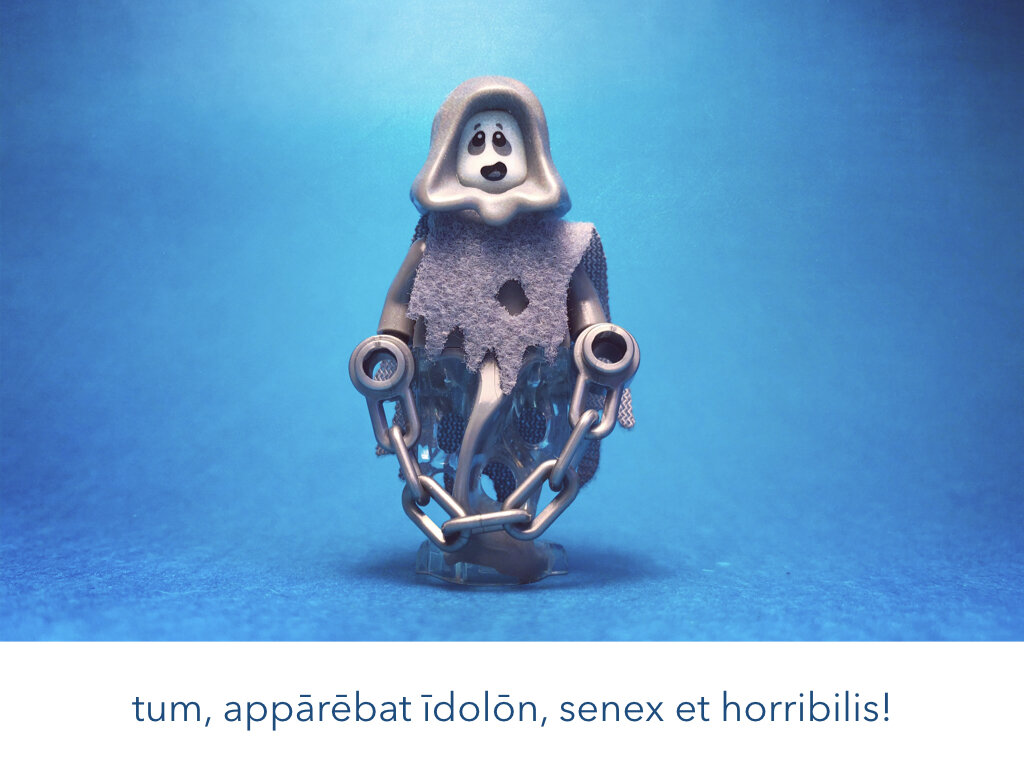
Tum, appārēbat īdolōn, senex et horribilis!
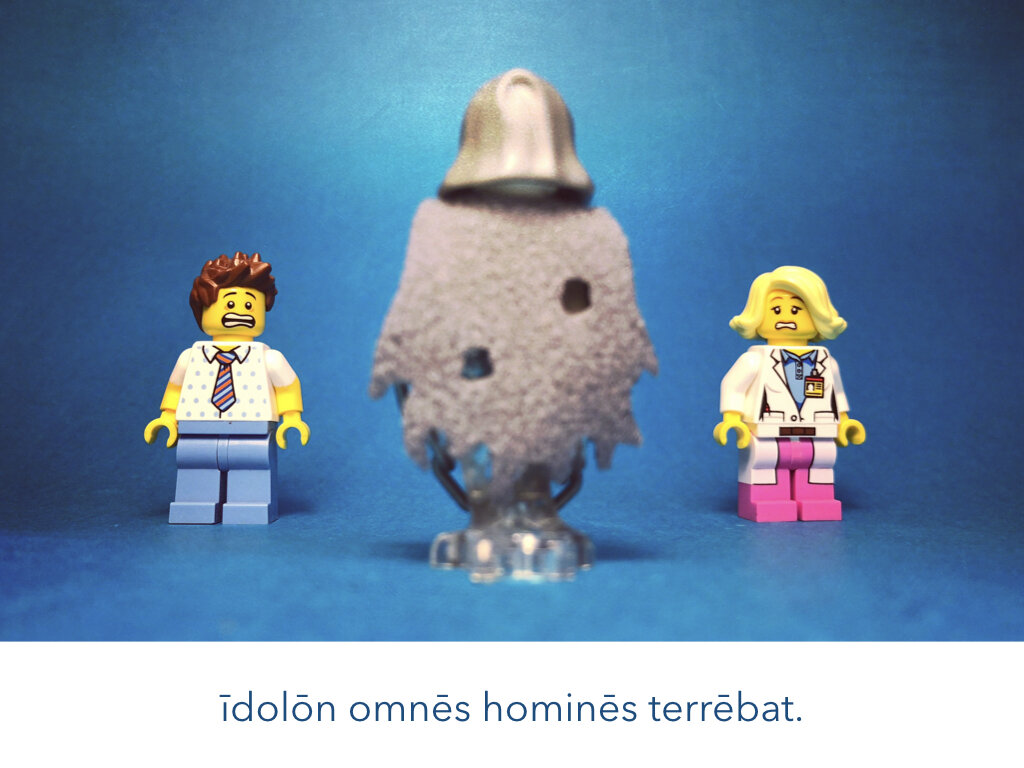
Īdolōn omnēs hominēs terrēbat.
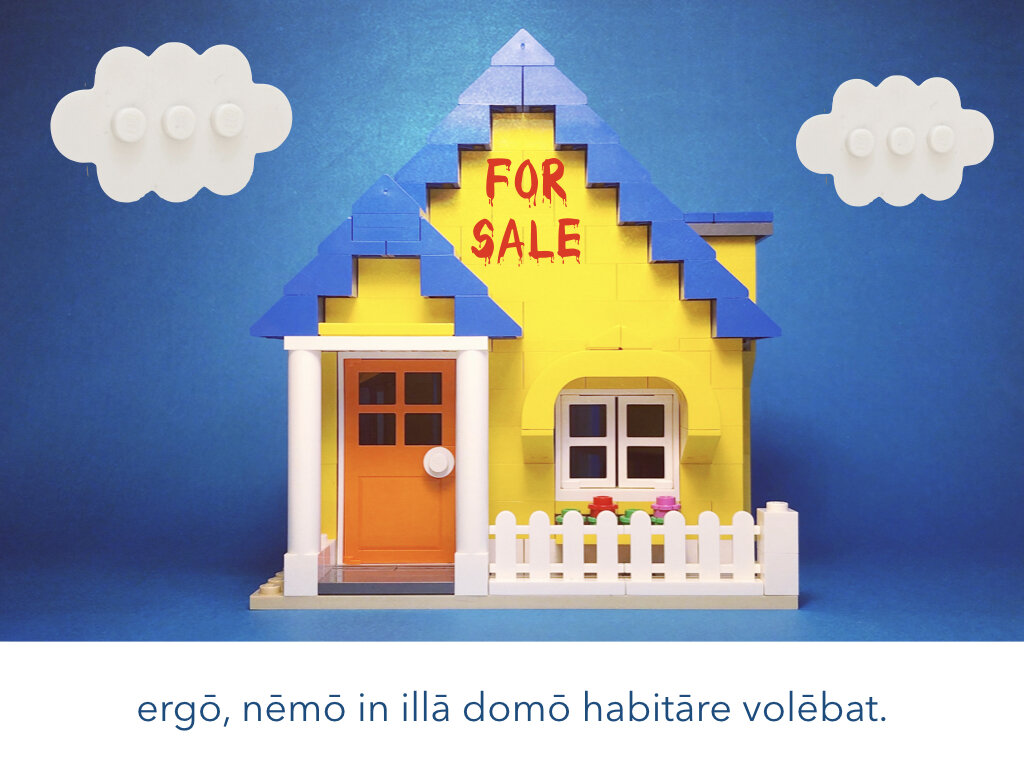
Ergō, nēmō in illā domō habitāre volēbat.
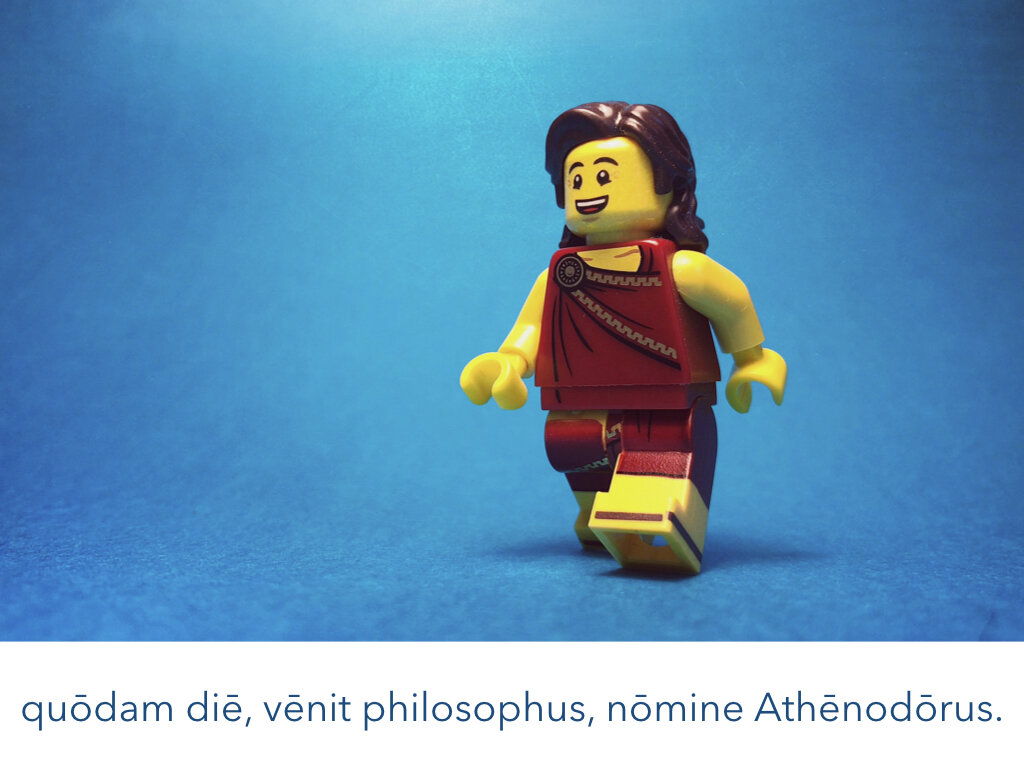
Quōdam diē, vēnit philosophus, nōmine Athēnodōrus.
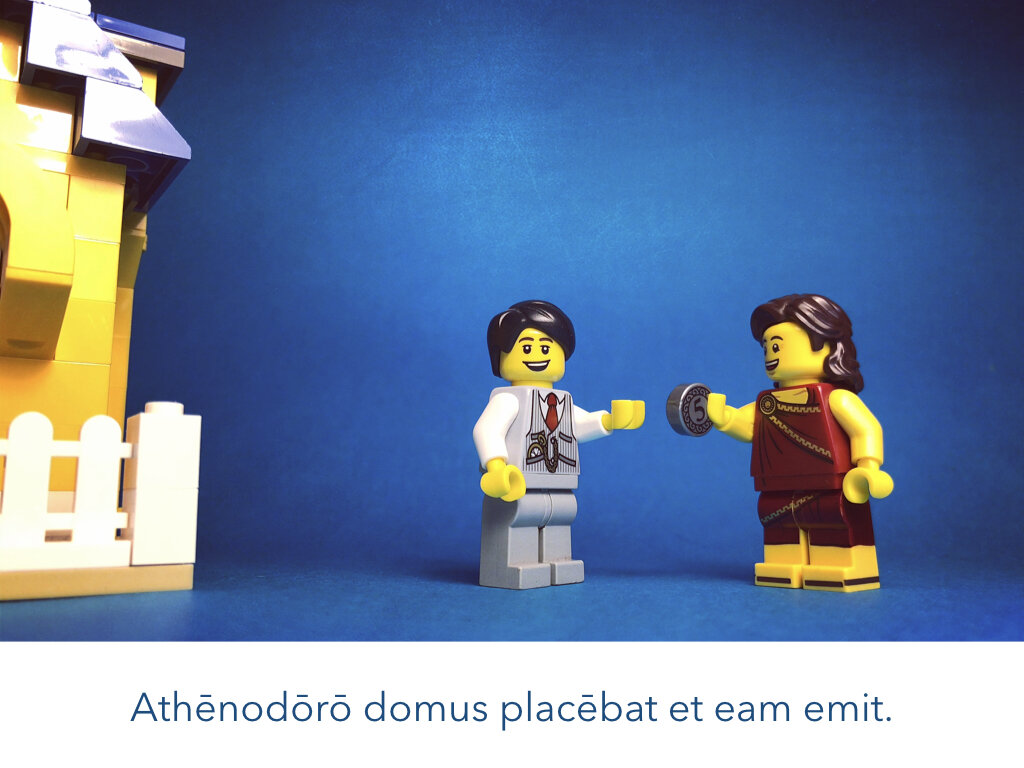
Athēnodōrō domus placēbat et eam emit.
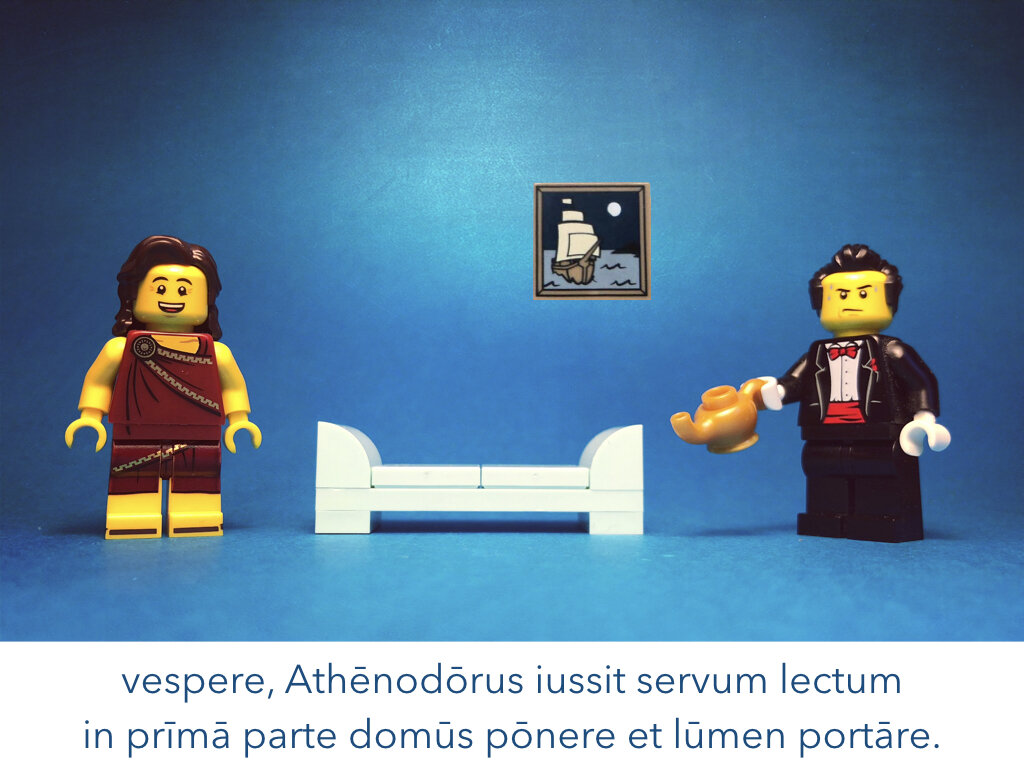
Vespere, Athēnodōrus iussit servum lectum in prīmā parte domūs pōnere et lūmen portāre.
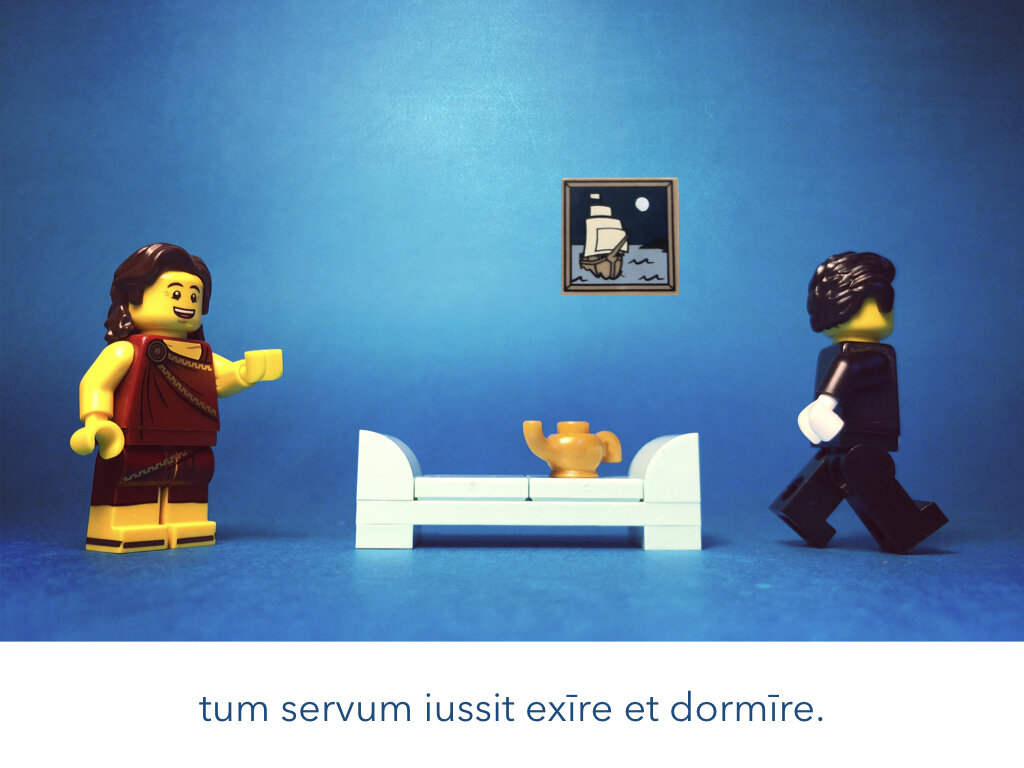
Tum servum iussit exīre et dormīre.
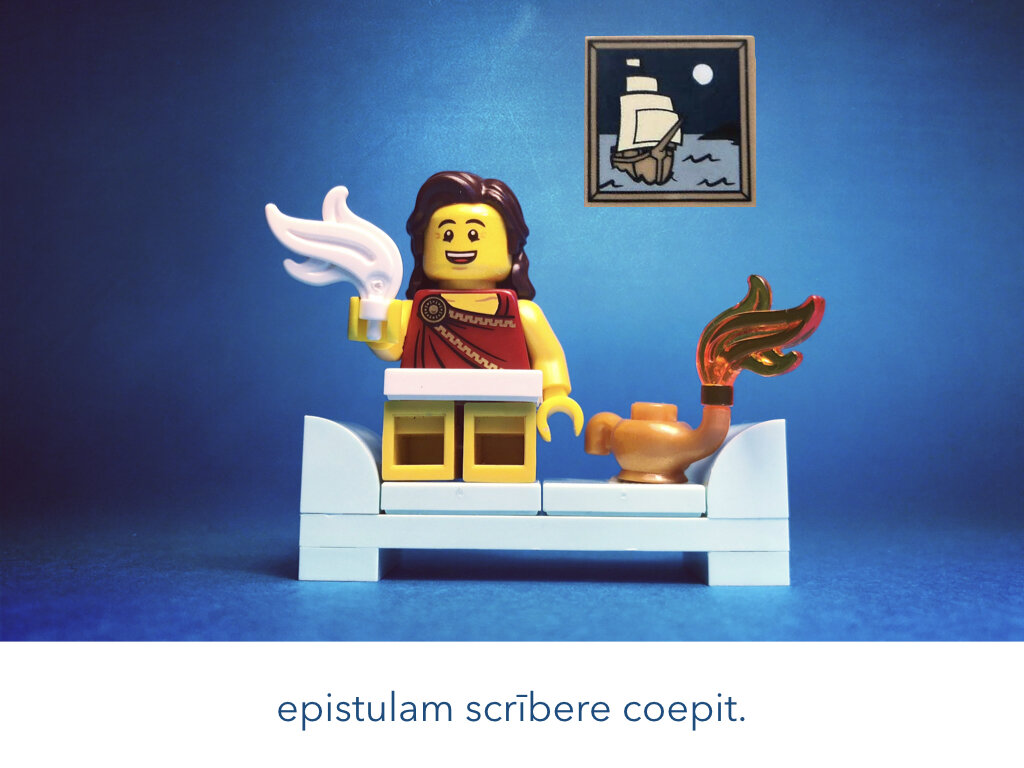
Epistulam scrībere coepit.
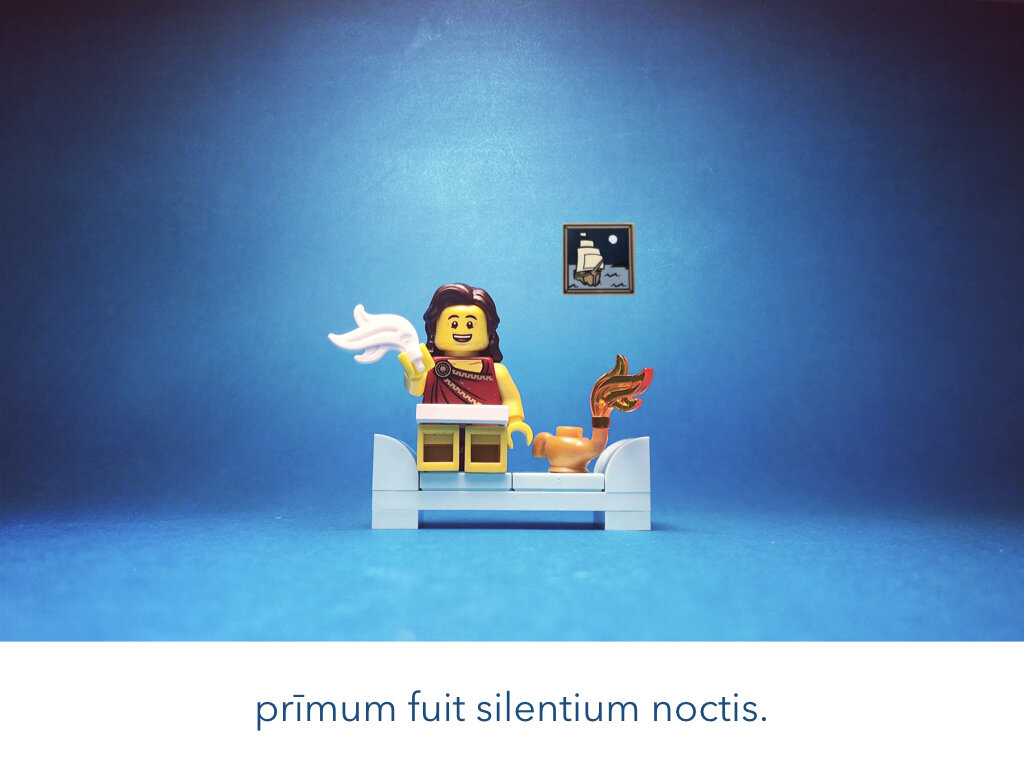
Prīmum fuit silentium noctis.
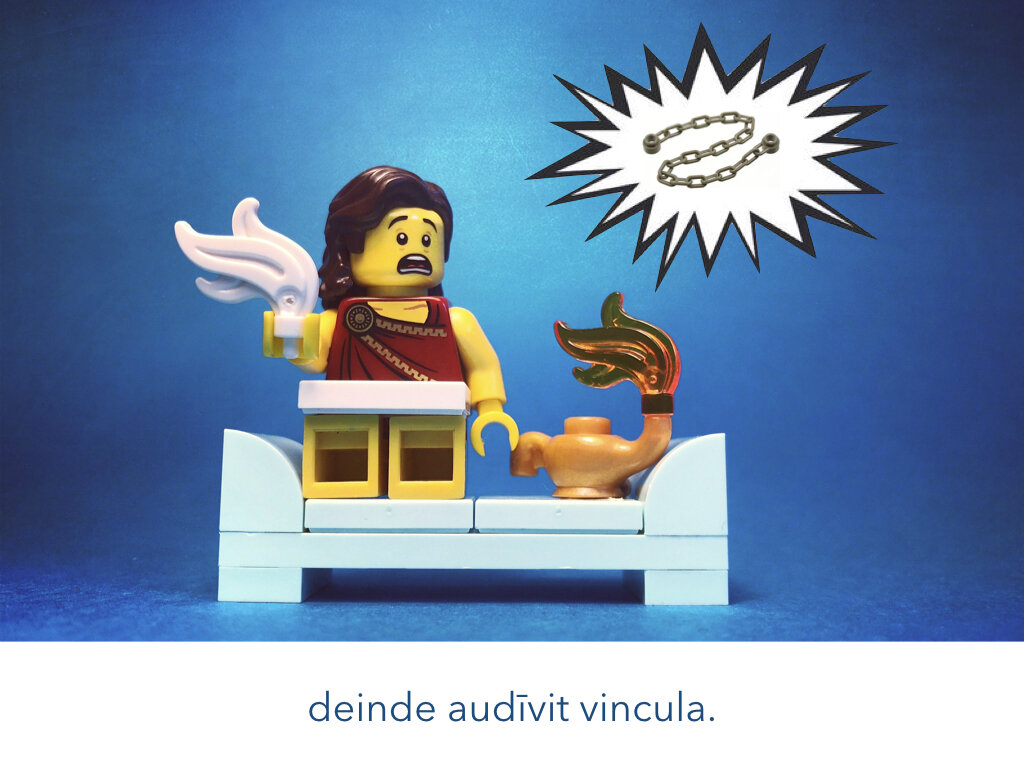
Deinde audīvit vincula.
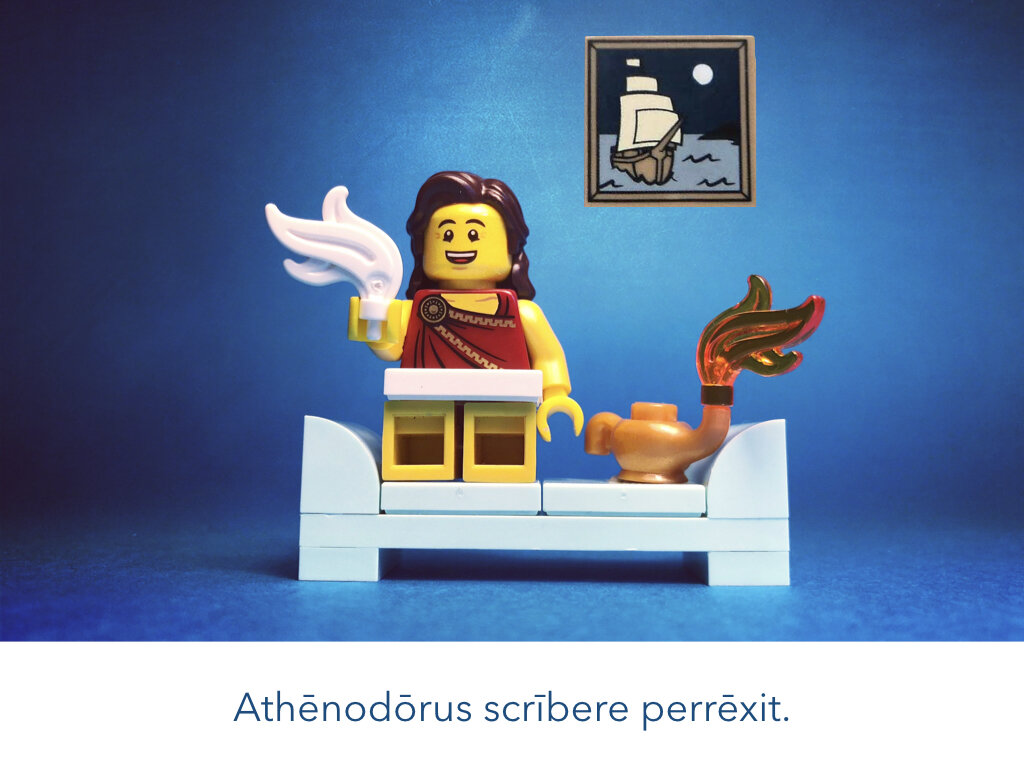
Athēnodōrus scrībere perrēxit.
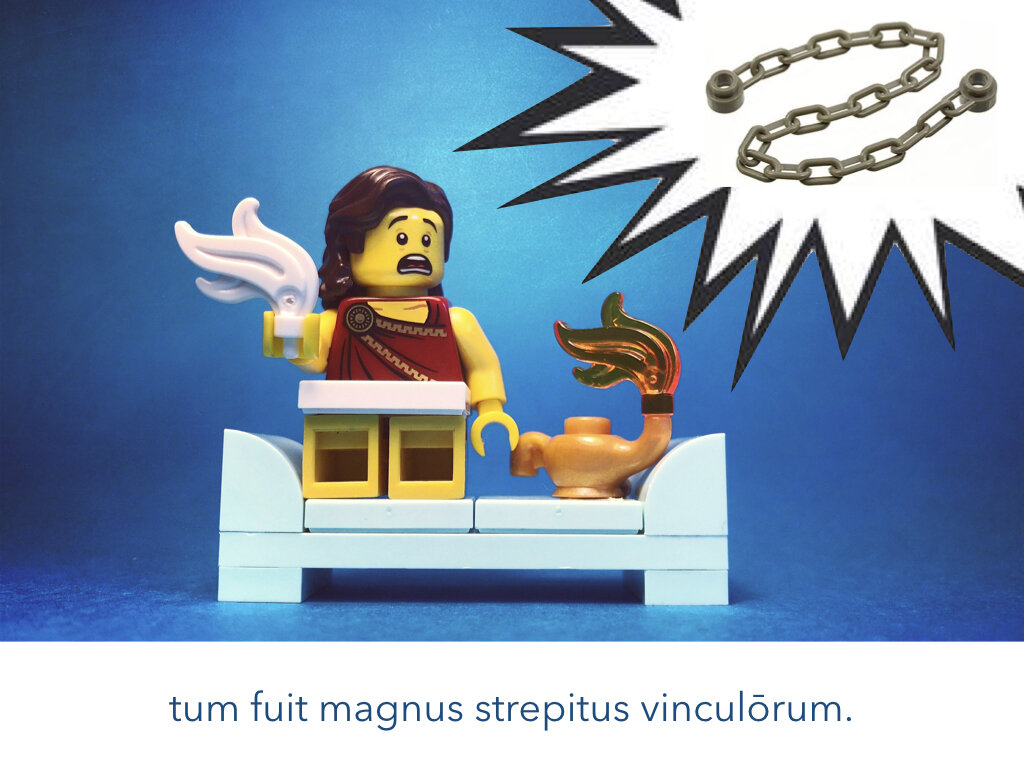
Tum fuit magnus strepitus vinculōrum.
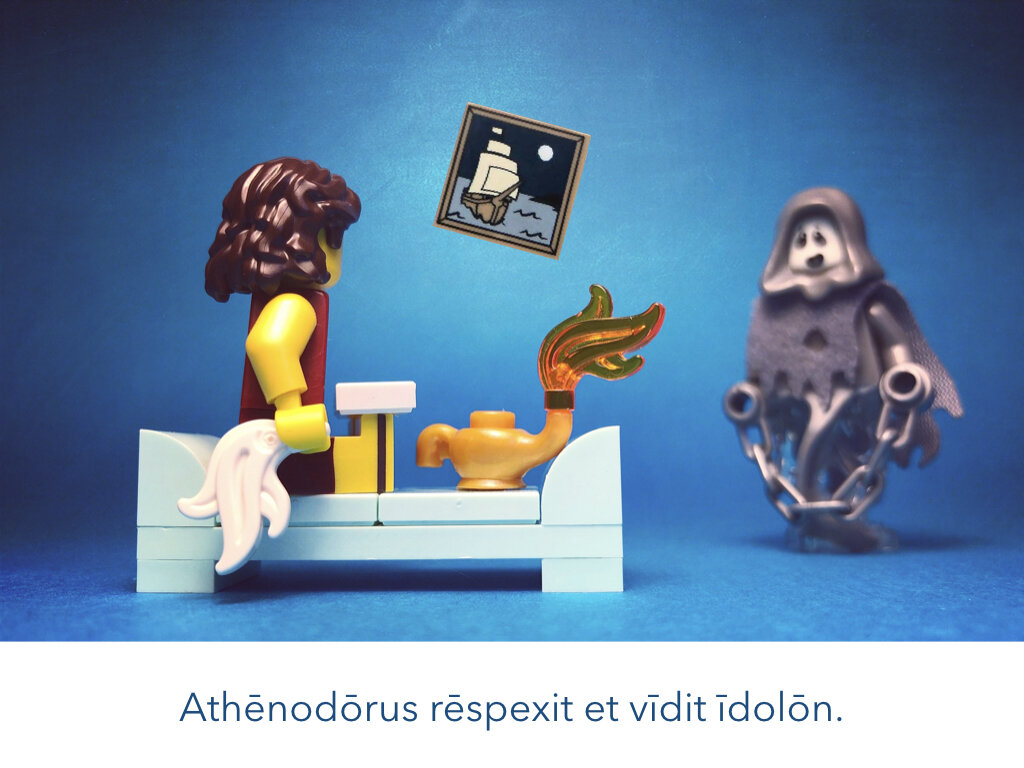
Athēnodōrus rēspexit et vīdit īdolōn.
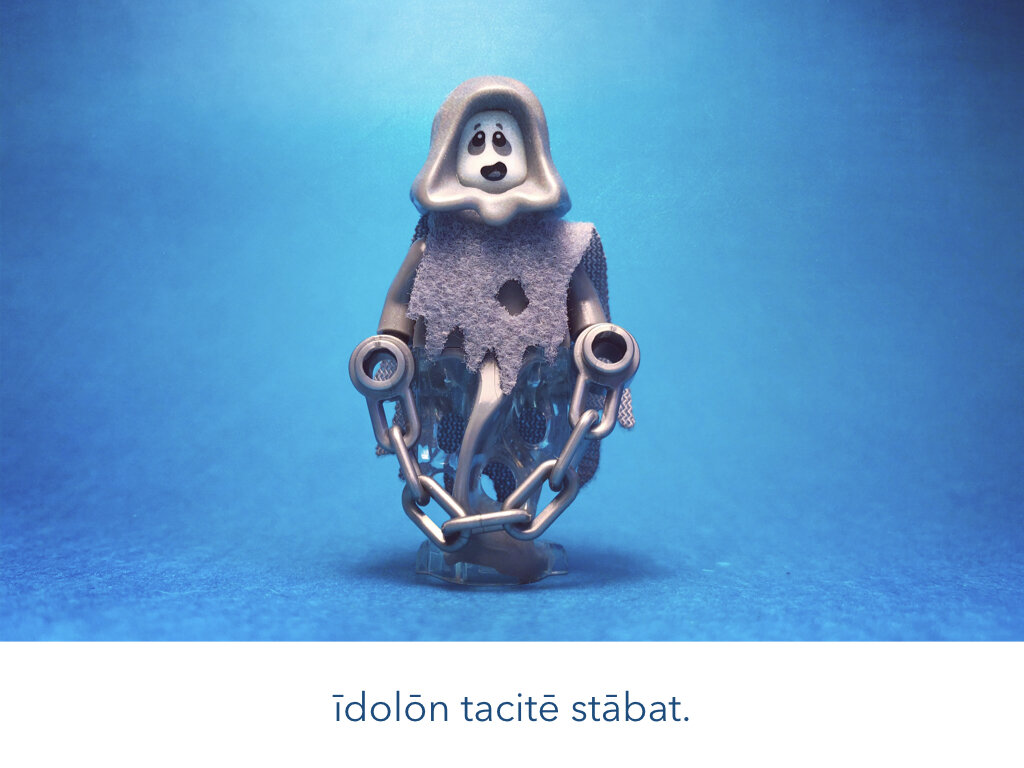
Īdolōn tacitē stābat.
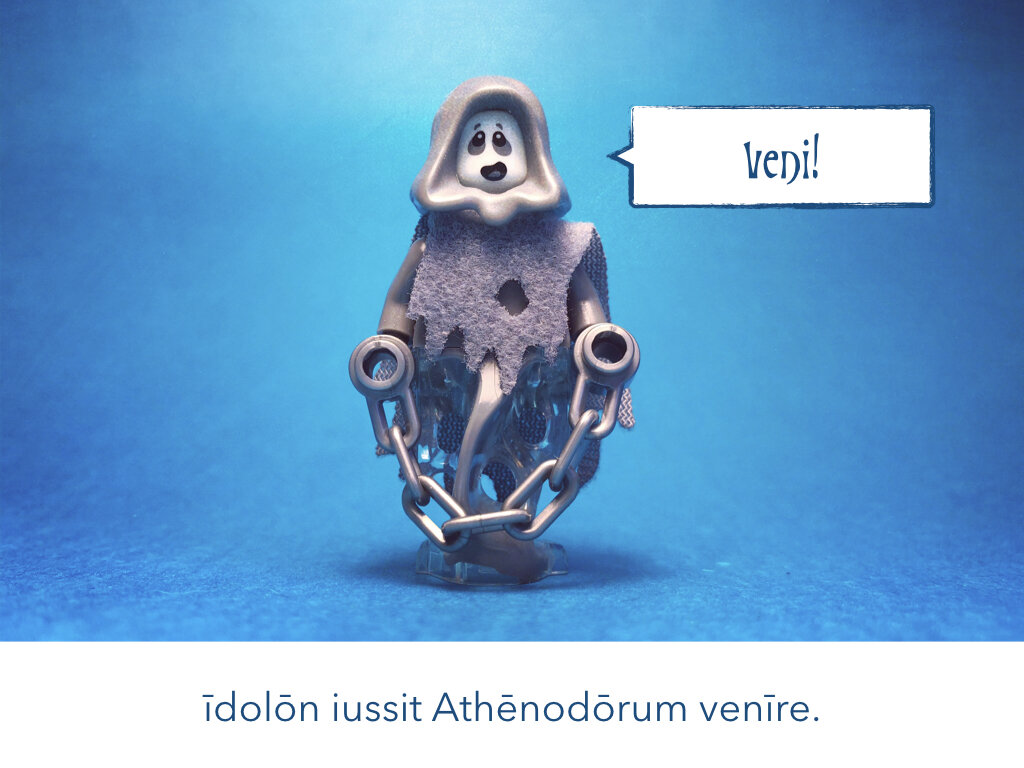
Īdolōn iussit Athēnodōrum venīre.
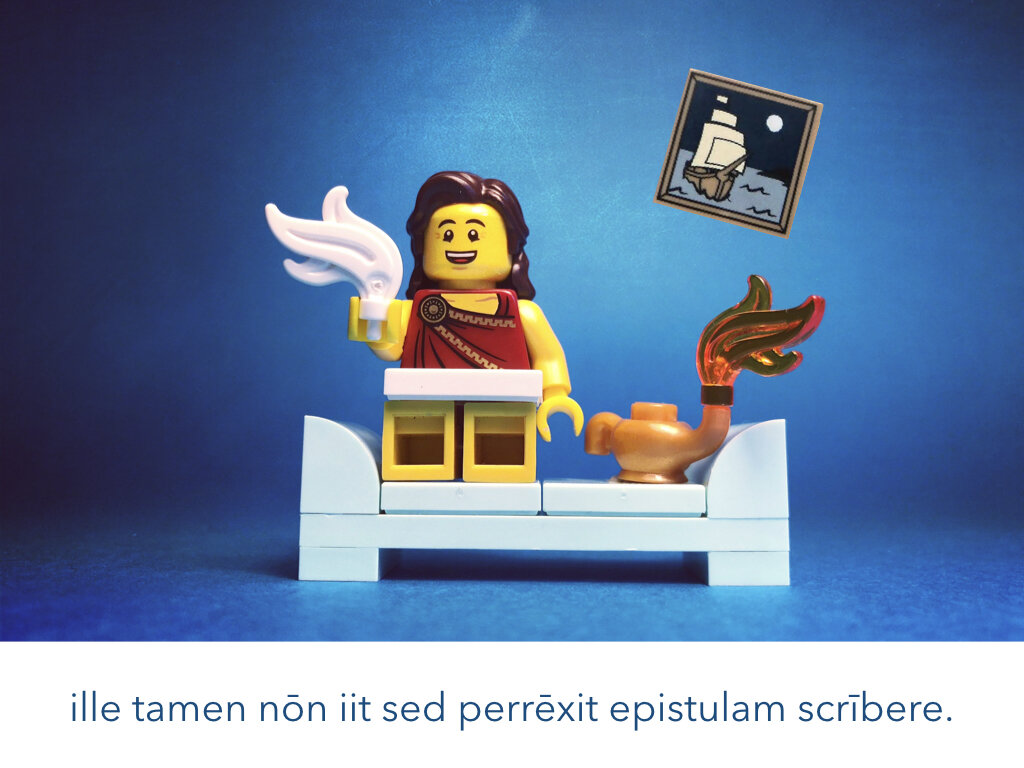
Ille tamen nōn iit sed perrēxit epistulam scrībere.
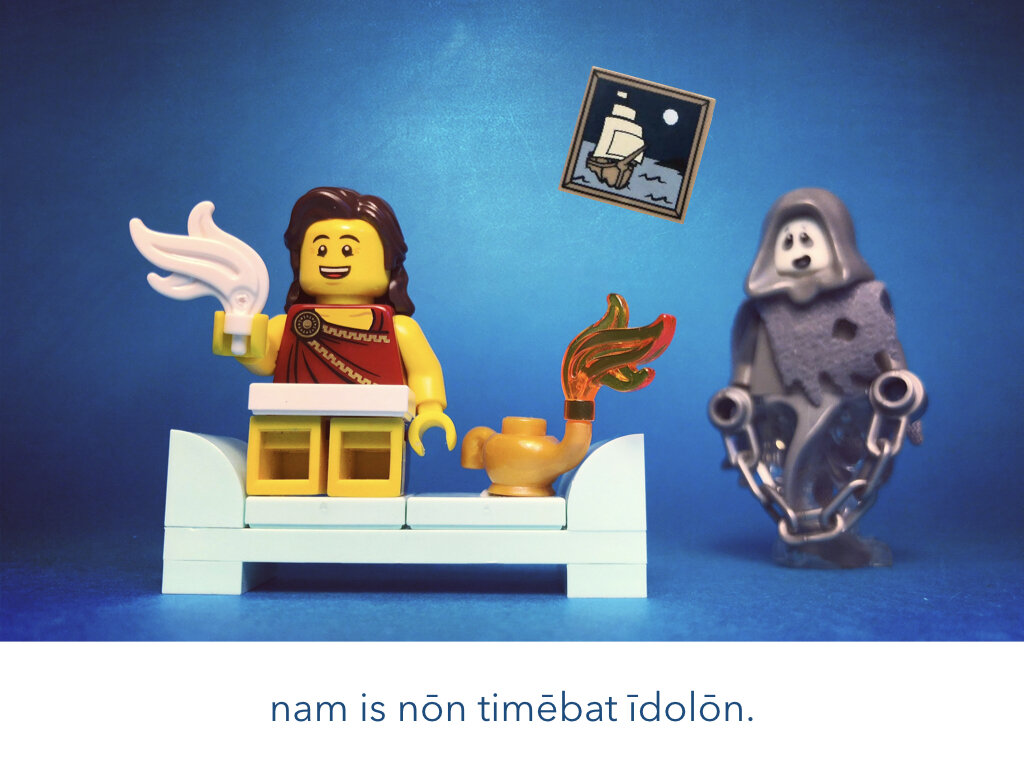
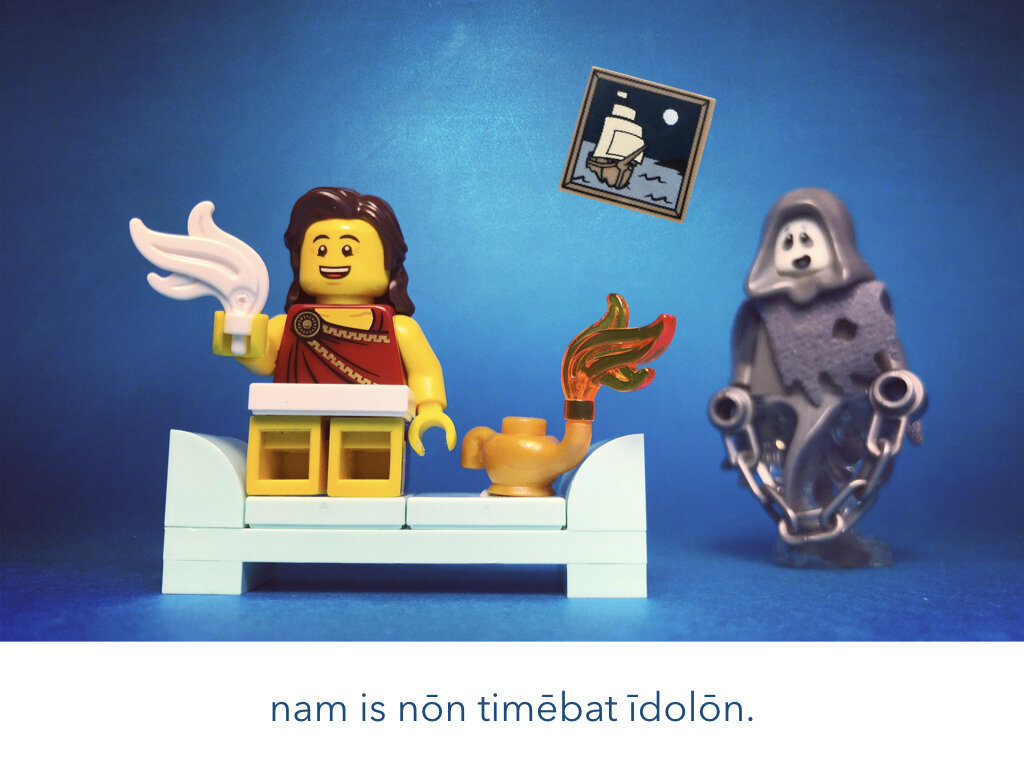
Nam is nōn timēbat īdolōn.
Tum īdolōn, suprā caput Athēnodōrī, clāmāvit.
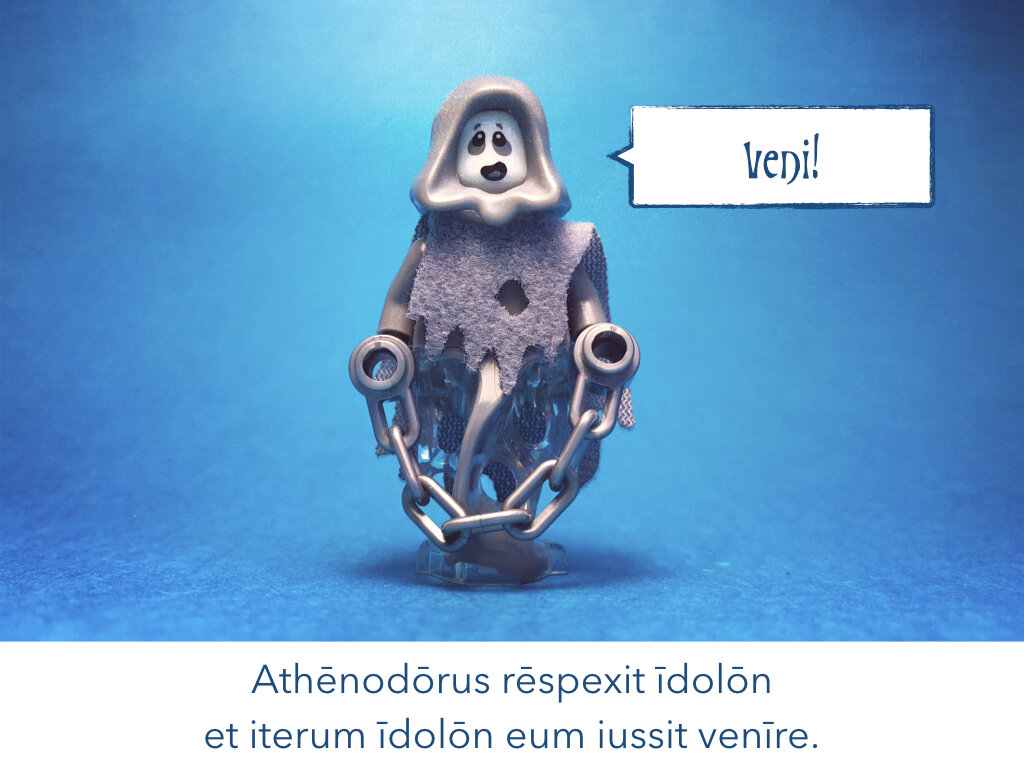
Athēnodōrus rēspexit īdolōn et iterum īdolōn eum iussit venīre.
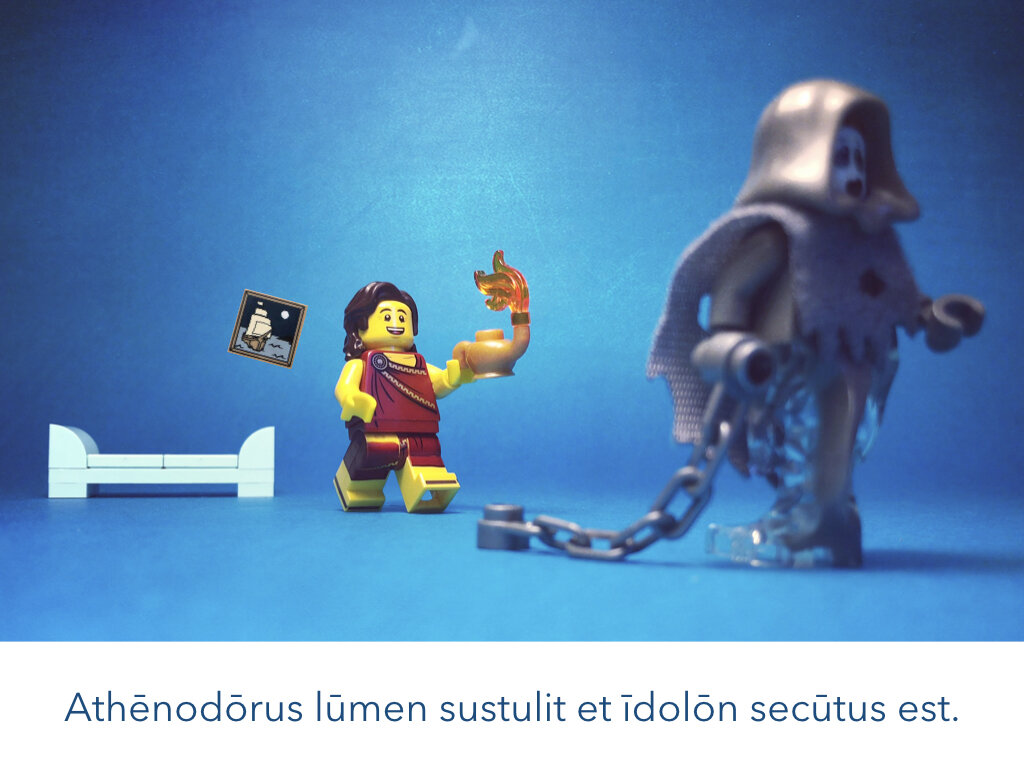
Athēnodōrus lūmen sustulit et īdolōn secūtus est.
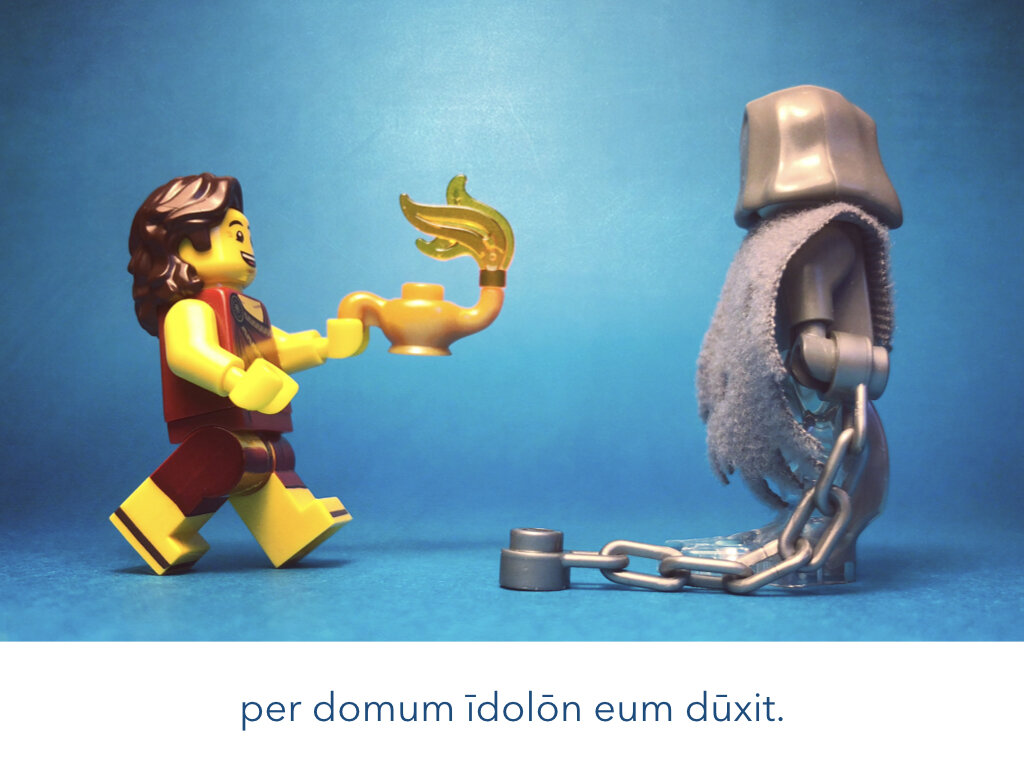
Per domum īdolōn eum dūxit.
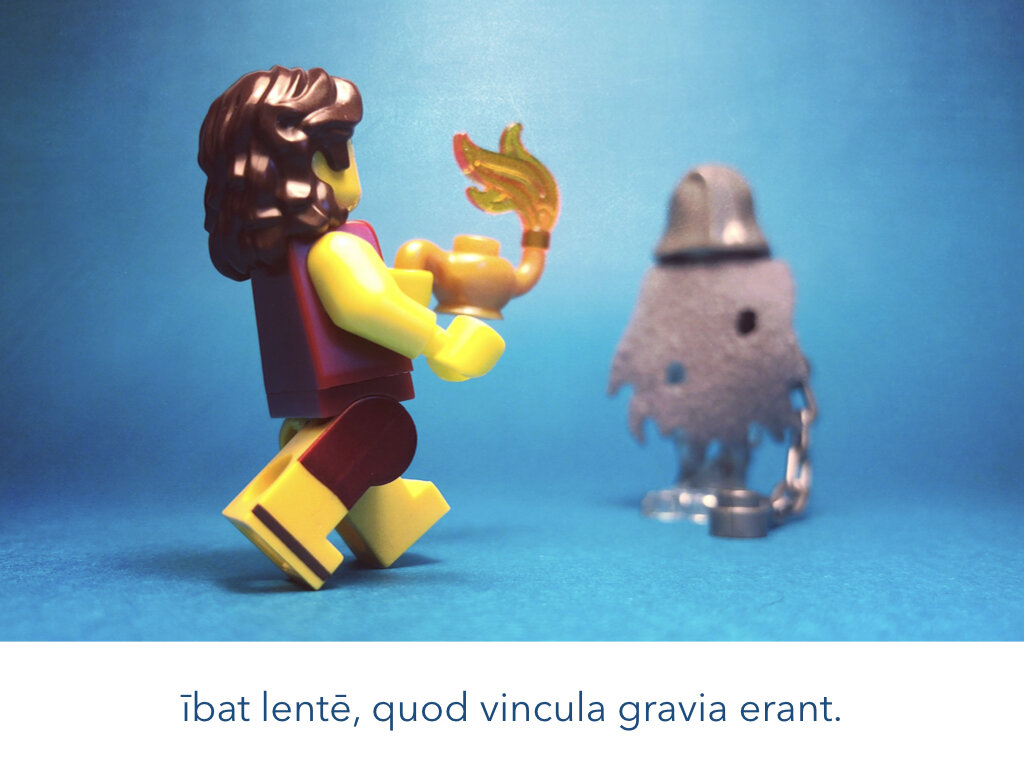
Ībat lentē, quod vincula gravia erant.
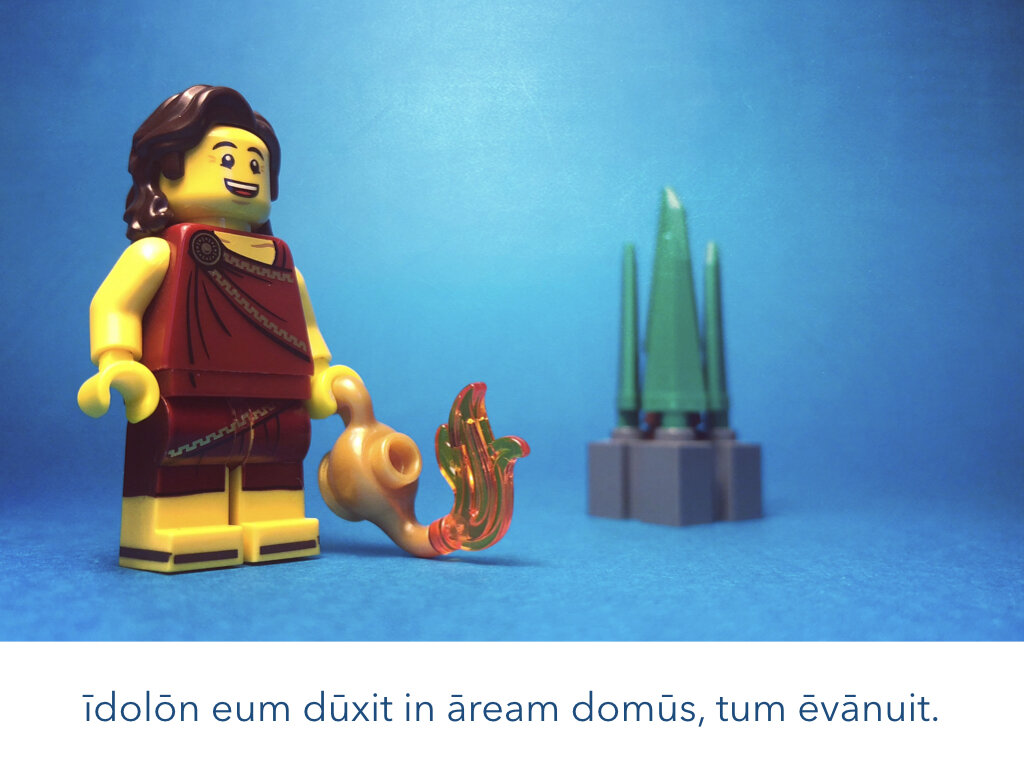
Īdolōn eum dūxit in āream domūs, tum ēvānuit.
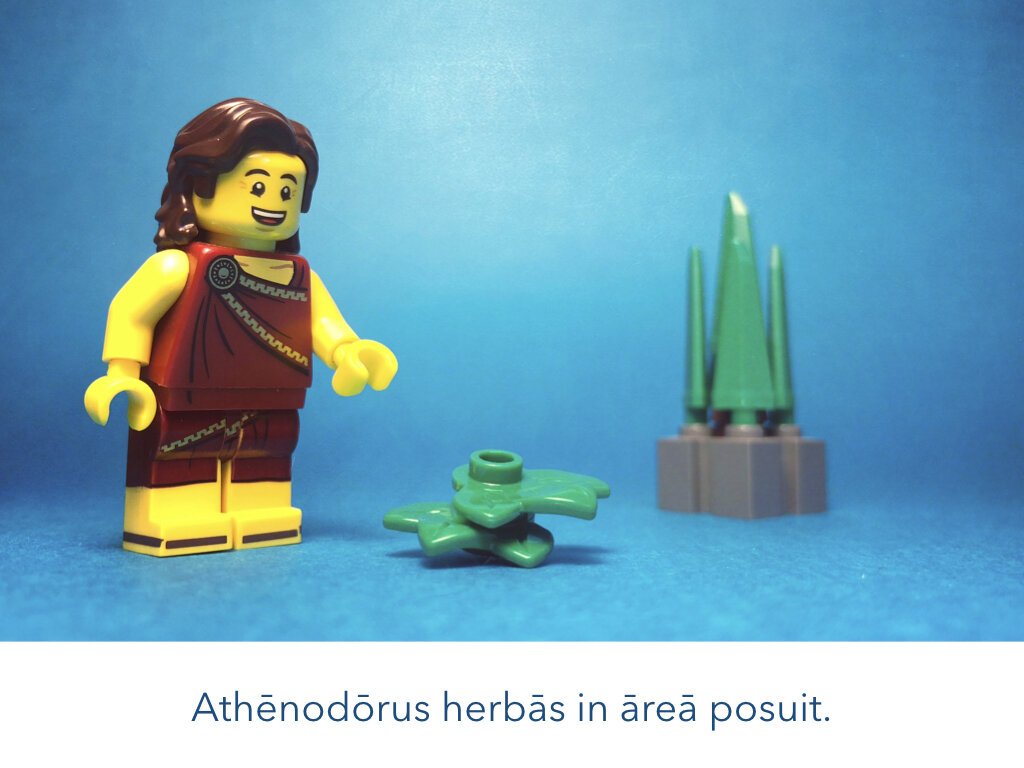
Athēnodōrus herbās in āreā posuit.
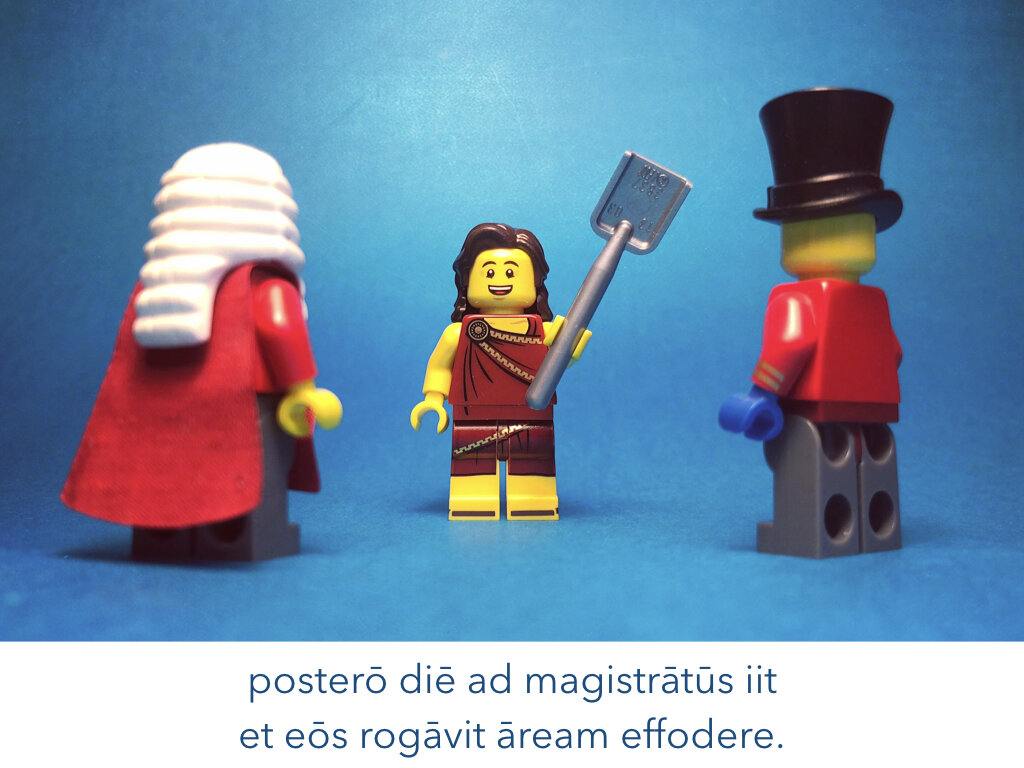
Posterō diē ad magistrātūs iit et eōs rogāvit āream effodere.
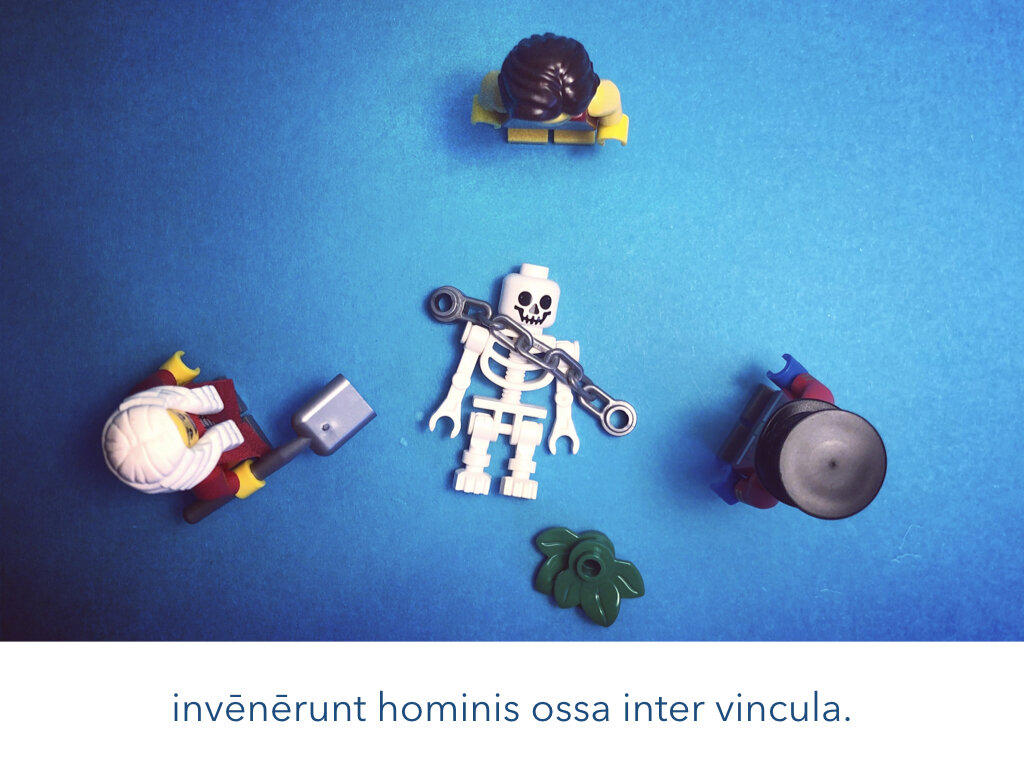
Invēnērunt hominis ossa inter vincula.
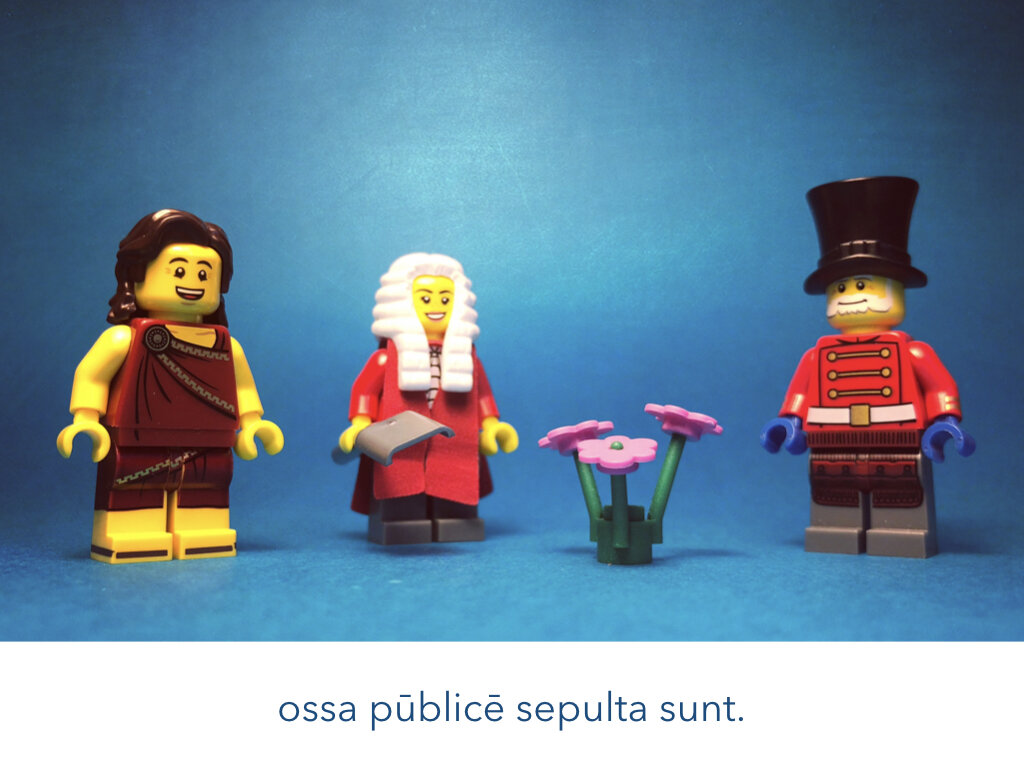
Ossa pūblicē sepulta sunt.
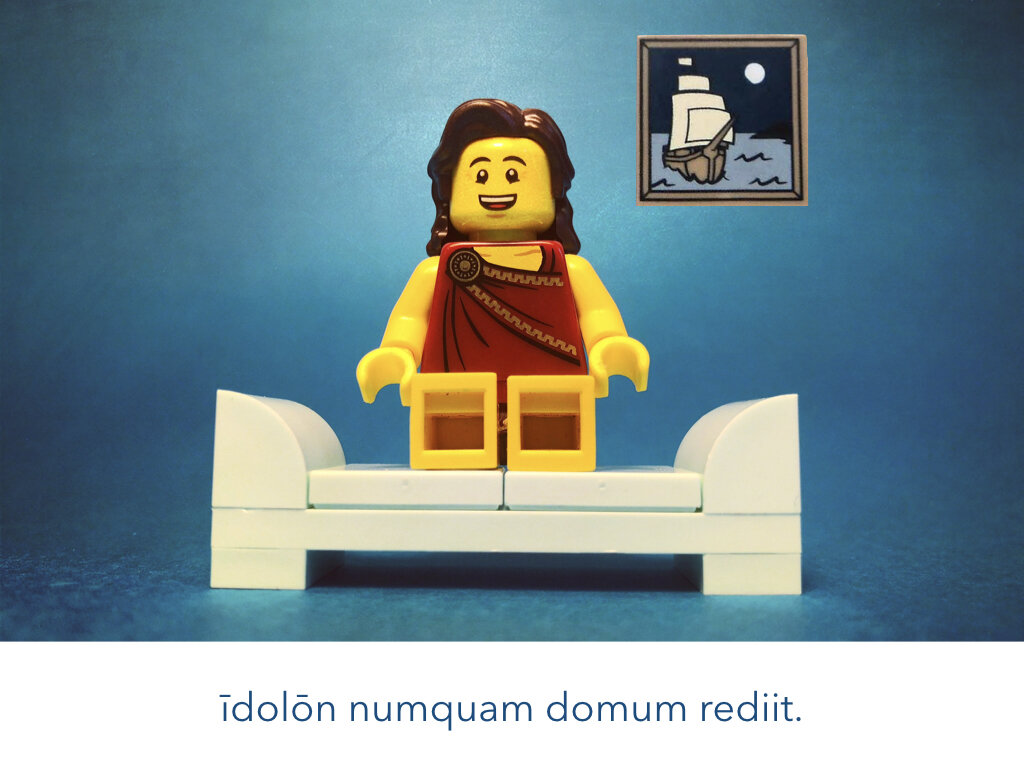
Īdolōn numquam domum rediit.
Ubi domus sita est? (Where is the house?)
Quālīs est domus? (What kind of house is it?)
Quid hominēs in illā domō audiēbant? (What do people hear in this house?)
Quālīs est īdōlōn? (What kind of spirit is it?)
Quō mūnere Athēnodōrus fungitur? (What is Athenodorus’ career?)
Estne ‘vespere’ tempus diēī an noctis? (Is vespers a time of day or night?)
In quā parte domūs servus dormit? (In which part of the house does the slave sleep?)
Quid servus ad Athēnodōrum portat? (What did the slave carry to Athenodorus?)
Quid Athēnodōrus scrībit? (What did Athenedorus write?)
Num īdōlōn celeriter ībat? (Did the spirit go quickly?)
In quā parte domūs īdōlōn ēvānuit?(In which part of the house did the spirit vanish?)
Quem Athēnodōrus āream effodere rogāvit? (Which area did Athenodorus ask to be excavated - dug up?)
Rediitne domum īdōlōn? (Did the spirit return to the house?)
If you finish the assignment early, choose one of the following activities:
legonium - Gimkit games (or just look around the site)