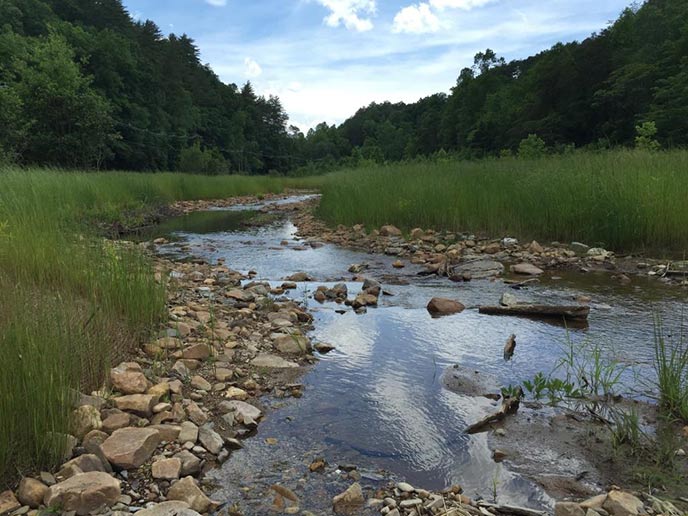
Decline terra, terrae, f. – land
Match the description to the corresponding part of speech.
| Draggable item | arrow_right_alt | Corresponding Item |
|---|---|---|
Introduces a phrase which consists of the preposition and its object. | arrow_right_alt | Noun |
A word used to express the name of a person, place, thing, or idea. | arrow_right_alt | Pronoun |
A word used to describe a verb, an adjective, or another adverb | arrow_right_alt | Adjective |
A word used in the place of a noun. | arrow_right_alt | Verb |
A word showing strong feeling or emotion | arrow_right_alt | Adverb |
A connecting word used to join words, phrases, clauses or sentences | arrow_right_alt | Preposition |
A word used to describe a noun. | arrow_right_alt | Conjunction |
A word used to express action or state of being. | arrow_right_alt | Interjection |
Nouns have which of the following qualities?
Verbs have which of the following qualities?
A verb agrees with its subject in
The nominative case is used for
The genitive case is used for
The dative case is used for
The ablative case is used for
ab is a preposition used with both agent and place from which.
in followed by an accusative object of the preposition means “into” or “onto.”
An indirect object will not be found in a sentence that contains a prepositional phrase.
Only an ablative of manner uses the preposition cum.
Possession can be shown by the genitive or the dative case.
Which verb tenses indicate continued action?
Which verb tenses indicate completed action?
Decline terra, terrae, f. – land
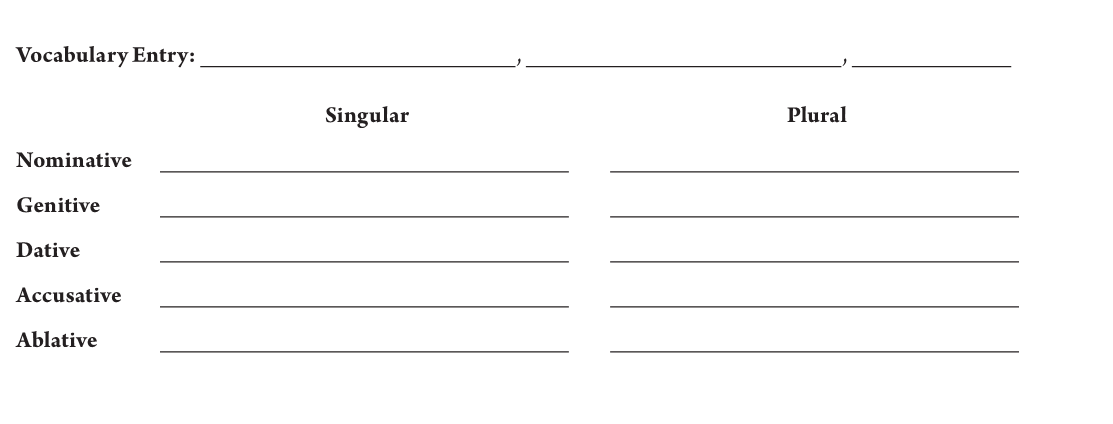
Decline rīvus, rīvī, m. – stream
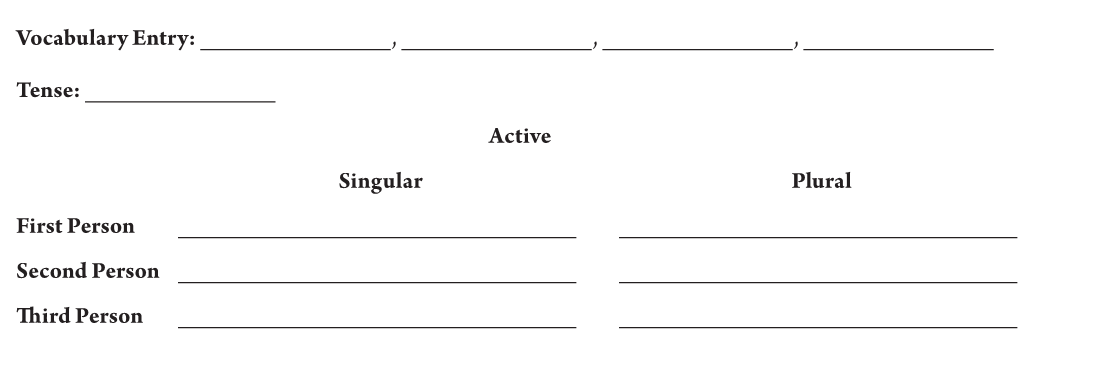
Match the tense indicators with the corresponding tense for the indicative mood:
| Draggable item | arrow_right_alt | Corresponding Item |
|---|---|---|
Future | arrow_right_alt | -ba |
Future Perfect | arrow_right_alt | -bi- for 1st & 2nd conjugations, -e- for 3rd & 4th conjugations |
Imperfect | arrow_right_alt | -i, -isti, -it, -imus, -istis, -erunt (add to perfect stem). |
Perfect | arrow_right_alt | -eram, -eras, -erat, -eramus, -eratis, -erant (add to perfect stem |
Pluperfect | arrow_right_alt | -ero, -eris, -erit, -erimus, -eritis, -erint (add to perfect stem). |
Match the tense indicators with the corresponding tense for the subjunctive mood:
| Draggable item | arrow_right_alt | Corresponding Item |
|---|---|---|
Present | arrow_right_alt | Add personal endings to the infinitive |
Perfect | arrow_right_alt | Characteristic vowels for the 4 conjugations: -e-, -ea, -a-, -ia- |
Pluperfect | arrow_right_alt | -erim, -eris, -erit, -erimus, -eritis, -erint (add to perfect stem). |
Imperfect | arrow_right_alt | -issem, -isses, -isset, -issemus, -issetis, -issent (add to perfect stem). |
Ītalia est terra in Eurōpā. Britannia est terra in Eurōpā. Britannia est īnsula, sed Ītalia est paeninsula. Quamquam Britannia et Ītalia sunt terrae parvae, sunt pulchrae. Sunt silvae et aquae pulchrae in Ītaliā et in Britanniā. Nātūra Ītaliae et Britanniae est bona. Agricolae in Ītaliā et in Britanniā vītās bonās agunt. Incolae vītam bonam in Ītaliā et in Britanniā laudant. Fortūna incolārum bona est in terrīs Eurōpae. In multīs linguīs poetae Eurōpam pulchram cantant.
Vocabulary
agricola, agricolae m farmer
agunt (they) live
aqua, aquae f water
bona good
cantant (they) sing
fortūna, fortūnae f destiny, luck, fortune
incola, incolae mf inhabitant
laudant (they) praise
lingua, linguae f tongue, language
multīs many
natūra, natūrae f nature, substance
paeninsula, paeninsulae f peninsula
parvae small
pulchrae beautiful
quamquam conj although
saepe adv often
silva, silvae f forest, woods
vīta, vītae f life
Ubi sunt Britannia et Ītalia?
Suntne Britannia et Ītalia magnae?
Nominative Singular
Genitive Singular
Gender
Nominative Singular
Genitive Singular
Dative Singular
Accusative Singular
Ablative Singular
Nominative Plural
Genitive Plural
Dative Plural
Accusative Plural
Ablative Plural
Nominative Singular
Genitive Singular
Gender
Nominative Singular
Genitive Singular
Dative Singular
Accusative Singular
Ablative Singular
Nominative Plural
Genitive Plural
Dative Plural
Accusative Plural
Ablative Plural
1st Principal Part
2nd Principal Part
3rd Principal Part
4th Principal Part
1st Person Singular
2nd Person Singular
3rd Person Singular
1st Person Plural
2nd Person Plural
3rd Person Plural
1st Principal Part
2nd Principal Part
3rd Principal Part
4th Principal Part
1st Person Singular
2nd Person Singular
3rd Person Singular
1st Person Plural
2nd Person Plural
3rd Person Plural
Estne natūra bona in Britanniā et Ītaliā?
Are these lands well-liked by inhabitants?
What do the poets sing about?