Twa kɔ nsɛm atitiriw so
Log in
Sign up for FREE
arrow_back
Laabri

CP Marshmallow Munchkin

star
star
star
star
star
Last updated about 2 years ago
44 Nsɛmmisa
6
Asemmisa {{asɛmmisaAhyɛnsode}}
1.

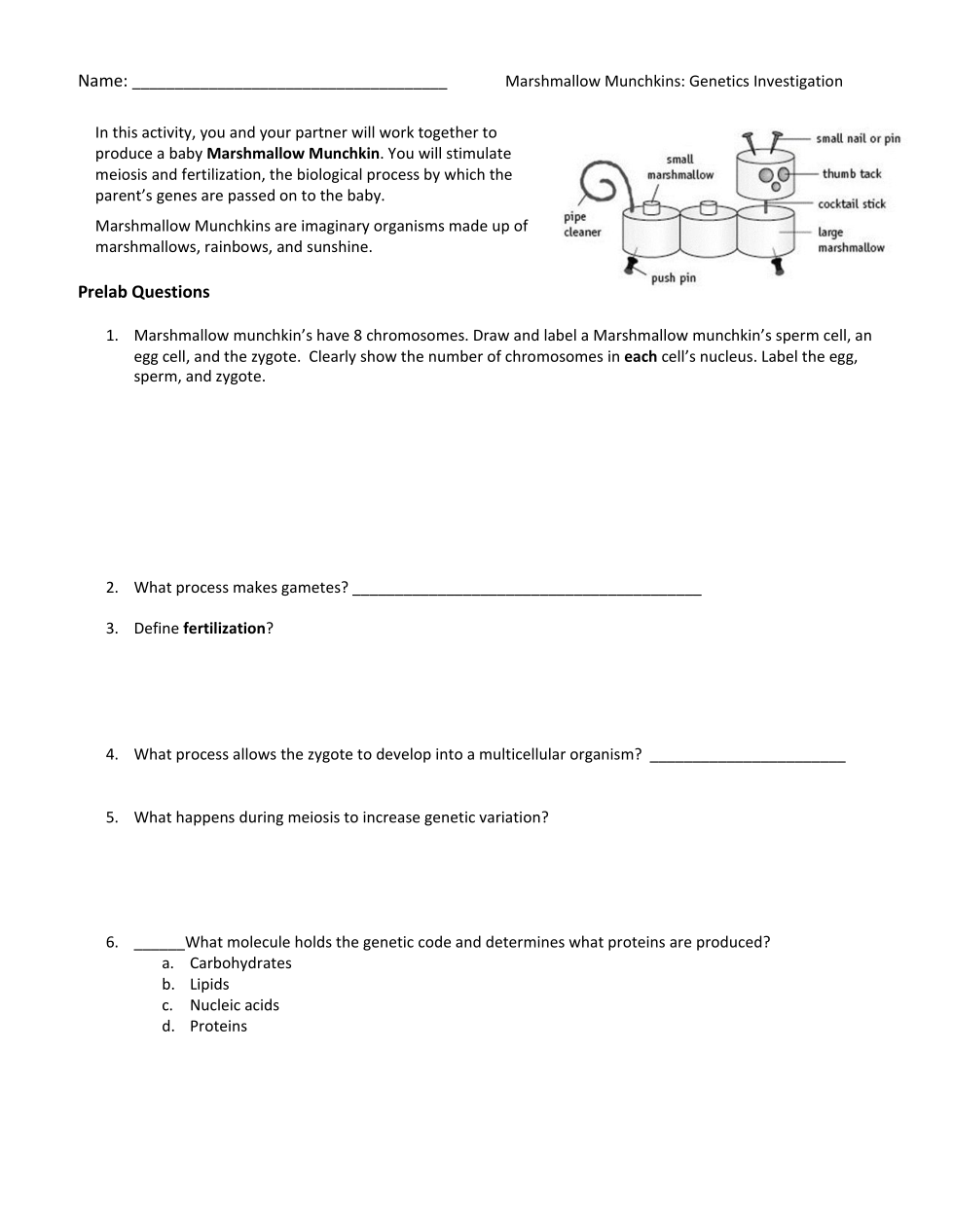
Marshmallow munchkin's have 8 chromosomes. Draw and label a munchkin's sperm, an egg, and the zygote. Clearly show the number of chromosomes in each cell. Label the egg, sperm, and zygote.

1
1
1
1
1
1
Asemmisa {{asɛmmisaAhyɛnsode}}
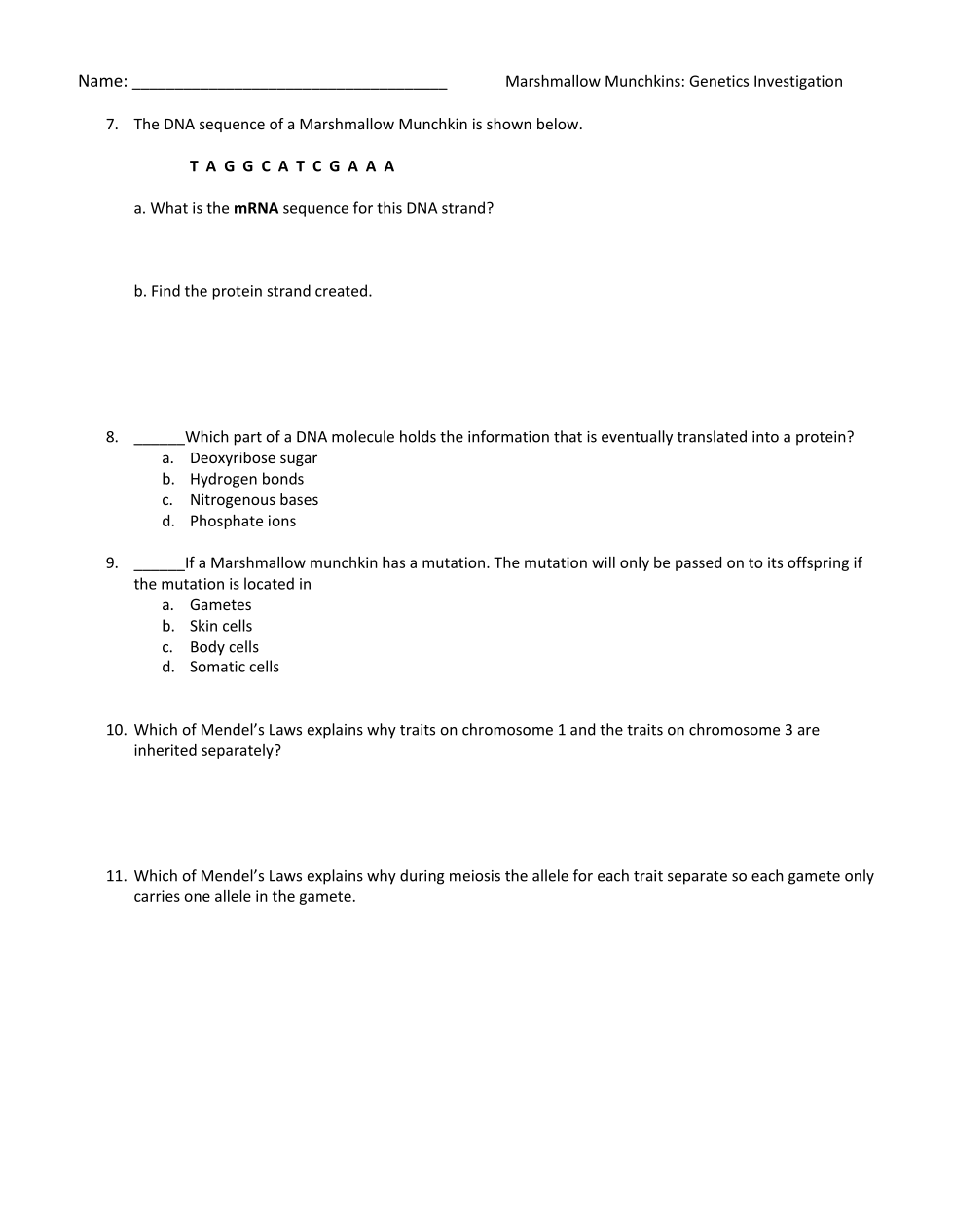
7.

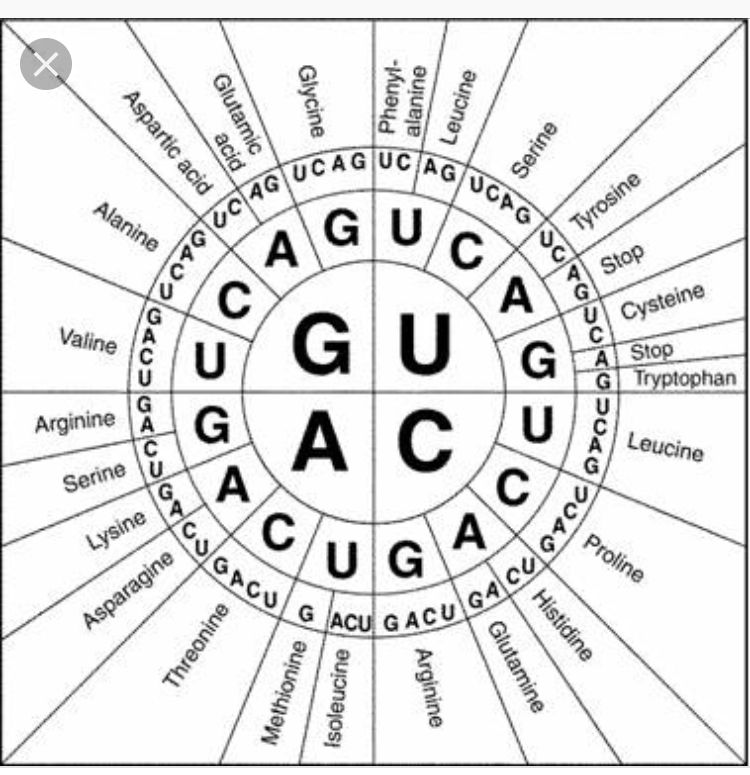
The DNA sequence of a Marshmallow Munchkin is show below:

T A G - G C A - T C G- A A A

find the mRNA sequence

1
1
1
1
1
1
1
1
1
1
1
1
1
1
1
Asemmisa {{asɛmmisaAhyɛnsode}}
22.

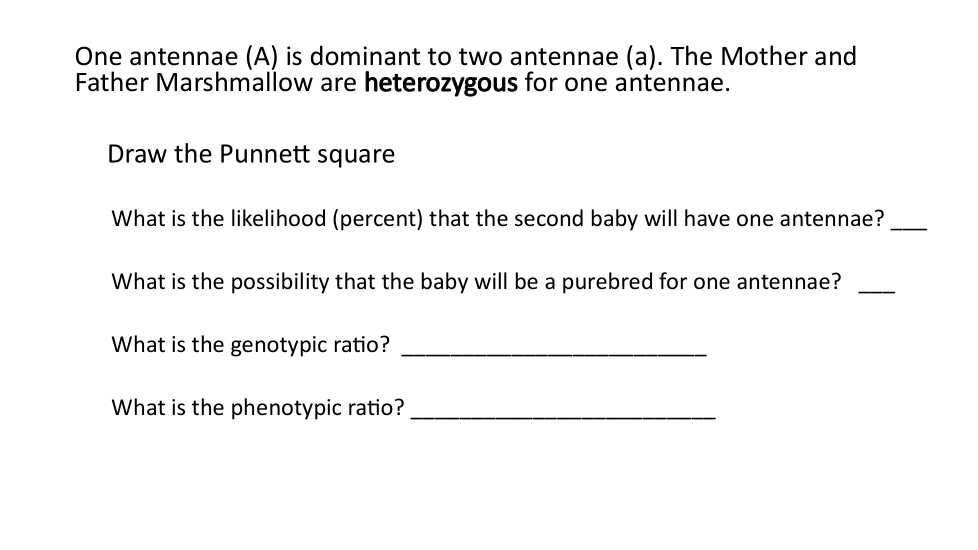
One antennae (A) is dominant to two antennae (a).

Draw the punnett square for a two Marshmallows who are heterozygous for one antennae. (cross Aa x Aa)

1
Asemmisa {{asɛmmisaAhyɛnsode}}
23.

Look at #22, what percent of the babies will have one antennae?

1
Asemmisa {{asɛmmisaAhyɛnsode}}
24.

Look at #22, what percent of the babies will be purebred for one antennae?

1
1
1
Asemmisa {{asɛmmisaAhyɛnsode}}
27.
1
Asemmisa {{asɛmmisaAhyɛnsode}}
28.
1
Asemmisa {{asɛmmisaAhyɛnsode}}
29.

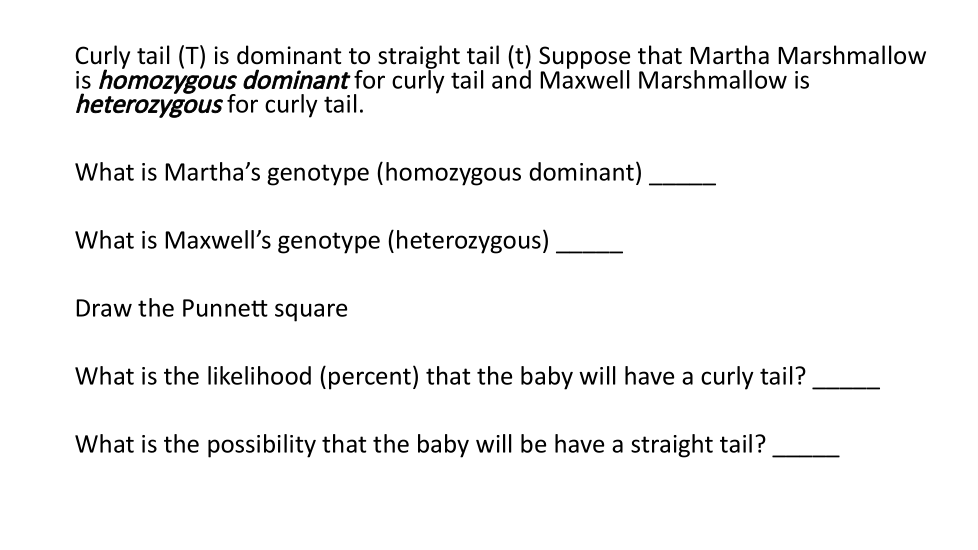
Draw the punnett square between Maxwell (Tt) and Martha (TT)

1
1
1
Asemmisa {{asɛmmisaAhyɛnsode}}
32.
1
Asemmisa {{asɛmmisaAhyɛnsode}}
33.
1
Asemmisa {{asɛmmisaAhyɛnsode}}
34.

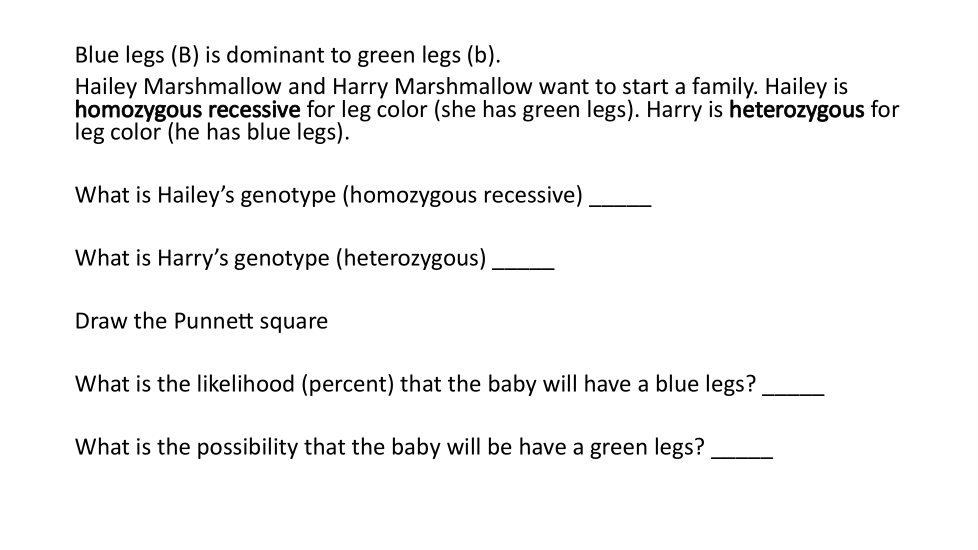
Draw a punnett square between Hailey (bb) and Harry (Bb)

1
1
1
Asemmisa {{asɛmmisaAhyɛnsode}}
37.
1
Asemmisa {{asɛmmisaAhyɛnsode}}
38.

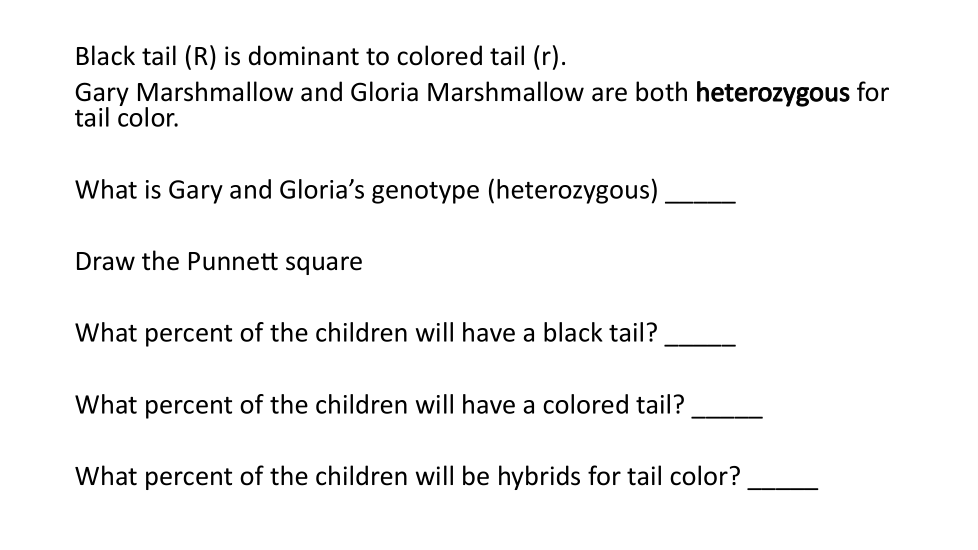
Gary Marshmallow and Gloria Marshmallow are both heterozygous (Rr) for tail color. Black tail (R) is dominant for colored tail (r). Complete the Punnett square.

1
Asemmisa {{asɛmmisaAhyɛnsode}}
39.

Look at #39. What percent will have a black tail?

1
1
1
Asemmisa {{asɛmmisaAhyɛnsode}}
42.

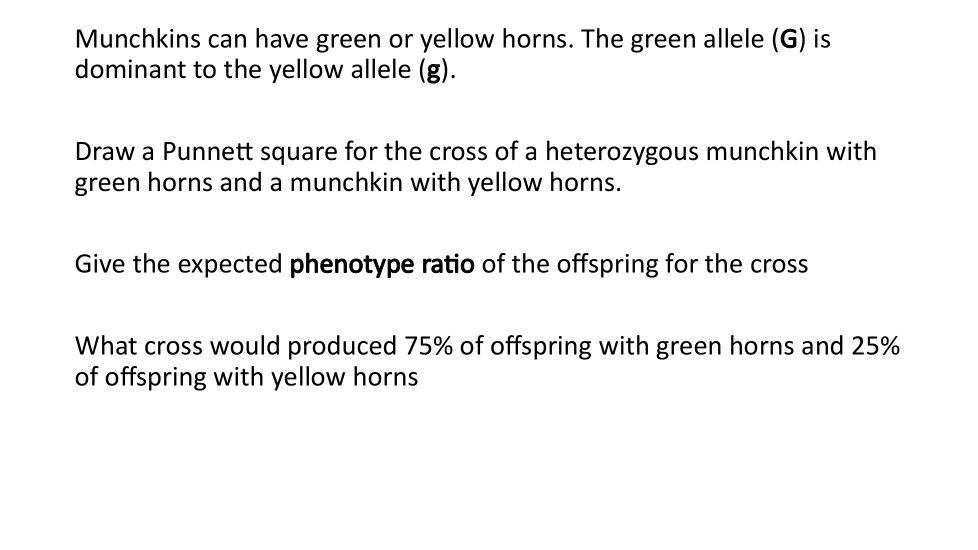
Munchkins can have green or yellow horns. The green allele (G) is dominant to the yellow allele (g).

Draw a Punnett square for a heterozygous munchkin and a homozygous recessive munchkin.

1
Asemmisa {{asɛmmisaAhyɛnsode}}
43.

Look at #43, what is the phenotypic ratio

1
Asemmisa {{asɛmmisaAhyɛnsode}}
2.

What process makes gametes?

Asemmisa {{asɛmmisaAhyɛnsode}}
3.

Define fertilization

Asemmisa {{asɛmmisaAhyɛnsode}}
4.

What process allows the zygote to develop into a multicellular organism?

Asemmisa {{asɛmmisaAhyɛnsode}}
5.

What happens during meiosis to increase genetic variation?

Asemmisa {{asɛmmisaAhyɛnsode}}
6.

Which molecules holds the genetic code?

Asemmisa {{asɛmmisaAhyɛnsode}}
8.

Find the protein chain for the mRNA sequence: AUC - CGU-AGC-UUU

Asemmisa {{asɛmmisaAhyɛnsode}}
9.

Which part of a DNA molecule holds the information that is eventually translated into a protein?

Asemmisa {{asɛmmisaAhyɛnsode}}
10.

If a Marshmallow munchkin has a mutation. The mutation will only be passed on to its offspring if the mutation is located in

Asemmisa {{asɛmmisaAhyɛnsode}}
11.

Which of Mendel's Laws explains why traits on chromosome 1 and the traits on chromosomes 3 are inherited separtely?

Asemmisa {{asɛmmisaAhyɛnsode}}
12.

Which of Mendel's Laws explains why during meiosis the allele for each trait separate so each gamete only carries one allele in the gamete?

Asemmisa {{asɛmmisaAhyɛnsode}}
13.

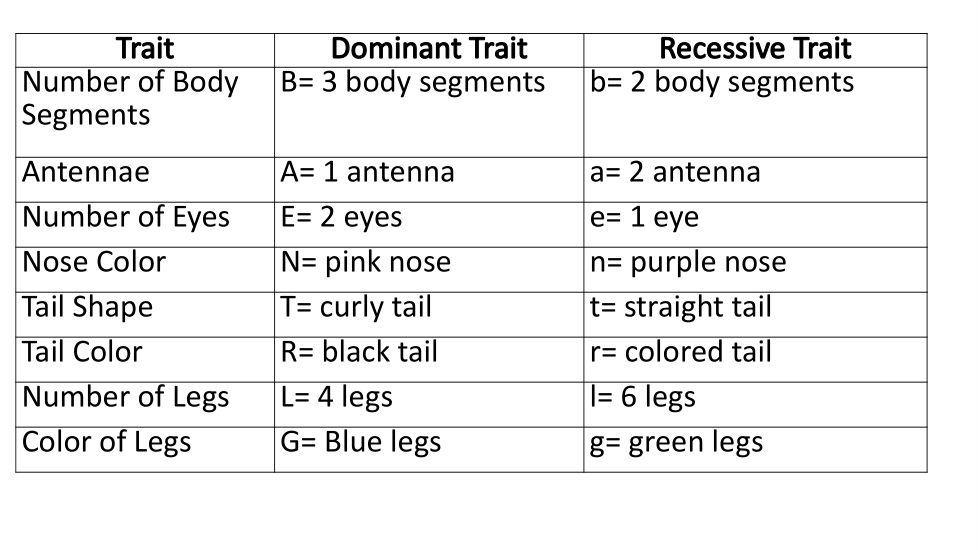
What letters are used to represent nose color?

Asemmisa {{asɛmmisaAhyɛnsode}}
14.

What letters are used to represent tail color?

Asemmisa {{asɛmmisaAhyɛnsode}}
15.

The letter “L” is used as a symbol to represent

Asemmisa {{asɛmmisaAhyɛnsode}}
16.

Write the genotype for a homozygous dominant Marshmallow with 3 body segments.

Asemmisa {{asɛmmisaAhyɛnsode}}
17.

Write the genotype for a homozygous recessive Marshmallow with green legs?

Asemmisa {{asɛmmisaAhyɛnsode}}
18.

Write the genotype for a heterozygous Marshmallow with a pink nose.

Asemmisa {{asɛmmisaAhyɛnsode}}
19.

What is the phenotype for a Marshmallow with the genotype Ee

Asemmisa {{asɛmmisaAhyɛnsode}}
20.

What is the phenotype for a Marshmallow with the genotype Nngg

Asemmisa {{asɛmmisaAhyɛnsode}}
21.

What is the phenotype for a Marshmallow with the genotype TTrr

Asemmisa {{asɛmmisaAhyɛnsode}}
25.

Look at #22, what is the genotypic ratio?

Asemmisa {{asɛmmisaAhyɛnsode}}
26.

Look at #22, what is the phenotypic ratio?

Asemmisa {{asɛmmisaAhyɛnsode}}
30.

Look at #29. What percent of the children will have curly tails?

Asemmisa {{asɛmmisaAhyɛnsode}}
31.

Look at #29. What percent of the children will have straight tails?

Asemmisa {{asɛmmisaAhyɛnsode}}
35.

Look at #34. Blue (B) is dominant to green legs (b). What percent of the offspring will have blue legs?

Asemmisa {{asɛmmisaAhyɛnsode}}
36.

Look at #34. Blue (B) is dominant to green legs (b). What percent of the offspring will have green legs?

Asemmisa {{asɛmmisaAhyɛnsode}}
40.

Look at #39. What percent will have a colored tail?

Asemmisa {{asɛmmisaAhyɛnsode}}
41.

Look at #39. What percent will be a hybrid?

Asemmisa {{asɛmmisaAhyɛnsode}}
44.

What cross would produce 75% offspring with green horns and 25% with yellow horns?