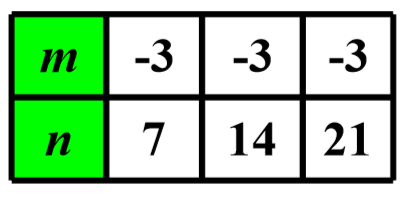
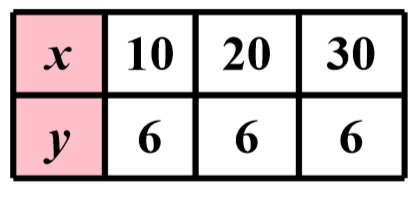
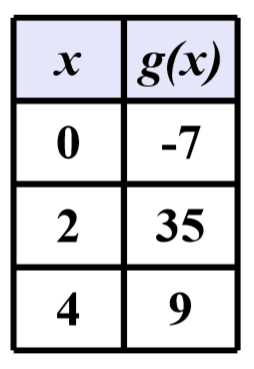
What is the domain of the table below?
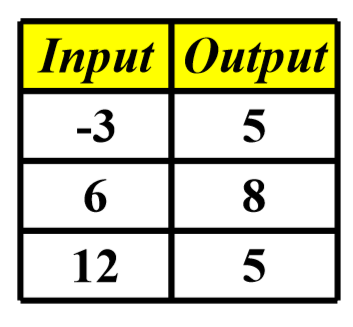
What is the domain of the table below?
What is the domain of the table below?
What is the range of the table below?
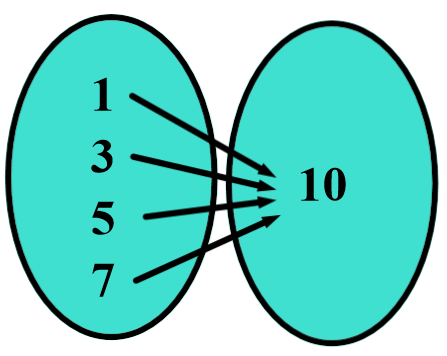
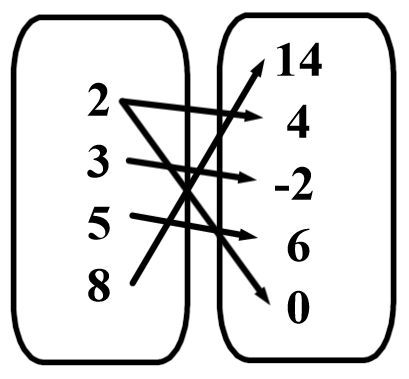
Is the mapping diagram below a function?
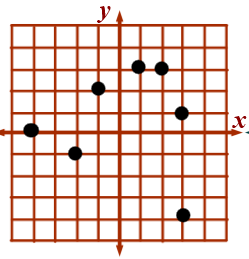
What is the domain of the function below?
What is the range of the relation below?
Which point could be added to the relation below that would still classify it as a function?
What is the domain of the relation below?
{ (1, -5), (3, 9), (4, 5), (7, 8), (12, -8) }
What is the range of the relation below?
{ (-2, 2), (0, 5), (1, 6), (1, 7), (2, -1), (3, 2) }
Is the relation below a function?
{ (0, 1), (2, -1), (3, 2), (4, 2), (5, 3), (-5, 1) }
Is the relation below a function?
{ (0, -5), (1, 3), (2, 2), (0, 4), (-5, 6), (3, 4) }
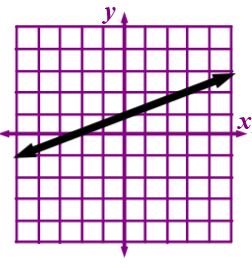
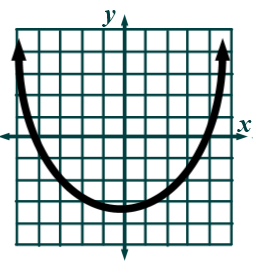
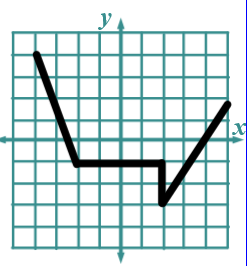
Is the graph below a function?
Is the graph below a function?
Is the graph below a function?
Which of the following statements about the graph below is true?
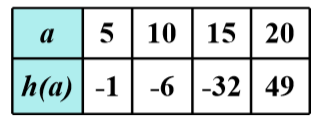
Given the function below, evaluate h(10) .
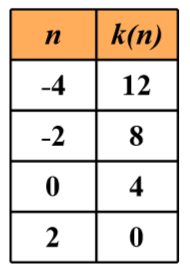
Given the function k, below. If k(n) = 4, then n =
Given the function below, what is the range?
If w(x) = 14x + 9 , what is the value of w (-5) ?
Which relation is not a function?
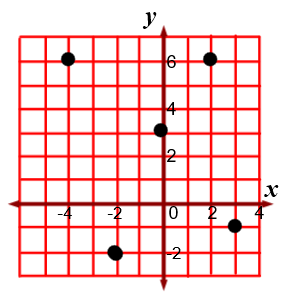
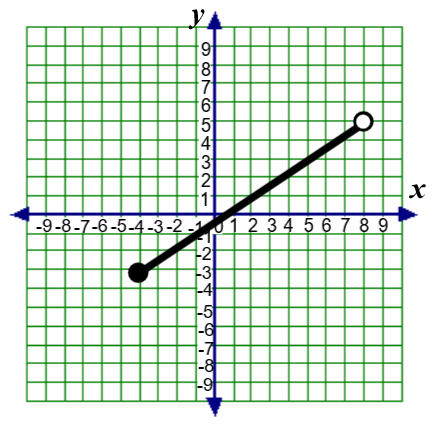
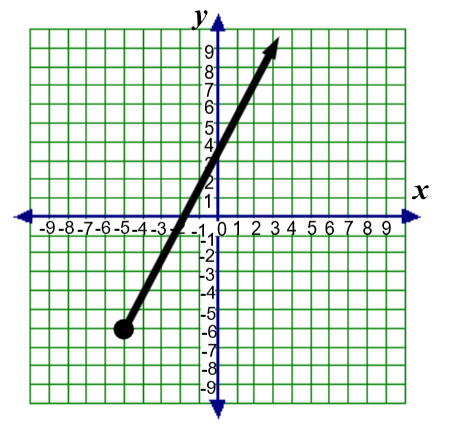
What is the domain of the graph below in interval notation?
What is the range of the graph below in interval notation?
Which of the following is NOT true about the graph below?
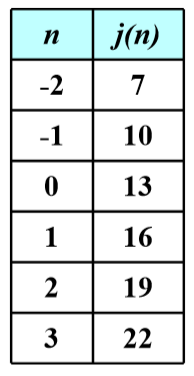
Given the function, j, below, find j(-1)
Given the function, j, below. If j(n) = 19, find n
Given the function, j, below. Evaluate j(0) - j(3) .
Zoe sells holiday baskets for $12 each. However, she spent $40 on supplies to make the baskets.
Her profit from the sales of baskets is represented by p(x). What is Zoe's profit if she sells 6 baskets?
Zoe sells holiday baskets for $12 each. However, she spent $40 on supplies to make the baskets.
Her profit from the sales of baskets is represented by p(x).
If Zoe's profit was $56, how many baskets did she sell?
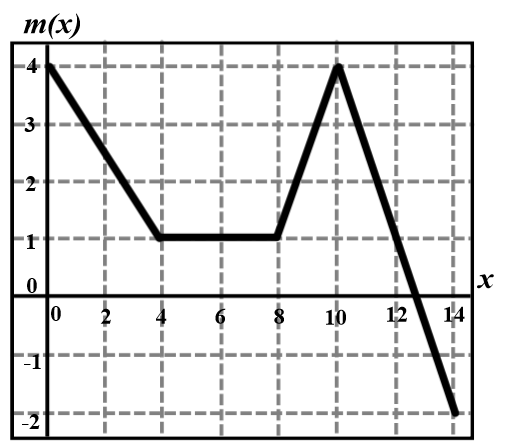
Given the function, m, below. Find m(0).
Given the function, m, below. Find m(4) - m(6) .
Given the function: u(x) = -4x + 9
Find u(5)