Chemical Equations
star
star
star
star
star
Last updated almost 6 years ago
14 Nsɛmmisa
1
1
1
1

1

1
1
1
1
1
1
1
3
2
A combination of chemical symbols and numbers that represents a single unit of a substance is called a chemical formula.
A subscript, is a number next to the symbol, it shows how many groups of atoms of that element there are.
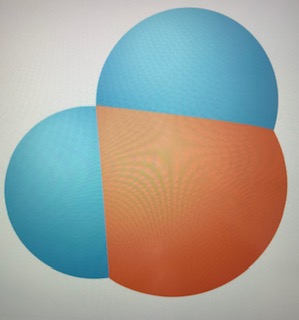
The chemical formula for water is H2O (picture above). Explain how the chemical formula describes this model of a water molecule.
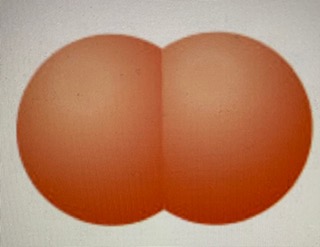
Choose the correct chemical formula below to match it with picture model.
Choose the correct chemical formula below to match it with picture model.
Choose the correct chemical formula below to match it with picture model.
How many atoms are in the compound described by this chemical formula? (CH3)2N
A coefficient is a number placed in front of a chemical formula to show how many molecules of the substance are represented in the chemical equation.
Match the description of a chemical reaction with the equation that models it.
Zinc (Zn) and hydrochloric acid (HCl) react and form zinc chloride and hydrogen gas.
Match the description of a chemical reaction with the equation that models it.
Carbonic acid breaks down and forms water (H2O) and carbon dioxide (CO2).
Match the description of a chemical reaction with the equation that models it.
Sulfur trioxide reacts with water vapor and forms sulfuric acid (H2SO4).
Match the description of a chemical reaction with the equation that models it.
Iron (Fe) and oxygen gas react and form iron oxide (rust).
For each chemical equation, compare the number of atoms on each element on both sides of the equation. Select the equations that are balanced.
Explain how this chemical equation H2 + Cl2 → 2HCl shows The Law of Conservation of Matter