4.2 - Movement Analysis Review
star
star
star
star
star
Last updated almost 6 years ago
35 Nsɛmmisa
1
3
1
1
1
1
1
1
1
1
1
1
1
1
1
1
1
1
1
1
1
1
1
1
1
1
1
1
1
1
1
1
1
8
12
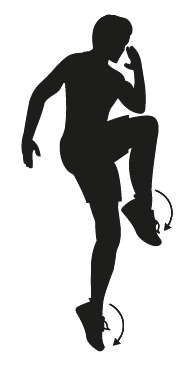
What synovial joint movement is occurring at the ankles?
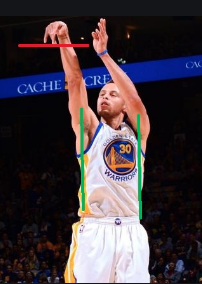
What synovial joint movements are occurring at Steph Curry's right:
a) Shoulder
b) Elbow
c) Wrist
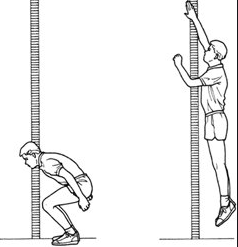
During the preparation phase, the subject's ankles are in:
During the preparation phase, the subject's knees are in:
During the preparation phase, the subject's shoulders are in:
During the preparation phase, the subject's hips are in:
During the action phase, the subject's ankles are in:
During the action phase, the subject's knees are in:
During the action phase, the subject's hips are in:
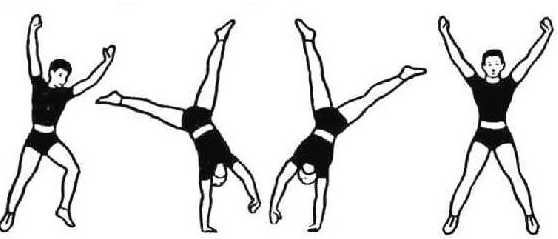
In the two middle images the subject's legs are in:
In the image on the far right the subject's shoulders are in:
State the synovial joint movement demonstrated in #1

State the synovial joint movement demonstrated in #2
State the synovial joint movement demonstrated in #3
State the synovial joint movement demonstrated in #4
State the synovial joint movement demonstrated in #5
State the synovial joint movement demonstrated in #6
State the synovial joint movement demonstrated in #7
State the synovial joint movement demonstrated in #8
State the synovial joint movement demonstrated in #9
State the synovial joint movement demonstrated in #1

State the synovial joint movement demonstrated in #2
State the synovial joint movement demonstrated in #3
State the synovial joint movement demonstrated in #4
State the synovial joint movement demonstrated in #5
State the synovial joint movement demonstrated in #6
State the synovial joint movement demonstrated in #7
State the synovial joint movement demonstrated in #9
State the synovial joint movement demonstrated in #10
Identify the description for a concentric muscle contraction
Identify the description for a isometric muscle contraction
Identify the description for a isokinetic muscle contraction
Identify the description for a eccentric muscle contraction
Apply the concept of reciprocal inhibition to describe what happens at the knee joint during both the downward phase and upward phase [8].
Consider the following questions when giving your response:
1. What synovial joint movements are occurring at the identified joint?
2. What muscle(s) are functioning as the agonist & antagonist?
3. What muscle contractions occurring throughout both the downward & upward phase of the movement?
4. How does reciprocal inhibition apply during this movement? What muscles are being inhibited and when/how? Are they relaxing concentrically or eccentrically?
Describe DOMS [12].
Consider:
1. What is DOMS? [4]
- When does it occur?
- How long does it last?
- With what type of exercise is it most commonly associated with/
2. What causes DOMS? [4]
- Include at least 4 causes
3. What are some ways we can prevent DOMS? [4]
- Include at least 4 things that can be done to prevent DOMS