Which best explains the historical context behind the political cartoon below?
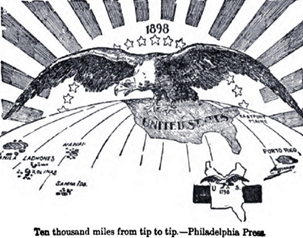
Which best explains the historical context behind the political cartoon below?
Which of the following was the primary reason the United States advocated the Open Door Policy?
As the European powers grew more industrialized, their colonies became very important as sources of which of the following?
Which of these factors was not a major reason for Japan’s expansion of its empire in the late-19th and early-20th centuries?
Which best explains the historical context behind the political cartoon below?
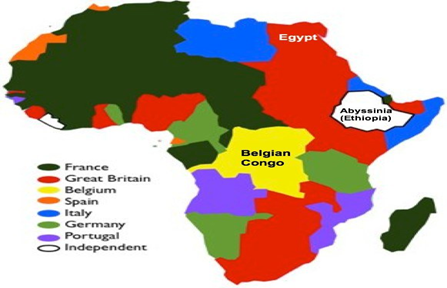
According to the map below, how do Egypt, Belgian Congo, and Ethiopia compare in their experiences with imperialism during the 19th century?
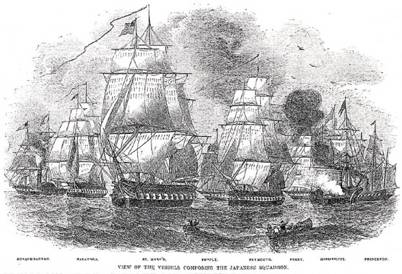
The sketch below represents the fleet of ships brought by Commodore Matthew Perry on his second trip to Japan in 1854. Based on the illustration, what was the most obvious goal of Perry’s visit?
____ was Prussian Chancellor who used his influence to create a German confederation that excluded Austria.
The purpose of the Berlin Conference was to
An area in which a foreign nation controlled trade and investment is called_______.
Why was India called the "jewel in the crown"?
The term Raj is used to refer to the period of Indian history during which India was
The sepoys were
One result of the Sepoy Mutiny was that
| Draggable item | arrow_right_alt | Corresponding Item |
|---|---|---|
Japan | arrow_right_alt | Indian National Congress and Muslim League |
India | arrow_right_alt | Boxer Rebellion, Taiping Rebellion |
China | arrow_right_alt | Satsuma Rebellion |
Which two wars were fought as part of Japanese imperialism in Korea?
How was the Belgian Congo different from other European colonies?
Which of these are examples of nationalism? Select all that apply.
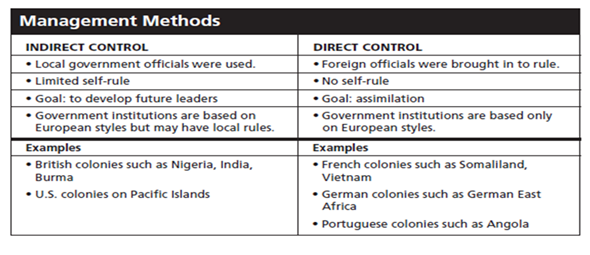
Use the chart for questions 18-20.
How did the German style of governing colonies compare to the U.S. style?
How did indirect control compare to direct control?
What conclusion can be drawn from this chart?