3F Math Skills
star
star
star
star
star
Last updated over 5 years ago
12 Nsɛmmisa
Hyɛ no nsow a efi ɔkyerɛwfo no hɔ:
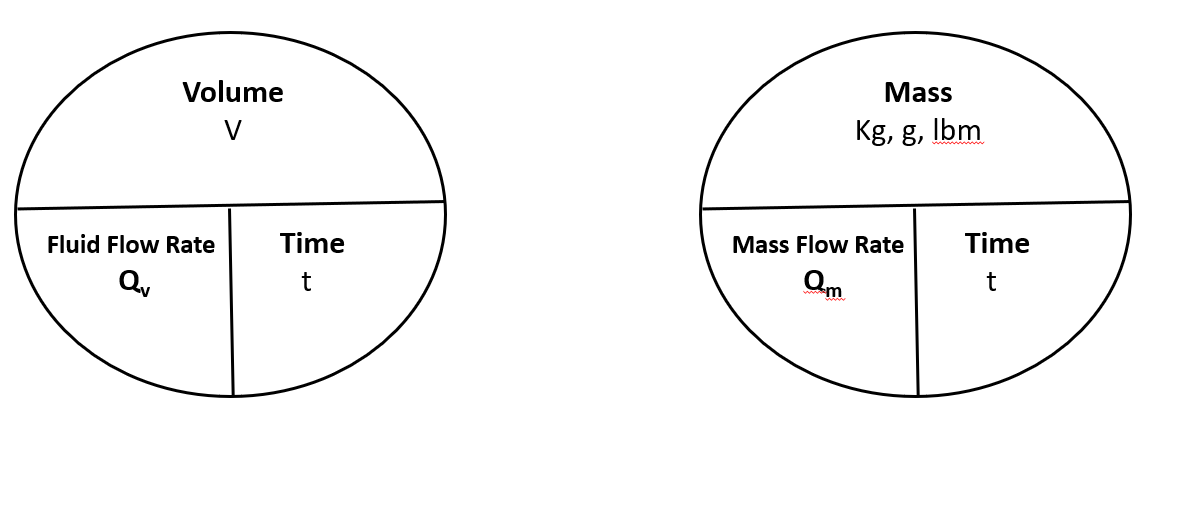
Fluid Flow rate problems
1
5
10
10
5
10
10
10
10
5
5
10
Fluid Flow rate problems
Logged in successfully!
A 1/8 hp sump pump removes 12 gallons per minute. After a storm flooded a homeowners basement they had to run the sump pump for 9 hours to remove all the water from the flooded basement. What was the volume of water that flooded the basement?
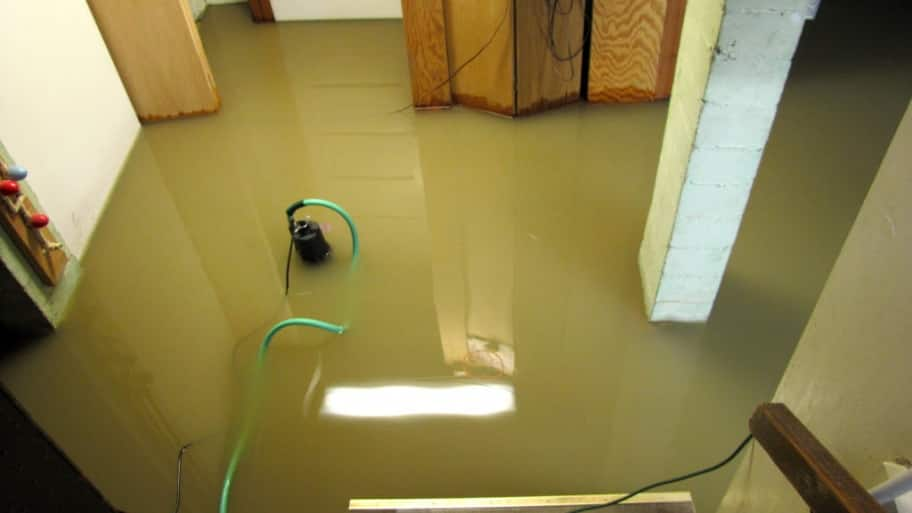
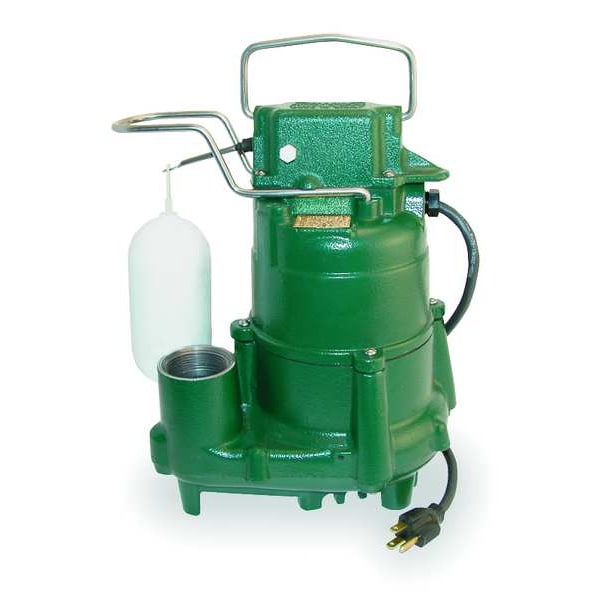
A 1/3 hp sump pump removes 42 gallons per minute. Using the volume from problem 1, how long would it take to pump out the same basesement with the 1/3 hp pump?
"Supertankers" are the largest tankers, and the largest man-made mobile structures. These ships can transport 2,000,000 barrels (320,000 m3) of oil at a time. It takes an average of 35 hours to unload supertankers on to off shore discharbe buoys. What is the flow rate of m3/hr?
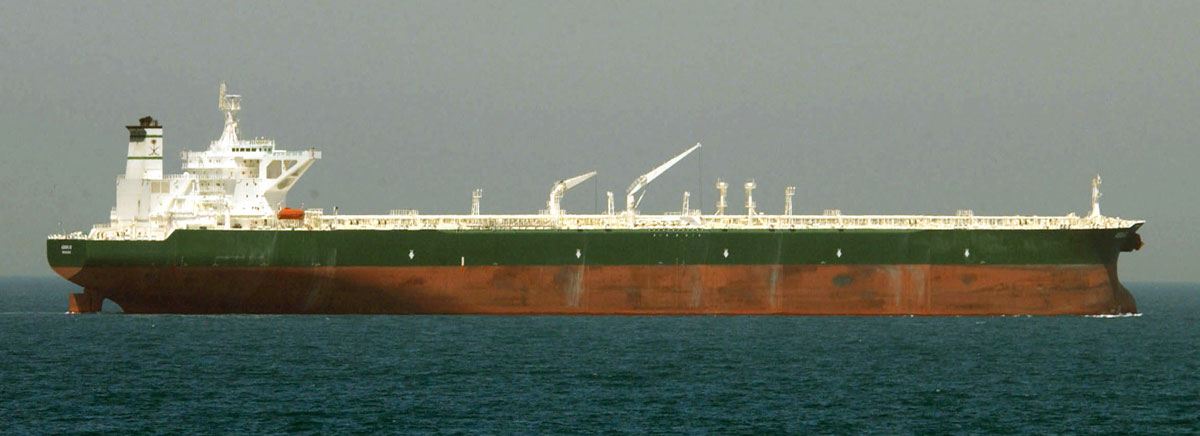
"Supertankers" are the largest tankers, and the largest man-made mobile structures. These ships can transport 2,000,000 barrels (320,000 m3) of oil at a time. It takes an average of 35 hours to unload supertankers on to off shore discharbe buoys. Convert the m3/hr flow rate to gallons per minute (use online tools)
A home irrigation system is calibrated to discharge 12 gallons per minute. The system is active of 30 minutes every MORNING (dont water in the afternoon sun) and 30 minutes at night. How much water is being used per week?
In order to fully extend the hydraulic piston in a car lift the piston myst be filled with 4.5 liters of hydraulic fluid to lift a car completely. The pump that moves hydraulic fluid at a rate of 12 L per minute. How long must the pump be run to lift the car?


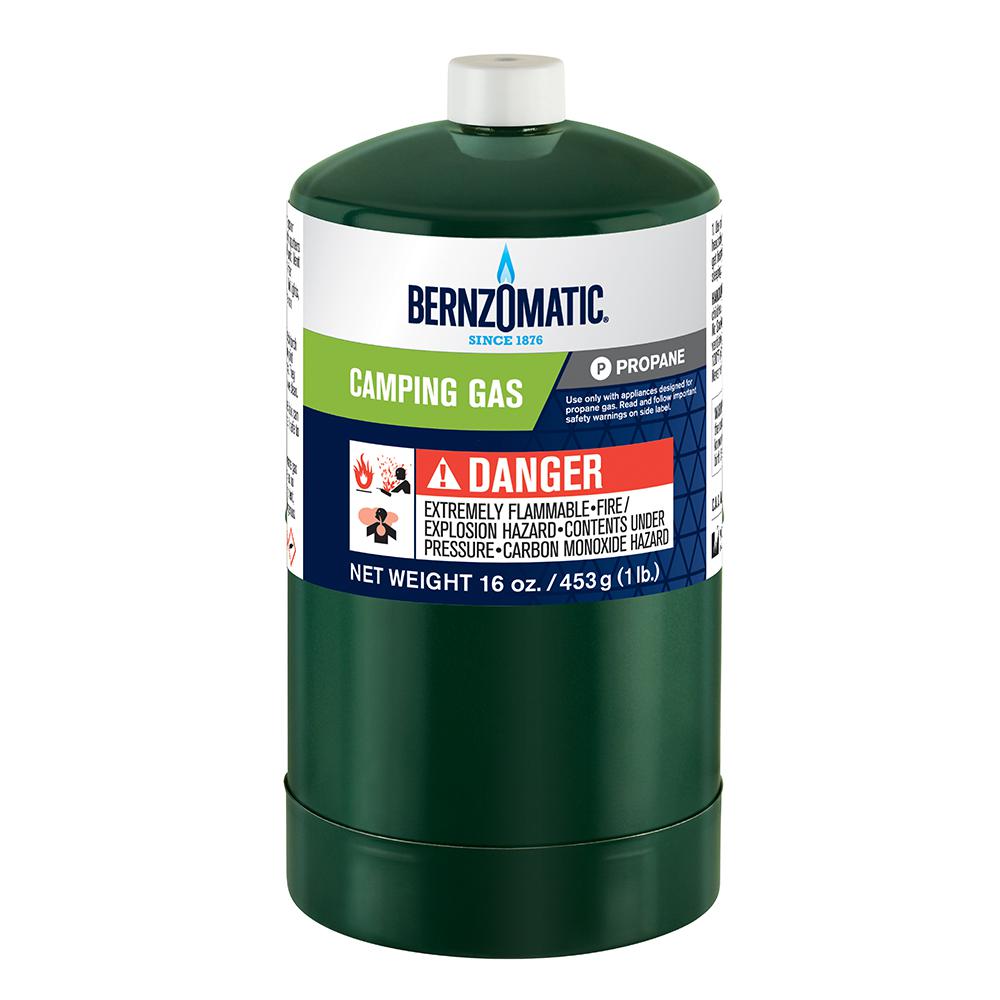
A 20lb propane tank (full of 20 lbm of propane) is able to run a gas grill for 4 hours. What is the flow rate for the propane grill in lbm/minute?
The same gas grill used from the previous problem is being run off small 1 lbm tank. using the flow rate from the previous problem how long will the grill run off this smaller size propane tank (in minutes)?
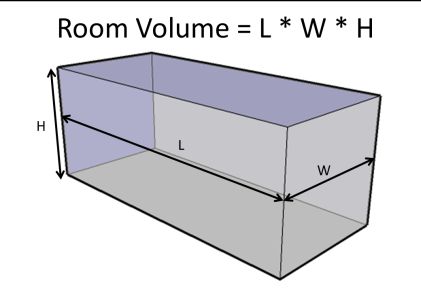
For health reasons air conditioning systems are designed to exchange the air in a room every 6 to 10 minutes. An air conditioner that has a mass flow rate of 14.6 kg/min circulates the air in a classroom of size 6m x 6m x 2.5 m.
A) What is the VOLUME of the room?
For health reasons air conditioning systems are designed to exchange the air in a room every 6 to 10 minutes. An air conditioner that has a mass flow rate of 14.6 kg/min circulates the air in a classroom of size 6m x 6m x 2.5 m. The air has a mass density of 1.2 kg/m3
This means that each of the cubic meters calculated will have 1.2 kg of air in them.
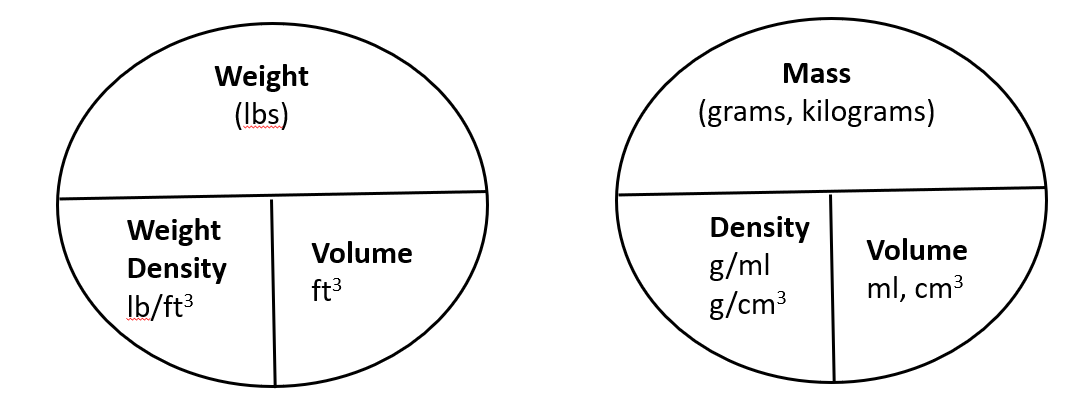
B) What is the MASS OF AIR in the room?
For health reasons air conditioning systems are designed to exchange the air in a room every 6 to 10 minutes. An air conditioner that has a mass flow rate of 14.6 kg/min circulates the air in a classroom of size 6m x 6m x 2.5 m.
C) How many minutes will it take to circulate all the air in the room using this HVAC system?