1
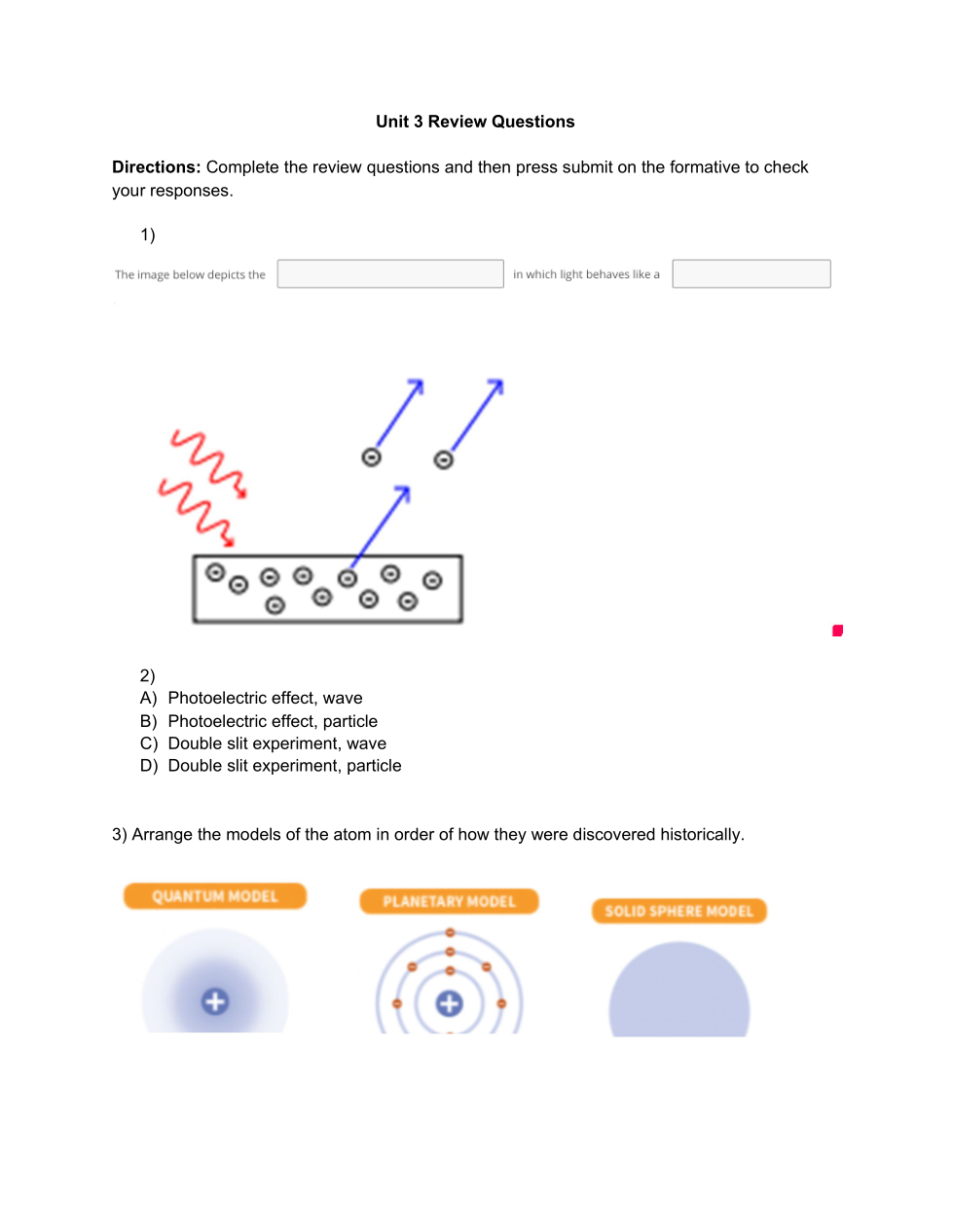
The image depicts _______ in which light behaves like a ________
The image depicts _______ in which light behaves like a ________
1
The image depicts _______ in which light behaves like a ________
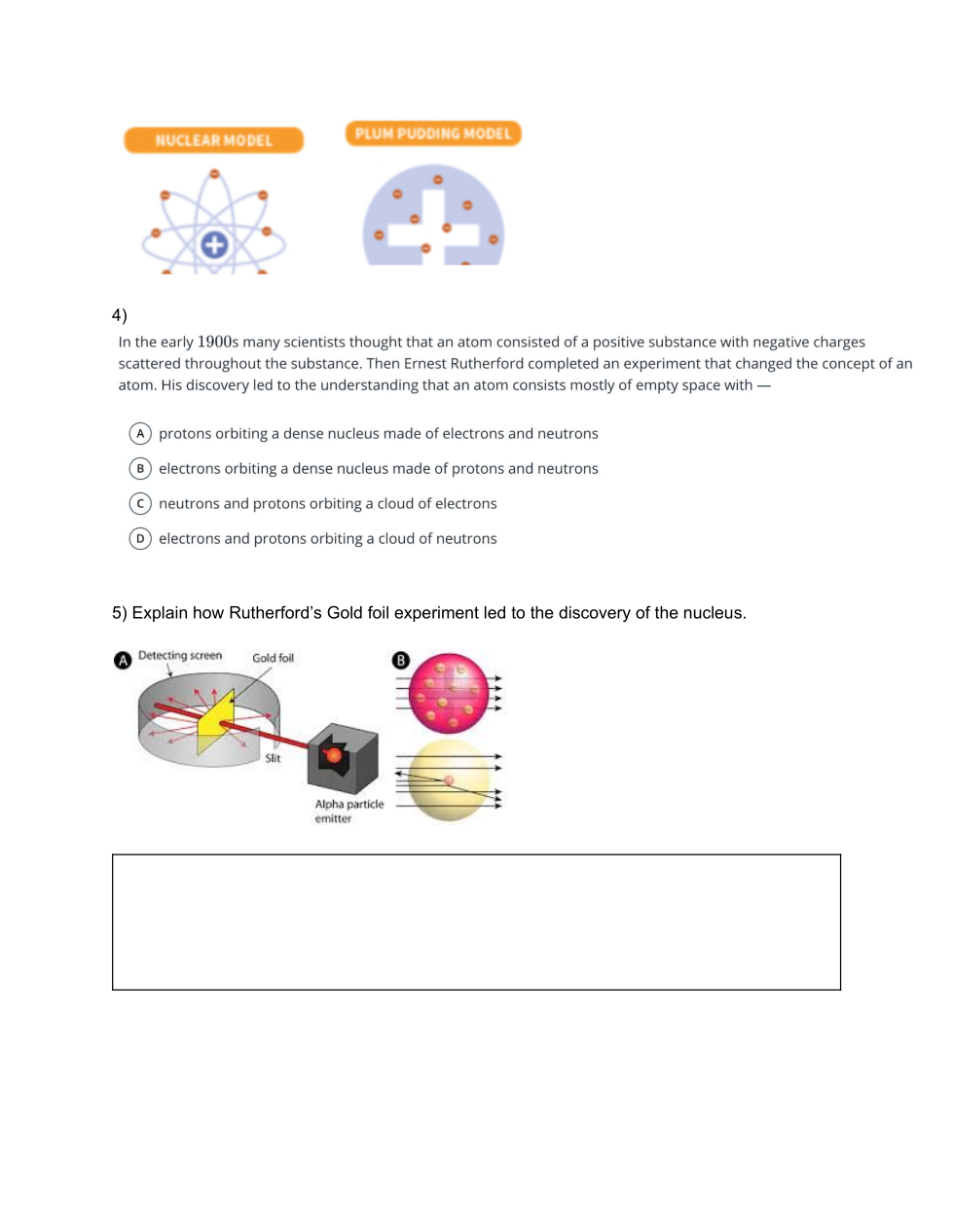
In the early 1900's many scientists thought that an atom consisted of a positive substance with negative charges scattered throughout the substance. Then Ernest Rutherford completed an experiment that changed the concept of an atom. His discovery led to the understanding that an atom consists mostly of empty space with ---
Explain how Rutherford’s Gold foil experiment led to the discovery of the nucleus.
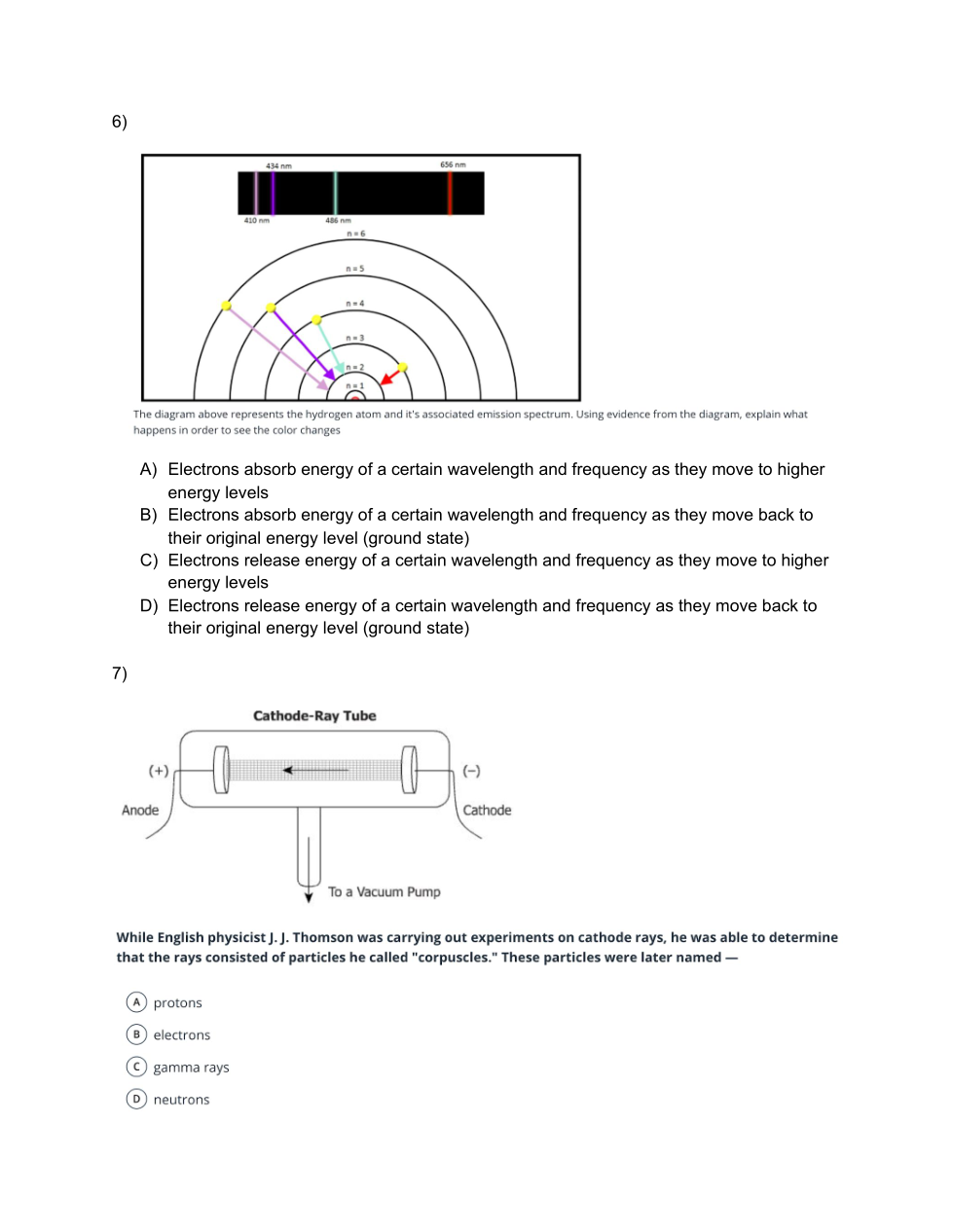
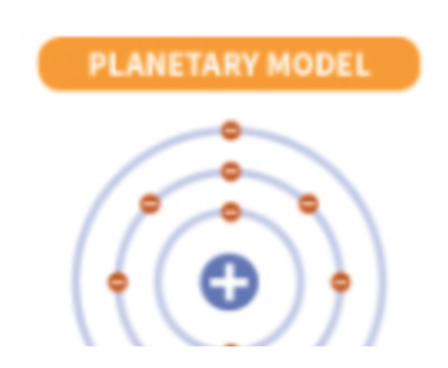
Which is true for the image provided?
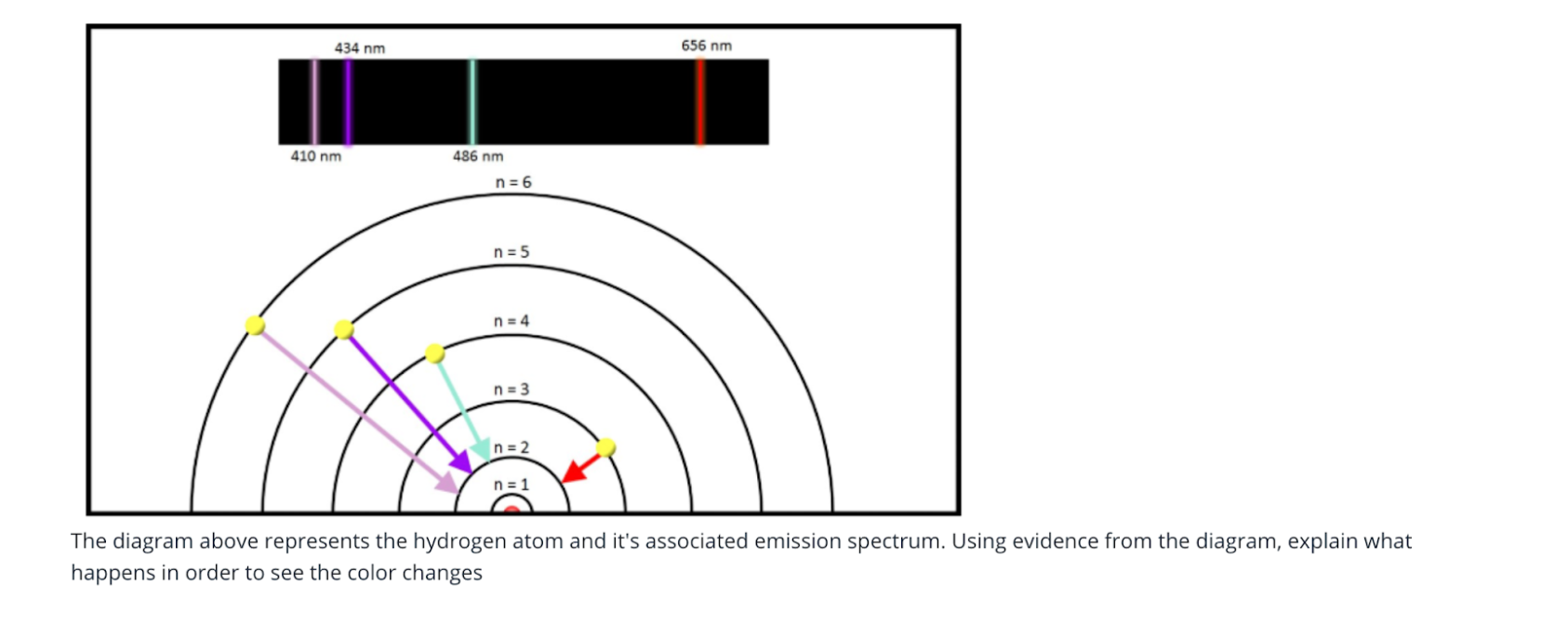
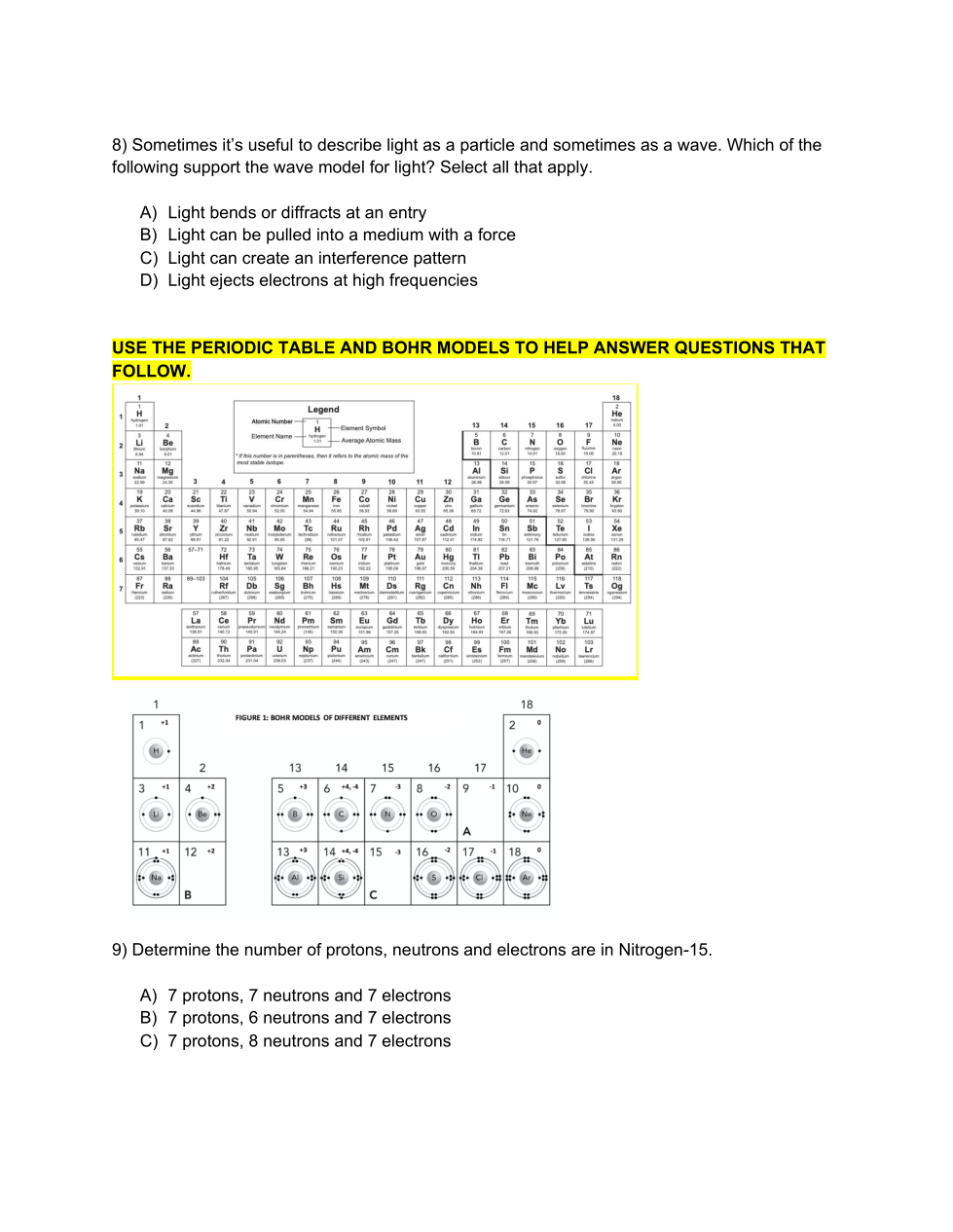
Sometimes it’s useful to describe light as a particle and sometimes as a wave. Which of the following support the wave model for light? Select all that apply.
Which particle is negatively charged?
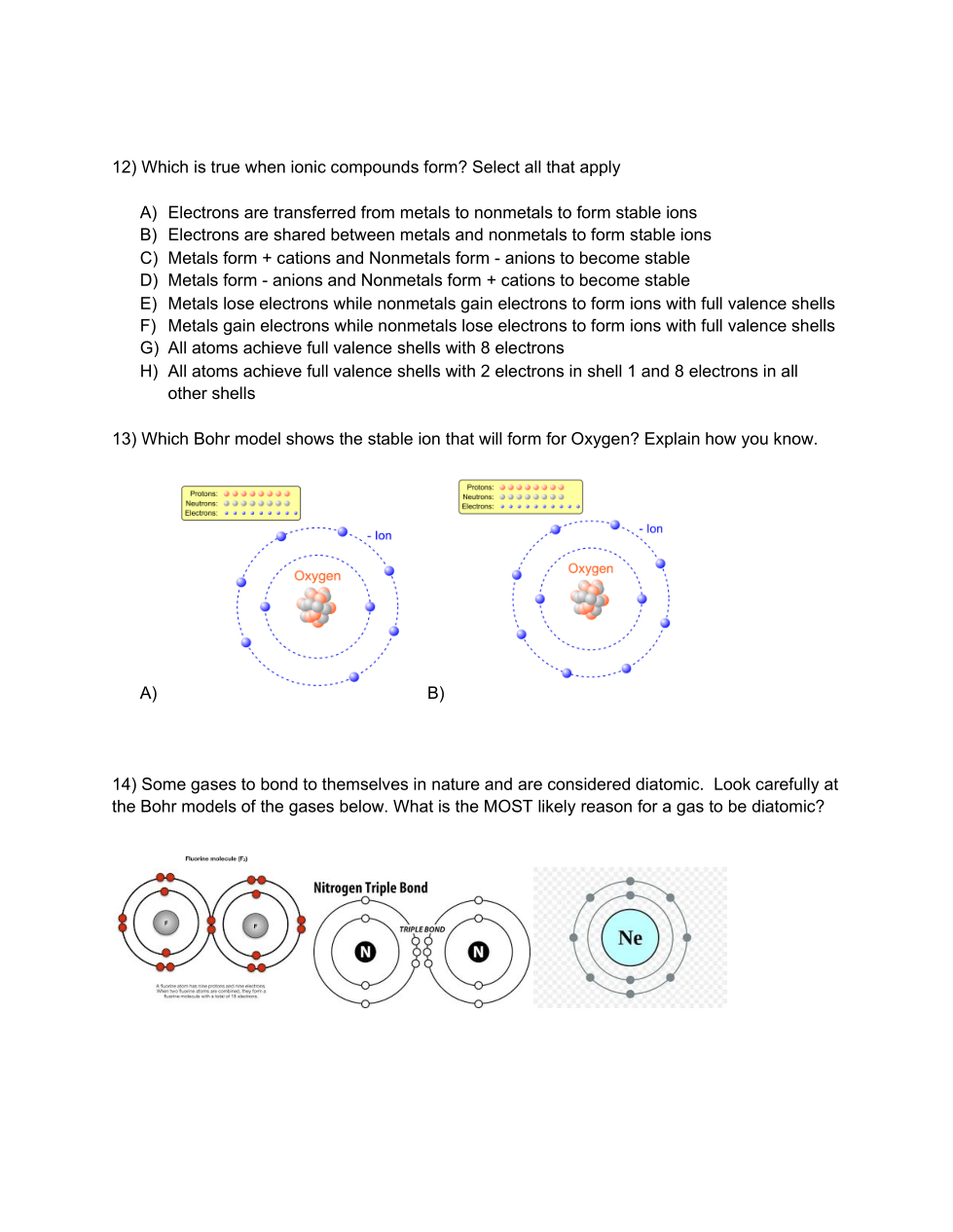
Which Bohr model shows the stable ion that will form for Oxygen?
Determine if each element or property is a metal or nonmetal. Drag each statement to the correct label. (metal and nonmetal)
Sodium
Fluorine
Contains many gases
Conducts electricity in solids
Tends to lose electrons to from + cations
Tends to gain electrons to form - anions
Metal
Nonmetal
Which is the correct formula when Magnesium (Mg) reacts with Chlorine (Cl) to form Magnesium Chloride? HINT: Use the steps for ionic bonding to help you.
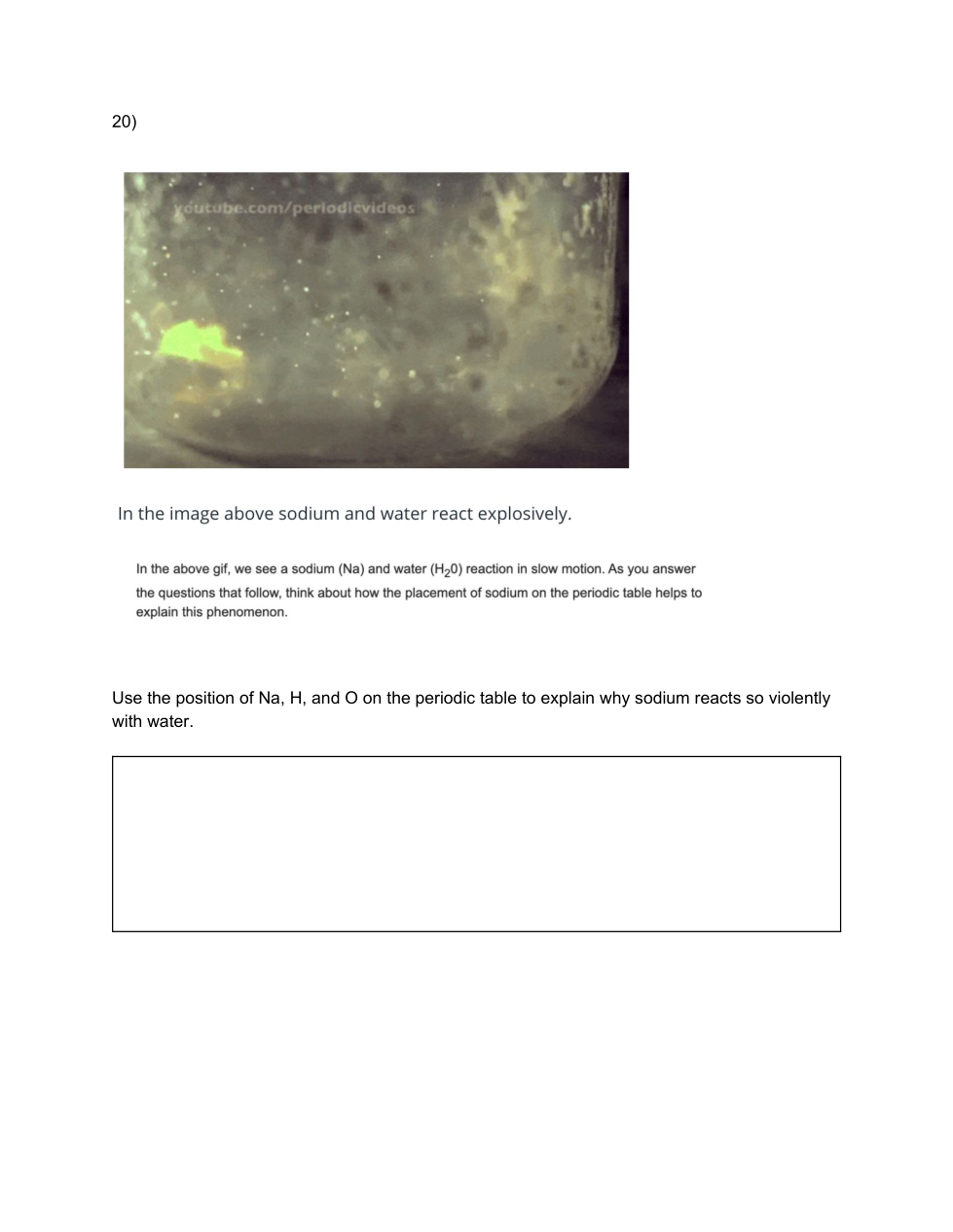
In the image, we see a sodium (Na) and water (H20) reaction in slow motion.
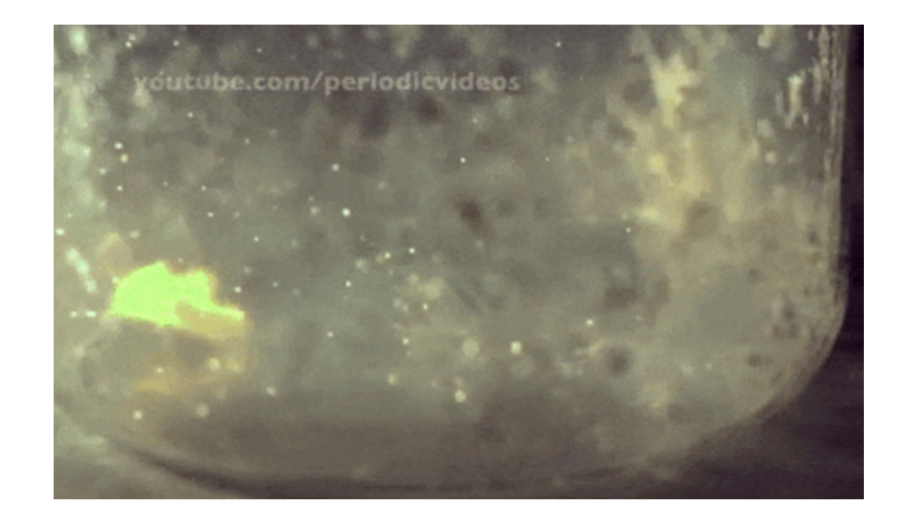
Use the positions of Na, H and O on the periodic table to explain why sodium reacts so violently with water.
Arrange the models of the atom in order of how they were discovered.



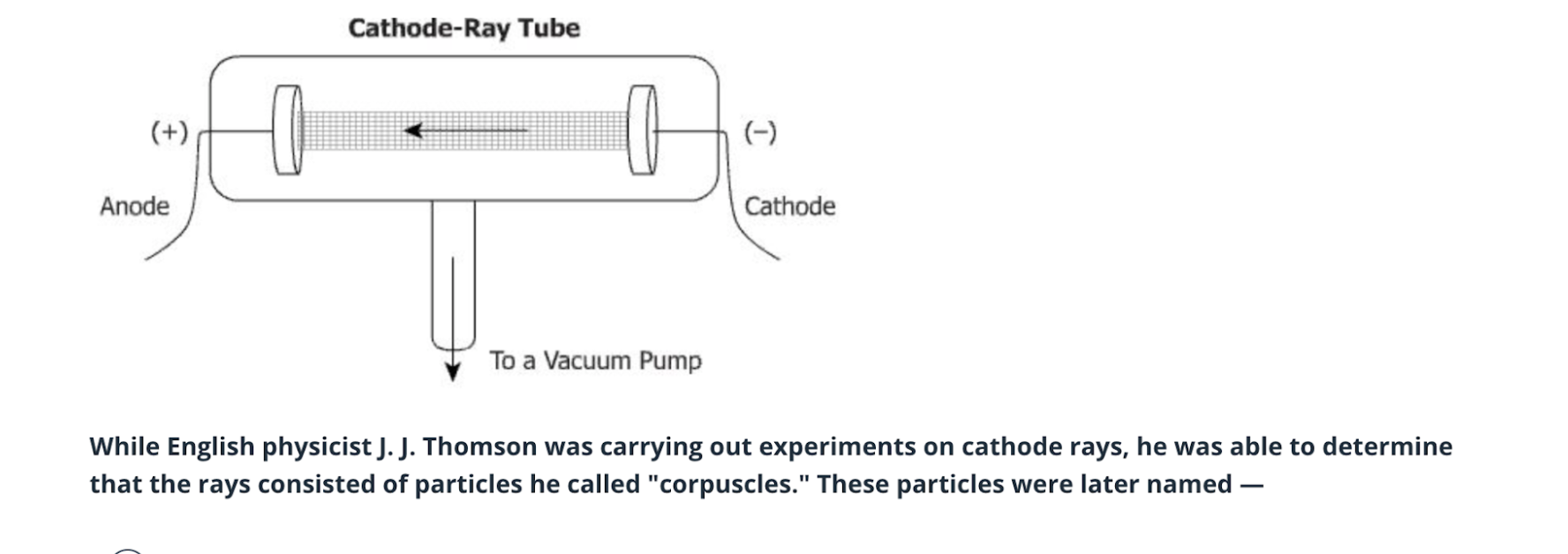
While English phsysicist J.J. Thomson was carrying out experiments on cahtode rays, he was able to determine that the rays consisted of particles he called "corpuscles." These particles were later named___________
Determine the number of protons, neutrons and electrons are in Nitrogen-15.
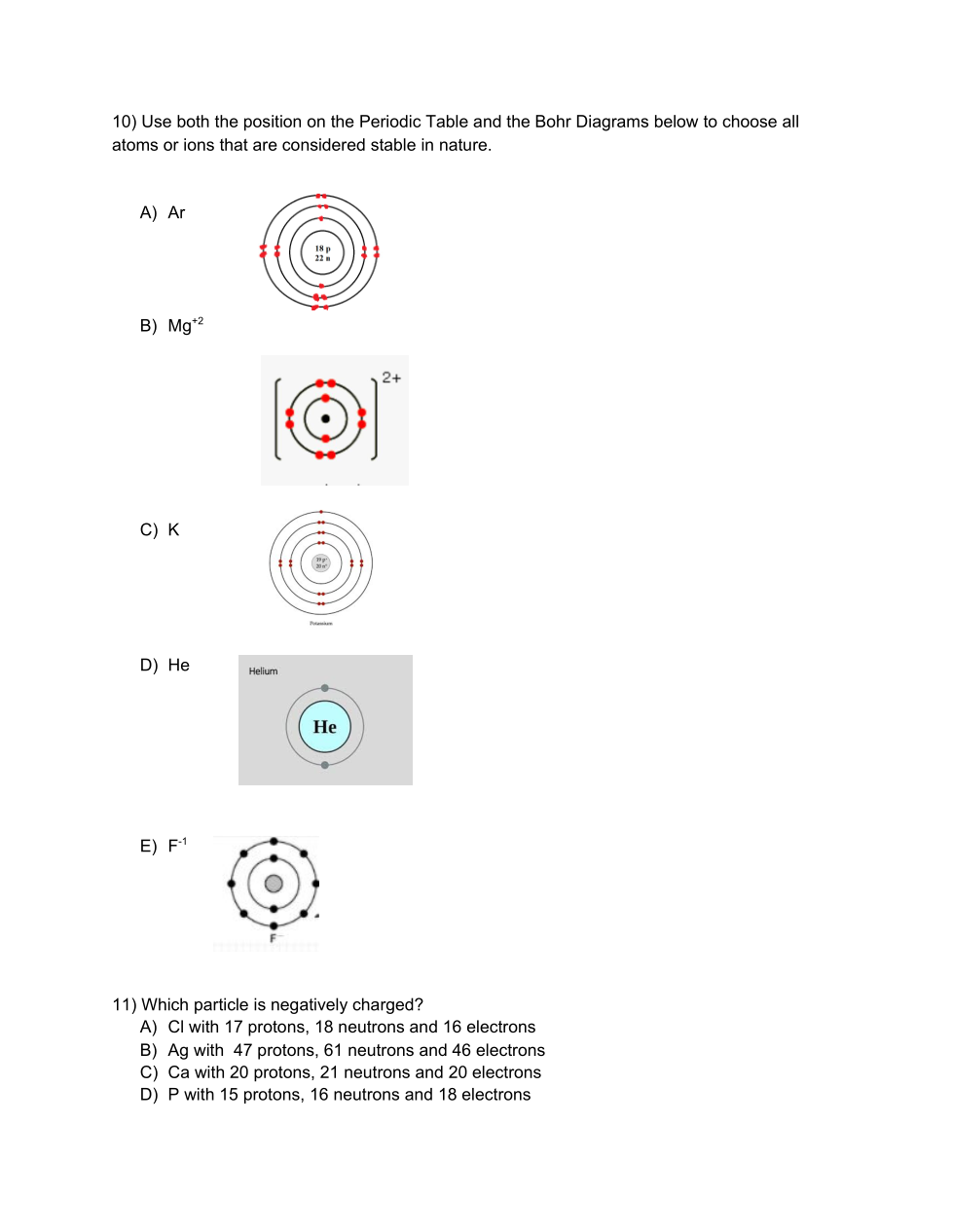
Use both the position on the Periodic Table and the Bohr Diagrams below to choose all atoms or ions that are considered stable in nature.
Which is true when ionic compounds form? Select all that apply
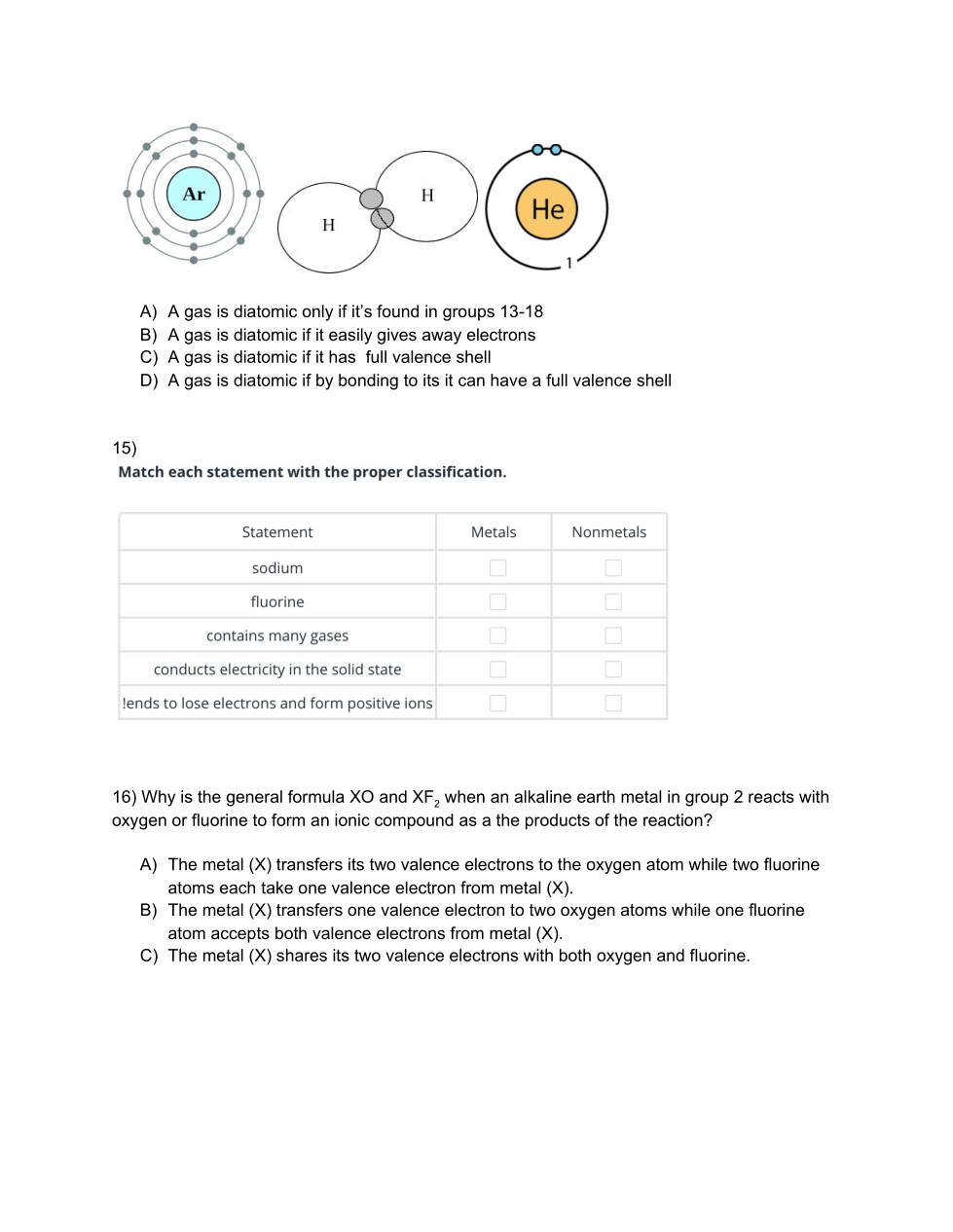
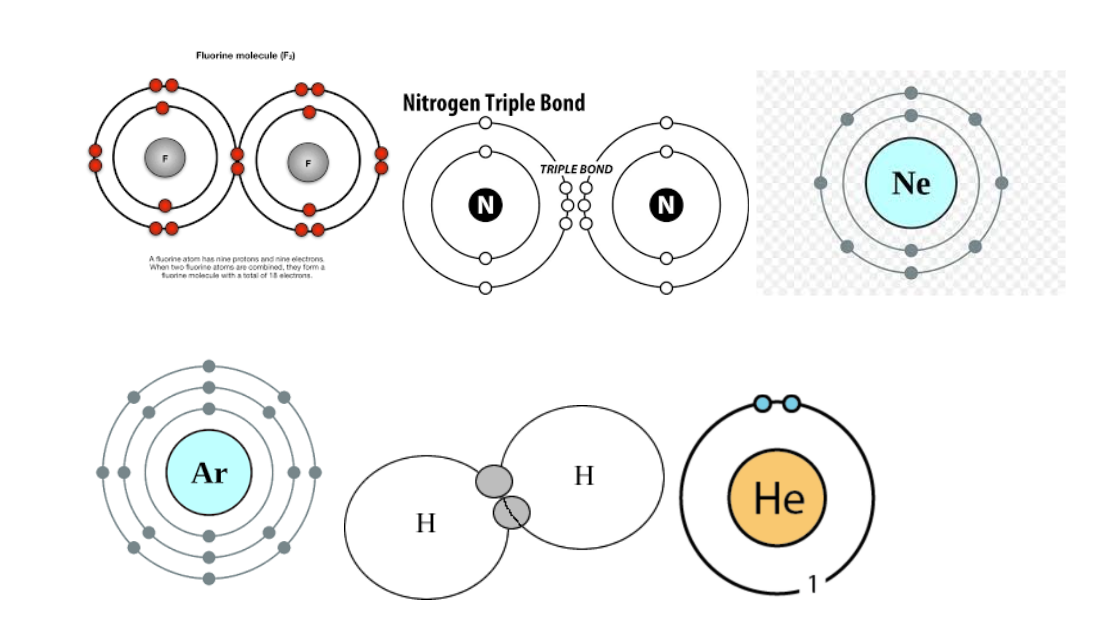
Some gases bond to themselves in nature and are considered diatomic. Look carefully at the Bohr models of the gases below. What is the MOST likely reason for a gas to be diatomic?
Why is the general formula XO and XF2 when an alkaline earth metal in group 2 reacts with oxygen or fluorine to form an ionic compound as a the products of the reaction? (Hint: Pick an element in group 2 and bond it with O and F and compare-- see these steps to help you)
Which of the following ideas was proposed by Niels Bohr?
A scientist nameed J.J. Thomson discovered the electron in 1987. He suggested that the atom looked like the model below, with electrons in a mass, or cloud, of positive charge.
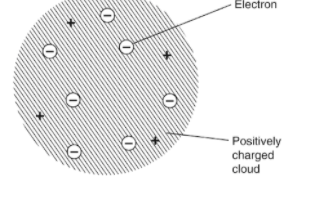
How was Thomson's model different than the Bohr model that followed it?