ER 39 Quiz Place and Time Constructions
star
star
star
star
star
Last updated 6 months ago
20 Nsɛmmisa
1
1
1
1
1
1
1
1
1
1
1
1
1
1
6
4
5
5
7
5
Alalia, Alaliae, f.: Alalia (a city on the island of Corsica)
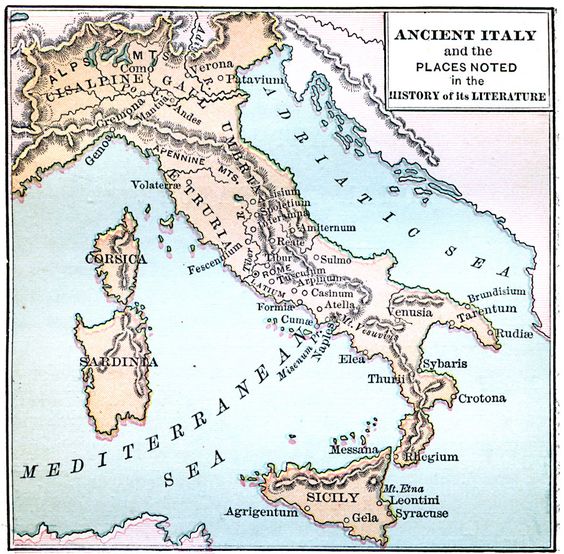
Campānia, Campāniae, f.: Campania (a region in Italy, south of Rome, on the Tyrrhenian Sea)
Capreae, Capreārum, f. pl.: Capri (a small island off the coast of Naples, in the Tyrrhenian Sea)
Corsica, Corsicae, f.: Corsica (a large island off the coast of N. Italy)
Herculāneum, Herculāneī, n.: Herculaneum (a town near Pompeii)
Mīsēnum, Mīsēnī, n.: Misenum (a town near Pompeii)
Neāpolis, Neāpolis, f.: Naples (a city in the Campania region of Italy)
Pompēiī, Pompēiōrum, m. pl.: Pompeii (a town in the Campania region of Italy)
Stabiae, Stabiārum, f. pl.: Stabiae (a town near Pompeii)
Sulmō, Sulmōnis, f.: Sulmo (a town in Italy, in the region of the Paeligni)
Pick the best translation for the underlined word.
Nōs Sulmōne profectī sumus.
VOCABULARY HELP:
Sulmō, Sulmōnis, f.: Sulmo (a town in Italy, in the region of the Paeligni)
proficīscor, proficīscī, profectus sum: to set out
Pick the best translation for the underlined word.
Nōs Sulmōne manēbāmus.
VOCABULARY HELP:
Sulmō, Sulmōnis, f.: Sulmo (a town in Italy, in the region of the Paeligni)
proficīscor, proficīscī, profectus sum: to set out
Pick the best phrase to complete the sentence.
Nōs _________________________ [on Corsica] manēbāmus.
VOCABULARY HELP:
Corsica, Corsicae, f.: Corsica (a large island off the coast of N. Italy)
maneō, manēre, mānsī: to stay, remain
Pick the best phrase to complete the sentence.
Nōs _________________________ [on Capri] manēbāmus.
VOCABULARY HELP:
Capreae, Capreārum, f. pl.: Capri (a small island off the coast of Naples, in the Tyrrhenian Sea)
maneō, manēre, mānsī: to stay, remain
Pick the best phrase to complete the sentence.
Nōs _________________________ [in Alalia] manēbāmus.
VOCABULARY HELP:
Alalia, Alaliae, f.: Alalia (a city on the island of Corsica)
maneō, manēre, mānsī: to stay, remain
Pick the best phrase to complete the sentence.
Ego _________________________ [in the countryside] habitāre volō.
VOCABULARY HELP:
habitō, -āre, -āvī, -ātus: to live
Pick the best phrase to complete the sentence.
Ego _________________________ [for many days] in vīllā meā manēbō.
VOCABULARY HELP:
maneō, manēre, mānsī: to stay
Pick the best phrase to complete the sentence.
Nōs _________________________ [five years ago] in hanc terram vēnimus.
VOCABULARY HELP:
terra, -ae, f.: land
Fill in the missing place name(s). NOTE: You must decided whether or not to use a preposition, and, if so, which preposition and which case.
Omnia _________________________ [in Pompeii] cinere tecta sunt.
VOCABULARY HELP:
Pompēiī, Pompēiōrum, m. pl.: Pompeii (a town in the Campania region of Italy)
cinis, cineris, m.: ash
tegō, tegere, texī, tectus: to cover
Fill in the missing place name(s). NOTE: You must decided whether or not to use a preposition, and, if so, which preposition and which case.
Omnia _________________________ [in Herculaneum] cinere tecta sunt.
VOCABULARY HELP:
Herculāneum, Herculāneī, n.: Herculaneum (a town near Pompeii)
cinis, cineris, m.: ash
tegō, tegere, texī, tectus: to cover
Fill in the missing place name(s). NOTE: You must decided whether or not to use a preposition, and, if so, which preposition and which case.
Omnia _________________________ [in Stabiae] cinere tecta sunt.
VOCABULARY HELP:
Stabiae, Stabiārum, f. pl.: Stabiae (a town near Pompeii)
cinis, cineris, m.: ash
tegō, tegere, texī, tectus: to cover
Fill in the missing place name(s). NOTE: You must decided whether or not to use a preposition, and, if so, which preposition and which case.
Multī oppidānī _________________________ [from Pompeii] effugere conābantur.
VOCABULARY HELP:
Pompēiī, Pompēiōrum, m. pl.: Pompeii (a town in the Campania region of Italy)
oppidānī, -ōrum, m. pl.: townspeople
effugiō, effugere, effūgī, effugitūrus: to flee, escape
conor, conārī, conātus sum: to try
Fill in the missing place name(s). NOTE: You must decided whether or not to use a preposition, and, if so, which preposition and which case.
Multī oppidānī _________________________ [from Herculaneum] effugere conābantur.
VOCABULARY HELP:
Herculāneum, Herculāneī, n.: Herculaneum (a town near Pompeii)
oppidānī, -ōrum, m. pl.: townspeople
effugiō, effugere, effūgī, effugitūrus: to flee, escape
conor, conārī, conātus sum: to try
Fill in the missing place name(s). NOTE: You must decided whether or not to use a preposition, and, if so, which preposition and which case.
Multa in hīs tribus oppidīs inventa iam _________________________ [to Naples] lāta sunt.
VOCABULARY HELP:
Neāpolis, Neāpolis, f.: Naples (a city in the Campania region of Italy)
inveniō, invenīre, invēnī, inventus: to find
trēs, trēs, tria: three
oppidum, oppidī, n.: town
ferō, ferre, tulī, lātus: to bring
Translate the sentence into English.
In Campāniā, invenīmus multa quae relicta sunt, ubi mōns Vesuvius tria oppida cinere texit.
VOCABULARY HELP:
Campānia, Campāniae, f.: Campania (a region in Italy, south of Rome, on the Tyrrhenian Sea)
inveniō, invenīre, invēnī, inventus: to find
relinquō, relinquere, relīquī, relictus: to leave behind
mōns, montis, m.: mountain
trēs, trēs, tria: three
oppidum, oppidī, n.: town
cinis, cineris, m.: ash
tegō, tegere, texī, tectus: to cover
Translate the sentence into English.
Multa, quae in hīs tribus oppidīs inventa sunt, iam Neāpolī sunt.
VOCABULARY HELP:
Neāpolis, Neāpolis, f.: Naples (a city in the Campania region of Italy)
trēs, trēs, tria: three
oppidum, oppidī, n.: town
inveniō, invenīre, invēnī, inventus: to find
Plīnius, cīvis Rōmānus quī librōs dē nātūrā scrīpsit, Mīsēnī manēbat, ubi nūbem cineris ē monte Vesūviō vīdit.
VOCABULARY HELP:
Plīnius, Plīniī, m.: Pliny (a Roman senator and writer)
cīvis, -is, m./f.: citizen
liber, librī, m.: book
dē (+ abl.): about
nātūra, -ae, f.: nature
scrībō, scrībere, scrīpsī, scriptus: to write
Mīsēnum, Mīsēnī, n.: Misenum (a town near Pompeii)
maneō, manēre, mānsī: to stay
nūbes, -is, f.: cloud
cinis, cineris, m.: ash
mōns, montis, m.: mountain
videō, vidēre, vīdī, vīsus: to see
Plīnius, vir cūriōsissimus, Mīsēnō et Herculāneum nāvigāre voluit, quod montem Vesūvium inspicere volēbat.
VOCABULARY HELP:
Plīnius, Plīniī, m.: Pliny (a Roman senator and writer)
Mīsēnum, Mīsēnī, n.: Misenum (a town near Pompeii)
Herculāneum, Herculāneī, n.: Herculaneum (a town near Pompeii)
cūriōsus, -a, -um: curious
nāvigō, -āre, -āvī, -ātus: to sail
volō, velle, voluī: to want
mōns, montis, m.: mountain
inspiciō, -spicere, -spēxī, -spectus: to inspect, look closely at
Plīnius, ad Vesūvium nāvigātūrus, epistulam ab amīcā Rectīnā missam accēpit, et Stabiās, ubi Rectīna habitābat, proficīscī cōnstituit.
VOCABULARY HELP:
Plīnius, Plīniī, m.: Pliny (a Roman senator and writer)
nāvigātūrus: about to sail
epistula, -ae, f.: letter
mittō, mittere, mīsī, missus: to send
accipiō, accipere, accēpī, acceptus: to receive
amīca, -ae, f.: friend
Rectīna, -ae, f.: Rectina (a Roman woman, friend of Pliny)
Stabiae, Stabiārum, f. pl.: Stabiae (a town near Pompeii)
habitō, -are, -āvī, -ātus: to live
proficīscor, proficīscī, profectus sum: to set out
cōnstituō, cōnstituere, cōnstituī: to decide
Plīnius, amīcam Rectīnam servāre cōnātus, tandem propter cinerem Stabiīs mortuus est.
VOCABULARY HELP:
Plīnius, Plīniī, m.: Pliny (a Roman senator and writer)
amīca, -ae, f.: friend
Rectīna, -ae, f.: Rectina (a Roman woman, friend of Pliny)
servō, -āre, -āvī, -ātus: to save
conor, conārī, conātus sum: to try
tandem: at last, finally
propter (+ acc.): because of
cinis, cineris, m.: ash
Stabiae, Stabiārum, f. pl.: Stabiae (a town near Pompeii)
morior, morī, mortuus sum: to die