Boston Tea Party Investagation
star
star
star
star
star
Last updated over 5 years ago
6 Nsɛmmisa
Hyɛ no nsow a efi ɔkyerɛwfo no hɔ:
Boston Tea Party Investagation
1
1
1
1
1
1
Boston Tea Party Investagation
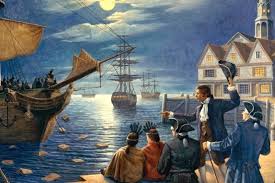
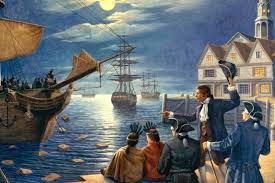
In simplest terms, the Boston Tea Party happened as a result of “taxation without representation”, yet the cause is more complex than that. The American colonists believed Britain was unfairly taxing them to pay for expenses incurred during the French and Indian War. Additionally, colonists believed Parliament did not have the right to tax them because the American colonies were not represented in Parliament.
Since the beginning of the 18th century, tea had been regularly imported to the American colonies. By the time of the Boston Tea Party, it has been estimated American colonists drank approximately 1.2 million pounds of tea each year. Britain realized it could make even more money off of the lucrative tea trade by imposing taxes onto the American colonies. In effect, the cost of British tea became high, and, in response, American colonists began a very lucrative industry of smuggling tea from the Dutch and other European markets. These smuggling operations violated the Navigation Acts which had been in place since the middle of the 17th century. The smuggling of tea was undercutting the lucrative British tea trade. In response to the smuggling, in 1767 Parliament passed the Indemnity Act, which repealed the tax on tea and made British tea the same price as the Dutch. The Indemnity Act greatly cut down on American tea smuggling, but later in 1767 a new tax on tea was put in place by the Townshend Revenue Act. The act also taxed glass, lead, oil, paint, and paper. Due to boycotts and protests, the Townshend Revenue Act taxes on all commodities except tea were repealed in 1770. In 1773, the Tea Act was passed and granted the British East India Company a monopoly on tea sales in the American colonies. The smuggling of tea grew rampant and was a lucrative business venture for American colonists, such as John Hancock and Samuel Adams. The Townshend Revenue Act tea tax remained in place despite proposals to have it waived. American colonists were outraged over the tea tax. They believed the Tea Act was a tactic to gain colonial support for the tax already enforced. The direct sale of tea by agents of the British East India Company to the American colonies undercut the business of colonial merchants. The smuggled tea became more expensive than the British East India Company tea. Smugglers like John Hancock and Samuel Adams were trying to protect their economic interests by opposing the Tea Act, and Samuel Adams sold the opposition of British tea to the Patriots on the pretext of the abolishment of human rights by being taxed without representation.
After reading this, tell me in your on defintion what does "No Taxation Without Representation" mean to you
The smuggling of tea grew rampant and was a lucrative business venture for American colonists. This now know as "Bootlegging". Would you buy items and not pay tax to save money from indivuals and why?
Why was tea so popular to coloniest and in such high demand around that it could be taxed by the king
The Acts of King George III is used during this time. Was it used to punish the people for not paying taxes or was used to raise money for his kingdom and Why?
How many pounds of tea were Americans drinking per year that created an intrested to tax tea in the colonies
Britain realized it could make even more money off of the lucrative tea trade by imposing taxes onto the American colonies. What lasted effect do you think it had on the colonies that led to would lead us to war.