The following learning curve can be described as:
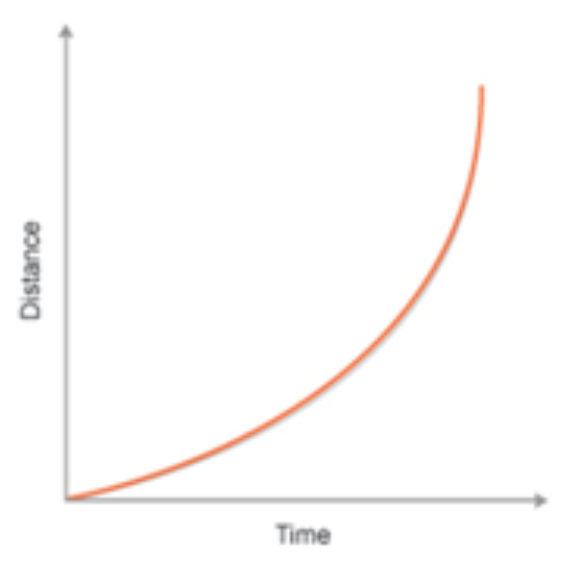
The following learning curve can be described as:
Match the terms with the appropriate description
| Draggable item | arrow_right_alt | Corresponding Item |
|---|---|---|
Performance | arrow_right_alt | A relatively permanent change in performance brought about by experience (excluding changes due to maturation and degeneration) |
Learning | arrow_right_alt | A temporary occurrence fluctuating over time (a change in performance over time is often used to infer learning) |
Identify the aspects that can be used to describe the cognitive (early phase) of learning
Identify the aspects that can be used to describe the Associative (intermediate phase) of learning
Identify the aspects that can be used to describe the Associative (intermediate phase) of learning
The following learning curve can be described as:
The following learning curve can be described as:
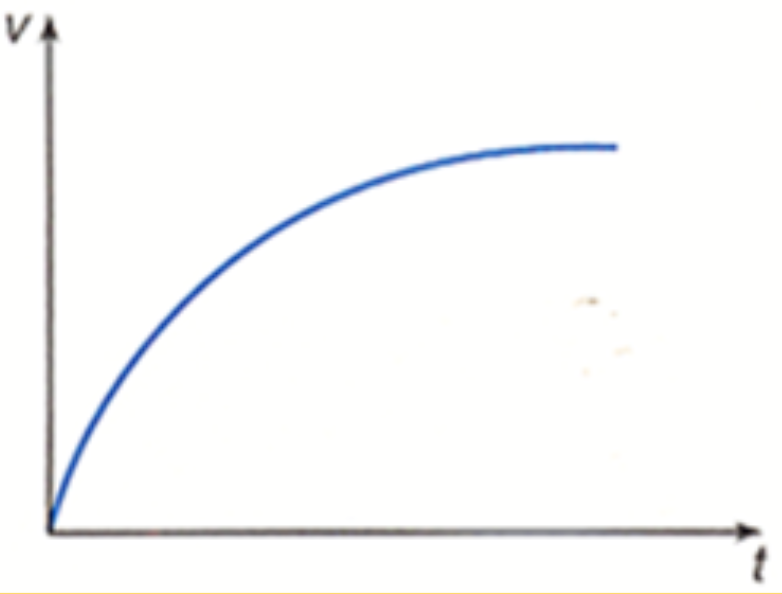
The following learning curve can be described as:
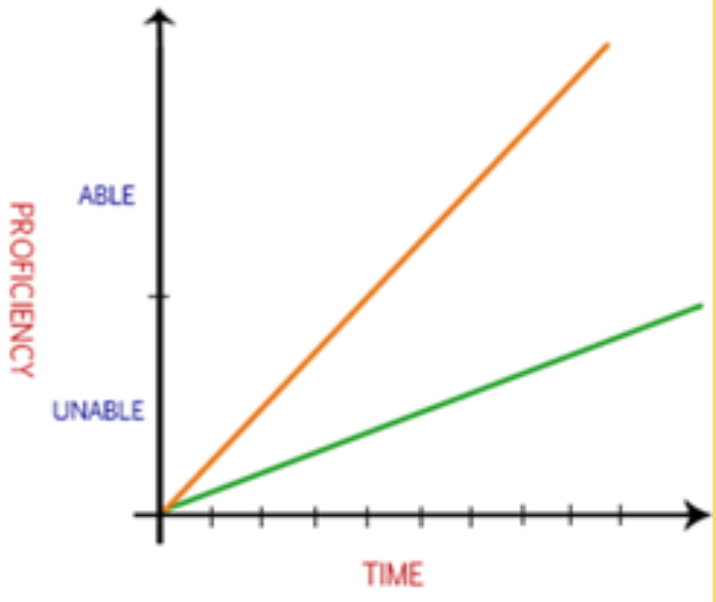
What are the factors that influence the rate of learning?
The following learning curve can be described as:

The following description best represents what type of curve?
"Skill is difficult to learn at first, then rapid improvements in performance - the task took a long time to learn"
The following description best represents what type of curve?
"Rapid initial improvements then lesser gains from practice (learning slowed)"
The following description best represents what type of curve?
"After steady improvements in performance, there is a stage where there appears to be little or no improvement"
Match the factors that influence the rate of learning with the appropriate descriptions descriptions
| Draggable item | arrow_right_alt | Corresponding Item |
|---|---|---|
Motivation | arrow_right_alt | Small group learning enables a performer to have more opportunities and feedback |
Age | arrow_right_alt | A command style or reciprocal style may appeal to one learner but not another |
Physical Fitness | arrow_right_alt | Can be related to a person’s inner drive (intrinsic) or external factors such as trophies (extrinsic) |
Teaching Environment | arrow_right_alt | Progress will be slowed if the task is too difficult for the learner |
Difficulty of Task | arrow_right_alt | Emotional maturity will affect the progress of a learner and whether they can focus on the learning task safely with understanding |
Individual Differences of Coaches | arrow_right_alt | A learner has an ability to make decisions more effectively if they are not fatigued |
Match the factors that influence the rate of learning with the appropriate descriptions descriptions
| Draggable item | arrow_right_alt | Corresponding Item |
|---|---|---|
Age | arrow_right_alt | Limited distractions will enhance focus for learning |
Motivation | arrow_right_alt | Good rapport improves rate of learning |
Teaching Environment | arrow_right_alt | The more the performer practices, the better the rate of learning |
Individual Differences of Coaches | arrow_right_alt | If the task is too easy or too difficult, this may have an impact on the motivation of the learner |
Physical Fitness | arrow_right_alt | Experience may be lacking for some people who are too young whereas someone who has experience will be familiar with expectations |
Difficulty of Task | arrow_right_alt | One person may have more flexibility and strength than another helping them to perform a task more easily |
Match the correct types of transfer with the descriptions/examples
| Draggable item | arrow_right_alt | Corresponding Item |
|---|---|---|
Abilities to Skill | arrow_right_alt | When the learning/performance of one task has a positive effect on the learning/performance of another |
Transfer Definition | arrow_right_alt | When the learning/performance of one task has a negative effect on the learning/performance of another |
Principle to Skill | arrow_right_alt | The learning/performance of one skill has no impact on the learning/performance of another skill |
Negative Transfer | arrow_right_alt | Occurs when a skill developed in one sport has an influence on the development of a skill in another sport |
Zero Transfer | arrow_right_alt | When learning to perform a skill with one limb aids in the ability of the performer to perform the skill with the other limb |
Stage to Stage | arrow_right_alt | When practice situations simulate a game situation |
Skill to Skill | arrow_right_alt | When a concept learned in one sport aids in the learning of a concept in another sport (Example: positioning/spacing) |
Practice to Performance | arrow_right_alt | When things like strength, speed, flexibility (etc.) aid in the performance of a skill |
Bilateral | arrow_right_alt | Skills that are learned in the cognitive phase in a particular activity will develop until the associative stage of the activity |
Positive Transfer | arrow_right_alt | The effect of learning/performance of one skill on the learning/performance of another |
Match the types of practice based on descriptions
| Draggable item | arrow_right_alt | Corresponding Item |
|---|---|---|
Mental Practice | arrow_right_alt |
|
Fixed Practice (Drill) | arrow_right_alt |
|
Variable Practice | arrow_right_alt |
|
Distributed Practice | arrow_right_alt |
|
Massed Practice | arrow_right_alt |
|
Match the types of presentation to the appropriate descriptions
| Draggable item | arrow_right_alt | Corresponding Item |
|---|---|---|
Progressive Part | arrow_right_alt |
|
Whole - Part - Whole | arrow_right_alt |
|
Whole | arrow_right_alt |
|
Part | arrow_right_alt |
|
Match each of the teaching styles with the corresponding description
| Draggable item | arrow_right_alt | Corresponding Item |
|---|---|---|
Reciprocal | arrow_right_alt | Teacher or coach makes all the decisions / pupils make no decisions about the content of the lesson |
Problem Solving | arrow_right_alt | Students work in pairs - one as the observer and one as the doer |
Command | arrow_right_alt | A task or issue is presented in which the learner has to find a solution in their own way |
Identify the examples of transfer that would fall under skill to skill
- The examples can be forms of either negative or positive transfer
Identify the examples of transfer that would fall under stage to stage
- The examples can be forms of either negative or positive transfer
Identify the examples of transfer that would fall under principle to skill
- The examples can be forms of either negative or positive transfer
Identify the examples of transfer that would fall under practice to performance
- The examples can be forms of either negative or positive transfer
Identify the examples of transfer that would fall under abilities to skill
- The examples can be forms of either negative or positive transfer
Identify the examples of transfer that would fall under bilateral
- The examples can be forms of either negative or positive transfer