The largest group of plants in the world is seed plants. The structure in seed plants that function to produce food for the plant is the ...
The structure in seed plants that supports the other parts of plant is the ...
The function of the root is to ...
Moving water up a plant from the roots to the leaves occurs by a combination of different processes. The main process that draws water up from the plant roots is...
Water travels from the roots, up the stem to the leaves, through tiny tubes. The attraction of the water particles to each other is called ...
Osmosis is the movement of ONLY water particles through a membrane. When the concentration of water in the soil is greater than the concentration of water in the roots of the plant, the water particles will move to the...
A process that does not require a difference in substance concentration is called...
The beginning and end of a seed plant are selected actions that take place. The beginning of a seed plant is when a seed begins to grow into a plant. The end of the process is when a seed plant ...
Usually found in the very center of the flower, is the female part of the flower. This part is called the ...
Plants can also reproduce without seeds. Stems can also reproduce new plants. Stems that grow underground and reproduce without seeds are called ...
To protect the thin needle-like leaves of white spruce trees from drying out, they are coated with a thick layer of...
One of the nutrients that plants need to grow healthy and develop properly is nitrogen. If plants do not get enough nitrogen, their leaves will ...
Plants are grown in artificial environments and get all the nutrients they need without variations in growing conditions. This is possible in a ...
The four classification categories of vegetation (plant) cover in Canada include: forest, tundra, barren and this category ...
Plants prevent the process that moves soil from place to place, because their roots hold the soil in place. This process is ...
All organisms are connected within an ecosystem. Plants are the most important because they make their own food and they are the ...
Proper forestry practices can increase the diversity of species in the forest. This is possible because careful cutting can ...
Foresters, who harvest forests for the many products they provide, must follow certain regulations in order to keep this resource healthy and renewable. These regulations are established by people who...
Soil is a natural resource. The components of soil include organic matter and minerals. When soil contains partly decayed organic matter it is called ...
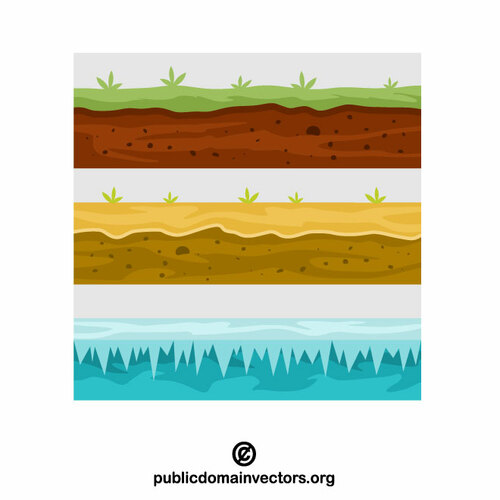
This type of soil has mostly minerals and does not retain moisture very well ...
Good healthy soil contains soil-dwellers and decomposers. The four main types of decomposers are...
When earthworms are moving through the soil they eat it, grind it, digest it and mix it. Their mucus helps stick the particles together and their tunnels provide...
Farmers need to make money when growing crops. Most farmers only grow one type of crop in a particular area. This type of farming is called...
The practice of planting a particular type of crop in a field every year, to match the nutrients the soil has for this particular type of crop is called ...
Many farming practices are used to save the soil from excess erosion. Planting trees or shrubs along the edges of field is one such practice. The purpose behind this is to ...
Spreading manure over cropland is a technique growers use to improve the yield of different crops. This action adds this nutrient to the soil...
A group of organisms that all have similar traits and who's offspring can reproduce are called a...
The process which combines genetic material from one organism into another organism, to make a new organism is called genetic...
Dandelions are super weeds because they had no natural controls when they were introduced to North America from Europe. They were brought here to be used as a...
Organic food is food that has been grown without the use of chemical fertilizers and chemical pesticides. To provide the needed nutrients to grow the plants, they use ...
Forestry practice can disrupt some predator-prey relationships. Logging roads actually help predators find their prey, because the prey...
What was the name of that Ancient Greece port city that disappeared due to erosion?