2.0 Plants play an essential role in the environment and in meeting human needs
2.1 The Role of Plants in the Environment
Plants are necessary for all life on Earth. Plants provide many things for the sustainability of life on our planet. Vegetation in Canada is classified into 4 main categories: forest, tundra, barren, and agriculture.
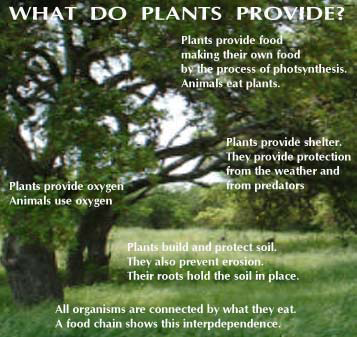
As a critical part of the ecosystem, plants provide oxygen for organisms to survive. They can reduce pollution by using carbon dioxide. Plants are also the basis of most food webs as producers of food for herbivores and ultimately carnivores. Plants also provide shelter for animals, clean and filter water, and help prevent soil erosion.
2.2 We Use Plants in Many Ways
Plants For Food
Nearly 75% of the world's food supply is based on seven major crops: wheat, rice, maize (corn), potatoes, barley, cassava, and sorghum.
Cocoa | Canola | Seaweed | Sugar |
|---|---|---|---|
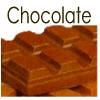
Chocolate is made from the fruit of the cocoa tree
| 78% of vegetable oil production is from canola
| contains iodine and is used in soup broths and sushi
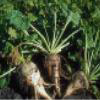
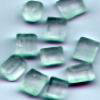
| half of the world's sugar comes from sugar beets, located in the sugar beets' roots
|
Cocoa beans are roasted, shelled, and then crushed. Cocoa butter and cocoa powder are separated. Cocoa powder is then mixed with milk to make chocolate. | Canola is pressed from the canola seeds and used as salad oil and frying oil | other products from seaweed include: ice cream, chocolate milk, yogurt, whipped cream, pies, jellies, and candies | roots are shredded, heated in running water and the concentrated clear liquid crystallizes to produce sugar similar to sugar cane |
| It is used to make margarine, shortening, baked goods, potato chips, and French fries
| Seaweed products are often used to thicken food (alginate, agar, carrageenan)
|
|


People use plants for things other than food.
Plants for Fibre
Plants also provide fibre, which is the tissue of plants from the stem, leaves, seeds or roots. Plants provide fibres for clothing, paper and shelter. The Aboriginal people from the West Coast wove cloth from the bark of the Western Red Cedar tree. Much of our clothing today comes from synthetic (manufactured) material, such as polyester and nylon. Natural fibres also provide resources for cloth:
Cotton - is a natural fibre that absorbs moisture and then allows it to evaporate easily, making it the world's most important non-edible plant. The cotton fibres come from the plant's seeds. The silky fibres are strong, flexible and have a gradual spiral that causes the strands to interlock when twisted, making them ideal for spinning into thread. The second layer of fibres are shorter and are 'fuzzy' - they are used to make cotton batting, rayon and various types of plastic and paper.
Hemp - Early makers of jeans used hemp, which is the oldest cultivated fibre plant in the world. Other products included the Bible, sails and ropes. Hemp has a less negative effect on the environment, because it uses less land area than trees, can be harvested in a year, lasts longer than paper, can be recycled up to seven times, chokes out weeds naturally and is not prone to insect pests.
Flax - is a food and fibre crop. The flax fibres, which are smooth and straight, are taken from the stem of the plant are are two to three times stronger than cotton fibres. Flax fibre is used for making linen paper, linseed oil - which is used as a drying oil in oil paints and varnish - and in products such as linoleum and printing inks.
Plants for Medicine
An apple a day keeps the doctor away! Many medicines (over 7000) contain ingredients made from plants. Herbal remedies are a common example of how plants are used to prevent illness. Plant medicines include:
tea (made from ginger root) - is used to soothe an upset stomach
tea (made from white spruce and hemlock) to prevent scurvy
white willow bark - is used to ease pain
kinnikinnick (buffalo berry) was used to treat kidney problems
opium poppy's seed pod - thick milky fluid provides a powerful pain medication - morphine
codeine is also found in the poppy - it is used in cough medicines
quinine - which comes from the cinchona tree - is used to prevent malaria.
Plants for Transportation and Construction
Rubber is one of the most important plant products that people use. Natural rubber comes from the Brazilian rubber tree. Synthetic rubber is made from coal and oil by-products - but natural rubber is also an important ingredient.
Canoes were carved from trees by Aboriginal people. Lubricants are provided from coconut and castor bean oils. The construction industry in North America uses wood (softwood lumber from British Columbia) as a building material.
Plants for Fuel
Wood or coal (which is a fossil fuel) are used to heat homes. Sugar can be turned into ethanol and wood can provide methanol (wood alcohol). Fuel from plants is economical, but not energy efficient, because a large amount of energy is needed to grow the plants and a lot of the energy is lost when it is converted to fuel.
We must make sure that our living resources survive and thrive, in order to have them in the future.
