Twa kɔ nsɛm atitiriw so
Log in
Sign up for FREE
arrow_back
Laabri

Gr. 7 Heat and Temp- Section 2.3 & 2.4 Questions

star
star
star
star
star
Last updated 3 months ago
7 Nsɛmmisa

SECTION 2.3 Questions

4
4
4
4

SECTION 2.4

4
4
8
Asemmisa {{asɛmmisaAhyɛnsode}}
1.

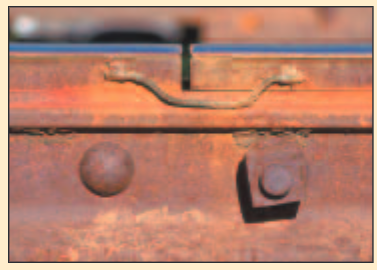
Train tracks span great distances. Spaced many meters apart are small gaps between the rails. What’s the purpose of these gaps? What might happen if the gaps weren’t there?
Asemmisa {{asɛmmisaAhyɛnsode}}
2.

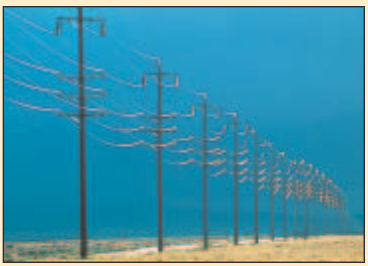
Workers set up these electrical cables during the summer. You’ll notice that the cables are not stretched tightly. They sag. What is the advantage of leaving some slack when installing electrical cables like these? What might happen if the cables were installed tightly with no slack?

Asemmisa {{asɛmmisaAhyɛnsode}}
3.

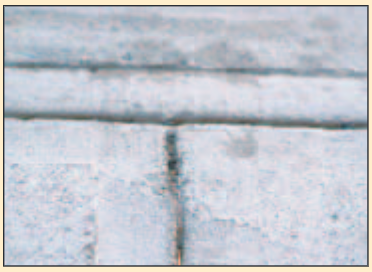
Did you ever notice that sidewalks are made of slabs with gaps between them? What is the advantage of leaving these gaps? What might happen if the slabs were placed right up against each other?

Asemmisa {{asɛmmisaAhyɛnsode}}
4.

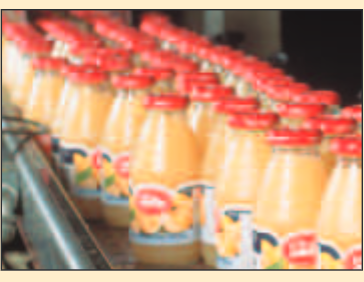
Pop and juice bottles are never filled all the way to the top. What is the advantage of leaving some space in these bottles? What might happen if the bottles were filled completely?

Asemmisa {{asɛmmisaAhyɛnsode}}
5.

What are the "three" types of changes that may happen when heat transfers into or out of matter?

Asemmisa {{asɛmmisaAhyɛnsode}}
6.

Explain the difference between a conductor and an insulator, and give at least three examples of each. (pg. 211)

Asemmisa {{asɛmmisaAhyɛnsode}}
7.

The sun heats a wooden door and a metal knob on the outside of the door. What happens to the metal knob on the other side of the door? Write a paragraph using the words heat energy, kinetic energy, conduction, and insulation to explain the situation.