GRAMMAR PRACTICE
star
star
star
star
star
Last updated over 5 years ago
35 Nsɛmmisa
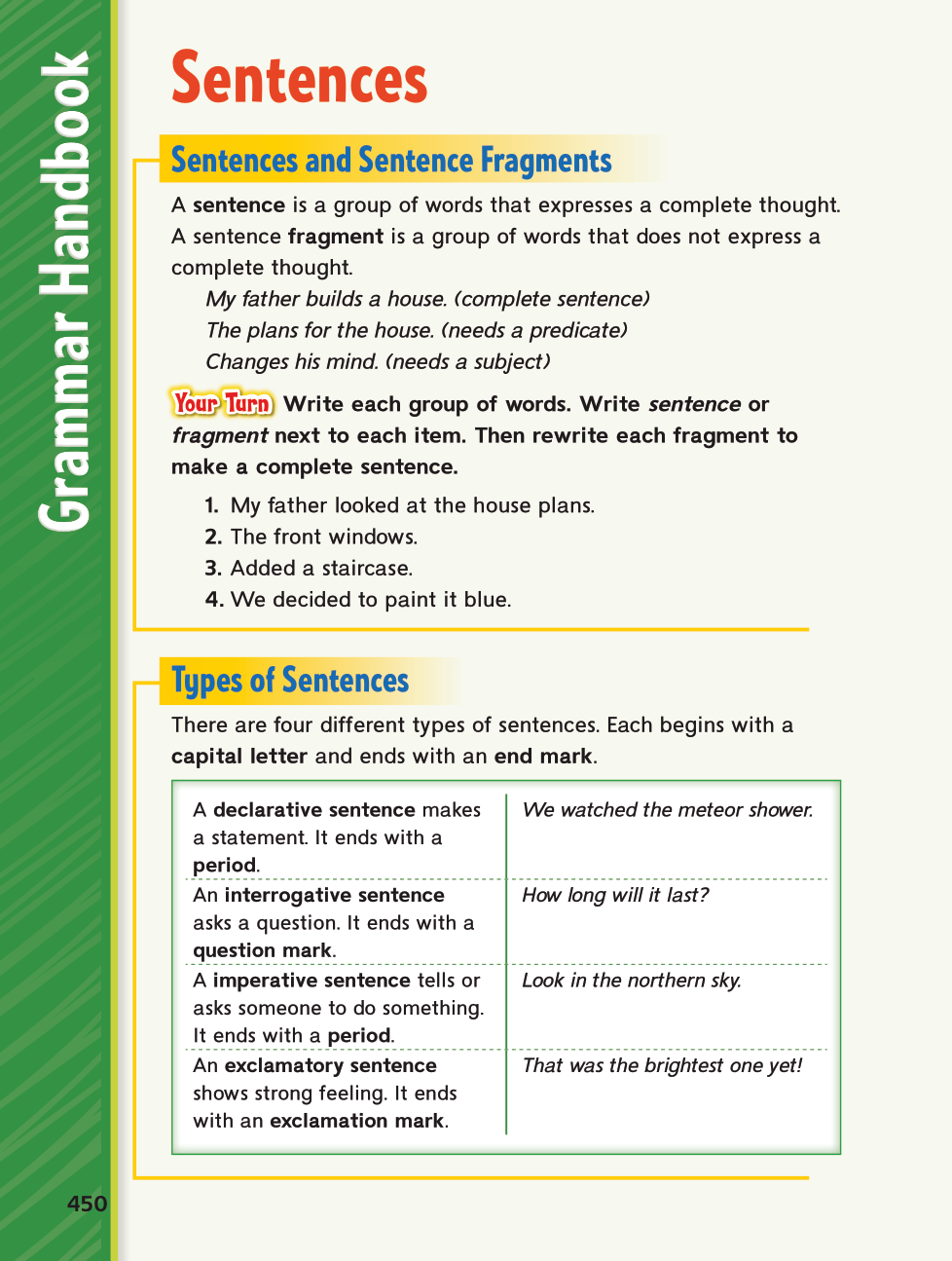
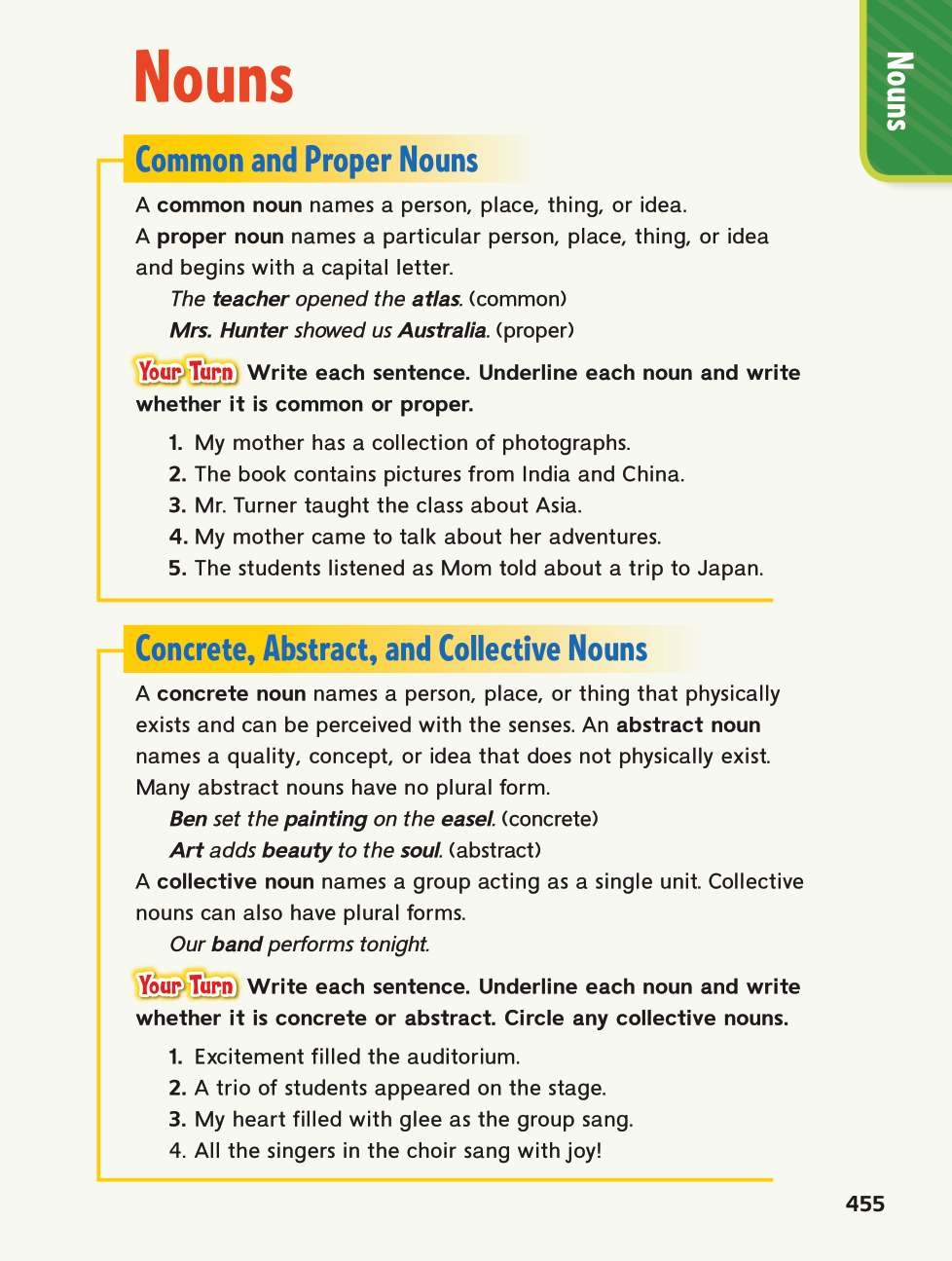
List the noun(s) in the sentence. Tell whether each noun is common or proper.
EXAMPLE: mother--common
List the noun(s) in the sentence. Tell whether each noun is common or proper.
EXAMPLE: mother--common
List the noun(s) in the sentence. Tell whether each noun is common or proper.
EXAMPLE: mother--common
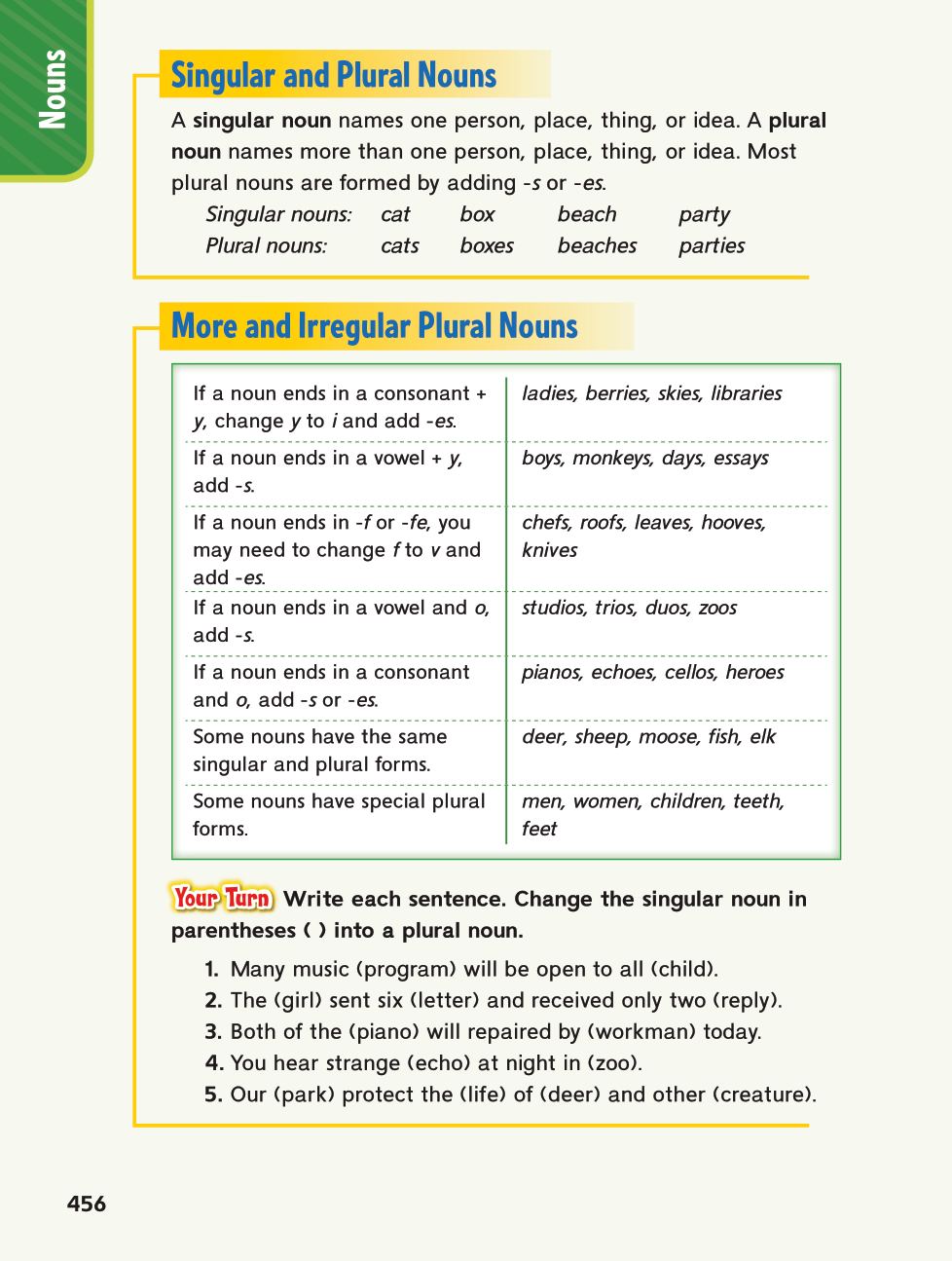
Make the noun(s) plural.
Make the noun(s) plural.
Make the noun(s) plural.
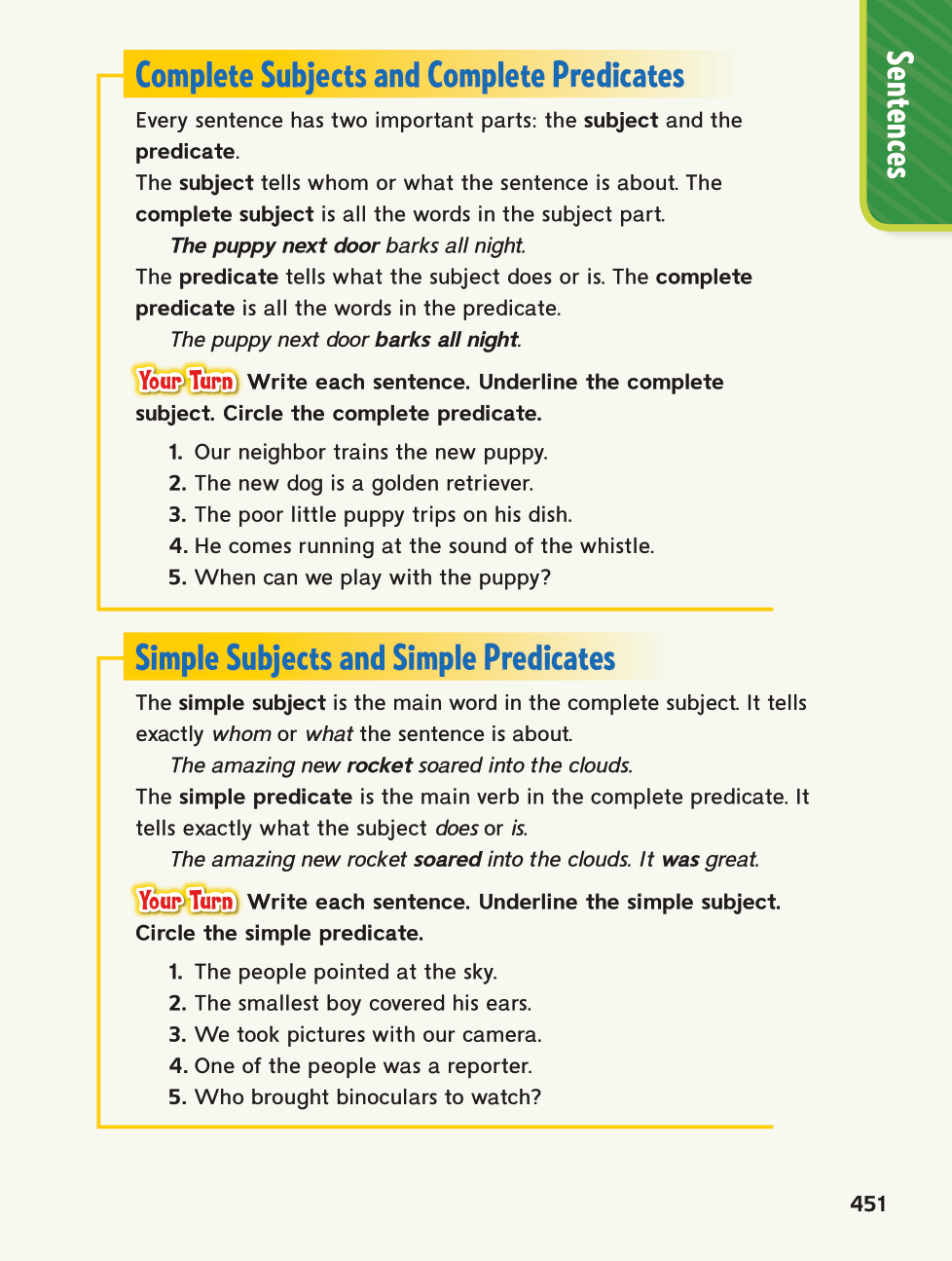
What is the complete subject?
What is the complete predicate?
What is the complete subject?
What is the complete predicate?
What is the complete subject?
What is the complete predicate?
What is the complete subject?
What is the complete predicate?
What is the complete subject?
What is the complete predicate?
For your answer, write like this: SS-people, SP-pointed.
For your answer, write like this: SS-people, SP-pointed.
For your answer, write like this: SS-people, SP-pointed.
For your answer, write like this: SS-people, SP-pointed.
For your answer, write like this: SS-people, SP-pointed.
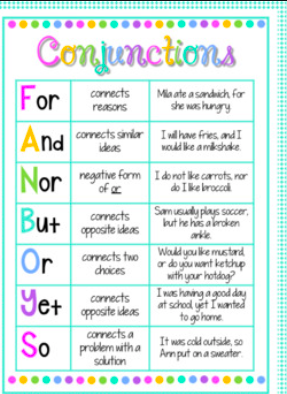
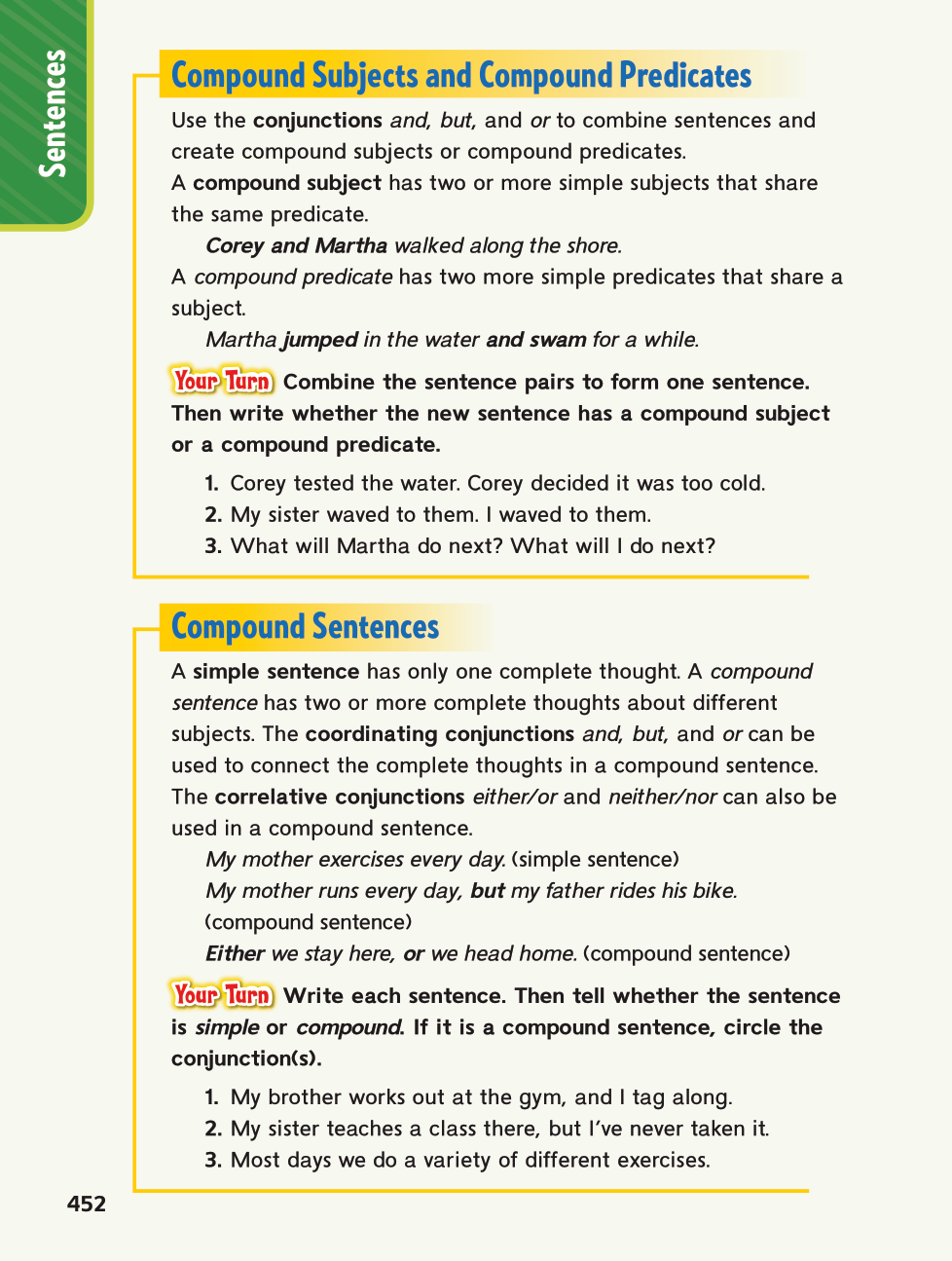
Write simple or compound for the sentence. If the sentence is compound, write the conjuction used.
EXAMPLE: compound, or
Write simple or compound for the sentence. If the sentence is compound, write the conjuction used.
EXAMPLE: compound, or
Write simple or compound for the sentence. If the sentence is compound, write the conjuction used.
EXAMPLE: simple, or
List the noun(s) in the sentence. Tell whether each noun is common or proper.
EXAMPLE: mother--common
List the noun(s) in the sentence. Tell whether each noun is common or proper.
EXAMPLE: mother--common
Make the noun(s) plural.
Make the noun(s) plural.