APUSH Unit 1 Exam: Period 3 DBQ Graphic Organizer - SY2021
star
star
star
star
star
Last updated about 2 years ago
15 Nsɛmmisa
1
1

2) Re-read the Prompt and annotate.
3) Box the Topic.
Step 2: Ensure that you fully Answer the Prompt by filling out this table accurately.
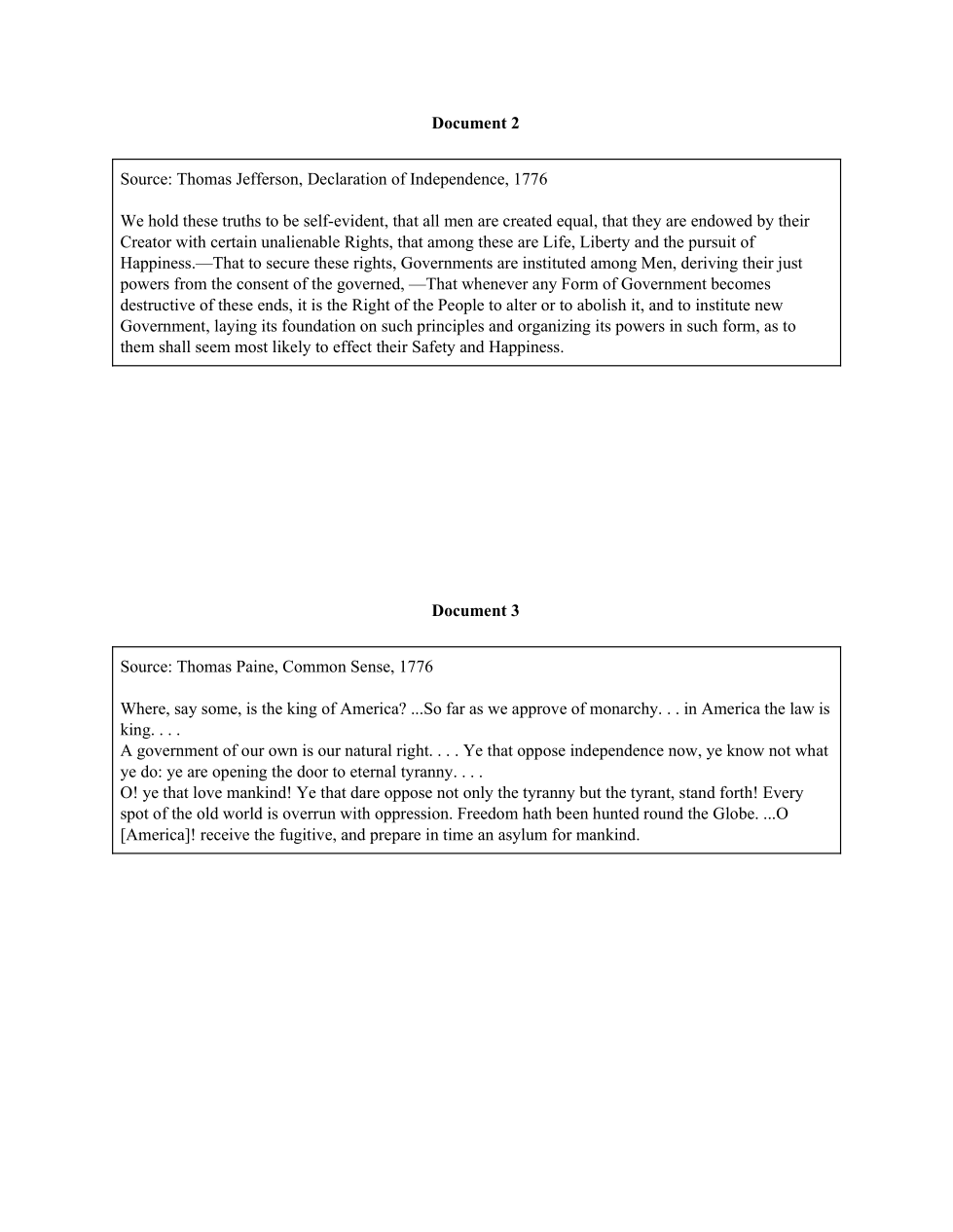
Read and annotate Document 2.
Read and annotate Document 3.
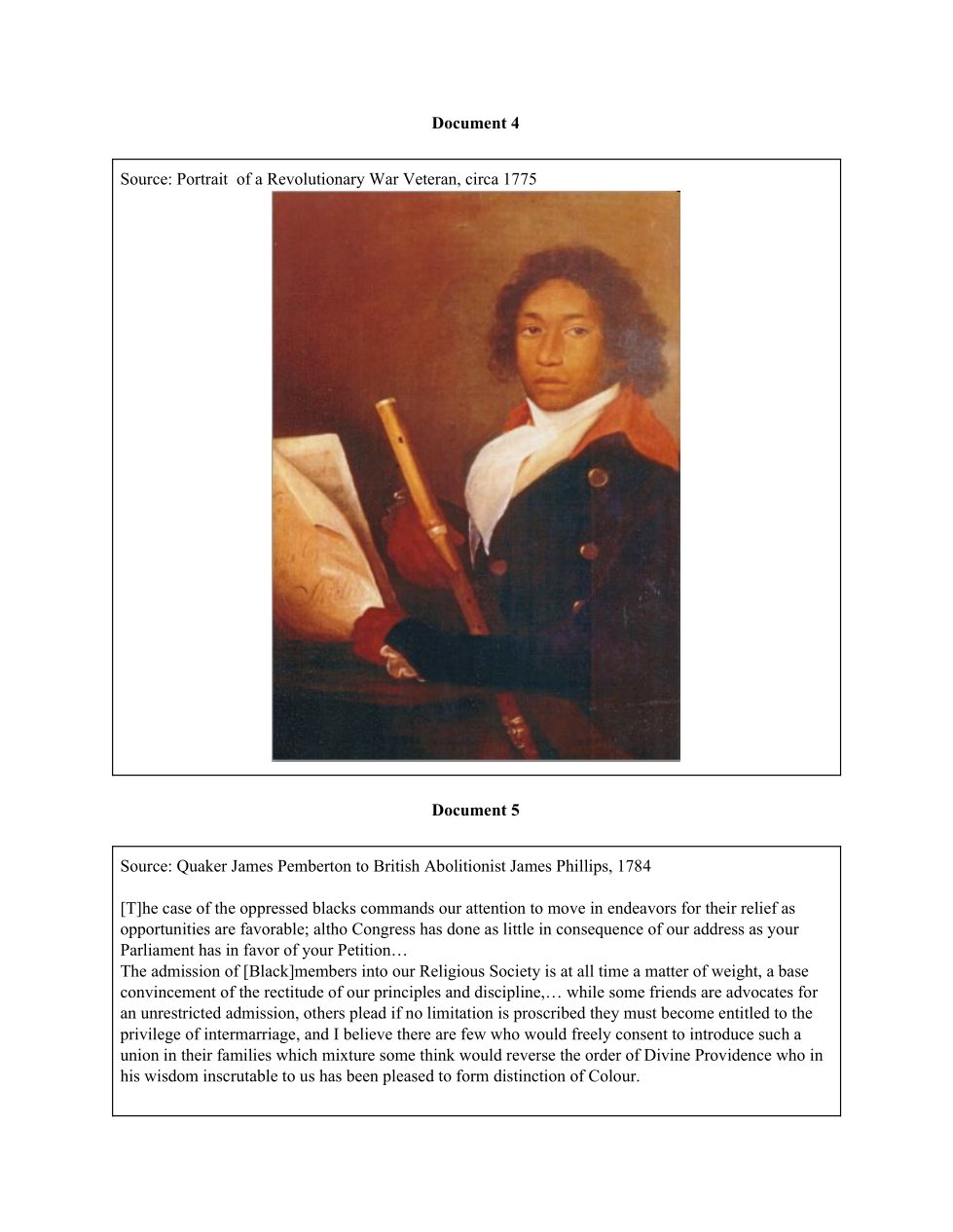
Document 4 is an image, so you cannot read it, but you should still be able to analyze the image, connect to historical facts, and determine how this image may help you Answer the Prompt.
Read and annotate Document 5.
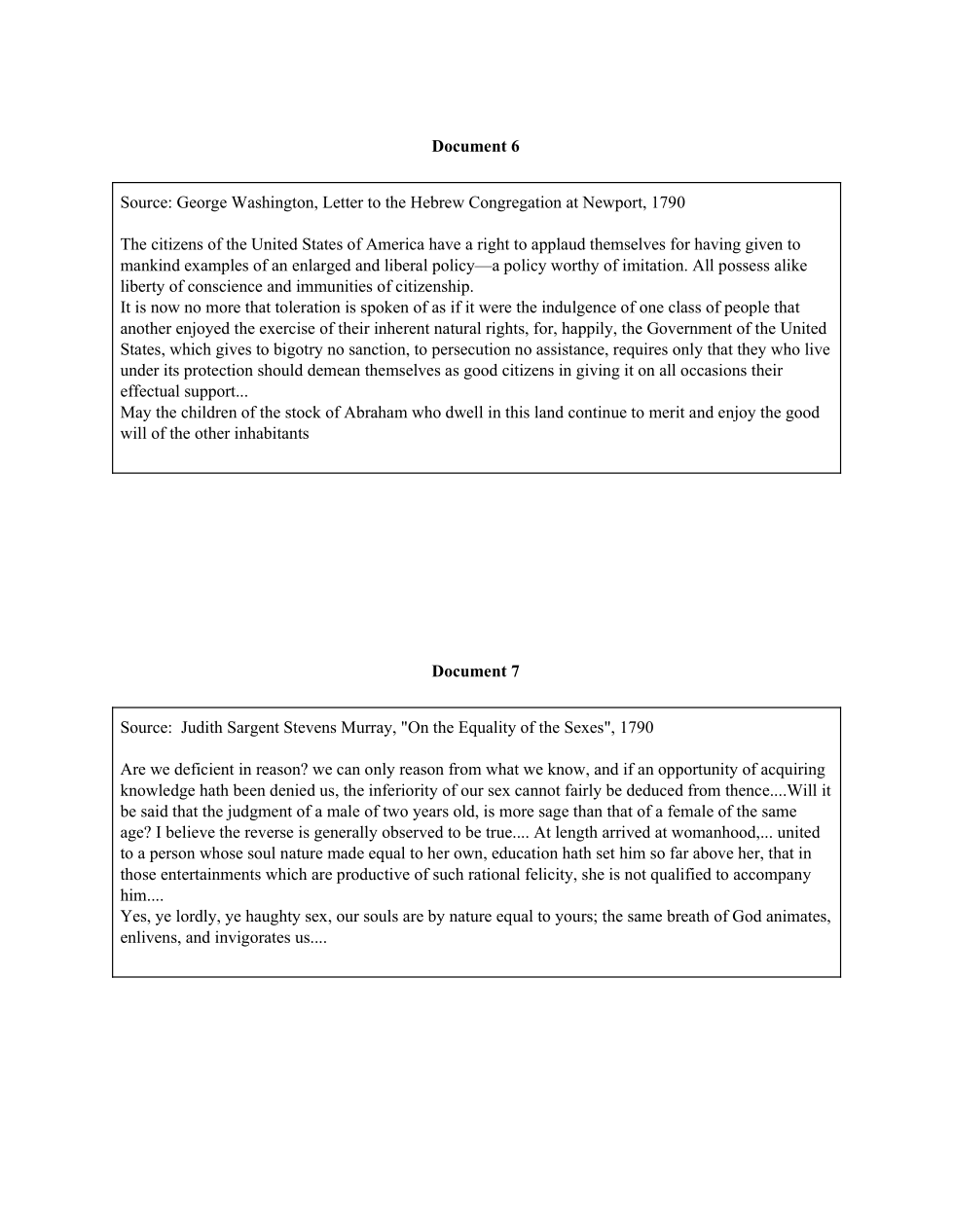
Read and annotate Document 6.
Read and annotate Document 7.
Consider how each document may help you Answer the Prompt using this chart.
Remember that you only need to describe 6 out of the 7 documents, and explain how only 3 of the 6 you describe helps support your Thesis.

Contextualize the Topic: Describe 1-2 related terms using specific details in 2-3 sentences.
Write your Thesis: Be sure to Answer all parts of the Prompt and include a line of reasoning.
Read and annotate Document 1. Consider: Who is the author? How does this document relate to the topic?
Your first body paragraph should group 2-3 related documents together. You can do this one of two ways.
1) Group by how the documents help you Answer the Prompt, e.g. evidence for Argument vs. Counterargument
2) Group by revolutionary principle, e.g. equality, liberty, etc.
Now fill out the chart for your second group of documents.
One last shot at that Thesis point!
Be sure to Answer the Prompt clearly and more concisely than you did in the Introduction.