Unit 8 Toolbox
star
star
star
star
star
Last updated about 5 years ago
15 Nsɛmmisa
1
1
1
1
1
1
1
1
1
1
3
1
1
1
1
Pick's Formula
The area of irregular figures can be calculated using which formula?
A lattice point is the point of intersection of two or more grid lines.
Area is defined as the size of the interior of a figure measured in square units. Some units may include:
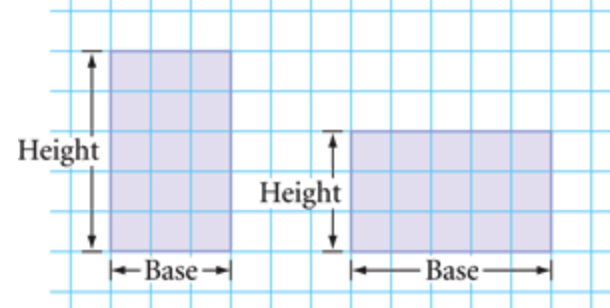
The formula for area of a rectangle, A = bh, is derived(produced or generated) in your online textbook on p. 410. Use this information to answer the following question.
How does placing a rectangle on a grid help to derive the formula for a rectangle? Draw a rectangle in the Show Your Work section and label the dimensions b and h.
Parallelogram
The area formula for a parallelogram is A = bh.
Label the dimensions b and h on the figure in the Show Your Work section.
Triangle
The formula for area of a triangle is
Label the dimensions b and h for each triangle in the Show Your Work Section.
Trapezoid
The area formula for a trapezoid is
Label each of the dimensions h and b1 and b2 on the figure in the Show Your Work section.
Kite
The area formula for a kite is
Label the dimensions d1 and d2 on the figure in the Show Your Work section.
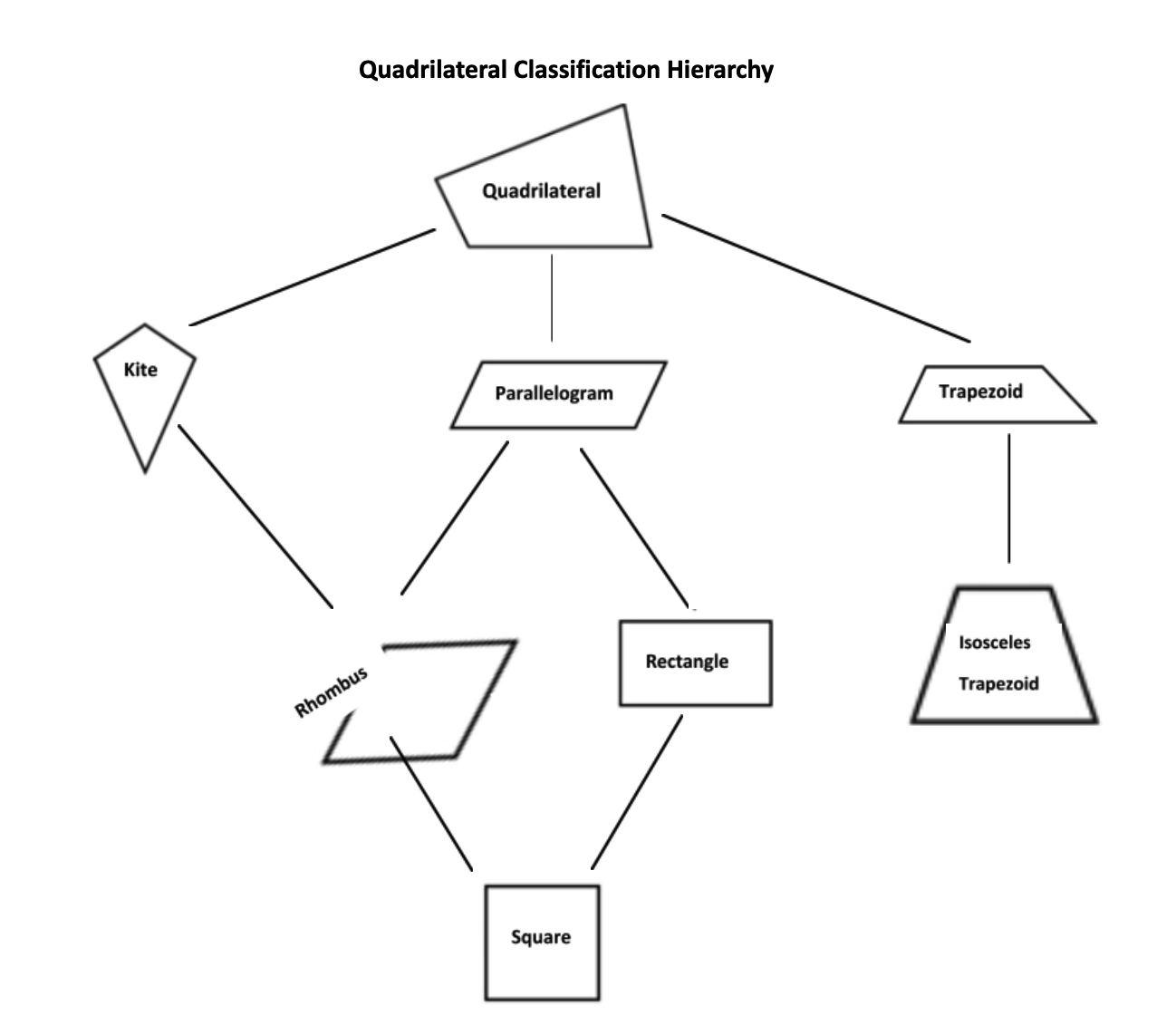
Based on the square's position in the Quadrilateral Hierarchy, which of these formulas could be used to calculate the area of a square? Check all that apply.
Circumference
Circumference, C, is the distance around a circle. Since the diameter is twice the radius, there are two formulas for circumference.
Label the dimensions, r and d, on the circle in the Show Your Work section.
Circle
The formula for area of a circle is
What is the area of the given circle "in terms of pi?" (See the Show Your Work section)
Regular Polygons
The area formula for a regular polygon is
a = the length of the apothem
P = perimeter of the polygon
Label the regular polygons with these dimensions, a and p.
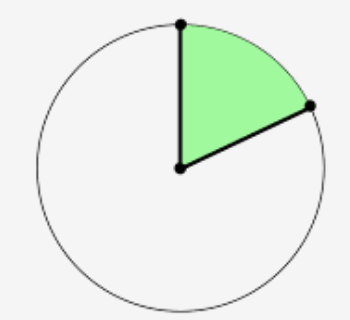
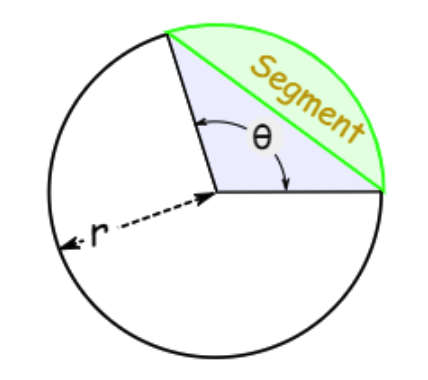
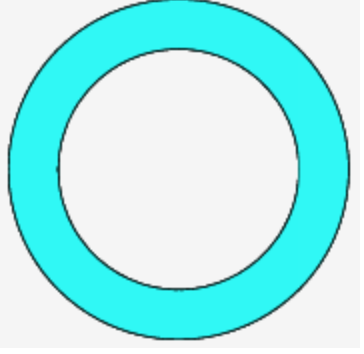
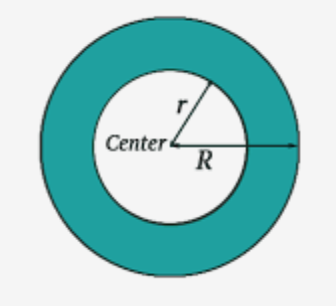
Match each formula with the appropriate region.
| Draggable item | arrow_right_alt | Corresponding Item |
|---|---|---|
| arrow_right_alt | |
| arrow_right_alt | |
| arrow_right_alt |
Prism
Which is the correct formula for surface area(SA) of a prism? Label the dimensions, p and h for each figure and use the text box to write the formula that would be used to calculate B(base area) in the Show Your Work section.
B = area of the base
p = perimeter of the base
h = height of the 3D figure
Cylinder
Which is the correct formula for SA of a cylinder? Label the dimensions, r and h, on the figure in the Show Your Work section.
Cone
Choose the correct formula for SA of a cone. Label the dimensions(radius and slant height).
Pyramid
Choose the correct formula for the SA of a pyramid. Label the dimensions, p and l(slant height) for each figure and use the text box to write the formula that would be used to calculate the B(base area) in the Show Your Work section.
B = area of the base
p = perimeter of the base
l = slant height