Yeast Fermentation Virtual Lab
star
star
star
star
star
Last updated 6 months ago
11 Nsɛmmisa

1. Yeast (fungus) cells produce ethanol in a process called fermentation. Which fermentation is shown in this lab?
2. According to this lab, what are two energy sources that yeast can use to make ethanol?
3. What is the ENZYME that yeast uses to break down sugar?
4. Which condition produced the biggest balloon (and therefore the highest rate of fermentation)?
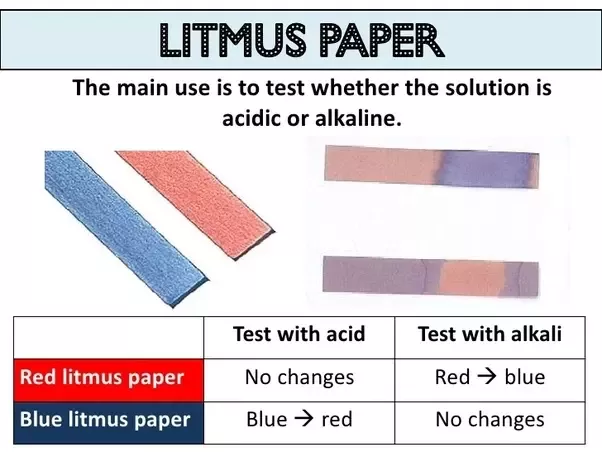
What gas was produced during this fermentation? How do you know? (Include data and a scientific principle from this lab.)
Why didn’t the flask with just water and yeast not produce any gas?
Why do you think the boiled flask didn’t produce any gas?
Why didn’t the flask with just glucose and water not produce any gas?
Why didn’t the flask with the yeast, water, and flour not produce as much gas as the flask with the glucose?
This lab makes me think of the fermentation that occurs in your muscle cells when you extensively workout.
The point of our body doing fermentation is to keep which process going that makes 2 ATP each time to keep us alive while we push ourselves to our limit?
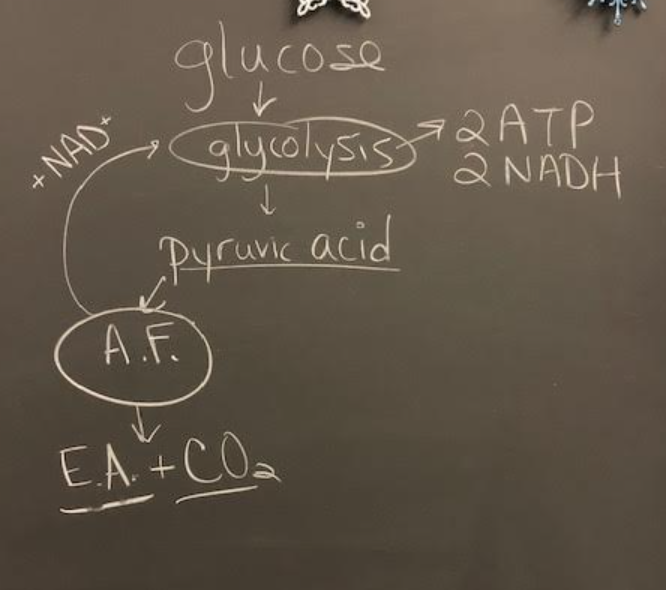
According to your in-class results of testing how the amount of ***** effects the rate of fermentation, what can you conclude?
Include a scientific explanation.
Remember, each class tested a different variable.