Pitanje 3
3.

Do Now.
Covid-19 began as an epidemic. Due to fairly easy access to travel, trade, and the nature of the infectious disease, the epidemic quickly became a pandemic. If you were a leader of a country, what steps would you take to prevent the epidemic from becoming a pandemic?
Do Now.
What consequences would these actions have on your country?
Activity 1.
Open this link: https://www.historyofvaccines.org/content/scientific-method
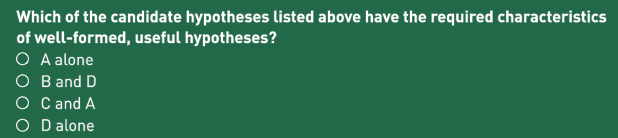
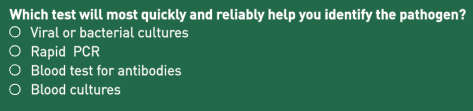
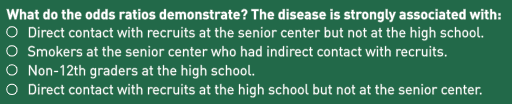
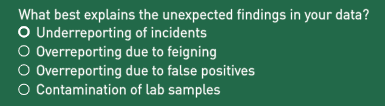
Pretend you're in the middle of a disease outbreak (not COVID-19). Apply the scientific method in an epidemiological setting to pinpoint the source of the illness. Go step by step through this gizmo and answer the questions in this document as well.




Activity 2.
What are some fears about the vaccine that you have heard?
How risky do you believe the vaccine is?
Below are different activities. Reorganize them to what you believe is the riskiest activity to the safest. Put the riskiest behavior at the top.
Flying on a plane
Driving in a car
Using bleach
Getting the COVID vaccine
Shopping at the grocery store (right now with COVID)
Next, you will be looking at the risks of vaccines.
Preface: This resource was created before the COVID Pandemic and does not take the COVID vaccine data into account. COVID data may alter this data slightly, but the trends are still the same.
Using this link: https://www.historyofvaccines.org/content/understanding-risk
Answer questions 14-16
Based on the resource, organize the behaviors with the riskiest at the top.
Getting a vaccine
Driving a car
Unintentional posioning
Compare the Hib vaccination side effects to the risk of the infection. What are 3 pieces of information you notice?
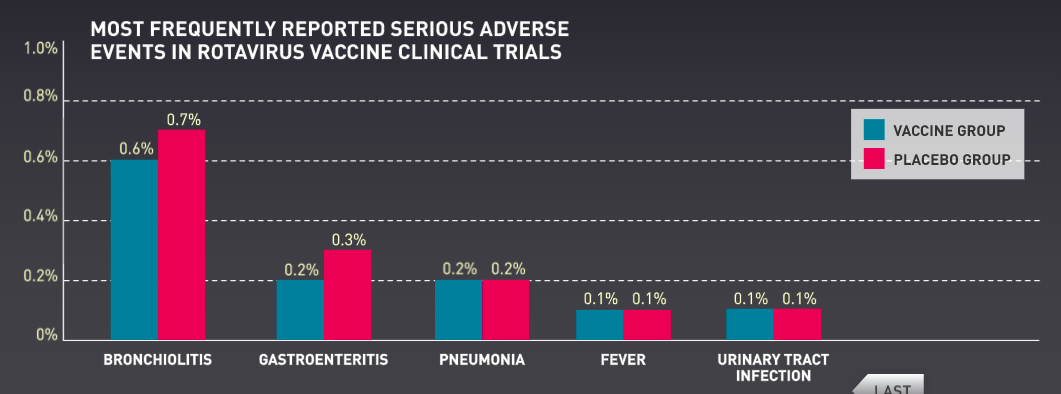
"Your mind can be a powerful healing tool when given the chance. The idea that your brain can convince your body a fake treatment is the real thing — the so-called placebo effect — and thus stimulate healing has been around for millennia. Placebos won't lower your cholesterol or shrink a tumor. Instead, placebos work on symptoms modulated by the brain, like the perception of pain. "Placebos may make you feel better, but they will not cure you," says Kaptchuk. "They have been shown to be most effective for conditions like pain management, stress-related insomnia, and cancer treatment side effects like fatigue and nausea."
In many clinical studies, people are given shots with vaccine or pills that are just made of sugar. Many people taking this sugar pills or receiving no medication still report that they are responding to the medication."
-https://www.health.harvard.edu/mental-health/the-power-of-the-placebo-effect
On the graphic below, what do you notice about the data? Why do you think the data is so close?
Exit Ticket-
(To help you with part 2 of your final project)
What are some reasons you learned today that vaccines may not be as risky as they are often made out to be? Explain in full detail.