Asemmisa {{asɛmmisaAhyɛnsode}}
2.
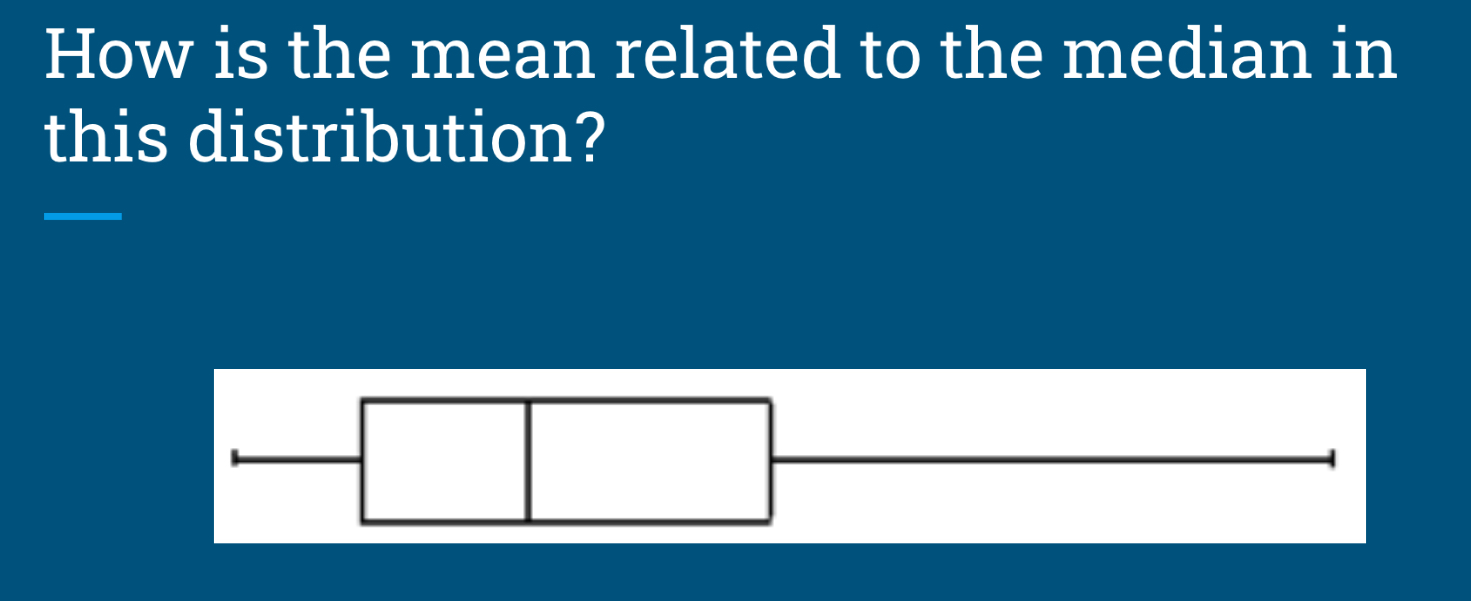
Calculate the mean and the median of Jon’s Science Test Scores.
Also include what shape the distribution would be based on the relationship of the two values.
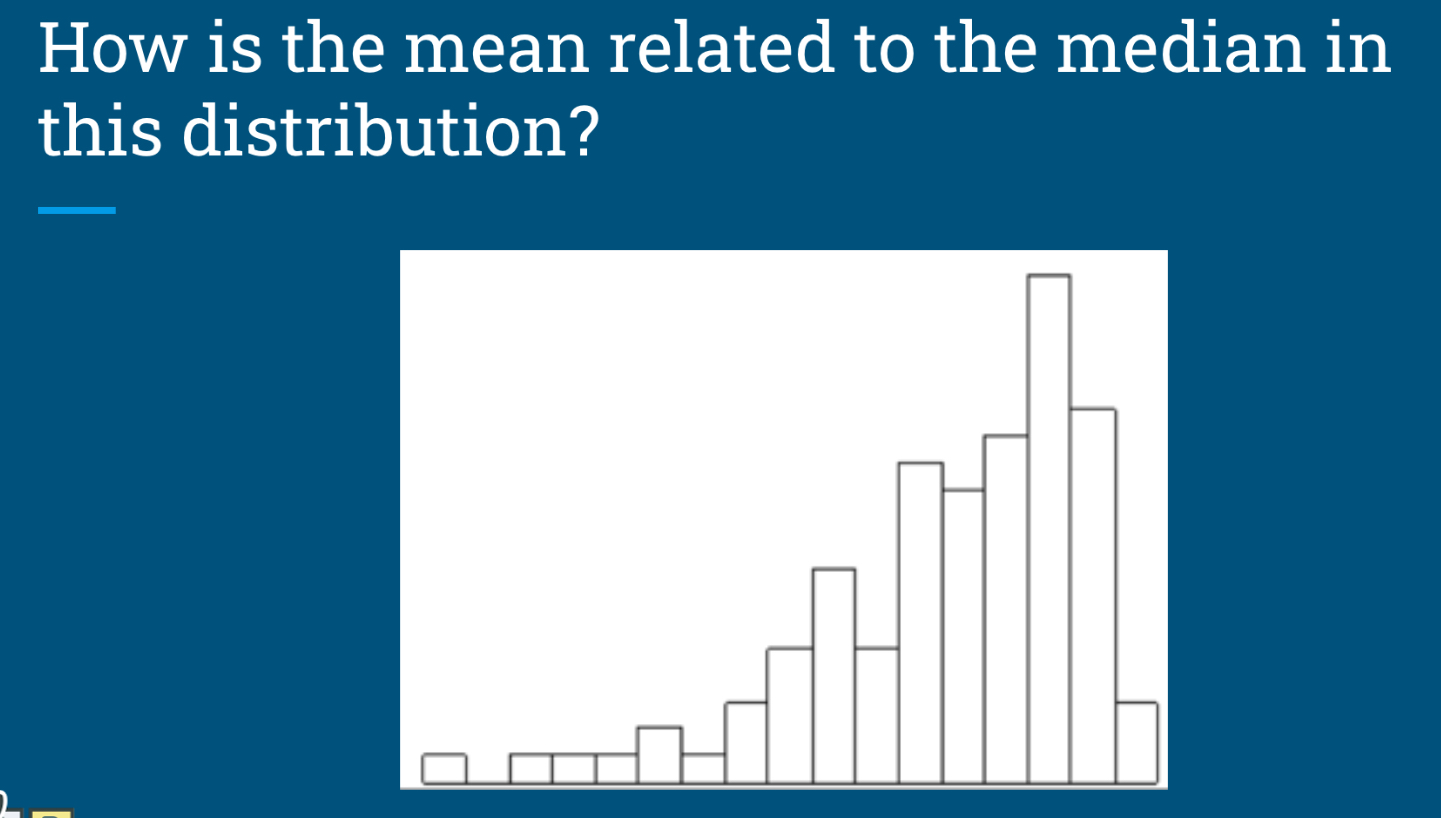
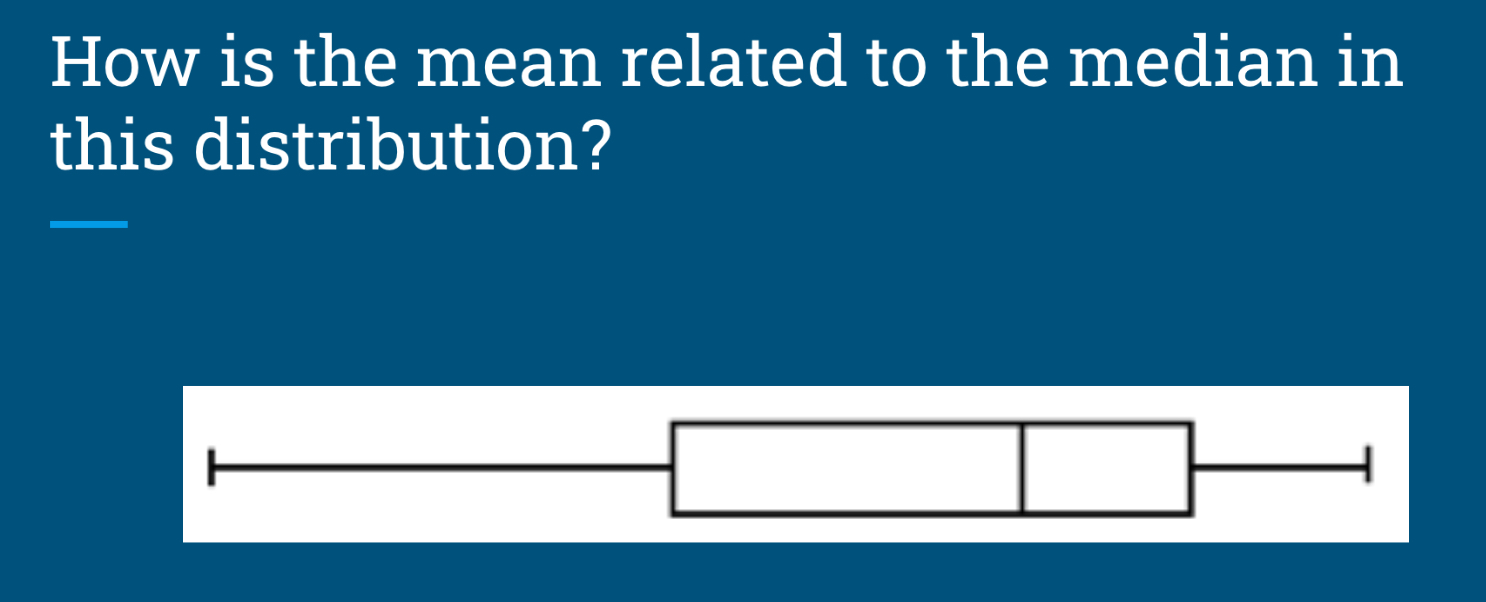
How can you estimate the mean of a histogram when you do not have the actual data values that created it?
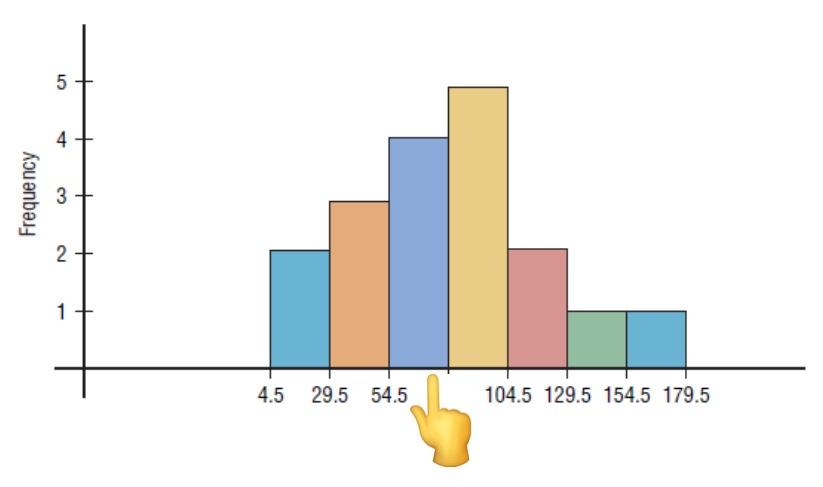
Determine which of the following are good estimates for the mean of the distribution—circle your answer choices.
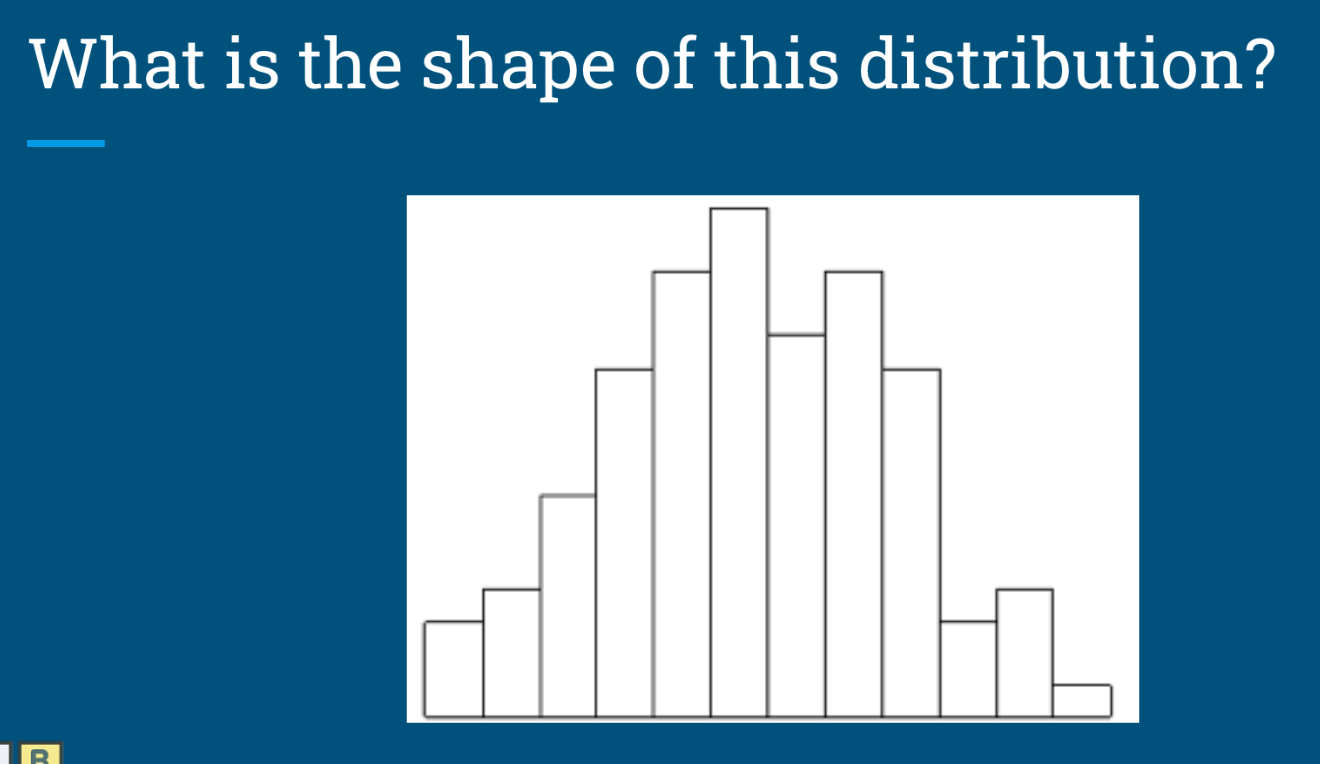
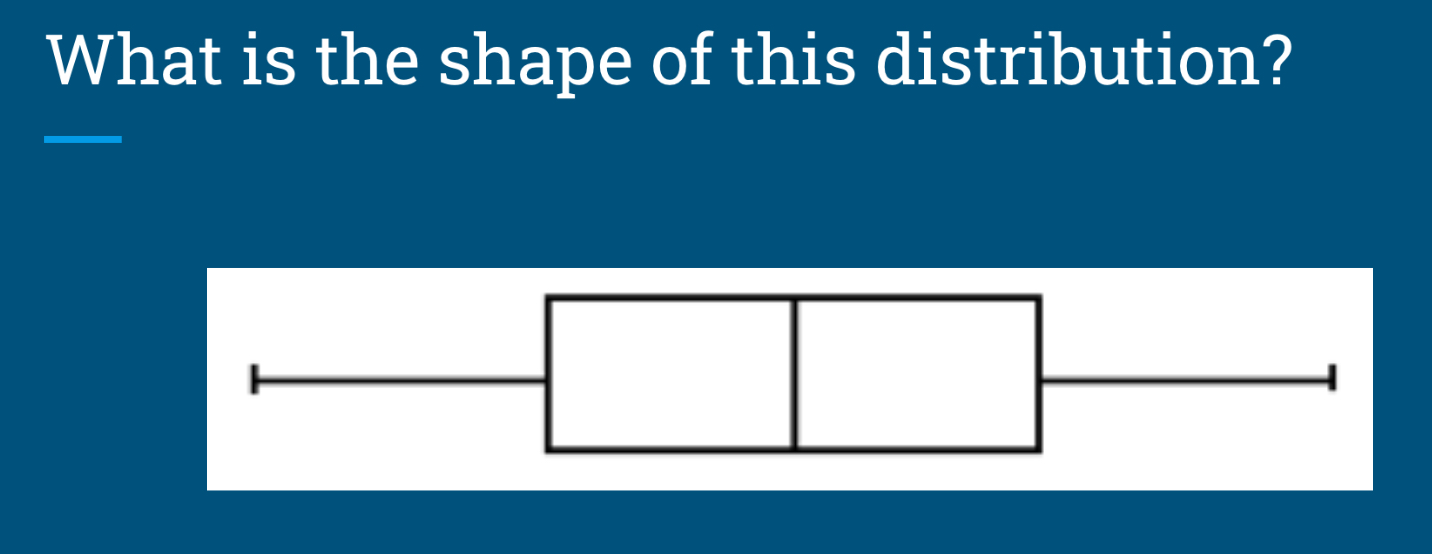
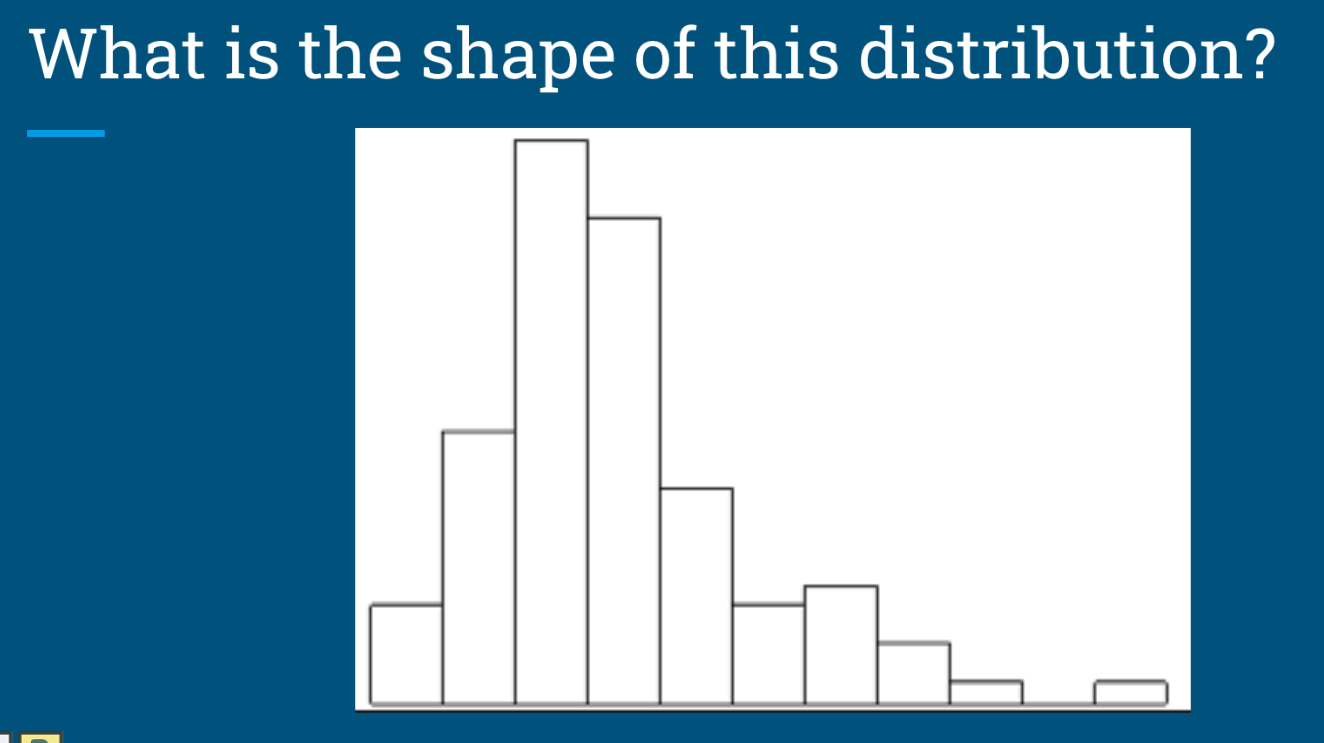
Match each type of distribution shape with the correct relationship between the mean and the median.
Which measure of variability can be found by calculating the difference between the upper quartile and the lower quartile?
Which measure of variability can be found by calculating the difference between the maximum and the minimum?
Which measure of variability do we consider more reliable because it is more typical of the data set and is not generally affected by unusually high or low values?
Which measure of variability is the “box” of a box and whisker plot?
Which measure of variability represents 100% of the data?
Which measure of variability represents the middle 50% of the data?
Which measure of variability is also referred to as the “spread” of the data?
Recall that each section of a box and whisker plot is 25% of the data in the distribution--use this fact to select ALL of the statements below that are true based on the stacked box plot of Test Scores for Kyle and Amira.
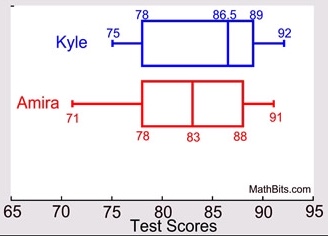
Answer the four questions shown using the box plot.
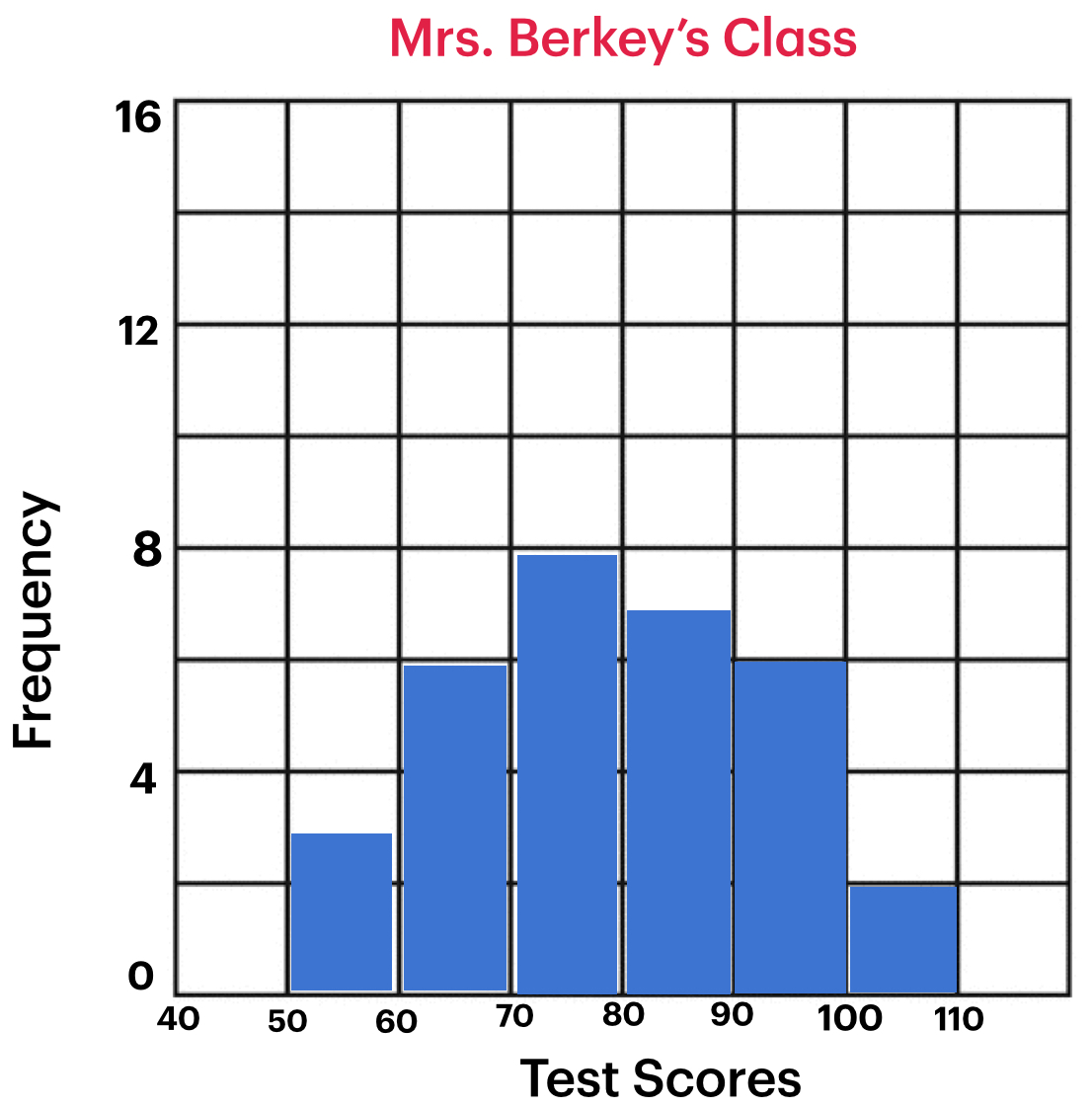
How many students are in Mrs. Berkey’s Class?
What is the lowest possible Test Score in Mrs. Berkey’s Class?
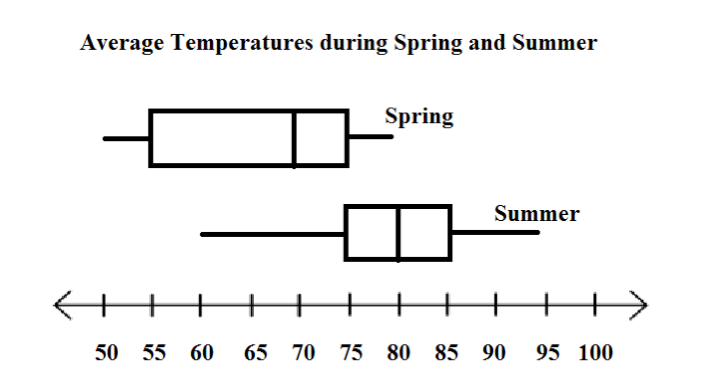
The average temperatures in the summer have a greater spread than those in the spring.
50% of the average temperatures in the Spring fall between 55 degrees and 75 degree.
75% of the average temperatures in the Summer are 85 degrees and above.
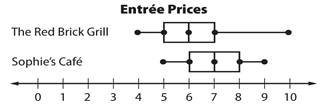
Which restaurant will have a mean value that is greater than it's median value?
Which statement correctly summarizes the interquartile range of Sophie's Cafe?
Which Restaurant has an outlier in it's distribution?