Unit 3 Human Impact

Last updated almost 5 years ago
20 questions
Note from the author:
Natural Resources, Conservation, Human Impact
1

Which of the following are renewable resources?

1

Use the passage below to answer the following questions.
Wind Energy Wind power is the use of air flow through wind turbines to mechanically power generators for electric power. Wind power, as an alternative to burning fossil fuels, is plentiful, widely distributed, clean, produces no greenhouse gas emissions during operation, consumes no water, and uses little land. The net effects on the environment are far less problematic than those of nonrenewable power sources.
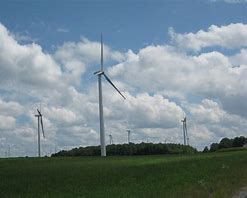
Wind farms consist of many individual wind turbines which are connected to the electric power transmission network. Onshore wind is an inexpensive source of electric power, competitive with or in many places cheaper than coal or gas plants. Offshore wind is steadier and stronger than on land, and offshore farms have less visual impact, but construction and maintenance costs are considerably higher. Small onshore wind farms can feed some energy into the grid or provide electric power to isolated off-grid locations.
Wind power gives variable power which is very consistent from year to year but which has signicant variation over shorter time scales. It is therefore used in conjunction with other electric power sources to give a reliable supply.
Compare and contrast wind turbines as an energy source with fossil fuels as an energy source.
1

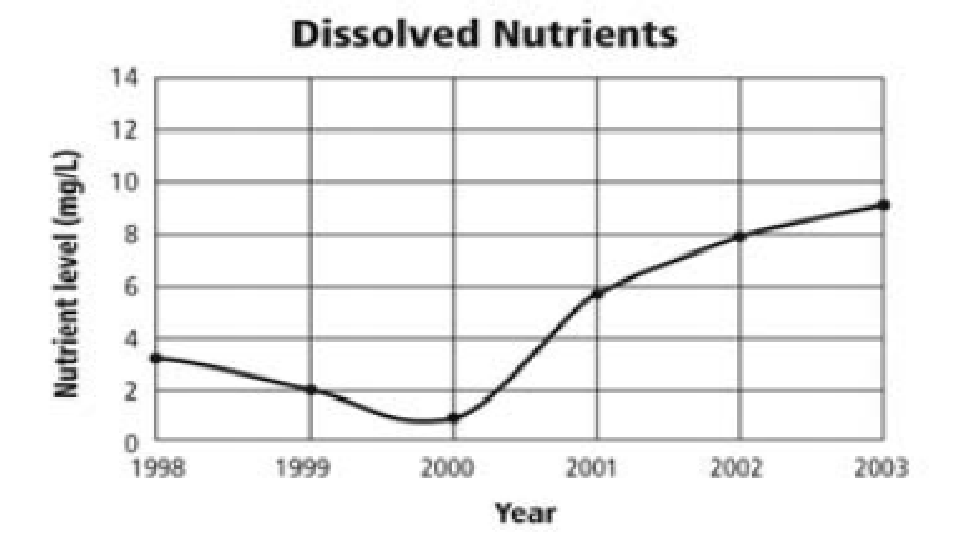
The line graph below shows the average amount of dissolved nutrients in a body of water each year from 1998-2003.
Which human activity most likely affected this body of water between 2000 and 2003?

1

The conservation of _____________________ focuses on preserving these resources. The purpose of the conservation of _____________________ is to reduce, reuse, and recycle to give those natural resources a chance to regenerate.

1

Using the passage below and your knowledge of the topic, answer the following questions.

Water Scarcity
Water scarcity is the lack of sufficient available water resources to meet water needs within a region. It affects every continent and around 2.8 billion people around the world at least one month out of every year. More than 1.2 billion people lack access to clean drinking water. Water scarcity involves water shortage, water stress or defficits, and water crisis. The relatively new concept of water stress is difficulty in obtaining sources of fresh water for use during a period of time; it may result in further depletion and deterioration of available water resources. Water shortages may be caused by climate change, such as altered weather-patterns (including droughts or floods), increased pollution, and increased human demand and overuse of water. The term water crisis labels a situation where the available potable, unpolluted water within a region is less than that region's demand.  Two converging phenomena drive water scarcity: growing freshwater use and depletion of usable freshwater resources.

Based on the information presented and any background knowledge you have, in your opinion would you consider water a renewable or nonrenewable resource? There is no correct answer. You will be graded and your ability to justify your statement with supporting evidence.

1

What would be the most reasonable ways to conserve our ratural resources?

1
  • water
  • oxygen
  • electricity
  • internet connectivity
  • money
  • books
  • Essential for human survival.
  • Non-essential for human survival.
1

Some renewable energy resources are powered by the Sun. Another source of renewable energy is

1

Determine if each human action has a negative or positive impact to our ecosystems.

  • Plant more trees after wood has been selected.
  • Move species to a new habitat.
  • Use hydroelectric power plants.
  • Use more fossil fuels.
  • Develop more efficient renewable resources
  • Conserve Energy by lowering thermostate during the winter.
  • Negative Human Impact
  • Positive Human Impact
1

Which two of the following best describe what events led to ore deposits in the Earth?

1

Drag and drop the statements on the correspondent slots to classify advantages and disadvantages of solar energy.

  • Solar energy is a renewable energy resource.
  • Solar cells can only convert 20% of the solar energy into electricity.
  • If there are many cloudy days, solar panels may not generate enough electricity.
  • The equipment is relatively expensive to manufacture and maintain.
  • The Sun provides a tremendous amount of energy to Earth.
  • Solar energy can be harnessed in any location that receives significant amount of sunshine.
  • Solar power cannot be created during the night.
  • Storing Solar Energy is not yet efficient.
  • Harnessing solar energy does not affect the environment.
  • Advantages of Solar Energy
  • Disadvantages of Solar Energy
1

Over the course of many years, a rural farm town becomes more urban. Which of the following will most likely happen in the town as a result of urbanization?

1

Hydroelectric power is

1

How is the use of hdroelectric power related to the Sun?

1

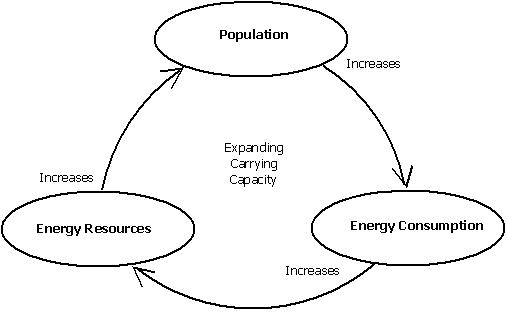
Re-order the elements to show the human carrying capacity is expanding.

  1. Population increases.
  2. Energy consumption increases.
  3. Energy resources increase.
1

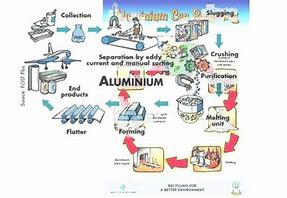
Below is a diagram outlining the aluminum production process at an aluminum plant, in which large amounts of energy is used to convert bauxite ore into useable aluminum metal. An employee at the plant realizes that there are large amounts of aluminum in the area that could be recycled and thinks some of the plant's aluminum output should come from these recyclable sources. Unlike Al production form bauxite, which consumes large amounts of energy, Al recycling requires comparatively little energy. Which three of the following are best described as environmental benefits/outcomes that would result from the plant investing in recycling?

1

A student needs your help! She included all the right information, but not in the right order.
Carefully study the diagram below.
Reorder the student's the claim, evidence, and reasoning in the most logical order. The statements should adequately explain the cycle in the diagram.

  1. Scientifically speaking, the laws of conservation of matter and energy state that matter and energy cannot be created or destroyed. This means resources are limited. If resources are limited, competition increases for the same resources if the population is larger. Clearly, expanding populations must find ways to improve the distribution, manufacturing, and/or design of said resources to support the larger population.
  2. As a result of decreased death rates, the population increases. These "new" individuals must have resources )food, energy, shelter, etc) to survive.
  3. So, the population must find ways to support the additional organisms. This leads to individuals innovating existing technology, developing new (better) technologies, and/or taking rources from other populations.
  4. An expanding population leads to an increase in energy consumption and forces the population to develop, find, or take additional energy resources to meet the needs of the larger population.
  5. First, for the population to increase, some other improvement must occur. For example if the water supply is cleaner, the health of the population improves. As a result, death rates decrease.
1

Non-renewable resources are natural resources that can be replenished by natural processes at least as quickly as they are used.

1

Trees can be classified as different kinds of resources. Which of these statements give a reason for classifying a tree as an energy resource?

1

Determine if each action represents reducing, reusing, or recycling of natural resources.

  • Use resources again
  • Drive less to prevent gasoline being burned
  • Collect items so their raw materials can be used agian.
  • Send glass to be melted into new products
  • Use fewer resources
  • Donate old items to a charity
  • Open windows instead of using the air conditioner
  • Use plates that can be used multiple times
  • Bring aluminum to a plant that turns them into foil
  • Reduce
  • Reuse
  • Recycle