Log in
Sign up for FREE
arrow_back
Library

S8: Section 3.2 & 3.3-Pop. in Fresh & Salt Water; Water Quality & Living Things

star
star
star
star
star
Last updated over 3 years ago
13 questions
1
1
1
1
1
8
1
1
1
1
8
8
8
Question 1
1.

Question 2
2.

Question 3
3.

Question 4
4.

Question 5
5.

Question 6
6.

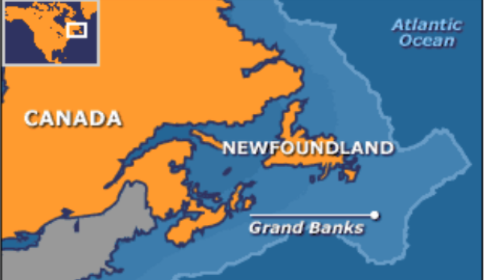
The cod population off the east coast of Canada was once so huge that ships came from all over the
world to fish there. When John Cabot – an explorer, arrived in the waters of Newfoundland, he wrote
that there were so many fish in the water that the boat could only move slowly. Today, there are so few cod that fishing for them has become very carefully controlled by regulations and catch limits. Over-fishing may not be the only cause of the decline in the cod population within the Grand Banks. There are more than 40 possible reasons that could explain the decline in cod stock recovery, including:
The environment, Fish growth and survival, Reproduction Issues, and Seals, (feeding on the cod), have also been suspected as a "possibility", that they are "preventing recovery of the cod stock."

What do you suggest could be done to protect the cod stocks in the Grand Banks?
What else should be done to increase the population?
Question 7
7.

Question 8
8.

Question 9
9.

Question 10
10.

Question 11
11.

When populations or species die off, or when they’re unhealthy, it’s a sign that something in the ecosystem has changed. Provide at least four changes that could have affected the ecosystem and explain how those changes would be detrimental to the ecosystem.

Question 12
12.

All throughout the months of our long, cold winter, snow and ice build-up on the streets and sidewalks of Calgary and Edmonton. Animal waste, oil, antifreeze, and road salt collect in this snow. When spring finally arrives, snow and ice rapidly melt. How might this meltwater affect populations of aquatic organisms downstream from these cities?

Question 13
13.

What does "Thermal Pollution" mean? How would it affect an ecosystem?

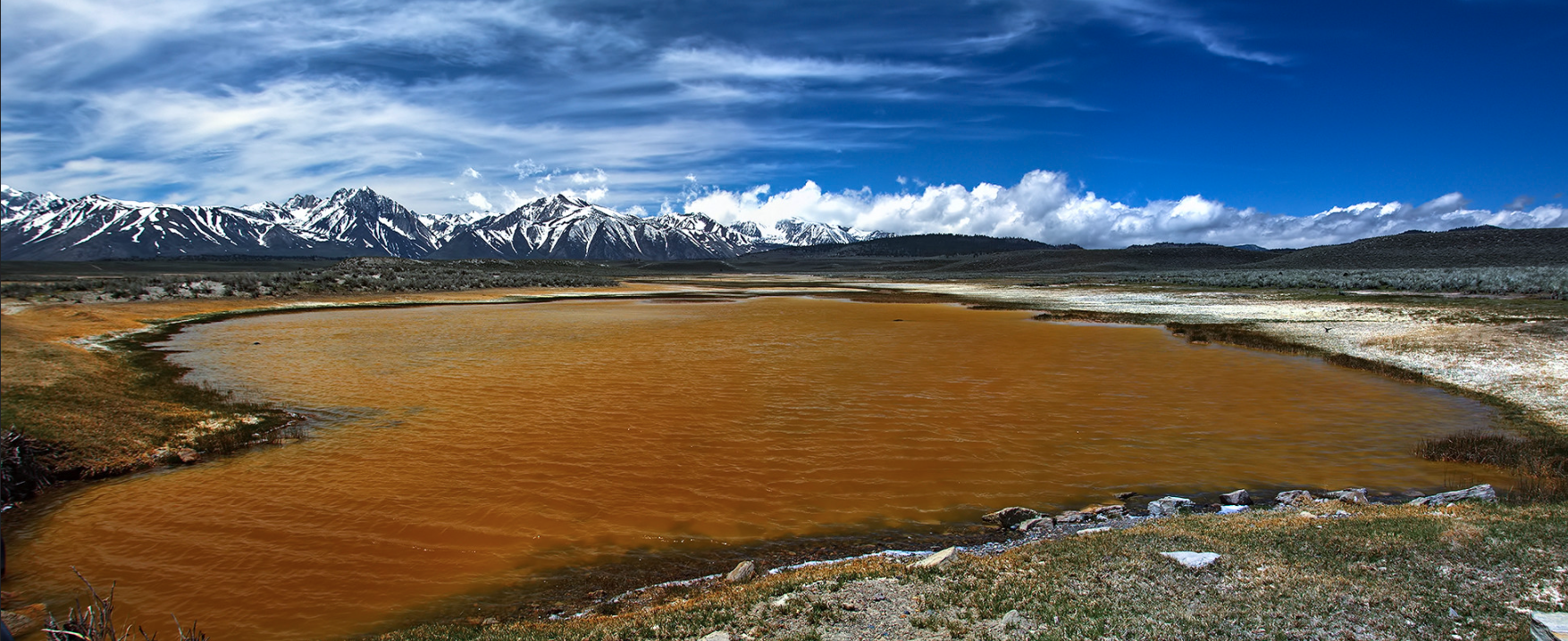
Prairie lakes with high concentrations of carbonates and bicarbonates have white coatings on
the rocks near the shoreline. These minerals have been dissolved out of the soil and have
made the lakes ...
alkaline
indicative
saline
acidic
Brine shrimp are microscopic organisms that live in salt lakes and brine ponds. Few other
organisms can live in these environments because the environment is so ...
salty
cold
warm
acidic
Which of the following environments would have the greatest diversity?
lake
puddle
pond
OCEAN
Often when too many chemicals are added to an environment, pollution occurs. This is
evident when fertilizer runoff from farmer’s fields increases the growth of green slime in a body
of water nearby. This green slime is called ...
algal bloom
algae slime
fertile algae
creeping algae
A population is related to a species in the following way ...
A species is part of a specific population
A specific population is part of a species
A population is a specific species in a particular area
A species is specific to a particular population
The study of populations looks at groups of organisms within a particular species. A population
is a group of organisms of the same species that live in...
freshwater
a particular area
an ocean zone
saltwater
Population changes can occur because of a number of factors. Extremes in temperatures occur
because of these types of changes ...
permanent
seasonal
long-term
short-term
These types of population changes can occur naturally but do not happen every year ...
long-term
short-term
permanent
seasonal
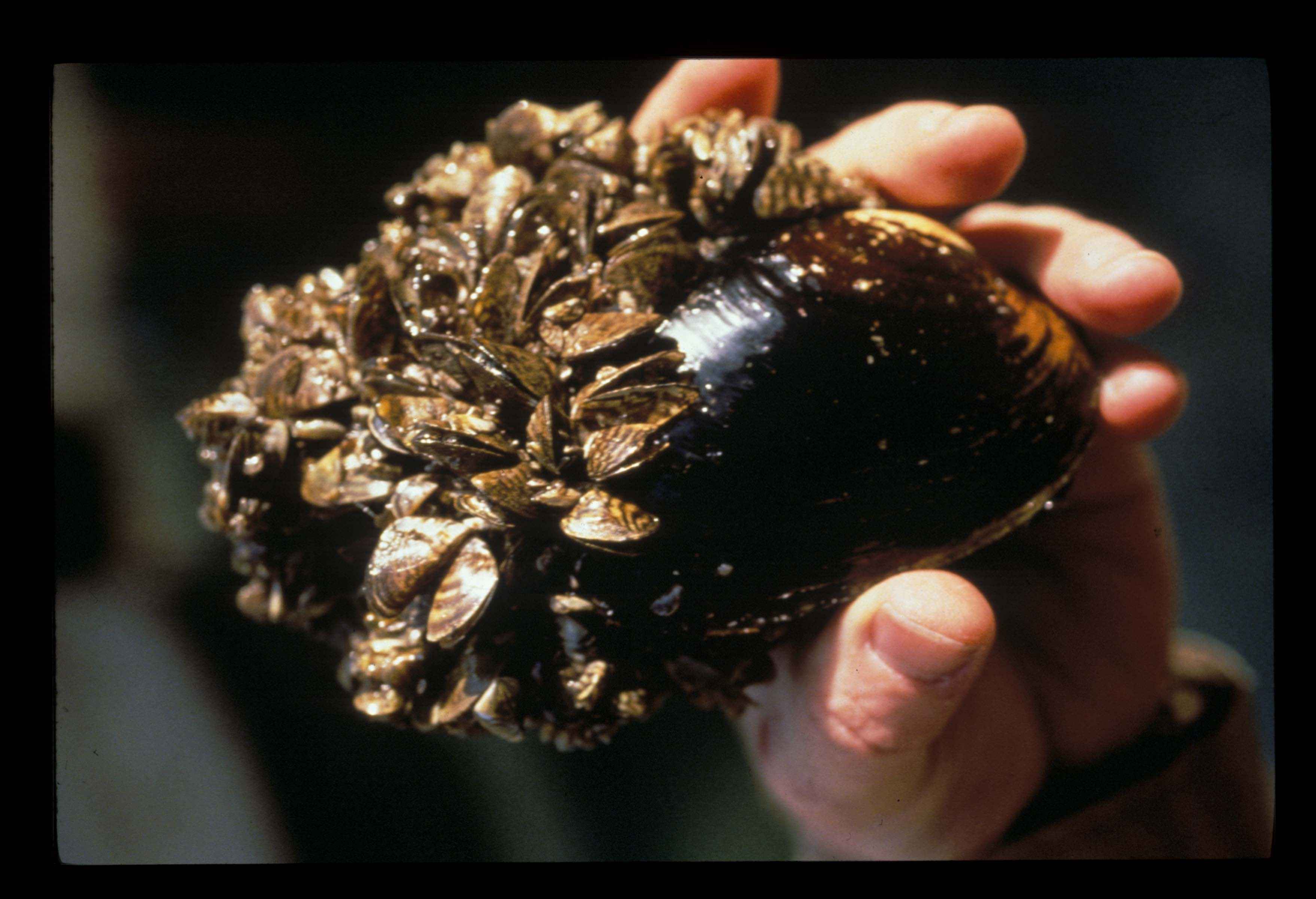
Zebra mussels, introduced into the great lakes in 1988, is an example of this type of population
change ...

seasonal
long-term
permanent
short-term