Grade 8- Section 4.0 Light and Optics
star
star
star
star
star
Last updated 7 months ago
8 Nsɛmmisa

Ɛhia
5
Ɛhia
2
Ɛhia
4
Ɛhia
2
Ɛhia
6
Ɛhia
2
Ɛhia
2
Ɛhia
2
In the image provided, match each part of the eye with the part of the camera that performs the same or similar function in the box below.
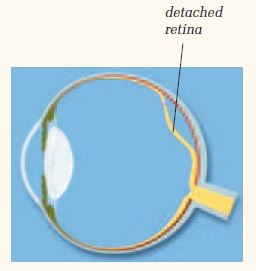
It is possible for the retina to detach from the back of the eye (see image above). What would the effect of a retinal detachment be on someone’s vision? (you may have to google this answer)
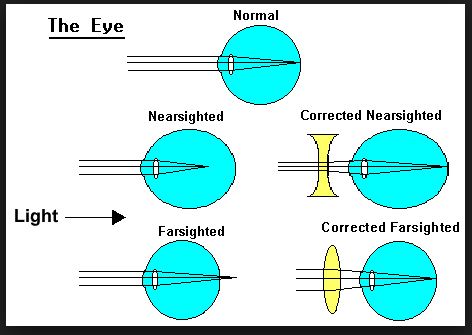
What is near-sightedness? How can it be corrected?
Describe a technology that enhances vision. How does it work?
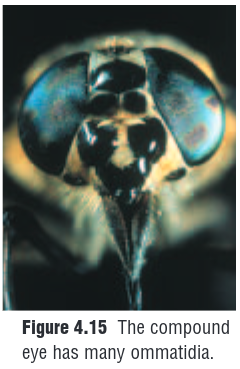
Insects and crustaceans (shrimps, lobsters, and crayfish) have compound eyes. Looking closely at the eyes in Figure 4.15, you will see that each eye comprises many smaller units. Each unit is called an ommatidium. How does an OMMATIDIUM work? (pg. 238)
In what ways is an insect’s eye superior to that of a human? In what ways is it inferior? (pg. 238)
Why does it take less computer memory to store a lower resolution image compared with a higher resolution image?
How does digitizing images make it easy to transmit images? (pg. 244)