Fiction Assessment MP2
star
star
star
star
star
Last updated over 5 years ago
20 Nsɛmmisa
5
5
5
5
5
5
5
5
5
5
5
5

5
5
5
5
5
5
5
5
The History of Dogs
Did you know that dogs evolved from wolves? Originally, people and wolves competed for the same food, so people would kill wolves in order to prevent them from eating the food. Eventually, people began to see that wolves were useful to them by eating the garbage and the rats. People accepted these wolves and allowed them to live near their villages. Over time, these wolves evolved and became dogs.
How did wolves become dogs?
It took many generations for dogs to evolve from wolves. Over hundreds of years, as wolves turned into dogs, their bodies slowly changed. Their fur became splotchy and their ears became floppy. In addition, dogs grew wagging tails in order to communicate with people. Most importantly, dogs learned to read people’s body language.
Dogs can understand people’s gestures better than any other animal. This makes them an important companion to people. People can easily communicate to dogs using hand or eye movements. People can also train dogs to work with people for things like hunting or herding animals. Dogs can also read people’s body language to tell when they are sick or injured. Some dogs can even sense that their owner was having a heart attack or a seizure before it happens!
Why do people and dogs live together?
Dogs are often called man’s best friend, and both benefit from living together. People and dogs protect and provide friendship for each other. When dogs live with people, they gain a steady source of shelter and food. People can use dogs to help them find and raise food on ranches and farms. In addition, dogs also help to keep areas where people live clean by chasing away rats and other small animals.
How long have people lived and worked with dogs?
Dogs were the first domesticated animal. That means that people began taming wild animals, such as wolves, to become pets. People began living with dogs at least 15,000 years ago – even before animals like sheep and cows!
Historians have found proof that the Ancient Greeks and Romans bred dogs such as the bloodhound and the greyhound as pets over 2,000 years ago. Archaeologists have found evidence of Ancient Egyptians tomb drawings of dogs from the same time period.
During the Middle Ages, Europeans kept dogs for hunting. At that time, dogs were considered a status symbol, much like owning an iPhone or other expensive technology is today.
In the 1800s, the British trained Dalmatians to protect horses pulling carriages. The dogs would run next to the horses and chase off any stray dogs that might scare them. Later, fire departments adopted the Dalmatian as their mascot, and they would live and ride with the firemen.
People continue to live and work with dogs today. Many dogs help people by working on farms or as guide dogs. Other dogs live with people as companions and become part of the family. Many people agree that dogs are truly man’s best friend.
What point of view is this story written in?
For The History of Dogs, which of the following statements is the main
idea of the article?
Which of the following is the best reason why the author includes
information about wolves in the article?
Which sentence best describes a temporal/passage of time?
Dogs were the first domesticated animal. That means that people began taming wild animals, such as wolves, to become pets. People began living with dogs at least 15,000 years agoUsing context clues, what can you infer the word domesticated means?
What animal did dogs evolve from?
How can dogs tell when someone is sick or injured?
During the Middle Ages, why did Europeans keep dogs?
Who found evidence of Ancient Egyptians tomb drawings of dogs from 2,000 years ago?
"People began living with dogs at least 15,000 years ago" and "Over hundreds of years" and "bloodhound and the greyhound as pets over 2,000 years ago" are all examples of temporal/passage of time.
In the 1800s, the British trained what kind of dogs to protect horses pulling carriages?
Many people agree that dogs are truly man’s best friend.
What conflict describes Tim's reaction to finding out that the Can Man needs money he earns by collecting cans to buy himself a warm jacket.
Which of the following is NOT a possible theme of the above section?
What point of view is the above section written in?
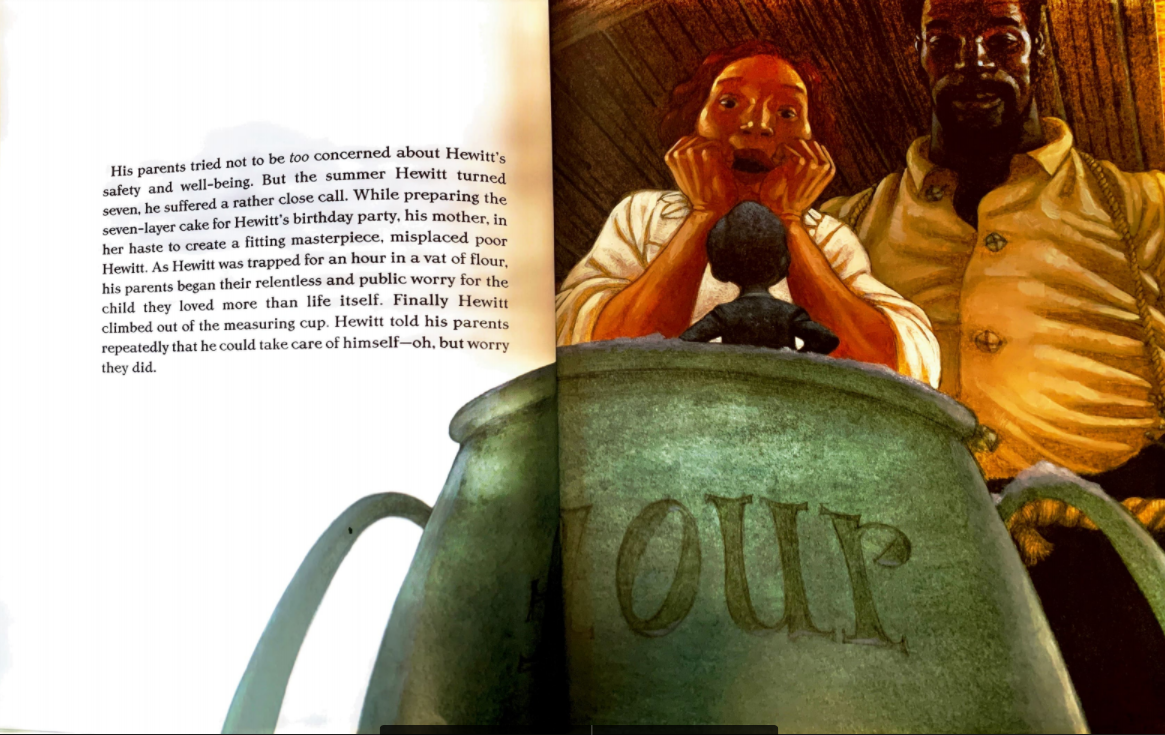
The main conflict in Hewitt Anderson's Great Big life is person vs. society because Hewitt's parents think 'big is best'.
Hewitt Anderson's Great Big Life has characters that are fantastical, make-believe aspects, magical elements and have a "happily ever after" ending. This makes the story a
Hewitt Anderson's Great Big Life has characters that are fantastical, make-believe aspects, magical elements and have a "happily ever after" ending. This makes the story a
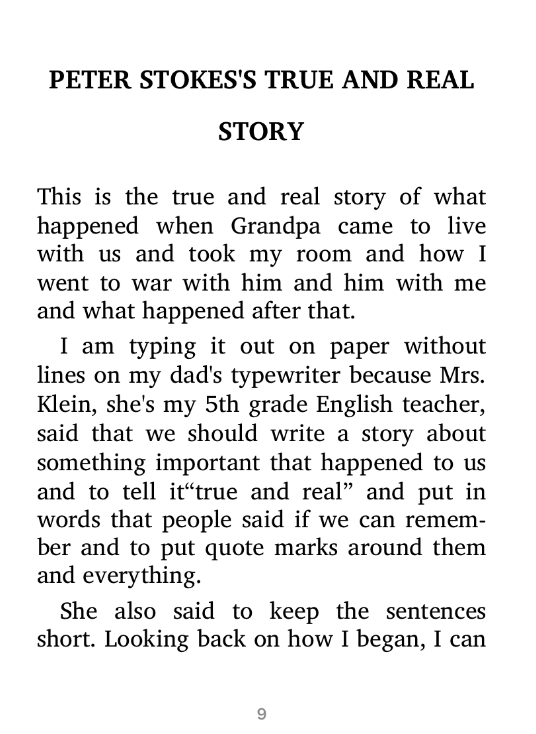
The War with Grandpa has characters that could be or are real people, the setting takes place in the present or recent past, characters are involved in events that could really happen, and the problems and conflicts the characters face are similar to everyday or real problems. This makes the story
What point of view is the War with Grandpa written in?