MM Ch 2 Quiz
star
star
star
star
star
Last updated about 1 month ago
11 Nsɛmmisa
1
1
1
1
1
1
1
1
1
3
4
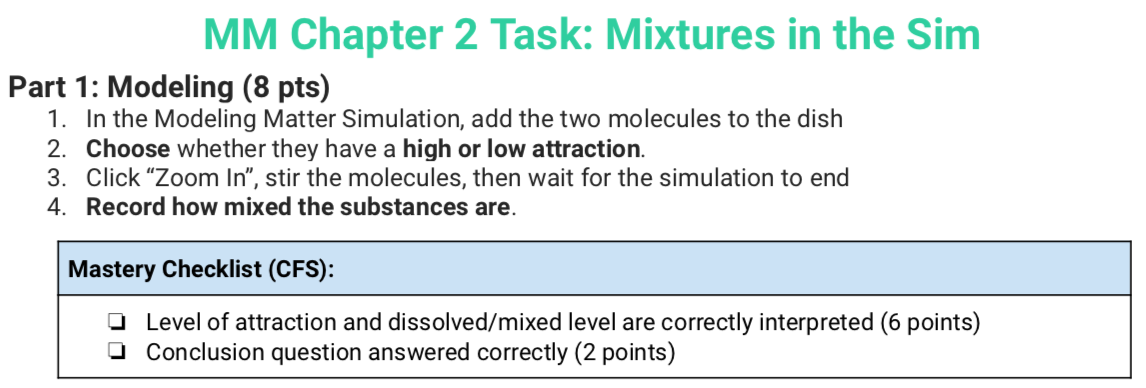
Choose the two molecules in the simulation to answer the questions 1 and 2 below
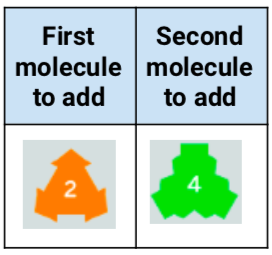
“HIGH” or “LOW” attraction between molecule 2 and molecule 4
Choose whether the molecules are “Dissolved (Mixed)” or “Not Dissolved (Not Mixed)”
Choose the two molecules in the simulation to answer the questions 3 and 4 below
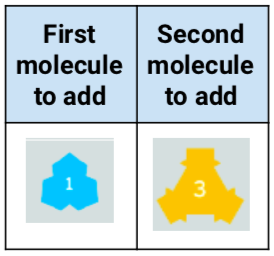
“HIGH” or “LOW” attraction between molecule 1 and molecule 3
Choose whether the molecules are “Dissolved (Mixed)” or “Not Dissolved (Not Mixed)”
Choose the two molecules in the simulation to answer the questions 5 and 6 below
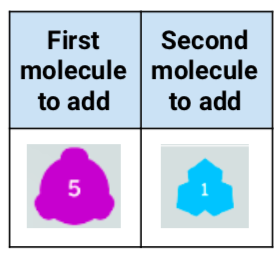
“HIGH” or “LOW” attraction between molecule 5 and molecule 1
Choose whether the molecules are “Dissolved (Mixed)” or “Not Dissolved (Not Mixed)”
Conclusion Question: Which properties of the molecules causes them to mix more or remain unmixed even as they are stirred? Pick one.
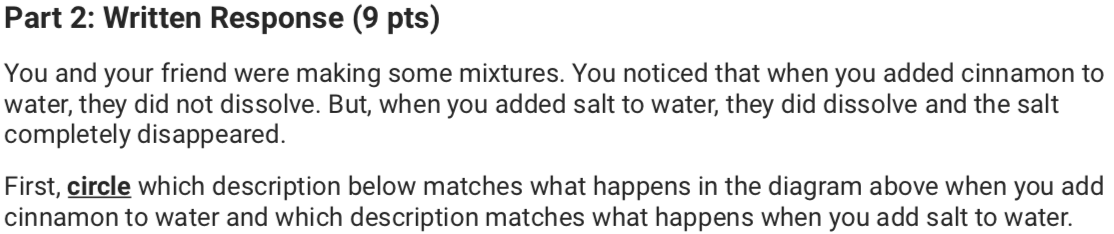
Is Diagram 1 Cinnamon and Water OR Salt and Water
Use this Diagram to answer question 9 below
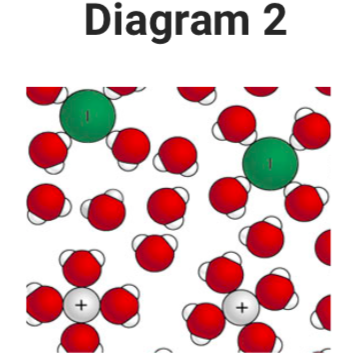
Is Diagram 2 Cinnamon and Water OR Salt and Water
Use the words in the Word Bank to write your paragraphs

Sentence starters:
C: Diagram 1 is ________________ and water. E: In Diagram 1, it shows ______________________.
R: This means ______________________.
Type your paragraph below
Sentence starters:
C: Diagram 2 is ________________ and water. E: In Diagram 2, it shows ______________________.
R: This means ______________________.
Type your paragraph below
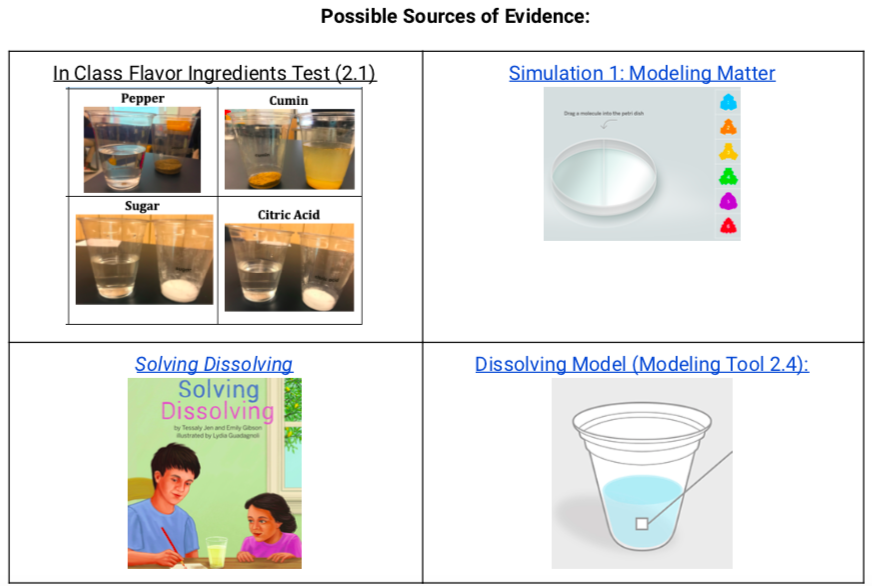
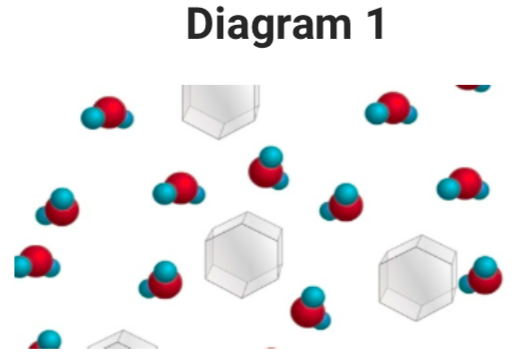
You can also use evidence from the examples below to support your answer: