APUSH Chapter 14, Part 1: Forging the National Economy (1790-1860) - Part 1
star
star
star
star
star
Last updated almost 2 years ago
11 questions
Welcome to your first APUSH reading in semester 2! In order to better integrate your readings with our comprehension checks, we are switching from using Google Forms to Formative.
As always, "Focus Questions" should guide your reading and notes, but you do not necessarily have to explicitly answer them.
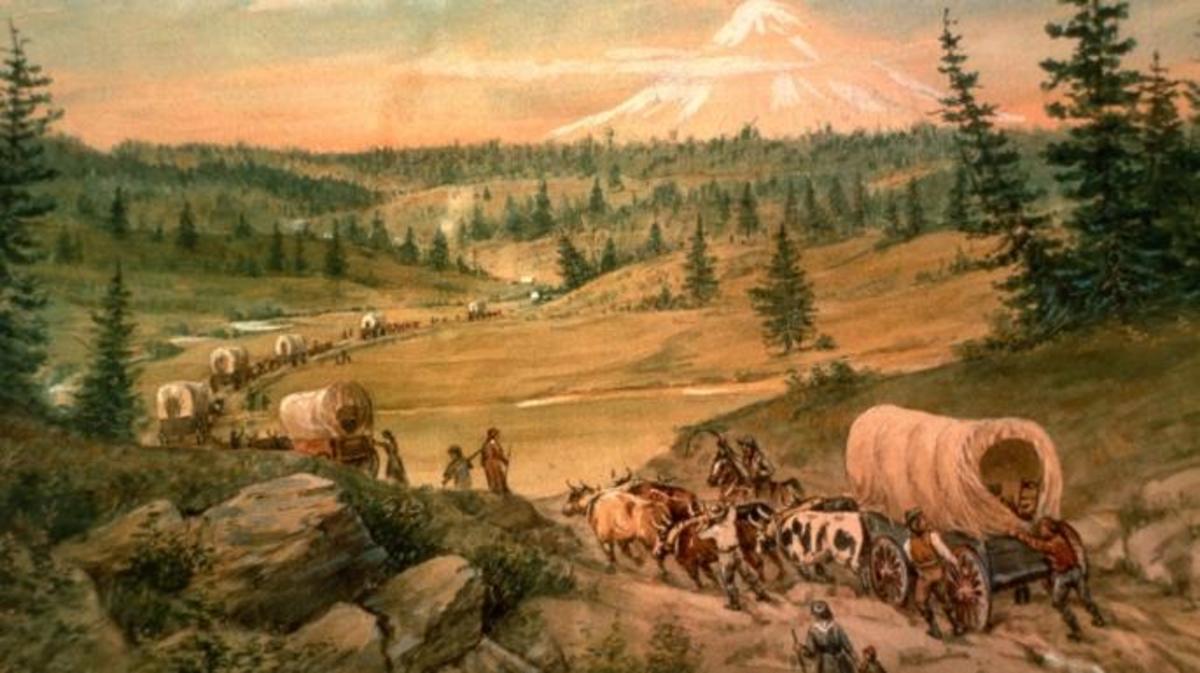
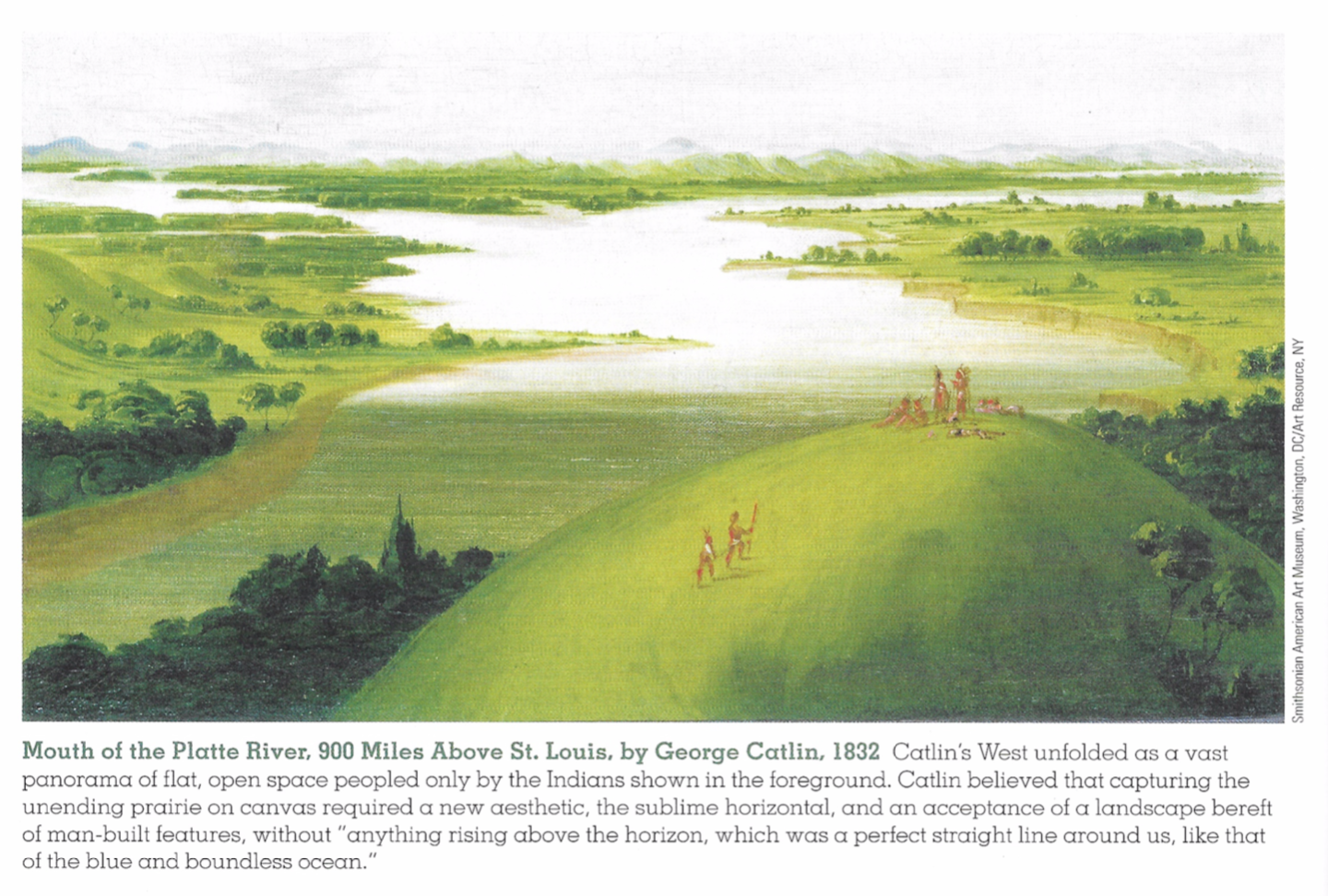
Historians often refer to the 19th-century movement of settlers into the American West as "Westward Expansion." The era begins with the Louisiana Purchase and extends into the early 20th century, fueled by the Gold Rush, the Oregon Trail and a belief in "manifest destiny."
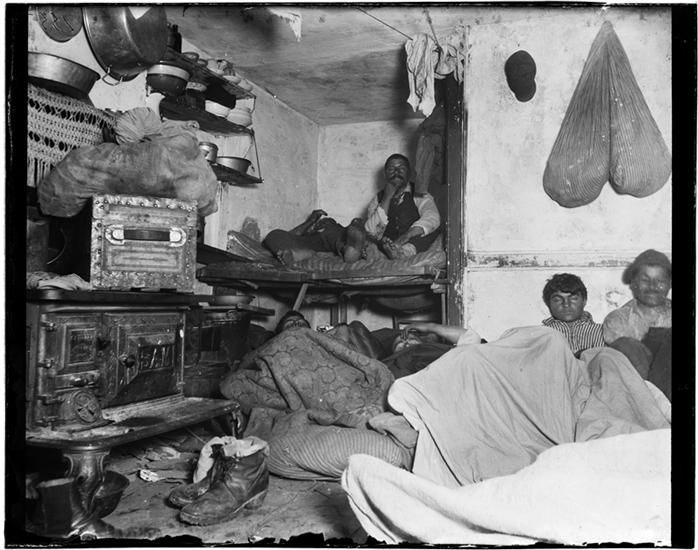
In the late 19th century, progressive journalist Jacob Riis photographed urban life in order to build support for social reform. In this part of the text, you can see the historical origins of urban living conditions in the late 1800s.
1
IIRC.02
1
IIRC.01
1
RWC.01
1
IIWD.01
1
IIRC.02
1
IITE.01
1
IIWD.01
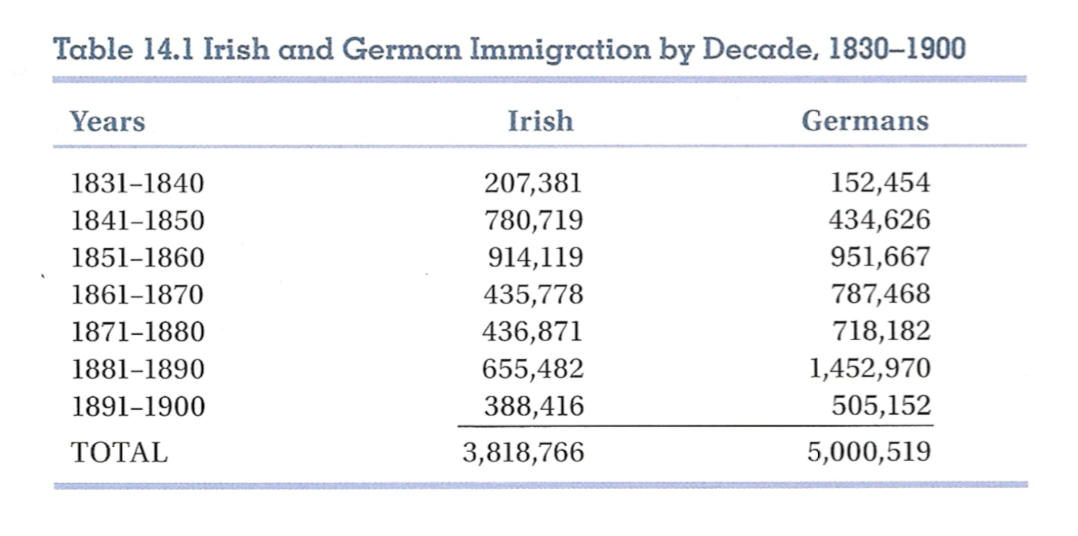
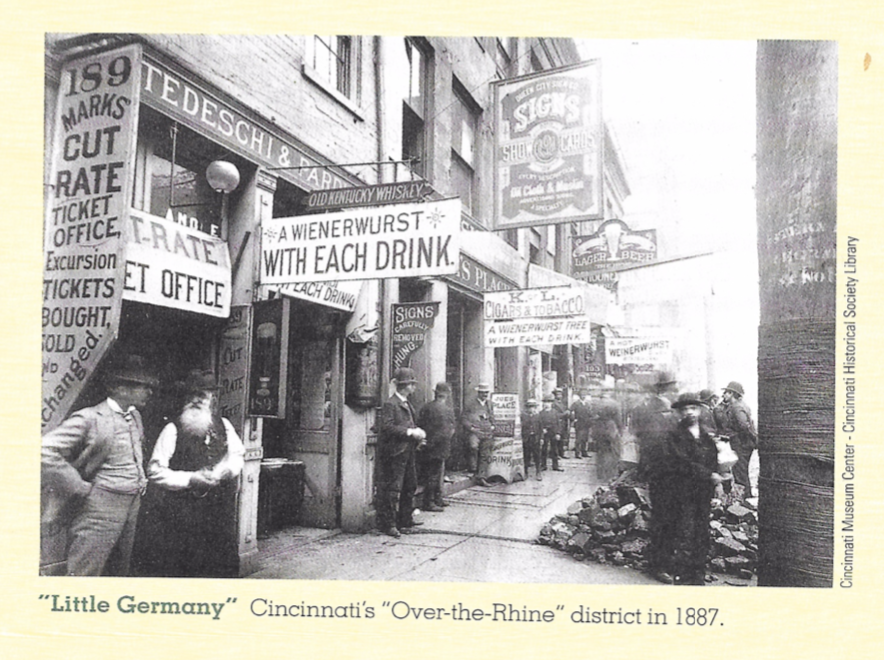
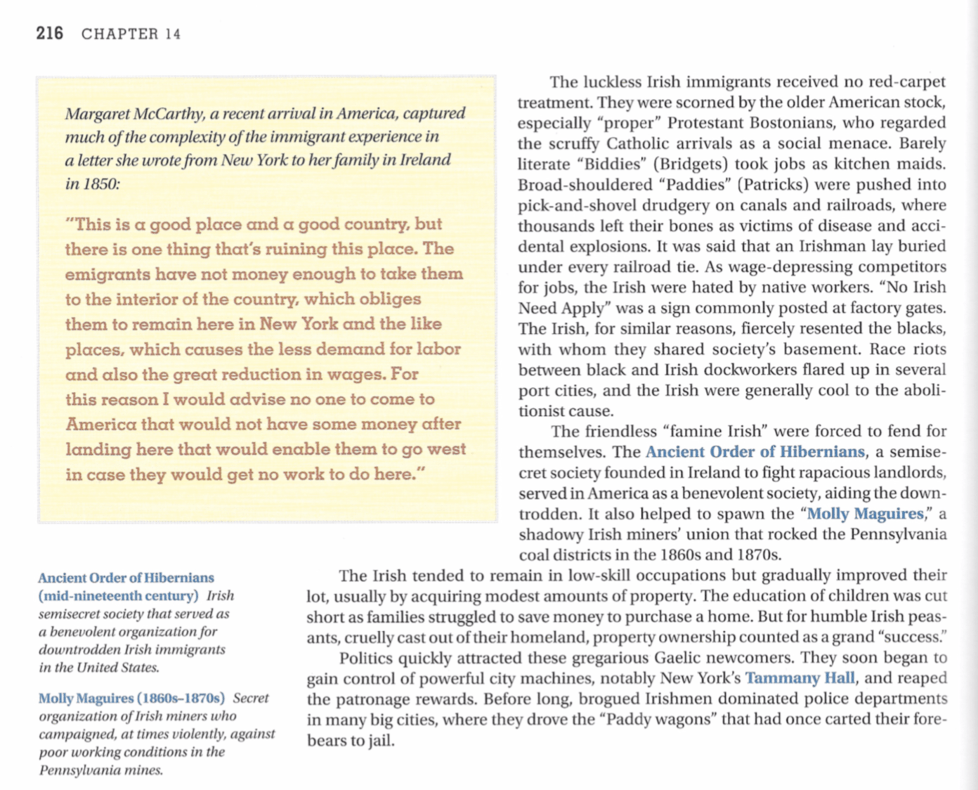
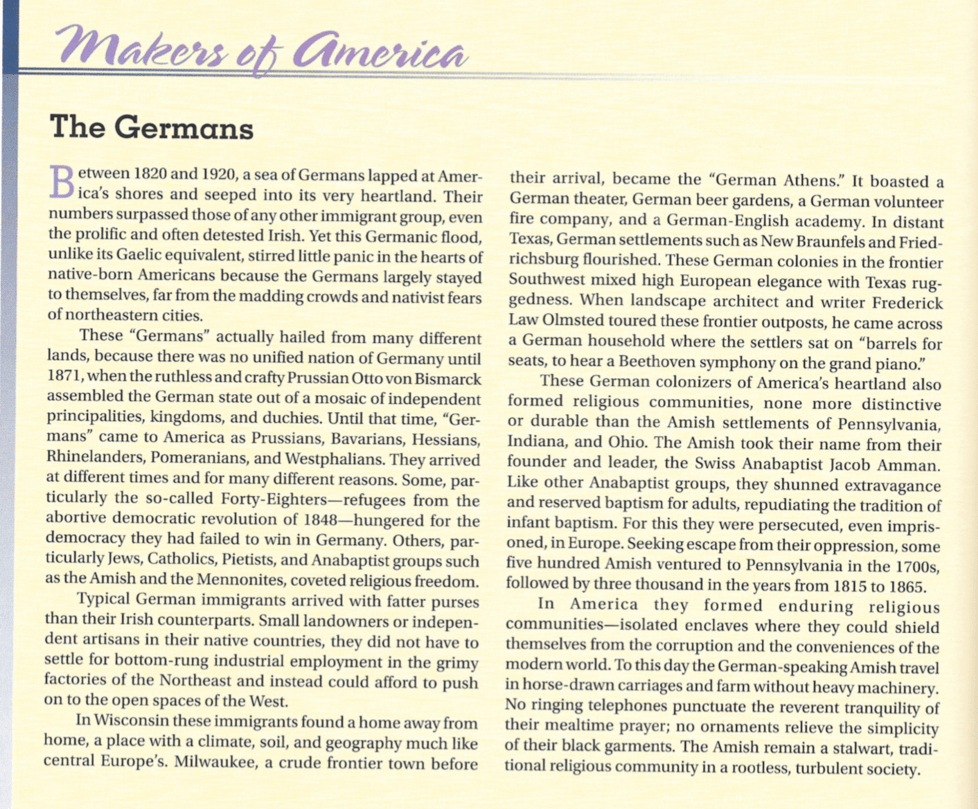
Both Irish and German immigrants experienced discrimination and xenophobia - the fear or hatred of strangers or foreigners.
1
This hate runs deep! Recall when we learned about the Protestant Reformation back in Period 1. The Protestant Reformation signaled the split between two branches of Christianity: Protestant Christianity and the Roman Catholic Church.
1
IIRC.01
1
0
Question 11
11.
Do you have any feedback or questions about the Formative reading or comprehension questions that you want to go over in class?
Question 1
1.
Question 2
2.
Question 3
3.
Question 4
4.
Question 5
5.
Question 6
6.
Question 7
7.
Question 8
8.
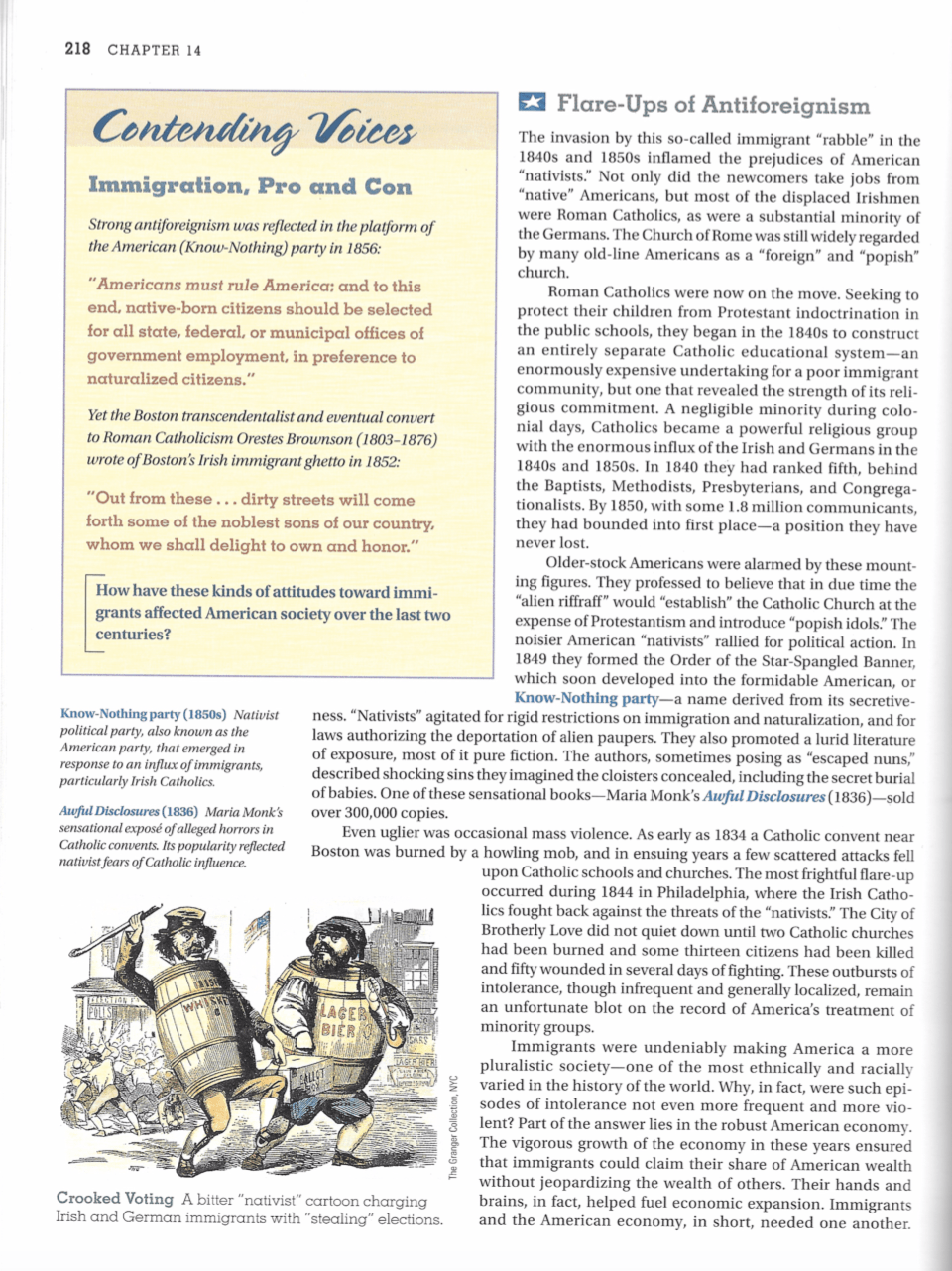
What stereotypes do you notice about Irish and German immigrants in this political cartoon?
In a color of your choice, circle at least 3 details from this image.
Question 9
9.
Question 10
10.
Make a Prediction: Why do you think that Irish and German Immigrants experienced such unwelcome feelings of antiforeignism and nativism? In your experience, have these attitudes persisted in American society in more recent history?
Your response should be in complete sentence supported by well-reasoned historical arguments based on main ideas from this reading.
The dramatic growth of American cities between 1800 and 1860
resulted in unsanitary conditions in many communities.
put an end to the frontier era.
contributed to a decline in the birthrate.
forced the federal government to slow immigration.
Whether they were propertied or landless, immigrants were often enticed to leave their homelands by
advertisements from companies promising big salaries to those who emigrate.
word that there was free land available in the West.
greater prospects of finding a suitable wife in the West.
letters from family or friends in the U.S. bragging about easy opportunities for wealth.
The author uses the phrase "no red-carpet treatment" (Paragraph 1, lines 1-2) mainly to
suggest that Irish immigrants preferred the comforts of urban life.
demonstrate the willingness of immigrants to make sacrifices for educational opportunities.
emphasize that Irish immigrants experienced discrimination from Americans across racial and socioeconomic lines.
argue that black and Irish dockworkers should be offered higher-paying jobs.
As used in line 8, "blight" most nearly means
corruption
sorrow
curse
disease
It can be reasonably inferred that German immigrants to the United States
left their homeland to escape economic hardships and autocratic government.
quickly became a powerful political force.
were generally welcomed by native-born Americans.
were as destitute as the Irish.
Which choice provides the best evidence for the answer to the previous question?
Paragraph 1, "The influx...from Ireland."
Paragraph 1, "During these...American soil."
Paragraph 1, "Saddened by ...of democracy."
Paragraph 2, "Unlike the...material goods."
As used in line 4, "uncurbed" most nearly means
impeded
unrestrained
disturbed
ungovernable
Native-born Americans feared that Catholic immigrants to the United States would