Log in
Sign up for FREE
arrow_back
Library

APUSH Chapter 14, Part 2: Forging the National Economy (1790-1860) - Part 2

star
star
star
star
star
Last updated almost 2 years ago
12 questions
Welcome back to your Chapter 14 reading! Here is the second half.

As always, "Focus Questions" should guide your reading and notes, but you do not necessarily have to explicitly answer them.
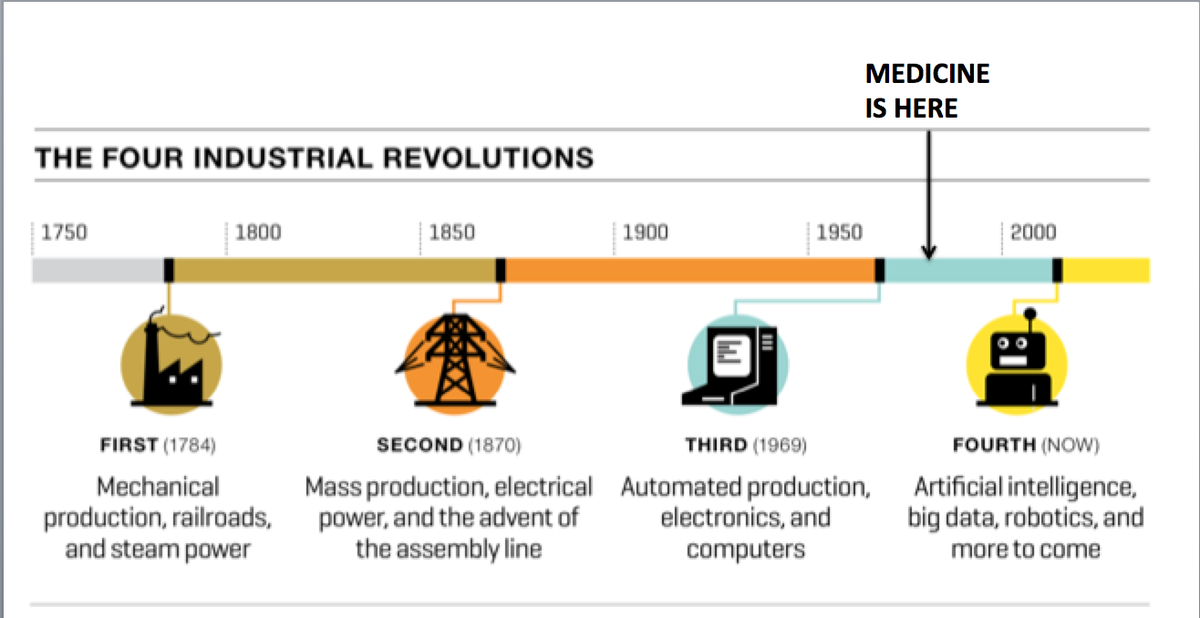
Your textbook refers to Industrial Revolution as the shift towards mass production and mechanization. Historians recognize this as the First Industrial Revolution, beginning in Great Britain in 1784 with the creation of the factory system. Throughout U.S. history, we will learn about three more Industrial Revolutions (see timeline).
1
IIUR.01
1
IITE.01
Curious how the cotton gin works? Check out this (brief) video!
1
RWC.01
1
IIWD.01
1
IIRC.01
1
IIRC.01
1
IIRC.02
1
IITE.01
😂 Okay, here you go!
1
IIRC.01
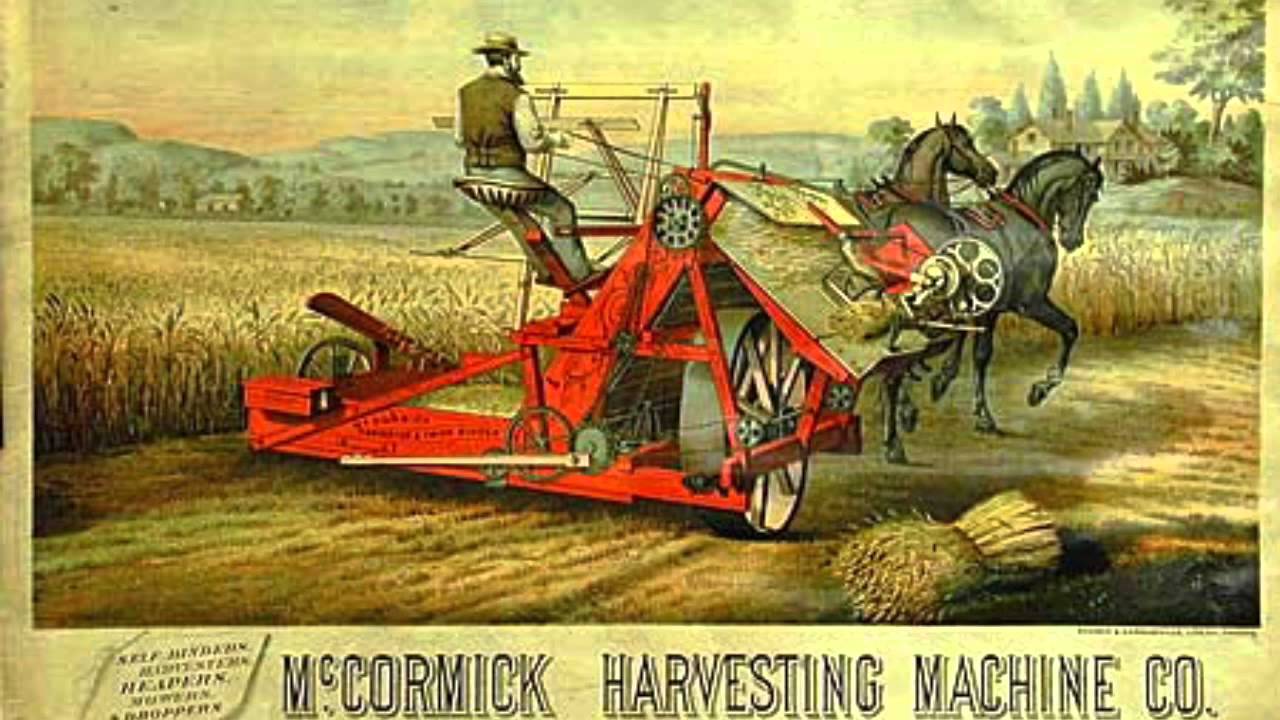
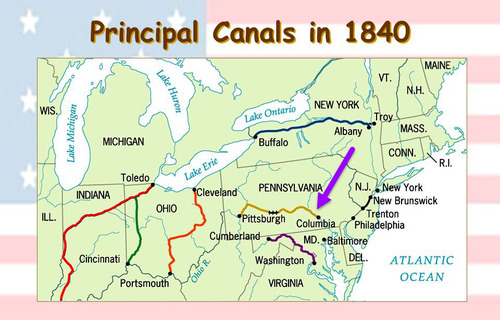
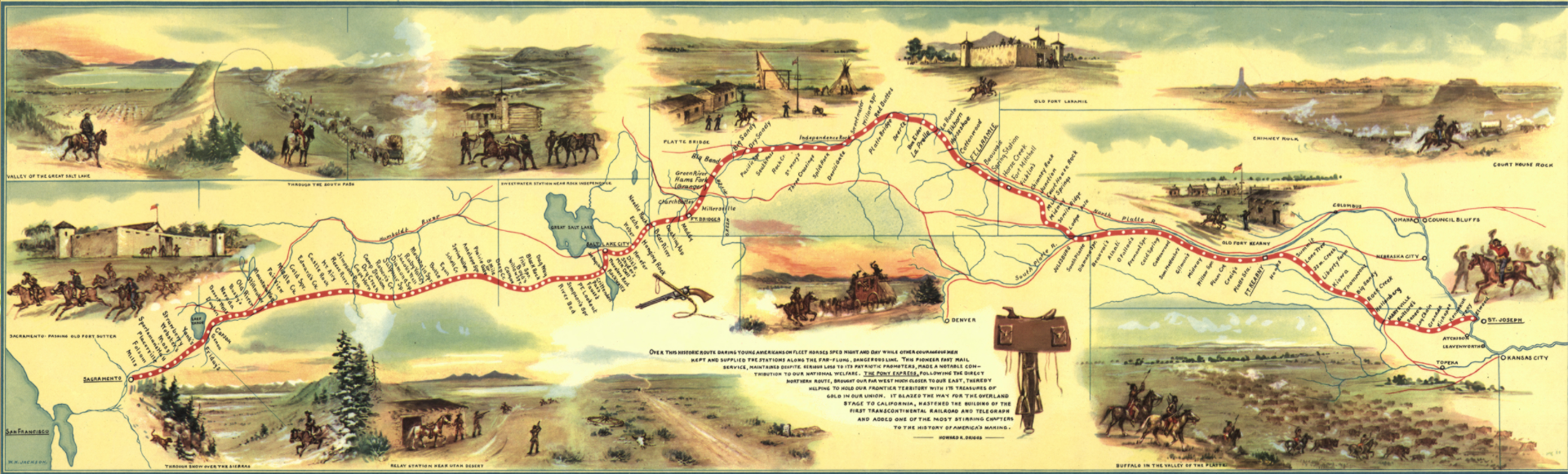
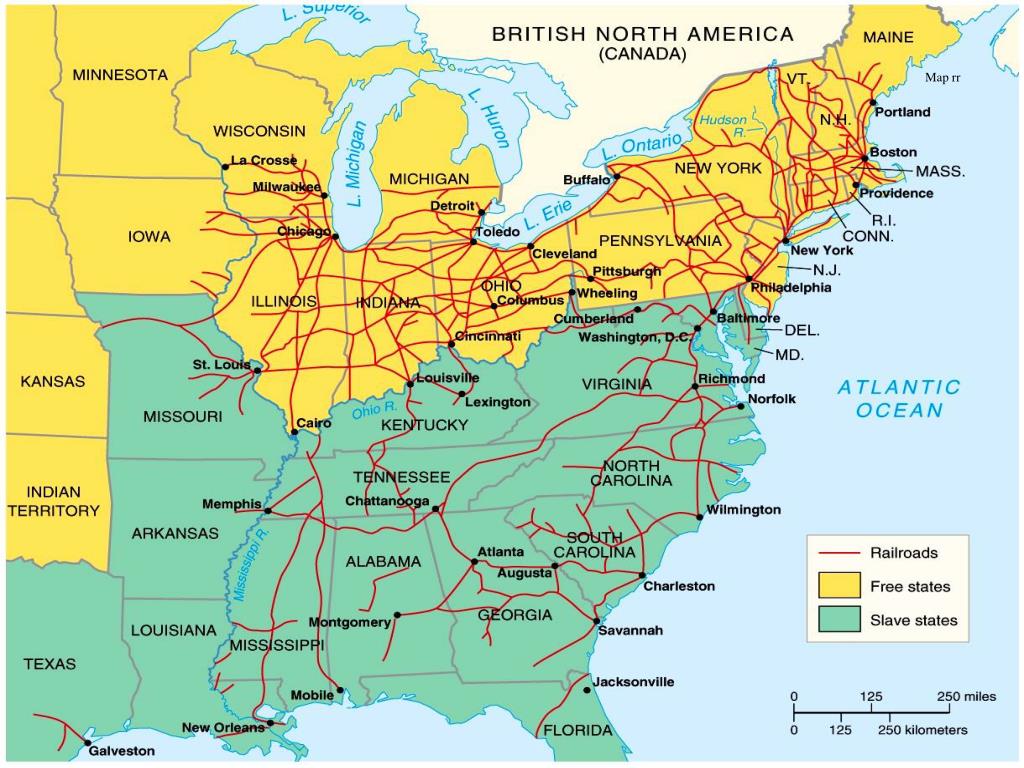
In the world of smart phones, Amazon Prime, and Uber, the significance of these inventions may escape us today but inventions like canals, railroads, and even the Pony Express made it substantially easier for people across the country to communicate and travel!
Notice where in the country most of these transportation systems are being built, and where there are few...

*Cue foreboding music*
1
Question 10
10.

To what extent did the Market Revolution change the everyday life of the average American?

Support your Answer to the Prompt. by Citing at least one piece of evidence from the text. Be sure to Expand on your evidence by explaining the historicial context.

0
Question 11
11.

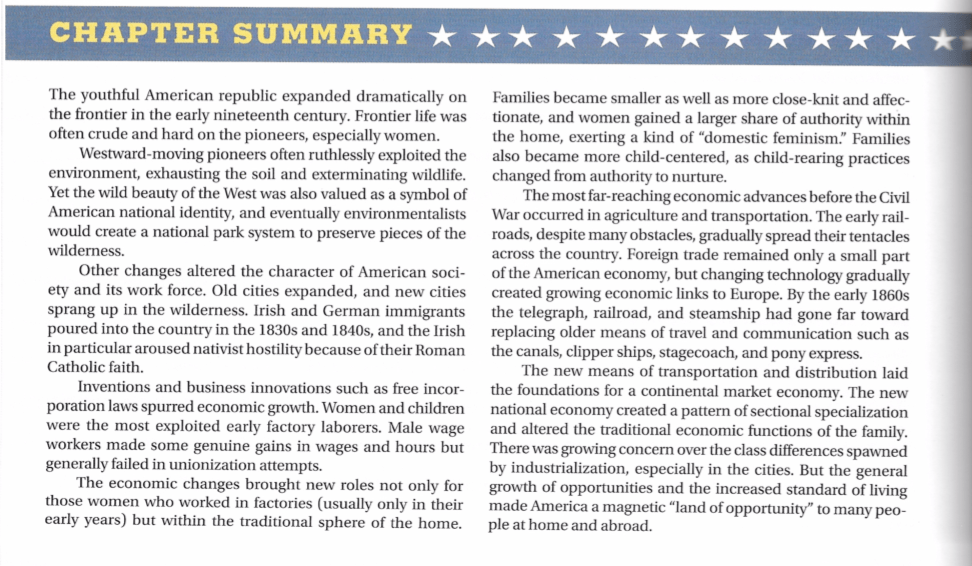
Excellent reading! Close out this Chapter by reviewing the "Chapter Summary" and boxing the 5 most important key terms in the space provided.

0
Question 1
1.

Question 2
2.

Question 3
3.

Question 4
4.

Question 5
5.

Question 6
6.

Question 7
7.

Question 8
8.

Question 9
9.

Don't let this be you!
Question 12
12.

Do you have any feedback or questions about the Formative reading or comprehension questions that you want to go over in class?

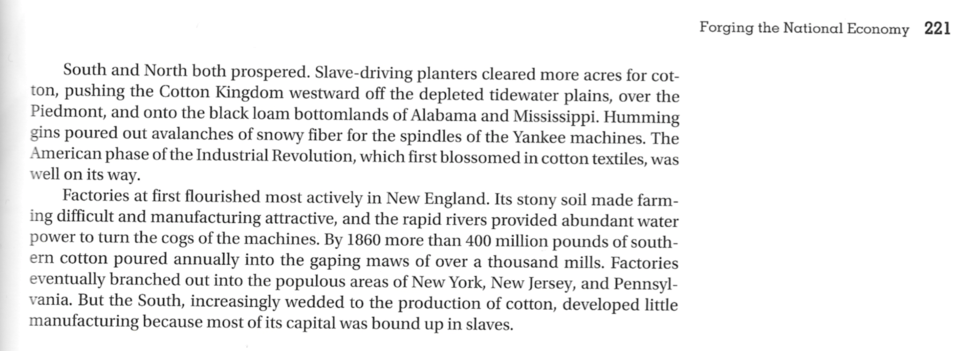
As a result of the development of the cotton gin,
reliance on slaves to work in the cotton
fields declined.
slavery revived and expanded.
technology assumed a large role in cotton production.
the South diversified its economy.
Which choice provides the best evidence for the answer to the previous question?
Paragraph 2, ("Handpicking one...relatively rare")
Paragraph 3 ("There he...cotton fiber")
Paragraph 3 ("Within ten...handpicking process")
Paragraph 4 ("Almost overnight...southern blacks")
The phrase "renewed lease on life" in paragraph 4 (line 4) mainly serves to
suggest that slavery was on the verge on dying out prior to the invention of the cotton gin.
advocate for the use of tariffs to encourage the purchase of American-made goods and revitalize the U.S. economy.
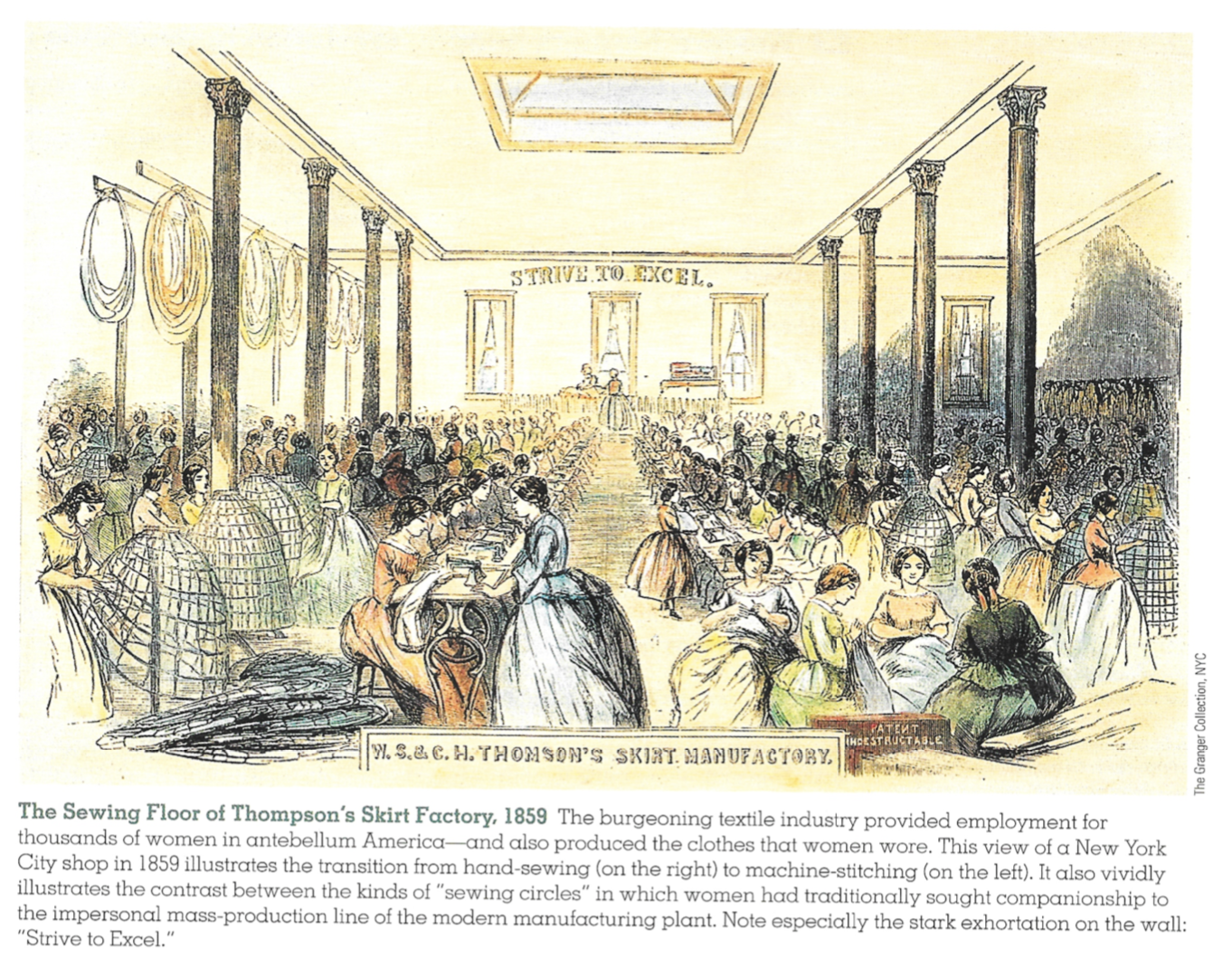
illustrate how drastically the sewing machine changed the life of young seamstresses in New England.
imply that Whitney needed to renew his patent on the system of interchangeable parts.
As used in line 1, "outgrowth" most nearly means
protrusion.
outcome.
foundation.
principle.
A consequence of the early factory system was
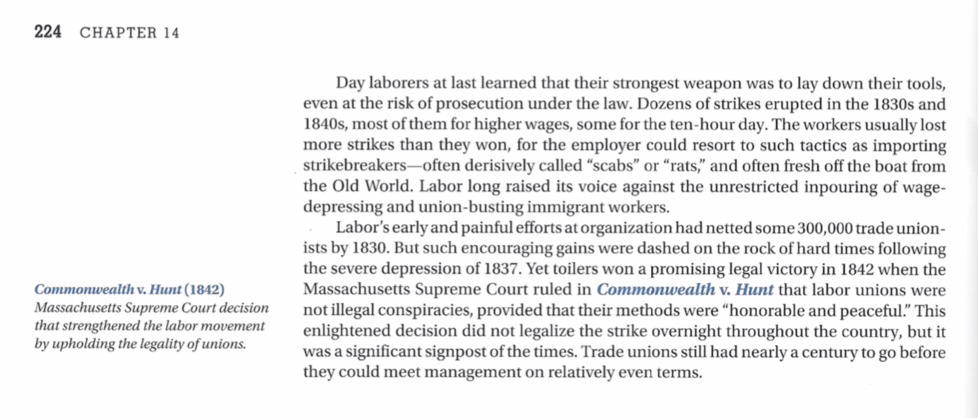
the rise of a robust and vibrant labor movement in the Northeast.
the growing class of “wage slaves” who suffered long hours and grim conditions in return for meager wages.
the growing divide between manufacturers and agriculturalists.
the decline of domestic service as servants left in droves to take up factory jobs.
In the case of Commonwealth v. Hunt, the supreme court of Massachusetts ruled that
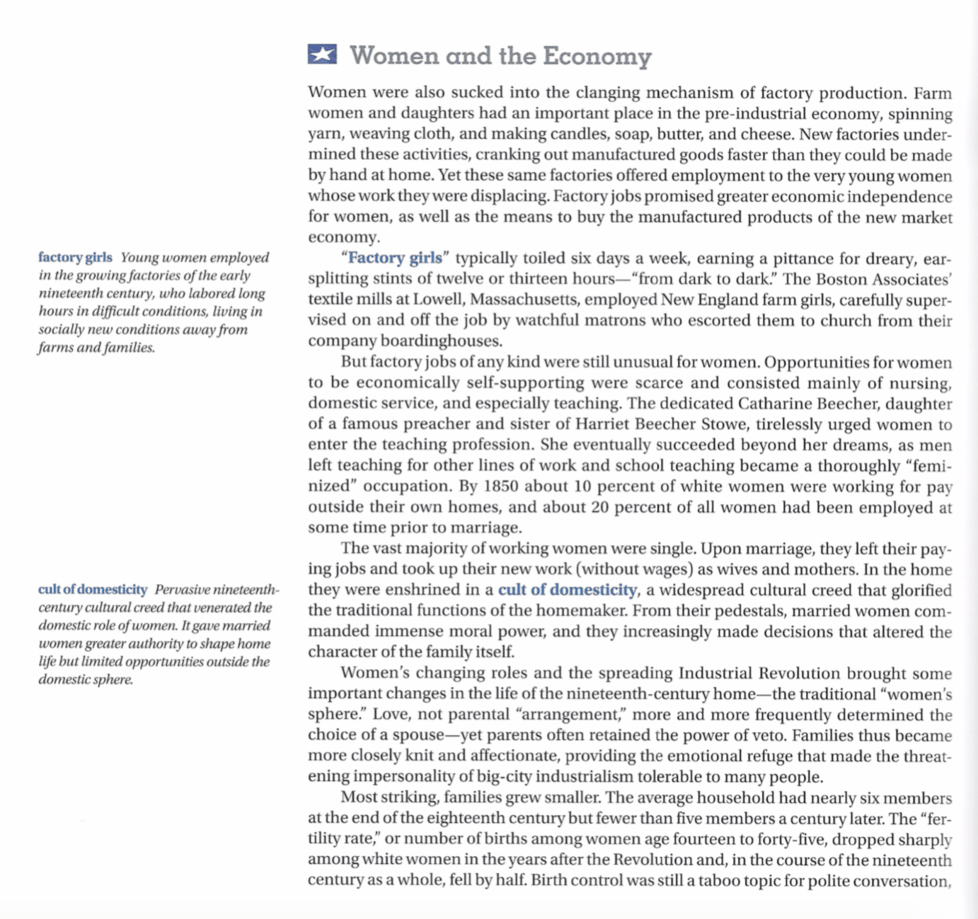
permanent corporations were constitutional.
labor unions were legal.
labor strikes were illegal.
girls under the age of 16 could not be employed in factories.
According to the passsage, the "cult of domesticity"
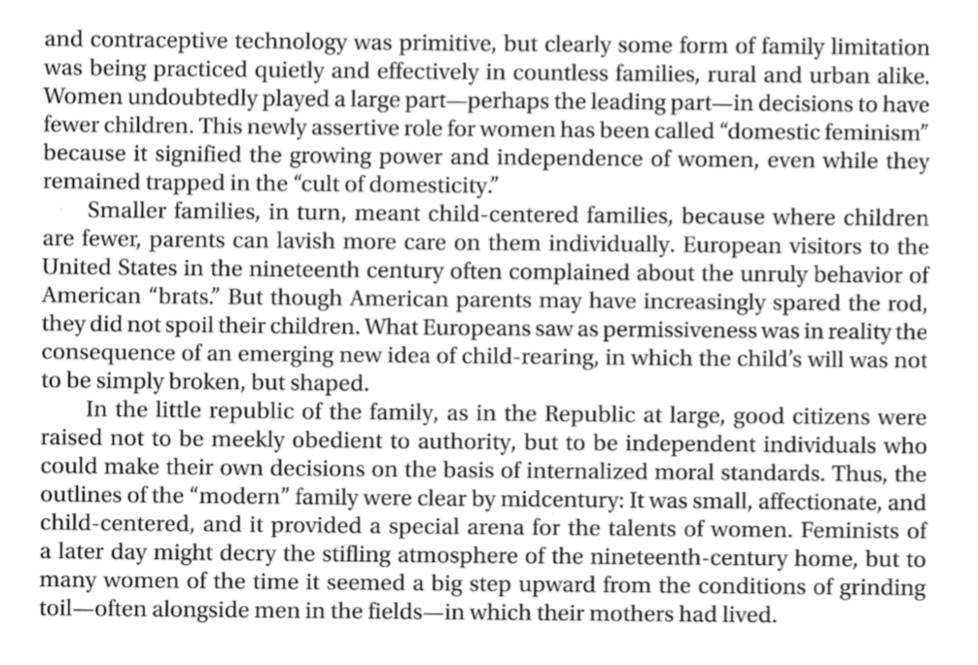
glorified the traditional role of women as homemakers.
celebrated mothers as economic role models for their children.
restricted women's moral influence on the family.
gave women more opportunity to seek employment outside the home.
Which choice provides the best evidence for the answer to the previous question?
Paragraph 3, ("But factory ...especially teaching")
Paragraph 3, ("By 1850...to marriage")
Paragraph 4, ("The vast...and mothers")
Paragraph 4, ("From their...family itself")
Steamboats profoundly affected the American economy by
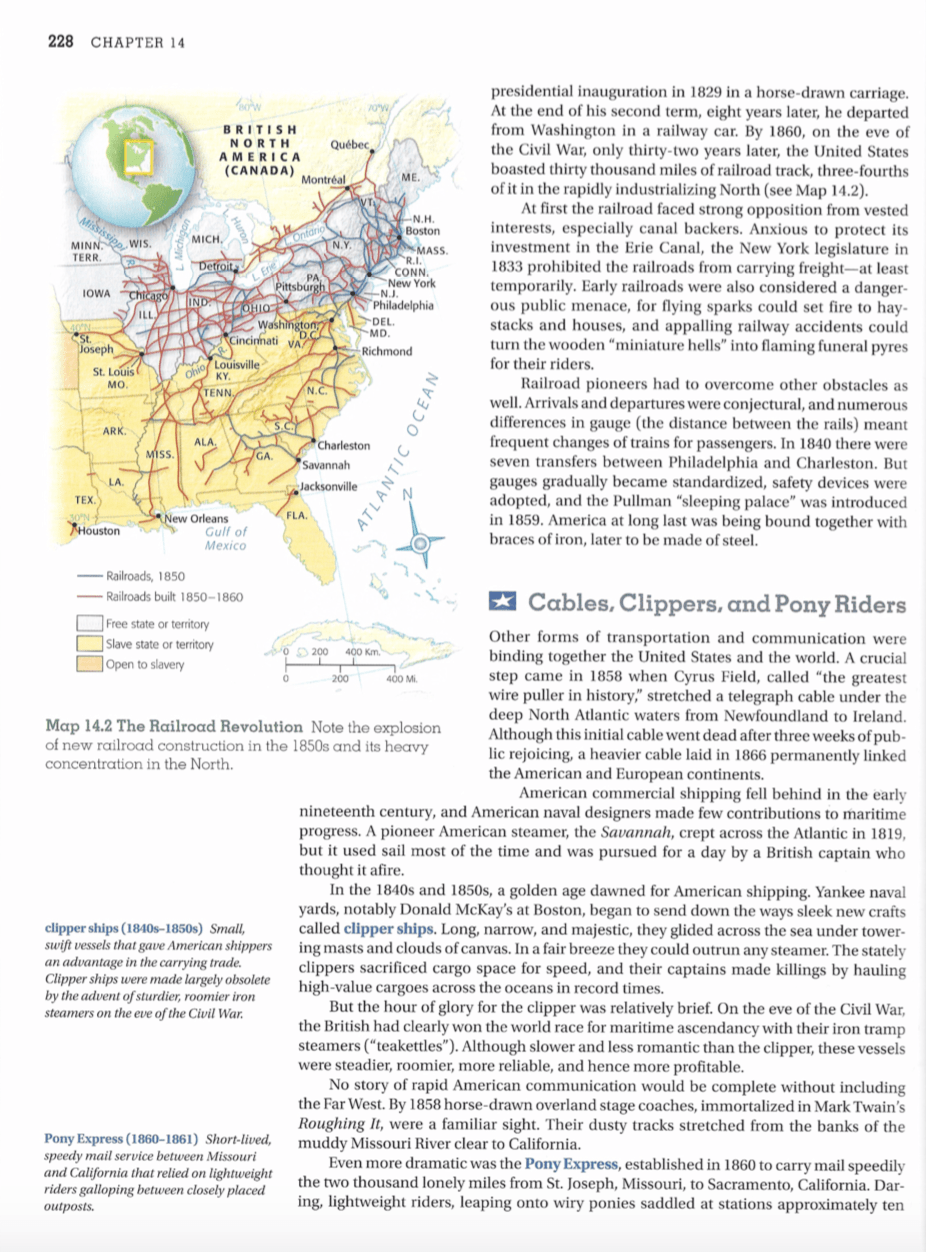
making shipping totally dependent on weather conditions.
making New Orleans the nation´s financial center.
turning navigable streams into two-way arteries, doubling their carrying capacity.
increasing the nation's dependence on Russian coal.