APUSH Chapter 14, Part 1: Forging the National Economy (1790-1860) - Part 1
star
star
star
star
star
Last updated about 2 years ago
11 Nsɛmmisa

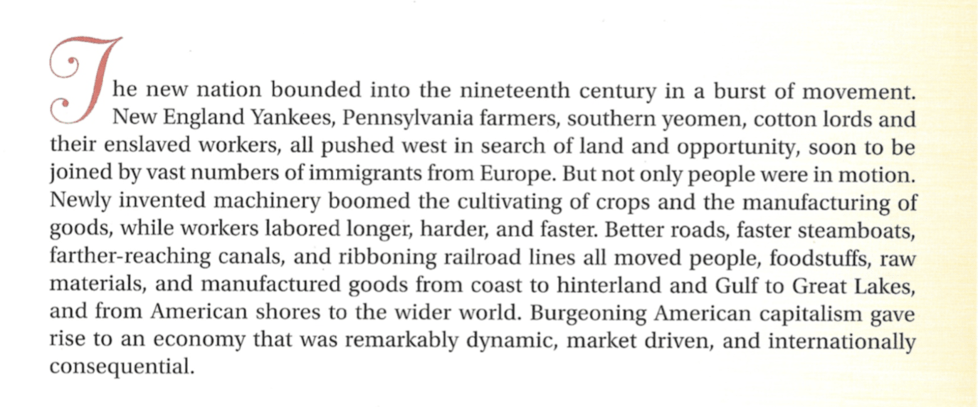
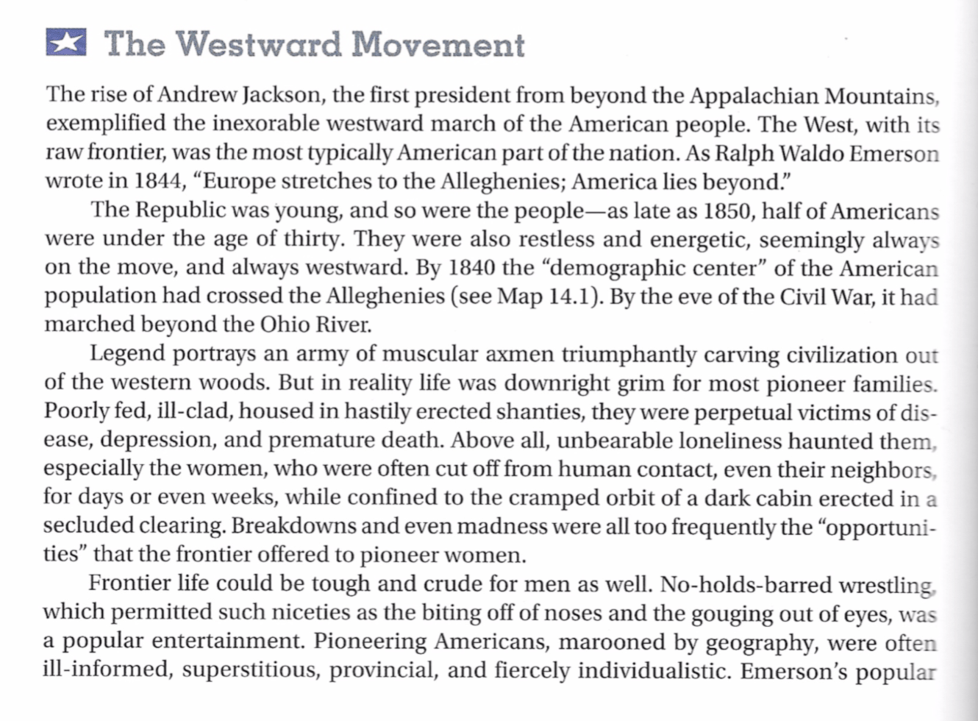

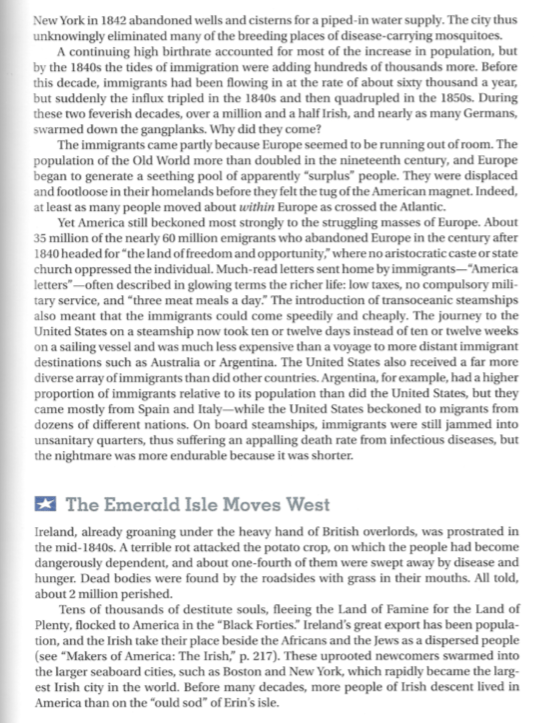
The dramatic growth of American cities between 1800 and 1860
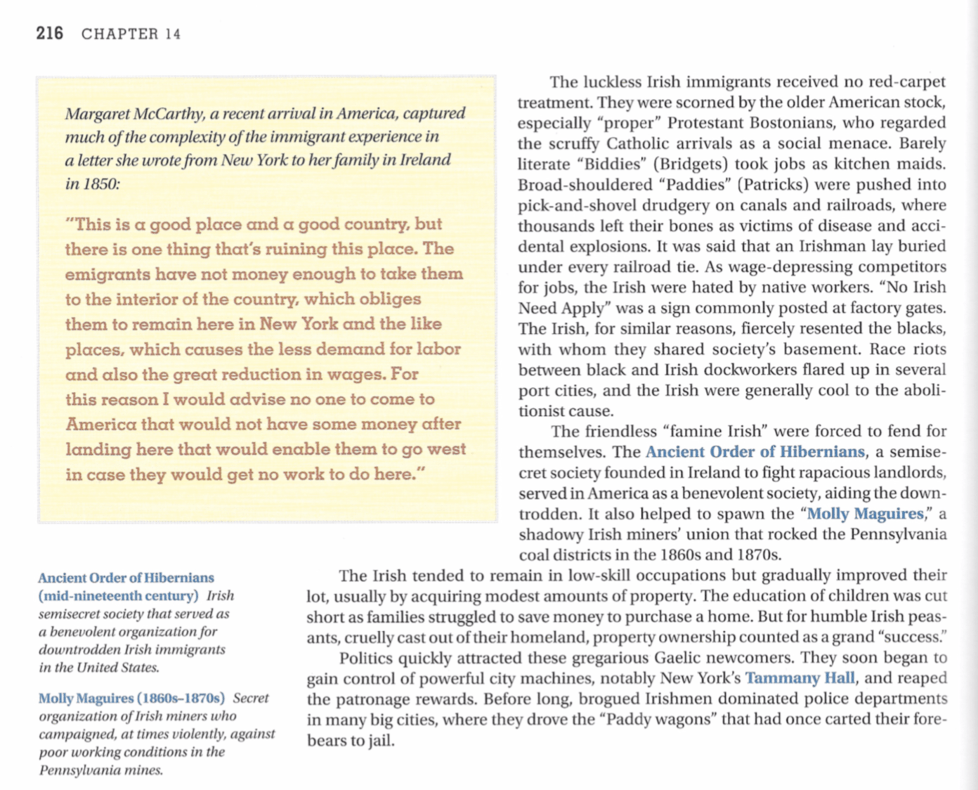
The author uses the phrase "no red-carpet treatment" (Paragraph 1, lines 1-2) mainly to

As used in line 8, "blight" most nearly means

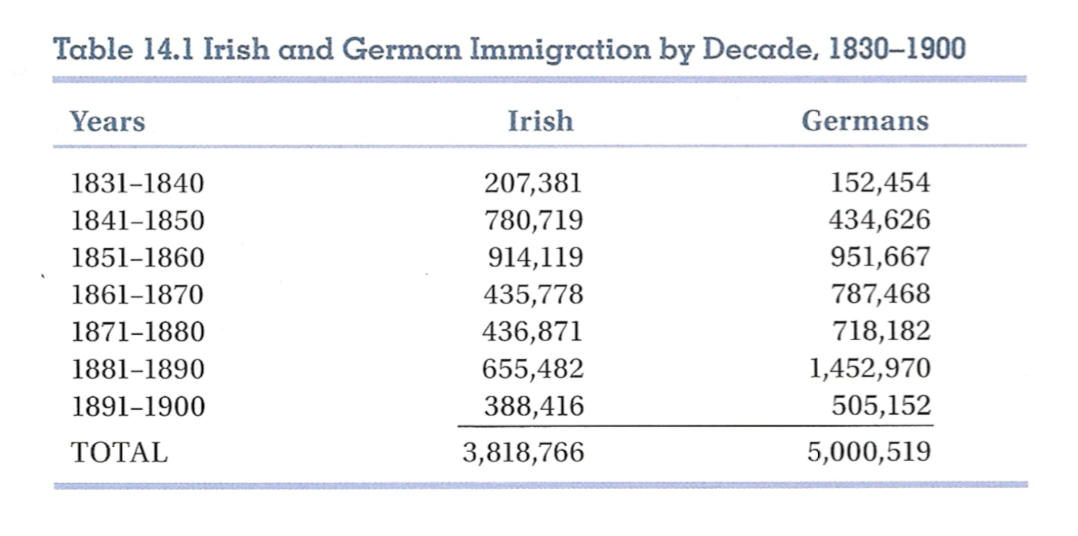
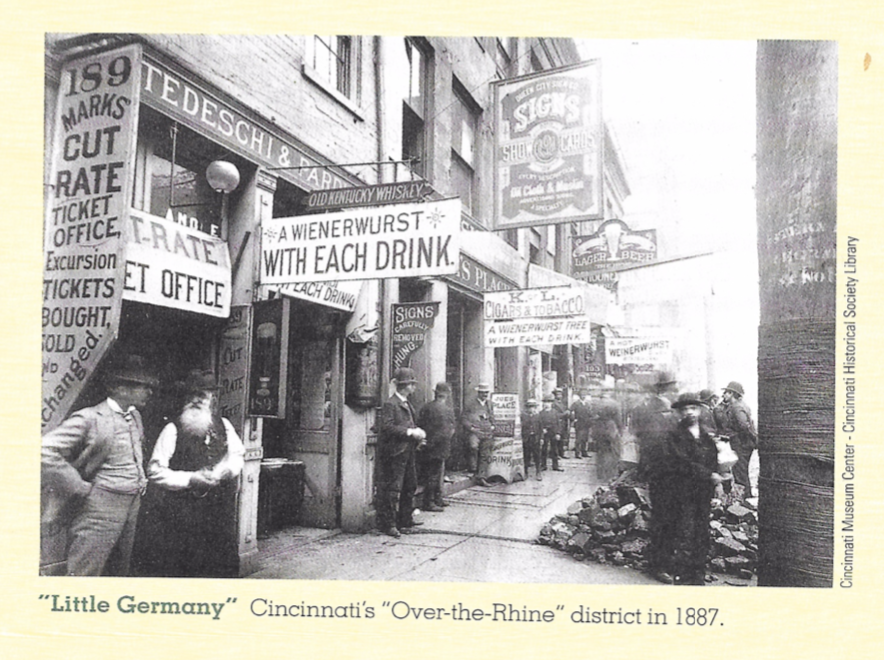
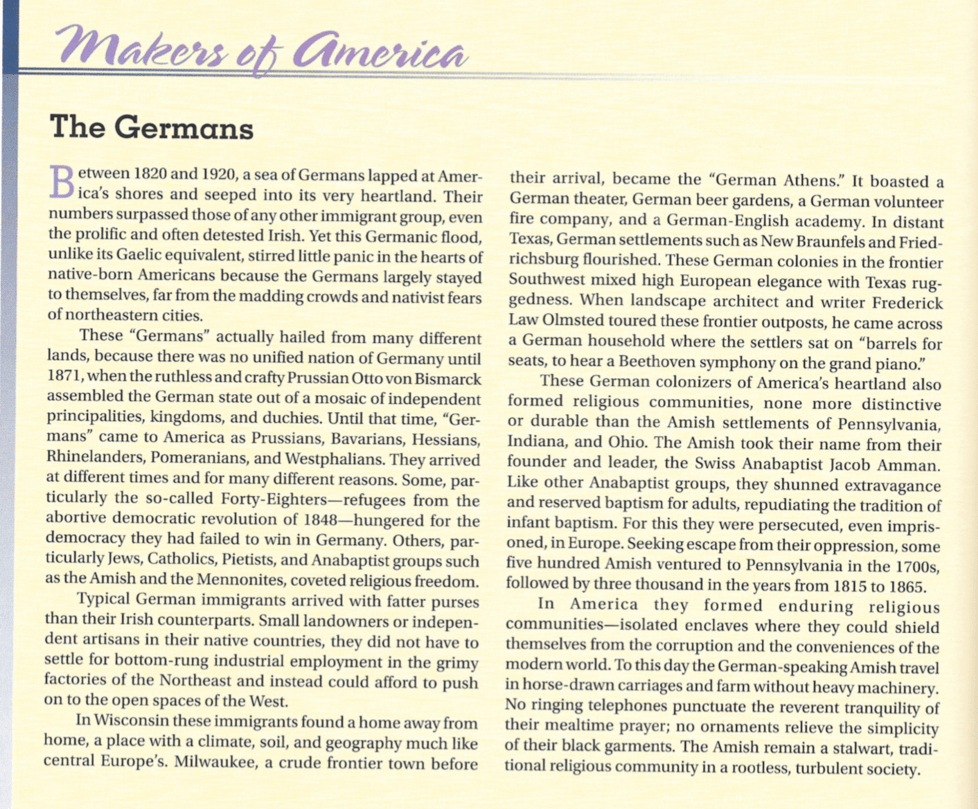
It can be reasonably inferred that German immigrants to the United States

As used in line 4, "uncurbed" most nearly means
What stereotypes do you notice about Irish and German immigrants in this political cartoon?
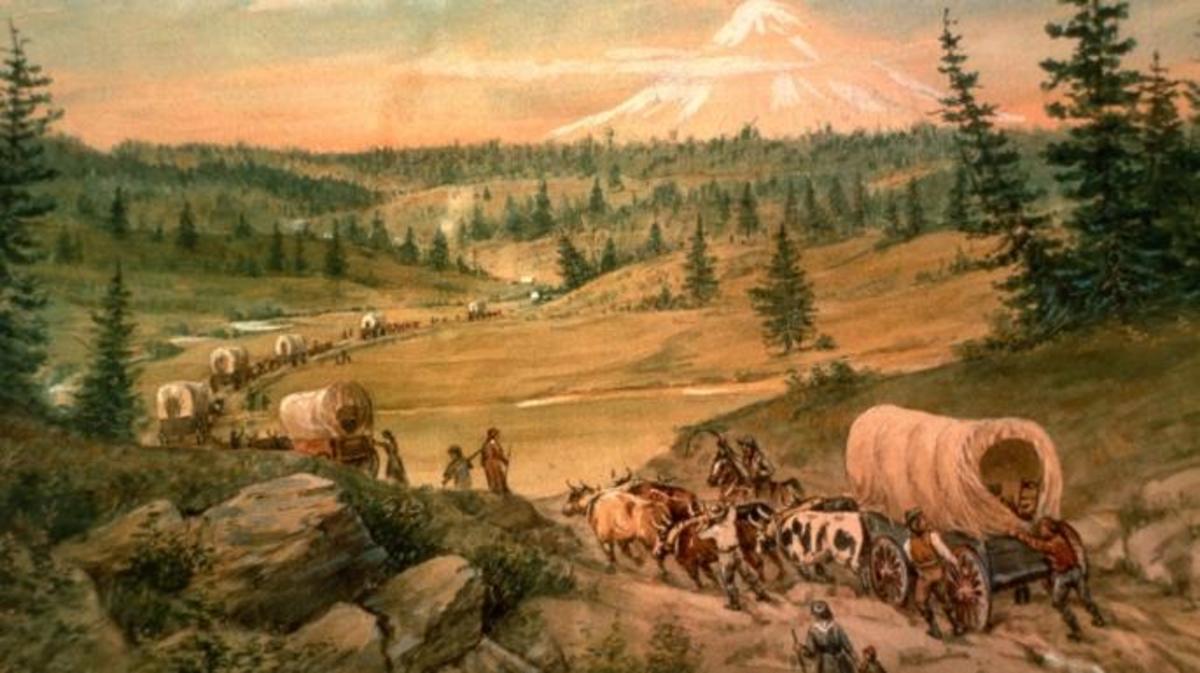
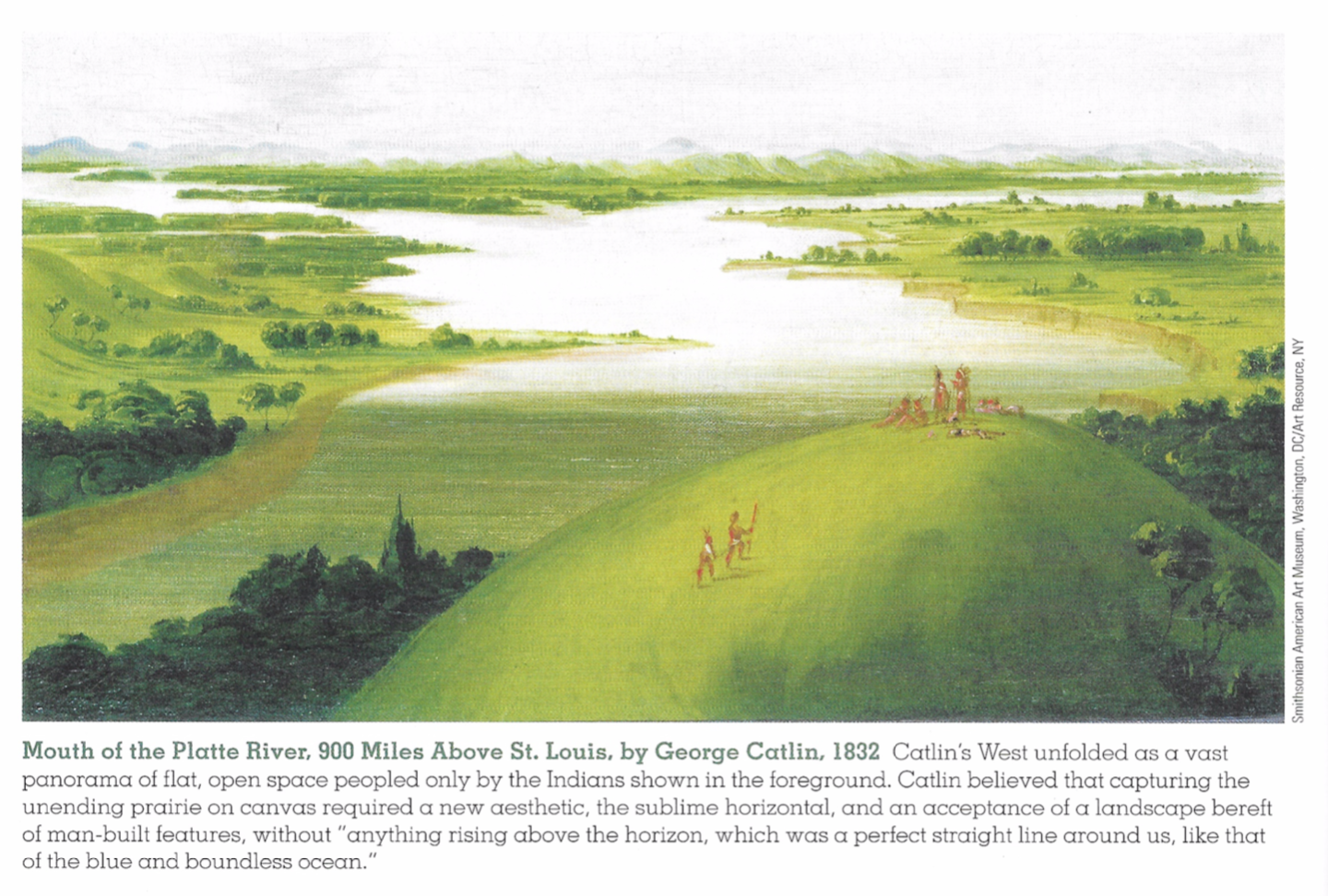
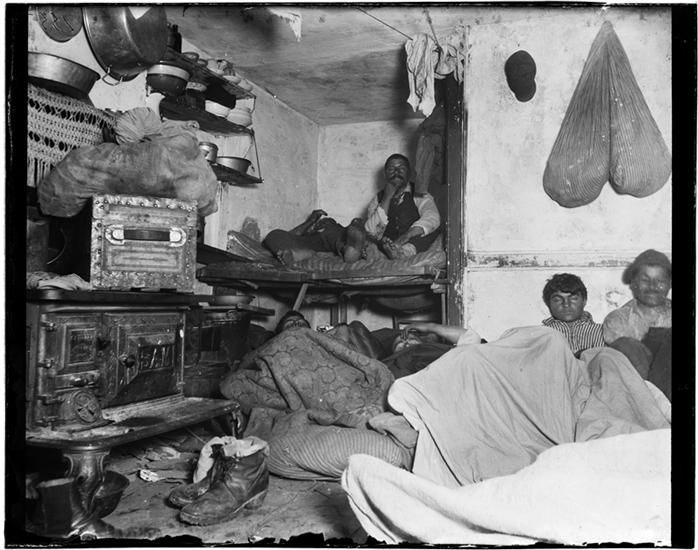
In a color of your choice, circle at least 3 details from this image.
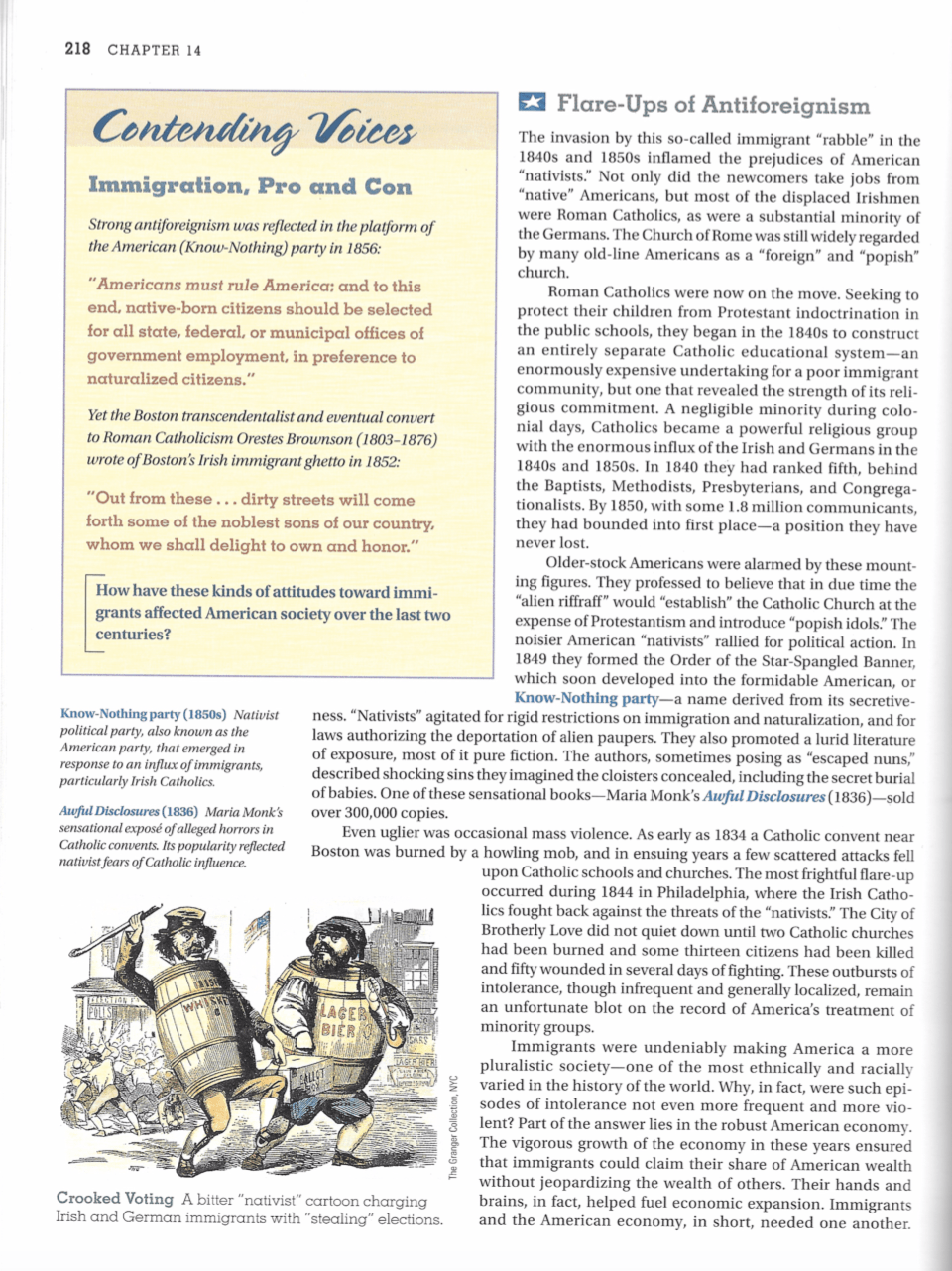
Native-born Americans feared that Catholic immigrants to the United States would

Do you have any feedback or questions about the Formative reading or comprehension questions that you want to go over in class?
Whether they were propertied or landless, immigrants were often enticed to leave their homelands by
Which choice provides the best evidence for the answer to the previous question?
Make a Prediction: Why do you think that Irish and German Immigrants experienced such unwelcome feelings of antiforeignism and nativism? In your experience, have these attitudes persisted in American society in more recent history?
Your response should be in complete sentence supported by well-reasoned historical arguments based on main ideas from this reading.